
3 days in Brussels itinerary planning works best when the pace stays realistic and enjoyable. This guide helps you explore iconic landmarks, local neighborhoods, museums, food stops, and flexible backup options without rushing.
Brussels works best when each day has one major anchor, one neighborhood-focused section, and enough breathing room to enjoy the city without constant transport fatigue.
Quick Takeaways
Start here: 3 days in Brussels itinerary planning works best when the pace stays realistic and enjoyable.
Planning note: Brussels works best when each day has one major anchor, one neighborhood-focused section, and enough breathing room to enjoy the city without constant transport fatigue.
If you have not booked accommodation yet, start with our where to stay in Brussels guide. Your hotel location can shape the entire experience. Before arrival, it is also worth reviewing the Brussels airport to city guide so your first day starts smoothly.
3 Days in Brussels Itinerary at a Glance
| Day | Morning | Afternoon | Evening |
|---|---|---|---|
| Day 1 | Grand-Place and historic center | Sablon or Marolles district | Relaxed dinner near your hotel |
| Day 2 | European Quarter, museums, or parks | Neighborhood exploration and food stops | Easy evening in a central district |
| Day 3 | Atomium or another outer-city highlight | Flexible shopping, markets, or local districts | Final evening close to your base |
Quick Facts Before You Start
- A central or well-connected hotel makes short trips significantly easier.
- The historic center deserves time, but Brussels is more enjoyable when you explore beyond it.
- Balance museum-heavy periods with outdoor neighborhoods, cafés, and parks.
- If you are connecting from the Netherlands, use the Amsterdam to Brussels route guide before finalizing transport plans.
Day 1: Historic Center and Classic Brussels Neighborhoods
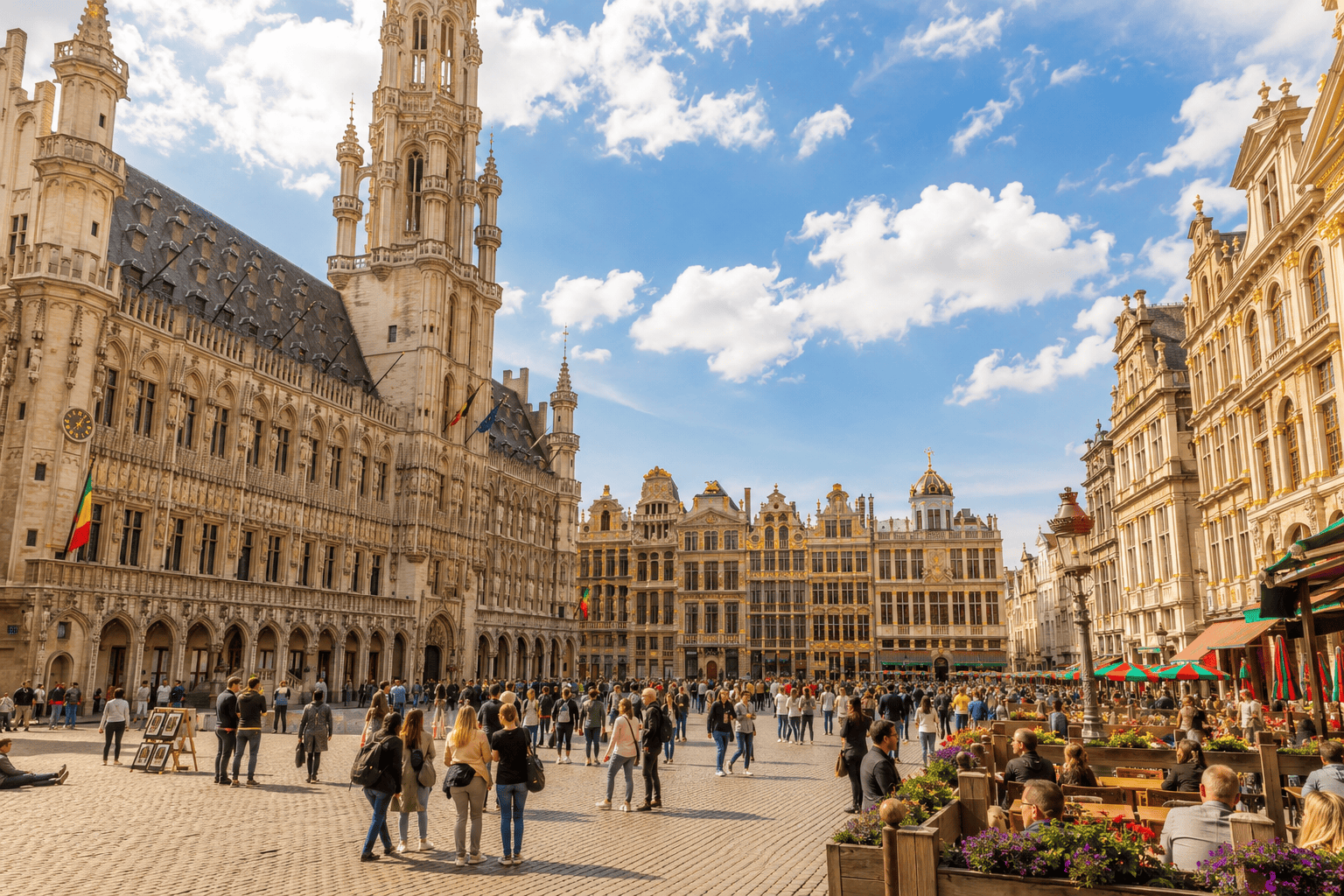
Morning: Grand-Place and Central Brussels
Begin your trip in the historic center around Grand-Place, one of the most famous squares in Europe. Spend the morning getting oriented instead of rushing into museums immediately. Walk through the surrounding streets, browse chocolate shops, and enjoy the slower rhythm of central Brussels.
The first day works best when you focus on understanding the city layout rather than trying to cover every major attraction.
Afternoon: Sablon or Marolles
After lunch, move toward either Sablon or Marolles. Sablon offers elegant streets, antique shops, and cafés, while Marolles feels more local and relaxed. If museums are a priority, combine one cultural stop with a nearby neighborhood walk instead of stacking several indoor attractions together.
Evening: Keep the First Night Simple
Choose dinner near your accommodation or stay in the district you already explored. Brussels rewards slower evenings far more than over-planned schedules.
Transport tip: Most of this day can comfortably be done on foot, with occasional metro or tram rides if needed.
Backup option: If weather changes or energy drops, use the best things to do in Brussels guide to swap in indoor attractions nearby.
Day 2: Museums, the European Quarter, or Parks
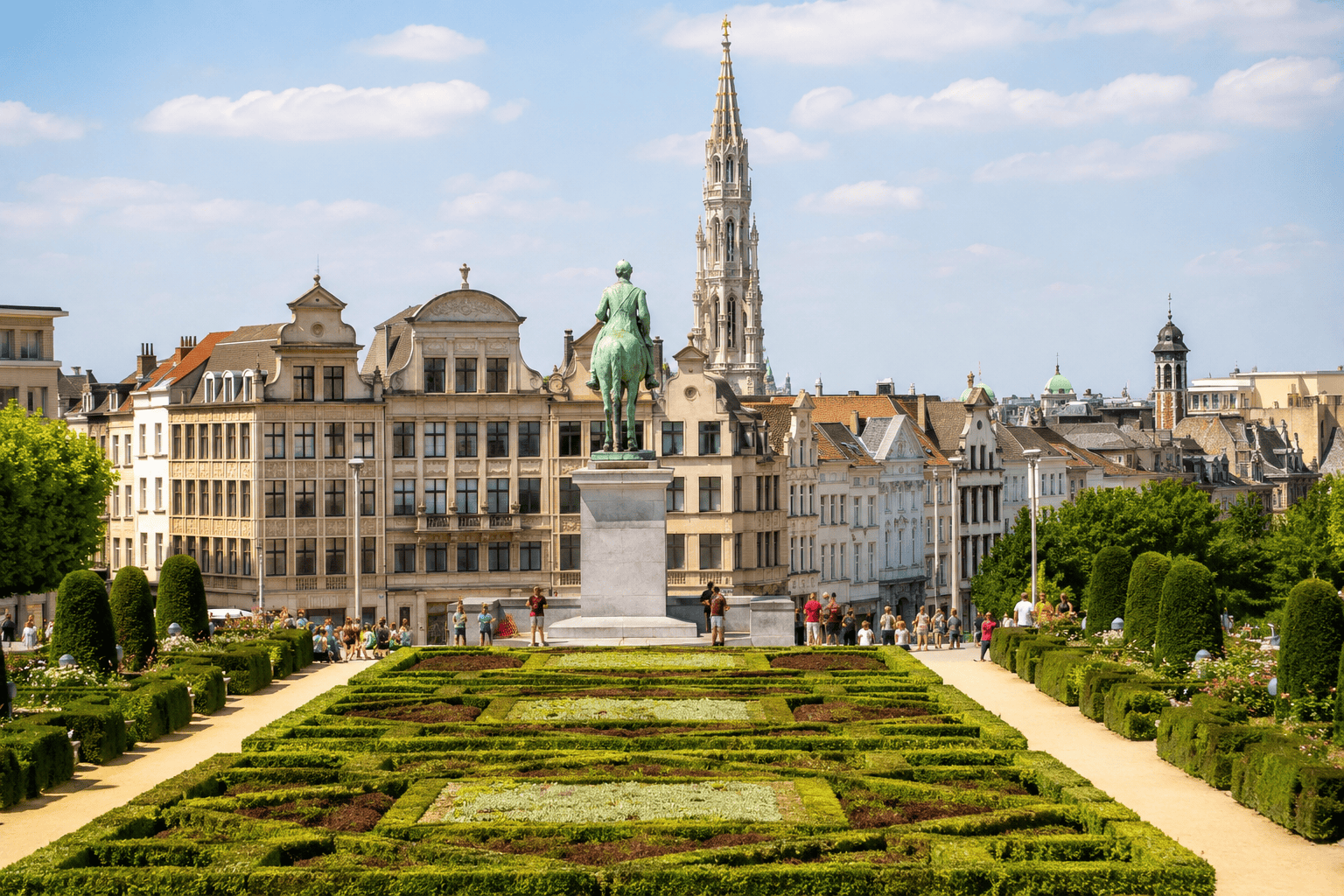
Morning: Choose One Main Theme
Dedicate the second day to the part of Brussels that interests you most. This could mean a museum-focused morning, exploring the European Quarter, or combining cultural sites with nearby parks.
Trying to do several unrelated districts in the same day usually creates unnecessary transport time and fatigue.
Afternoon: Reset With a Neighborhood Block
After a heavier indoor section, spend the afternoon in a more relaxed area with cafés, local shops, or food markets. Brussels becomes far more enjoyable when indoor attractions are balanced with street-level exploration.
Evening: Return Toward Your Base
For dinner, stay relatively close to your hotel or in a familiar district. If you selected accommodation from the where to stay in Brussels guide, moving around the city should feel straightforward rather than exhausting.
Transport tip: Base your route on your hotel location instead of copying generic online itineraries.
Backup option: If queues are too long or museums feel overwhelming, shift to a district-focused afternoon and move larger attractions to day three.
Day 3: Atomium, Markets, or Flexible Exploration
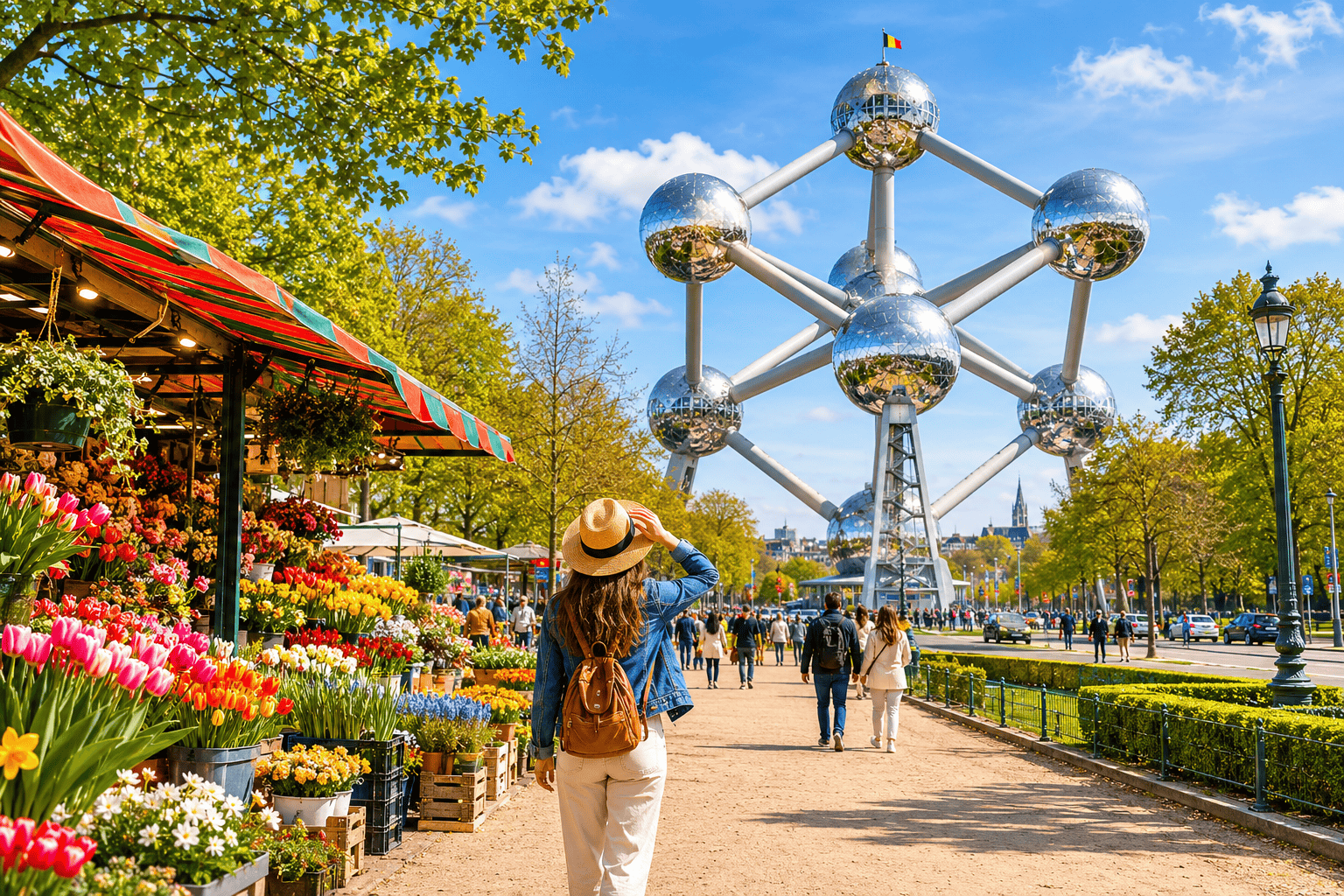
Morning: Visit an Outer-City Highlight
Use the final morning for whichever major experience you have not covered yet. For many travelers, this means visiting Atomium and nearby attractions. Others may prefer another museum, local market, or food-focused district.
The key is to choose one meaningful anchor rather than forcing several disconnected stops into the final day.
Afternoon: Flexible Final Hours
Keep the last afternoon flexible. Brussels often feels most satisfying when you revisit a favorite neighborhood, enjoy relaxed shopping, or spend extra time in a district you particularly liked earlier in the trip.
Evening: End the Trip Smoothly
For your final evening, stay close to your accommodation or favorite area from the trip. One relaxed last night is usually more memorable than squeezing in one final cross-city detour.
Transport tip: Keep the day district-based instead of bouncing across Brussels for small attractions.
Backup option: If weather changes, return to the best things to do in Brussels guide for indoor alternatives.
Choose Your Hotel Before Over-Optimizing the Route
Hotel geography quietly controls the quality of a short Brussels trip. Staying in a strong central district reduces transport stress and makes evenings significantly easier. A well-chosen base allows the city to feel connected and enjoyable instead of fragmented.
Before finalizing attractions, review the where to stay in Brussels guide so the itinerary works naturally with your accommodation.
Booking Tips for a 3-Day Brussels Trip
Prioritize Your Base First
Book accommodation before locking in attraction schedules. The center or a nearby walkable neighborhood usually works best for first-time visitors.
Only Reserve Attractions That Truly Need It
Not every Brussels attraction requires advance booking. Use the best things to do in Brussels guide to decide which attractions deserve timed tickets and which are better kept flexible.
Mistakes to Avoid During 3 Days in Brussels
- Trying to visit every famous district in a single day
- Scheduling equally heavy museum days back-to-back
- Ignoring airport transfer planning and hotel geography
- Assuming the historic center represents the entire city
- Buying transport or attraction passes before understanding your actual itinerary
Frequently Asked Questions
Is 3 days enough for Brussels?
Yes. Three days is generally an ideal length for a first Brussels trip because it allows enough time for the historic center, one or two additional districts, and several major attractions without rushing constantly.
Should I include Atomium in a first Brussels itinerary?
Atomium can work well on a first trip when it is treated as a dedicated part of the day rather than squeezed into an already full schedule.
Where should I stay for a 3-day Brussels trip?
Start with the where to stay in Brussels guide. Central districts or strong adjacent neighborhoods are usually the most convenient for short visits.
Official Brussels Resources
Related Brussels Guides
- Where to stay in Brussels
- Brussels airport to city guide
- Best things to do in Brussels
- Brussels budget guide
- Amsterdam to Brussels route guide
Last verified: 2026-04-18

Mara Vale
Mara Vale writes Eurly travel guides for first-time Europe visitors who want practical routes, realistic pacing, and fewer avoidable planning mistakes.
Eurly guides are written to help readers make confident travel decisions, but opening hours, ticket rules, transit disruptions, and local conditions can change. Always verify key reservations and official schedules before you travel.