
First-time Europe travel guides for a trip you’ll actually remember
First-time Europe travel guides can make trip planning far less overwhelming. Eurly helps you choose destinations, plan routes, and understand costs. The goal is a confident and enjoyable first European journey.

Europe Travel Guides For First-Time Visitors: Start with the European cities first-timers ask about most
Paris and London reward travellers who make a few good decisions early: choose the right base, book the right one or two attractions, and keep each day realistic.

Paris
A classic first Europe stop becomes much easier when you know which sights need planning, which neighbourhoods work best, and how much to fit into each day.
Read the full Paris guide →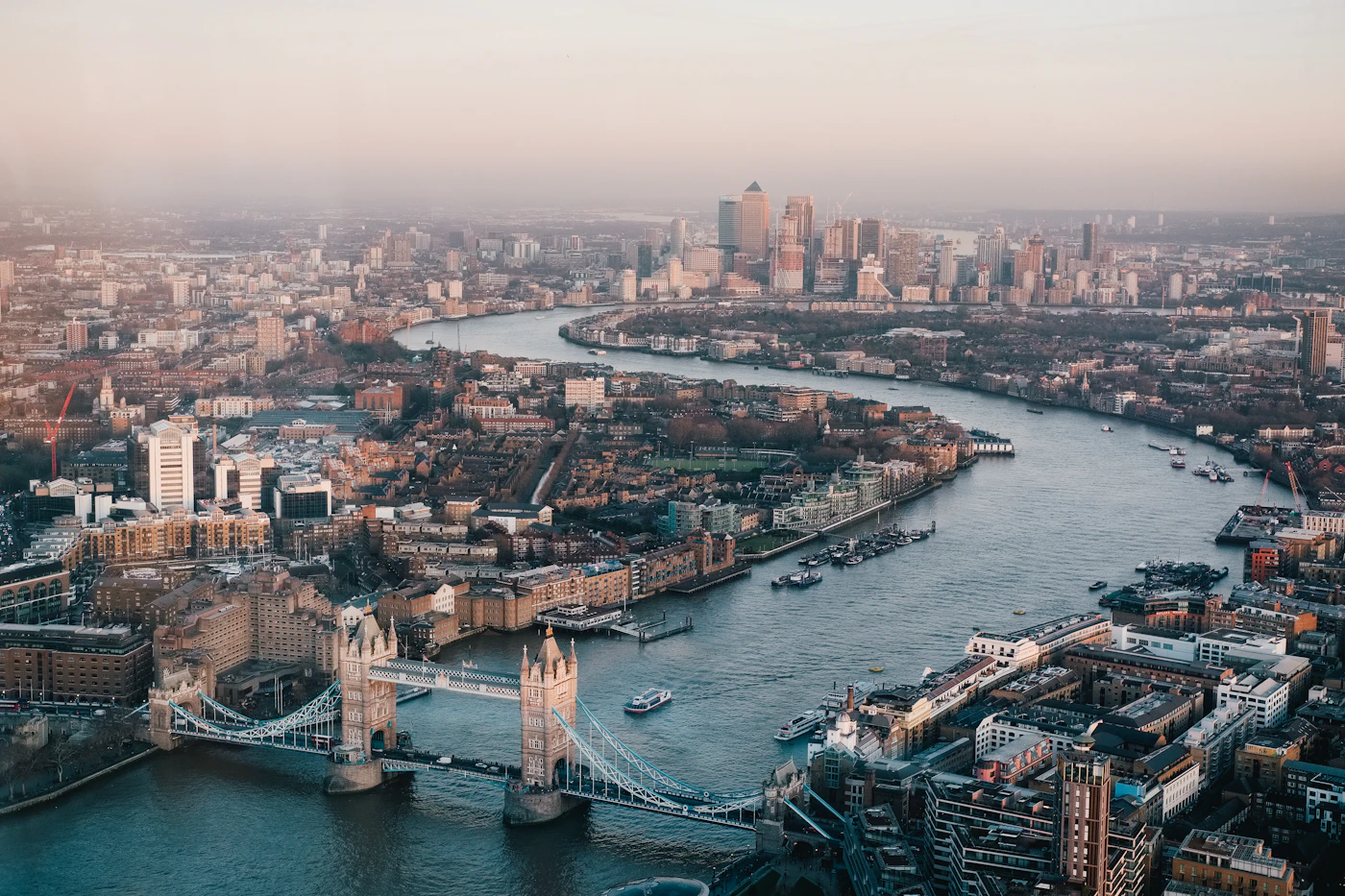
London
London looks enormous on paper, but it becomes far more manageable once you understand the neighbourhoods, transport choices, and realistic sightseeing pace.
Read the full London guide →First-time Europe travel guides: get between cities without losing a day to logistics
Our first-time Europe travel guides compare trains, buses, budget flights, airport time, luggage rules, and the trade-offs that matter when your trip days are limited.
Stuck between two cities? Compare before you book
These side-by-side guides help first-time visitors compare cost, vibe, food, walkability, day trips, and what each city does best.
Europe travel guides made for the trip you are actually taking
Many travel pages try to list everything. First-time Europe travel guides work better when they focus on what travelers need first: where to go, where to stay, what to book ahead, what to skip, how to move between cities, and how to avoid common planning mistakes.
Real itineraries
Followable 3-day and 5-day plans built around neighbourhoods, walking routes, likely queues, and realistic energy levels.
Budget guidance
Clear budget guides help you separate must-pay costs from flexible choices like restaurants, day trips, museum passes, and hotels.
Getting around
Airport transfers, rail routes, walking areas, and transit basics are explained in plain language so you do not waste half a day on logistics.
Where to stay
Neighbourhood breakdowns come before hotel lists, so you can choose the right base before comparing rooms.
What to book ahead
Learn which attractions, trains, and experiences are worth booking early, and which can usually wait until your plans are clearer.
Current planning mindset
Guides are written to be checked and refreshed over time, with practical advice on prices, routes, entry rules, and seasonal pressure points.
First-time Europe travel guides: questions to ask before booking
Use these answers as a starting point, then open the relevant city guide for more detail.
How many days do I need for my first Europe trip?
For one major city, 3 to 4 nights is often enough for a first visit. For two cities, plan enough time for a travel day between them instead of treating the transfer as a full sightseeing day.
Is the train always better than flying between European cities?
No. Trains are often easier on routes such as Paris to London, Paris to Amsterdam, and London to Edinburgh because stations are central. Flights can make more sense on longer routes, especially when you compare total travel time, luggage, and airport transfers.
How much should I budget per day in Europe?
Your daily budget depends on the city, season, accommodation style, and how many paid attractions you choose. Eurly budget guides separate accommodation, food, transport, attractions, and flexible extras so you can estimate your own trip more accurately.
What should I book in advance?
Book limited-capacity attractions, high-demand train routes, and key experiences that would disappoint you if they sold out. Keep lower-priority museums, casual meals, and neighbourhood wandering flexible.
Do these guides work for solo travellers, couples, and families?
Yes. The core planning decisions are similar: pick a sensible base, avoid overloading each day, choose transport carefully, and leave enough time for meals, rest, and unexpected delays.
Start planning with first-time Europe travel guides today
Pick a city, open a guide, and stop panic-scrolling. A first Europe trip should feel like an adventure, not an admin task.
For broader trip-planning context, you can also check additional travel background on Wikivoyage.
You can explore authoritative background and references on Wikipedia.