
This Amsterdam budget guide first time travelers can use helps you avoid costly mistakes without missing the city’s best experiences. With smart planning, you can enjoy more of Amsterdam while keeping your spending under control.
For more on this part of the trip, also see our 5 Days in Amsterdam: A Realistic Itinerary for First-Time Visitors.
Quick Takeaways
Start here: This Amsterdam budget guide first time travelers can use helps you avoid costly mistakes without missing the city’s best experiences.
Planning note: For more on this part of the trip, also see our 5 Days in Amsterdam: A Realistic Itinerary for First-Time Visitors.
For the best results, pair this guide with our where to stay in Amsterdam guide and the Amsterdam 3-day itinerary.
This guide focuses on the spending decisions that have the biggest impact on your travel budget, including hotel location, museum choices, transport habits, and avoiding low-value purchases.
Amsterdam Budget Guide First Time Travelers: Amsterdam Budget Guide: Quick Answer
- Prioritize the right hotel location before paying for luxury upgrades.
- Choose one or two museums you genuinely care about instead of trying to see everything.
- Walk as much as possible to reduce costs and experience more of the city.
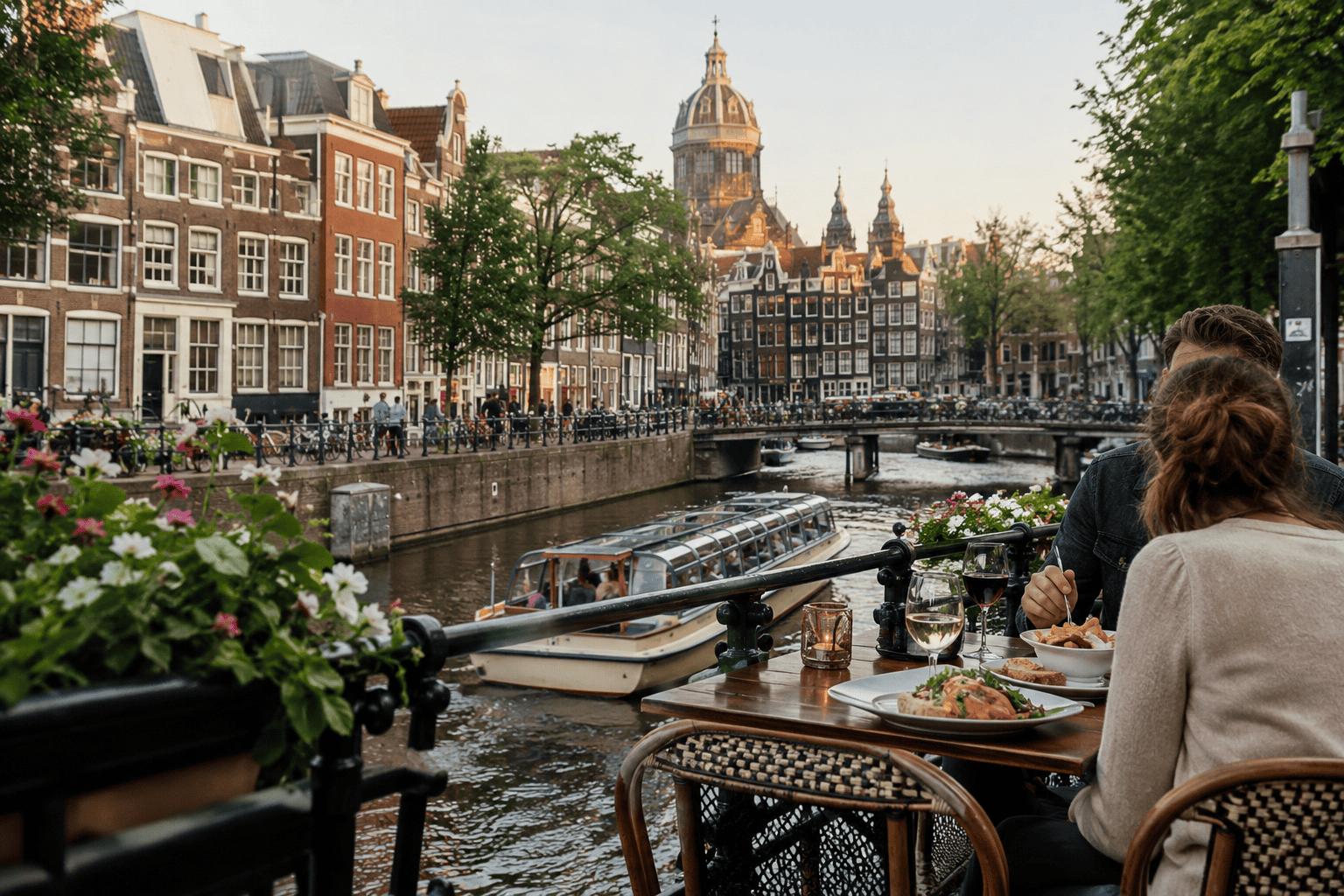
- Avoid turning every meal into a premium canal-view experience.
Where Amsterdam Usually Gets Expensive
- Centrally located hotels
- Canal-view room premiums
- Multiple museum admissions packed into a short stay
- Extra transport caused by poor hotel location choices
- Frequent drinks, snacks, and impulse purchases in tourist-heavy areas
Amsterdam often feels most expensive when the basics are under-planned and travelers spend money later to fix inconvenience or fatigue.
Where to Save Money Without Hurting the Trip
Choose Better Location Over Bigger Rooms
Amsterdam is one of those cities where a smaller but well-located hotel often delivers a much better experience than a larger room far from the center. On a short stay, reducing transport friction matters more than room size. Our where to stay guide explains these tradeoffs in detail.
Limit Museum Overload
You do not need to visit every major museum. One excellent museum day combined with neighborhood exploration usually feels more rewarding than rushing between multiple ticketed attractions.
Walk More
Amsterdam rewards walking more than many large European cities. Keeping your itinerary geographically grouped often improves both the experience and the budget.
Protect Your Arrival Day
A smoother Schiphol airport arrival can prevent expensive last-minute taxi rides, rushed meals, or poor decisions caused by exhaustion.
Where Spending More Actually Helps
The Right Hotel Area
Paying slightly more for a better location can reduce repeated tram rides, long evening walks, and unnecessary stress during the trip.
One Must-Do Museum or Experience
If Rijksmuseum, Anne Frank House, or the Van Gogh Museum is your top priority, spend confidently there and reduce spending elsewhere.
Smoother Late-Night Arrivals
A direct transfer or taxi from Schiphol can be a worthwhile splurge after a late arrival if it protects your first evening and keeps the rest of the trip smoother.
One Memorable Dinner
Amsterdam often rewards one excellent meal more than several overpriced meals chosen mainly for location or tourist appeal.
Hotel Location Strategy
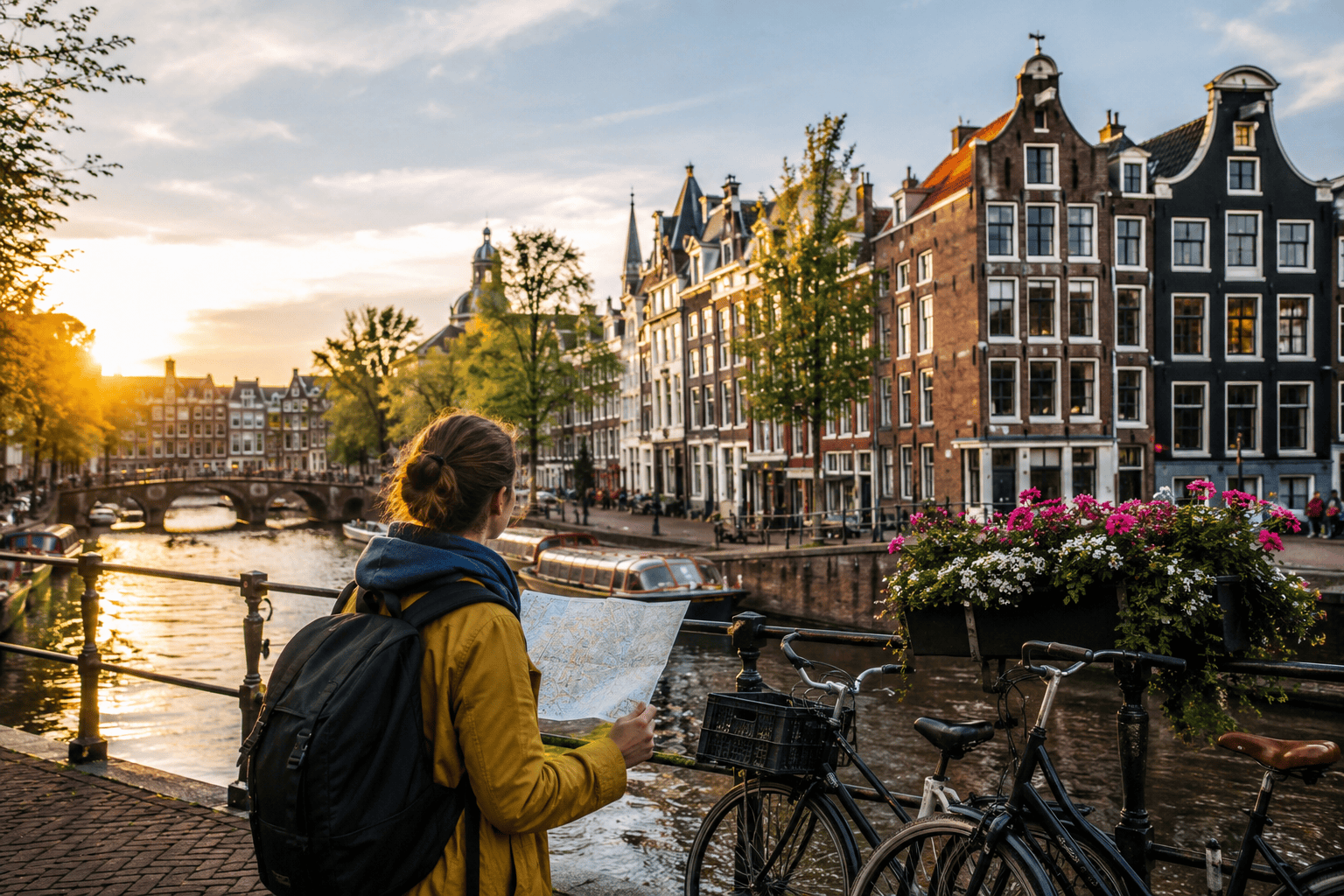
If your hotel base is wrong, the entire trip starts leaking time and money.
- The Canal Belt and Jordaan areas usually cost more because they reduce friction and improve atmosphere.
- The Museum Quarter can offer excellent value for travelers who prefer quieter nights and comfortable access to museums.
- Outer neighborhoods can save money, but only if you genuinely do not mind extra travel time and reduced spontaneity.
This is why it is important to review the where to stay in Amsterdam guide before deciding whether a hotel is truly overpriced.
Museum and Ticket Planning
| Budget Tip | Why It Helps |
|---|---|
| Choose one major museum | Prevents rushed sightseeing and unnecessary ticket spending |
| Book Anne Frank House early | Avoids disappointment and inflated last-minute alternatives |
| Review attractions in advance | Helps separate worthwhile experiences from optional add-ons |
| Only buy city passes when useful | Prevents overspending on transport or attractions you will not use |
Use the Amsterdam things-to-do guide to decide which paid experiences fit your interests and itinerary.
Food and Drink Budget Tips
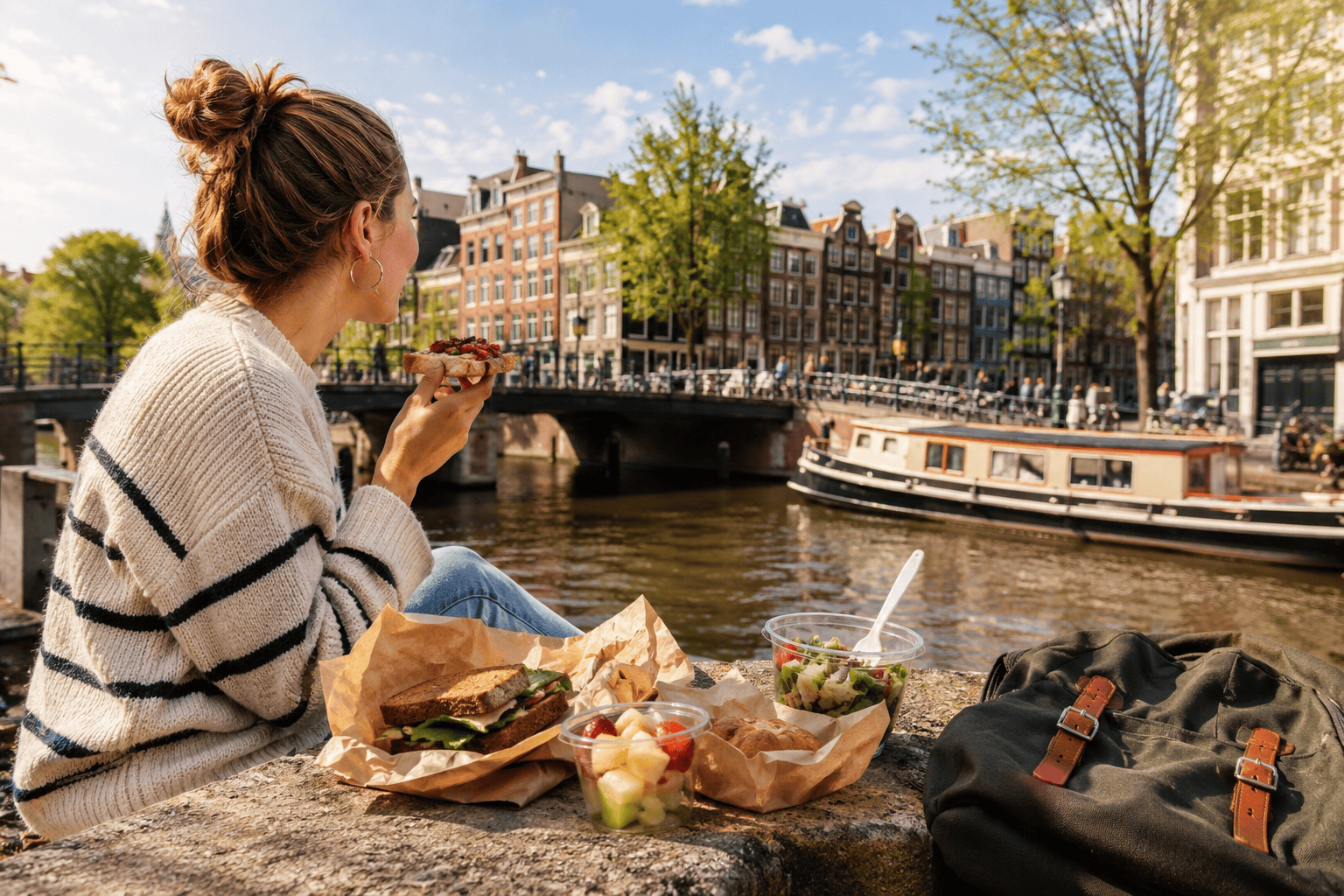
Amsterdam can feel expensive if every stop happens in the most tourist-focused streets. Smart food savings usually come from:
- Avoiding every meal directly beside major canals
- Choosing one standout meal instead of several premium-priced restaurants
- Staying in neighborhoods with stronger local food scenes
- Watching small convenience purchases that accumulate throughout the day
Neighborhoods such as De Pijp and Jordaan often deliver better value and atmosphere than repeatedly paying for the same central canal views.
Transport Spending in Amsterdam
You may need far less transport than expected during a short stay.
- Walking-first itineraries often work best.
- Public transport is useful, but excessive reliance on trams may signal poor itinerary grouping.
- When hotel location, airport arrival, and daily plans align properly, Amsterdam becomes one of the easiest major European cities to enjoy with minimal transport spending.
Common Budget Mistakes
- Choosing a hotel that saves money upfront but creates daily inconvenience.
- Trying to fit too many museums into a short stay.
- Buying transport passes without checking actual travel needs.
- Repeatedly paying premium prices for canal views that can often be enjoyed for free while walking.
- Spending heavily on the wrong part of the trip and feeling restricted later.
A Smarter Amsterdam Spending Philosophy
Amsterdam rewards focused spending more than scattered upgrades. A better hotel base and one meaningful experience usually improve the trip more than multiple smaller splurges. For most first-time visitors, the best Amsterdam budget strategy is not spending as little as possible—it is spending intentionally where it improves the overall trip.
Frequently Asked Questions
Is Amsterdam expensive for a short trip?
It can be, especially because of hotel costs. However, a well-planned short trip often feels much better value than a longer but poorly organized stay.
Where should I save money first in Amsterdam?
Save on room size, excessive museum admissions, and unnecessary transport. Avoid cutting too much on hotel location.
Is a centrally located hotel worth the extra money?
Often yes, especially for first-time visitors on short trips. A better location can reduce transport costs, simplify evenings, and improve the overall flow of the trip.
Official Amsterdam Resources
- GVB transport prices and travel products
- I amsterdam official tourism guide
- Schiphol airport transport information
Related Amsterdam Guides
- Main Amsterdam travel guide
- Where to stay in Amsterdam
- Amsterdam 3-day itinerary
- Amsterdam airport to city guide
- Best things to do in Amsterdam
- Paris vs Amsterdam comparison guide
Last verified: 2026-04-18

Mara Vale
Mara Vale writes Eurly travel guides for first-time Europe visitors who want practical routes, realistic pacing, and fewer avoidable planning mistakes.
Eurly guides are written to help readers make confident travel decisions, but opening hours, ticket rules, transit disruptions, and local conditions can change. Always verify key reservations and official schedules before you travel.