
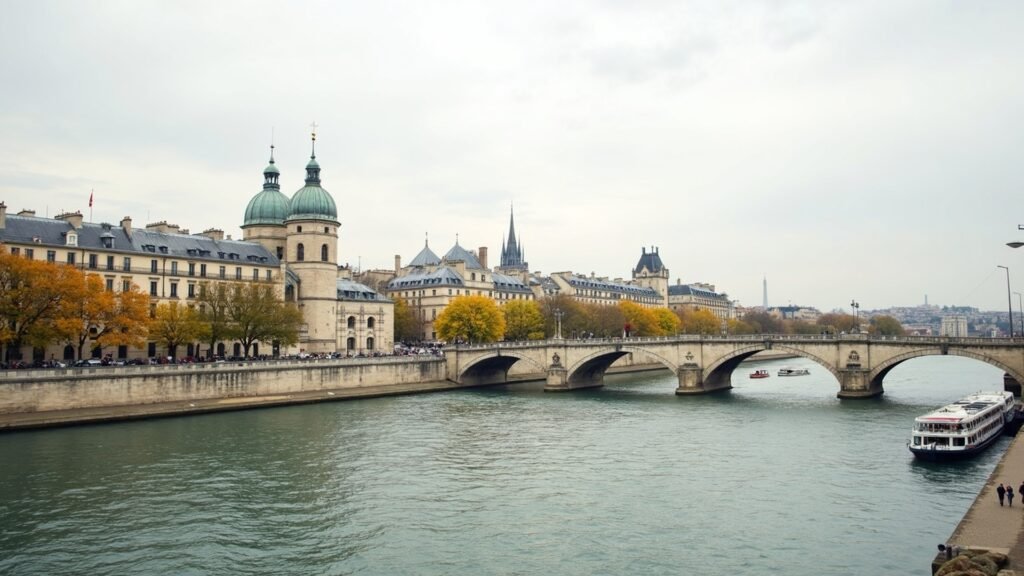
This 3 day Paris itinerary is built for a memorable first visit without rushing. Enjoy major sights, classic neighborhoods, and enough café time to slow down.
The goal is not maximum coverage. It is a smart route that still feels good by the evening of day three, especially if your Paris hotel base and arrival-day transfer are doing some of the work for you.
Quick Takeaways
Start here: This 3 day Paris itinerary is built for a memorable first visit without rushing.
Planning note: The goal is not maximum coverage.
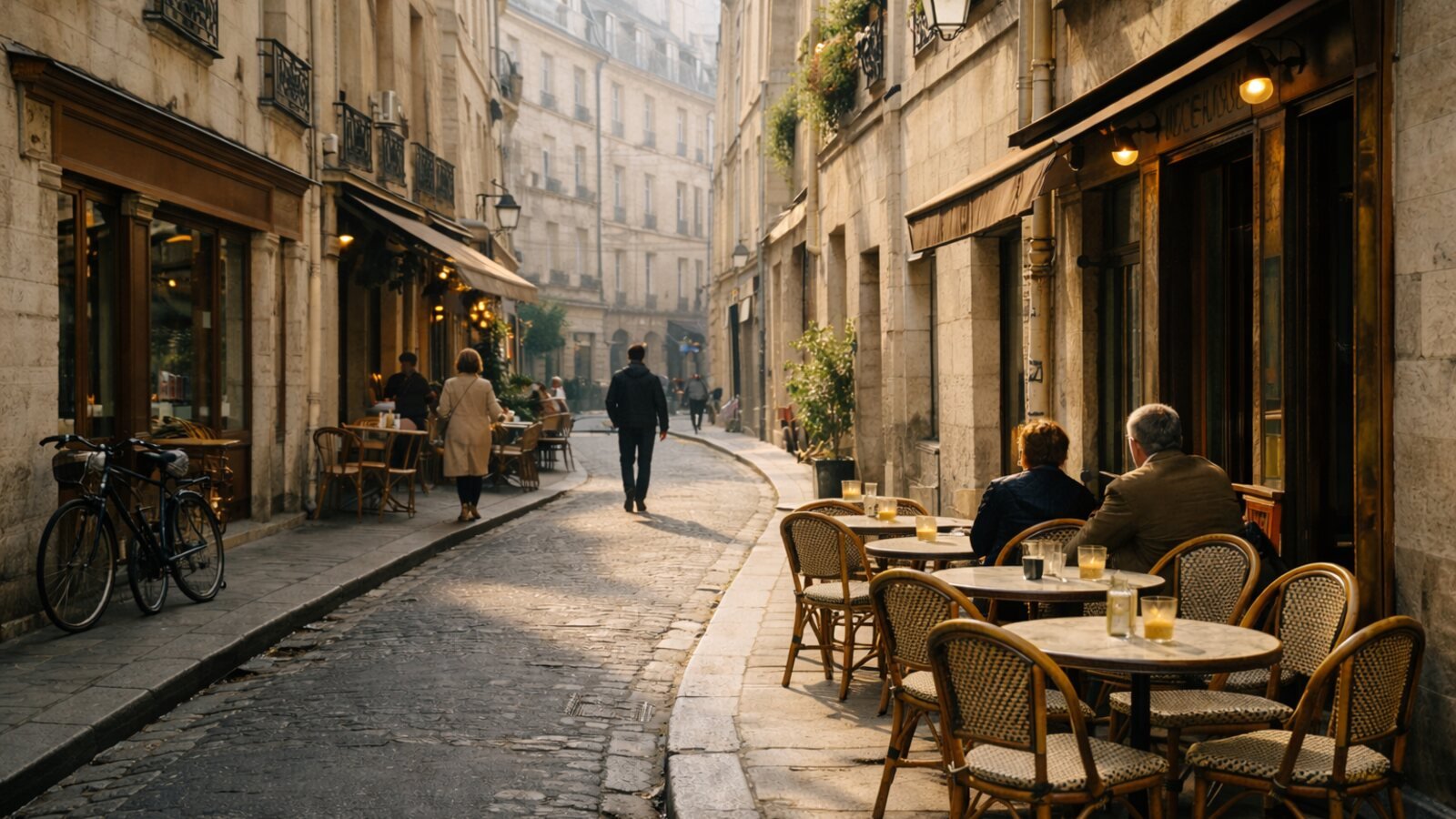
3 Day Paris Itinerary At A Glance
| Day | Focus | Why It Works |
|---|---|---|
| Day 1 | Historic center and easy evening | Lets you settle in without burning too much energy too early. |
| Day 2 | Main museum or landmark day | Puts the highest-friction booking day after you have your bearings. |
| Day 3 | Neighborhood, viewpoint, and flex time | Leaves room for a favorite repeat, weather swap, or calmer finish. |
Quick Facts Before You Start
- Best base: choose your area with our where to stay in Paris guide before locking the hotel.
- Arrival day: if you land that morning, check our Paris airport to city guide and keep day one light.
- Booking strategy: pre-book only the experiences you would truly regret missing.
- Budget check: if museum-heavy days are stressing your spend, skim the Paris budget guide before stacking too many ticketed entries.
What To Reserve Before You Fly
- Your hotel, using our where to stay in Paris guide.
- The one attraction that matters most to you, especially if it is the Eiffel Tower official ticket office, the Louvre official ticket page, or the Musée d’Orsay visitor page.
- Sainte-Chapelle if it is a headline stop for you, via the official Sainte-Chapelle site.
- The Paris Museum Pass official site only if you are planning enough pass-covered sights to make it worthwhile.
Simple Route Logic For 3 Days In Paris
Paris feels much easier when you group the city by area instead of chasing famous names in every direction. A short Paris itinerary works best when each day has one main anchor and nearby supporting stops.
This is also why the right neighborhood from our where to stay in Paris guide can save more time than squeezing in one extra attraction.
3-Day Route
Historic center → landmark day → Montmartre/flex time
Historic center
Museum / landmark
Montmartre
1
2
3
Day 1: Historic Paris And An Easy First Evening
Morning
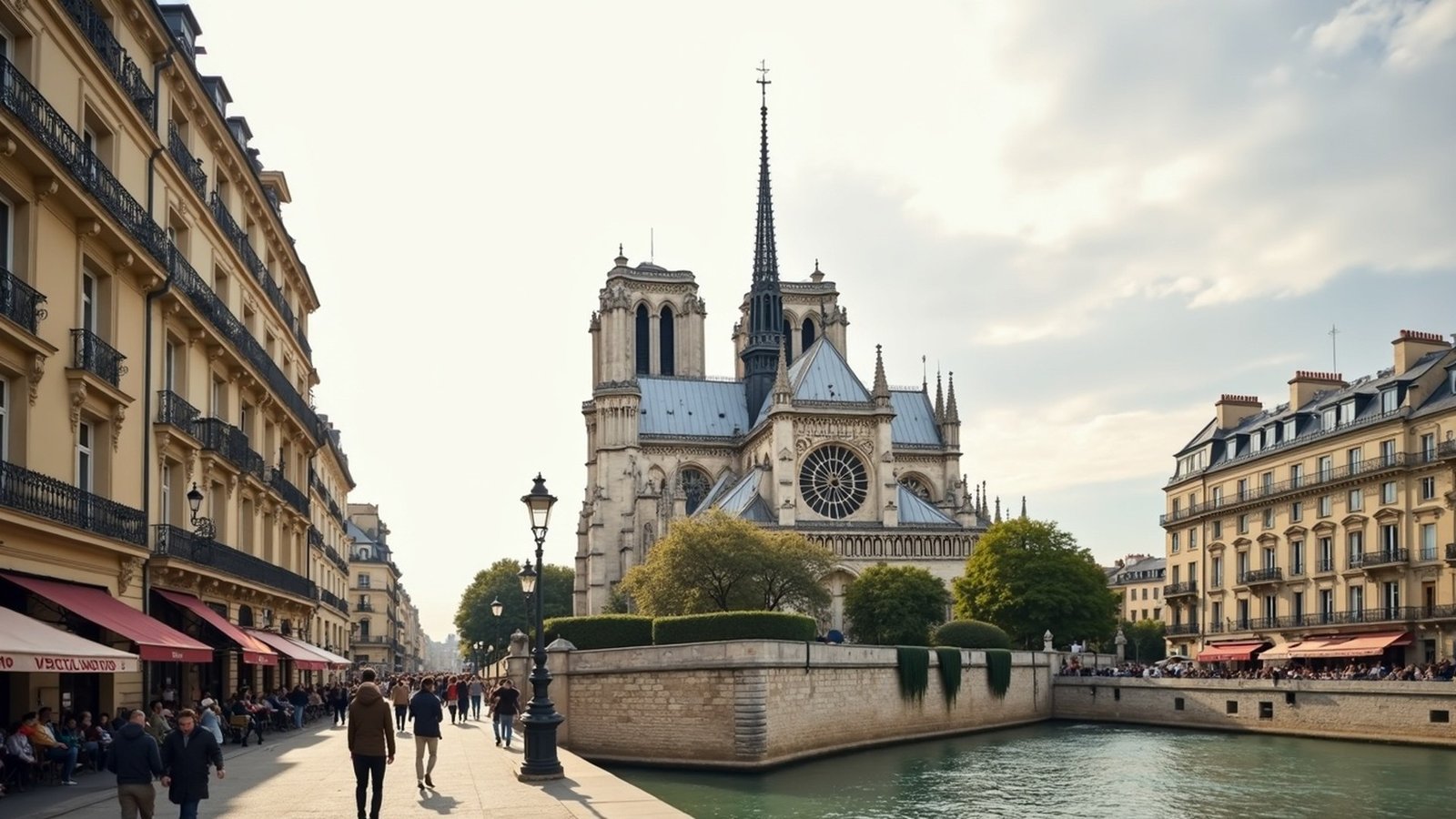
Start with an orientation loop in the historic center, ideally around the Seine, Île de la Cité, or the edge of the Left Bank. This is the day to understand how Paris feels on foot, not the day to sprint between far-apart landmarks.
Afternoon
Choose one anchor attraction or one substantial neighborhood block, such as Le Marais, Saint-Germain-des-Prés, or the area around Notre-Dame and Sainte-Chapelle. Keep lunch and coffee flexible so your first day can absorb jet lag, queues, or a slower hotel start.
Evening
Stay close to your hotel for dinner. A pleasant nearby evening beats a long cross-city trip when your travel energy is still settling.
How To Get Around
Walk first, then use transit only if it meaningfully shortens the day. On day one, simple movement matters more than perfect efficiency.
Backup Plan
If rain or fatigue hits, swap in a covered market, a church stop, or one indoor museum instead of pretending the original route is still fun.
Day 2: Your Main Museum Or Landmark Day
Morning
Use the morning for your highest-priority booked attraction. Day two is usually the best moment for the big-ticket item because you are more oriented but not yet worn down. For most first-timers, that means one of these:
- Eiffel Tower if the classic first-visit feeling matters most.
- Louvre if one major museum is a trip priority.
- Musée d’Orsay if you want a strong museum day with a slightly softer pace.
Afternoon
Build the rest of the afternoon around nearby streets, a second lighter stop, or a viewpoint. The mistake here is adding two more heavy attractions just because you are already out.
If you do the Eiffel Tower in the morning, keep the afternoon nearby. If you do the Louvre or Orsay, keep the rest of the day on the same side of the river and use the things-to-do guide only to pick one lower-friction add-on, not three.
Evening
Keep the evening short and pleasant. If you want one polished dinner or a longer walk, this is a better night for it than day one.
How To Get Around
Cluster the day tightly. Avoid bouncing across the river more than necessary just because the map says something is not too far.
Backup Plan
If your headline attraction timing changes or the queue reality looks worse than expected, pivot to our best things to do in Paris guide and swap in a lower-friction highlight.
Day 3: Montmartre, A Favorite Neighborhood, And Flex Time

Morning
Use day three for the area or experience you would feel silly leaving Paris without doing. By now you know whether you want more museums, more streets, or more atmosphere.
This is the best day for Montmartre, a Left Bank return, or one final museum if the weather or queues shifted your earlier plan. The things-to-do page is useful here because it helps you choose a strong final stop without rebuilding the whole route.
Afternoon
Leave a flex window. That can become a second museum, a longer lunch, a shopping block, or a return to your favorite neighborhood from earlier in the trip.
Evening
Finish close to a place that feels Parisian rather than efficient. On a short trip, the emotional memory of the last evening matters more than squeezing in one extra checkbox.
How To Get Around
Bias toward the simplest route. Day three often improves when you stop trying to prove how much ground you can cover.
Backup Plan
Use this day for a weather-dependent swap if you saved one. That is one reason to leave the last afternoon slightly lighter.
If Day 1 Is Your Arrival Day
If your first day in Paris starts at an airport instead of a café table, cut the ambition in half.
- Keep day one to one neighborhood plus dinner.
- Push the longest queue or biggest museum to day two.
- Use our Paris airport to city guide before arrival day so you are not solving transfers while jet-lagged.
The best Paris itineraries protect your first evening instead of pretending your arrival day is a full sightseeing day.
Choose Your Base Before The Route
This itinerary works best if the hotel location is doing some of the work for you. If you have not booked yet, go back to our where to stay in Paris guide and choose the neighborhood that matches your arrival time and travel style, because Paris punishes weak geography faster than many travelers expect.
Book Ahead Only Where It Counts
- Your hotel.
- The biggest must-do attraction.
- Your arrival-day transport plan if needed.
Everything else can stay looser unless you are traveling in a very busy period. A lighter plan often makes Paris more enjoyable in reality, which is also why the Paris budget guide argues against turning every day into a paid day.
Museum Closures And Pass Reality
- The Louvre is closed on Tuesdays, so do not build your whole Paris plan around a Tuesday Louvre day without checking the official schedule.
- Musée d’Orsay is generally closed on Mondays, so verify your day order on the official visitor page.
- The Paris Museum Pass can help if you are genuinely doing several pass-covered sights, but pass holders may still need timed-entry reservations at some museums. Check the official Paris Museum Pass site and each attraction before assuming the pass removes all friction.
- Mirror ticket sites can be confusing for major Paris attractions, so buy from official websites when possible.
A Pacing Mistake Worth Avoiding
Trying To Turn Paris Into A Museum Marathon
The classic mistake is treating Paris like a checklist. One major anchor plus two smaller wins per day is usually the sweet spot for a 3 day Paris itinerary.
If you stack the Louvre, Eiffel Tower, Sainte-Chapelle, Montmartre, and a long dinner into the same day, the trip may look efficient but feel rushed. Paris rewards breathing room: walking between neighborhoods, stopping for coffee, and letting one planned sight run longer than expected.
Build the itinerary around your highest-priority reservation first, then let the rest of the day stay flexible enough to survive queues, weather, and tired feet.
FAQ
Is 3 days enough for Paris?
Yes, if you define the trip as a strong first visit instead of a complete Paris education. You can see a lot in three days if the geography and pace are realistic.
Should I book every attraction before I arrive?
No. Book only the attractions you care about most. Leave room for neighborhoods, meals, and the kind of detours that often become the best part of Paris.
What if I actually have 5 days in Paris?
Use our Paris 5-day itinerary instead. Five days lets you separate the big classic sights more intelligently and add one deeper day without turning the trip into a scramble.
Which area works best for this itinerary?
Le Marais and Saint-Germain-des-Prés are the easiest fits for a short first trip, but the right answer still depends on arrival time, budget, and how much walking you want.
Official Paris Resources
- Paris Tourist Office
- RATP official transport site
- Louvre official tickets and prices
- Musée d’Orsay visit page
- Eiffel Tower official ticket office
- Sainte-Chapelle official site
Next Reads
- Start with the main Paris travel guide
- Choose a better hotel base in our where to stay in Paris guide
- Use our 5-day Paris itinerary if you want the longer version
- Plan arrival timing with our Paris airport to city guide
- Pick your must-do list in our best things to do in Paris guide
- Control tradeoffs with our Paris budget guide
- Plan onward travel with our Paris to Amsterdam route guide
- Compare England transfer logic in our Paris to London route guide
- Pair Paris with the Riviera using our Paris to Nice route guide
Last verified: 2026-05-24

Mara Vale
Mara Vale writes Eurly travel guides for first-time Europe visitors who want practical routes, realistic pacing, and fewer avoidable planning mistakes.
Her Paris advice focuses on neighborhood geography, timed-entry friction, transport choices, and the difference between a beautiful itinerary on paper and a trip that still feels good while you are walking it.
Eurly guides are written to help readers make confident travel decisions, but opening hours, ticket rules, transit disruptions, and local conditions can change. Always verify key reservations and official schedules before you travel.