
Rome Travel Guide For First Time Visitors: Rome Travel Guide: Quick Start
This Rome travel guide for first time visitors helps you prepare for a more enjoyable experience. Planning ahead is especially important for major attractions. With the right approach, you can avoid common mistakes and make the most of your time in Rome.
The good news is that much of Rome outside those major sights is walkable and often free to enjoy. The historic centre, around the Tiber, Colosseum, Pantheon, Campo de’ Fiori, and Spanish Steps, is compact enough to explore on foot. The streets are ancient and irregular, so visitors often navigate by landmarks rather than a neat grid.
First-time visitors should also understand that Rome runs on its own rhythm. Some churches close around midday and reopen later in the afternoon, while smaller museums, shops, and restaurants may observe a riposo break. Build flexibility into your itinerary and avoid packing every afternoon with timed reservations.
Comfortable walking shoes are essential. Rome’s sampietrini, the black basalt cobblestones found across the historic centre, are uneven and can become slippery when wet.
For more on this part of the trip, also see our 3 Days in Rome: A Realistic Itinerary for First-Time Visitors and 5 Days in Rome: A Realistic Itinerary for First-Time Visitors.
How Many Days in Rome Is Enough?
Three days is the realistic minimum for a first visit if you want to see the major highlights without rushing. Day one works well for Ancient Rome, including the Colosseum, Roman Forum, and Palatine Hill. Day two is best for the Vatican Museums, Sistine Chapel, and St Peter’s Basilica. Day three can focus on the historic centre, including the Pantheon, Trevi Fountain, Piazza Navona, Campo de’ Fiori, and Trastevere.
Four days gives the trip a much better pace. With an extra day, you can visit the Borghese Gallery, explore Testaccio’s food scene, or spend time in quieter neighbourhoods such as Prati or the Aventine Hill. For most first-time visitors, four days is the sweet spot.
Five days or more opens the door to day trips. Ostia Antica, Rome’s ancient port city, is reachable by regional train and offers impressive Roman ruins without the crowds of Pompeii. Tivoli is another popular option for Villa d’Este and Hadrian’s Villa.
If you only have one day in Rome, prioritise the Colosseum early in the morning, then spend the afternoon walking through the historic centre from the Pantheon to the Trevi Fountain and Spanish Steps.
Best Areas to Stay in Rome
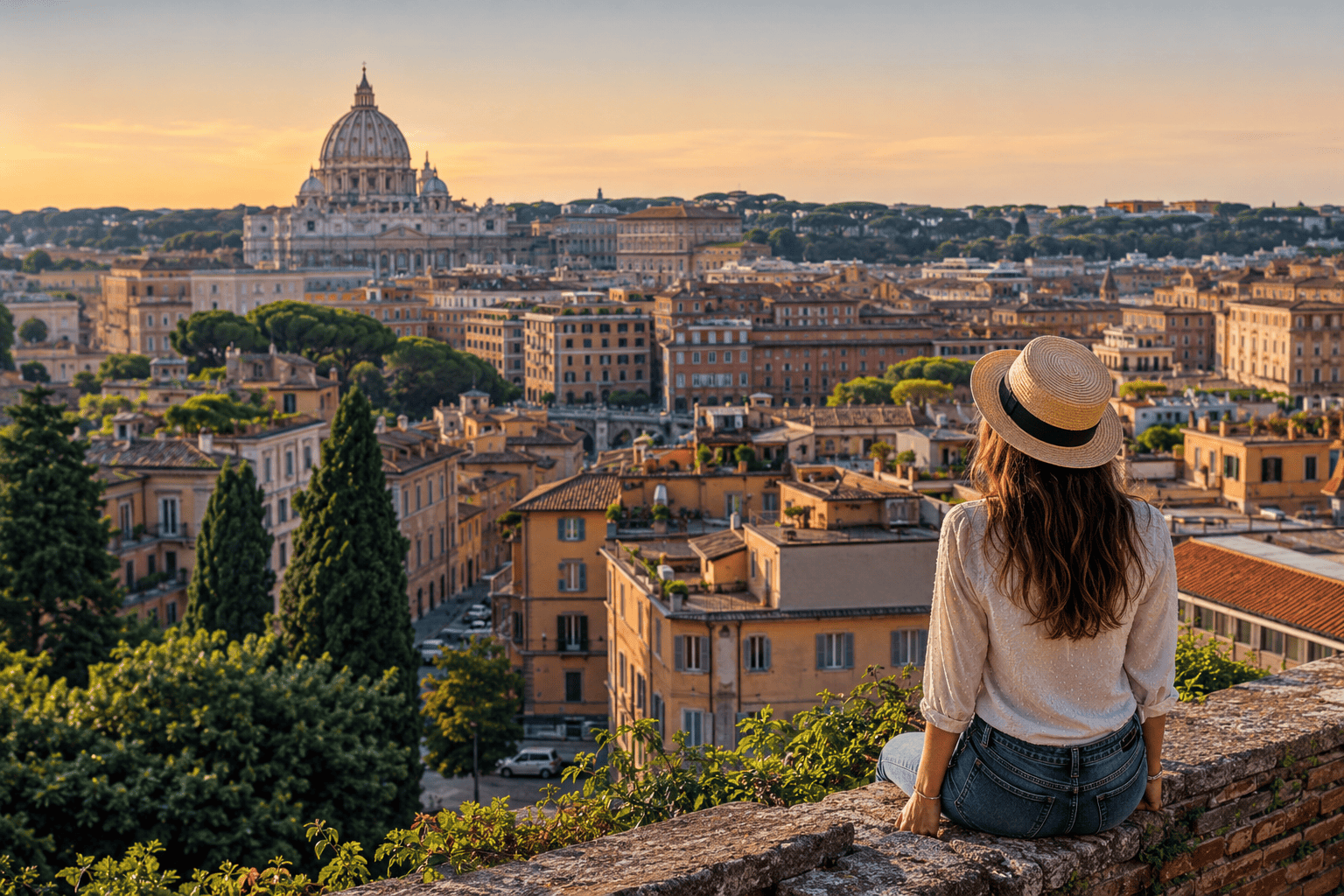
Where you stay in Rome shapes the entire trip. The city is large, public transport coverage is limited in the historic core, and choosing the right neighbourhood can save time every day.
| Neighbourhood | Best For | Typical Mid-Range Cost | Highlights |
|---|---|---|---|
| Centro Storico | First-time visitors wanting maximum convenience | €140–220/night | Walkable to major sights, lively atmosphere |
| Trastevere | Atmosphere and food | €110–180/night | Cobblestone streets, restaurants, nightlife |
| Prati | Value and quieter stays | €100–160/night | Near the Vatican, residential feel |
| Termini | Budget travellers | €70–110/night | Excellent transport connections |
Centro Storico is the most convenient location, but it is also the busiest and often the most expensive. Trastevere offers the strongest atmosphere for visitors who enjoy restaurants and evening walks. Prati is quieter, practical, and good value for first-time visitors. The Termini area works best for travellers who prioritise budget and transport access over charm.
What to Book Before You Arrive
Book the most in-demand attractions before you arrive, especially if you are visiting between spring and autumn. Advance booking reduces the risk of long queues, sold-out time slots, or last-minute reseller prices.
- Colosseum, Roman Forum, and Palatine Hill: Choose a combo ticket with timed Colosseum entry.
- Vatican Museums and Sistine Chapel: Book online in advance to avoid long ticket lines during peak periods.
- Borghese Gallery: Reserve a timed entry slot because visitor numbers are limited.
Other attractions, including the Pantheon, Castel Sant’Angelo, and Capitoline Museums, are usually more manageable with same-day or short-notice booking, but availability can still vary by season.
Getting Around Rome
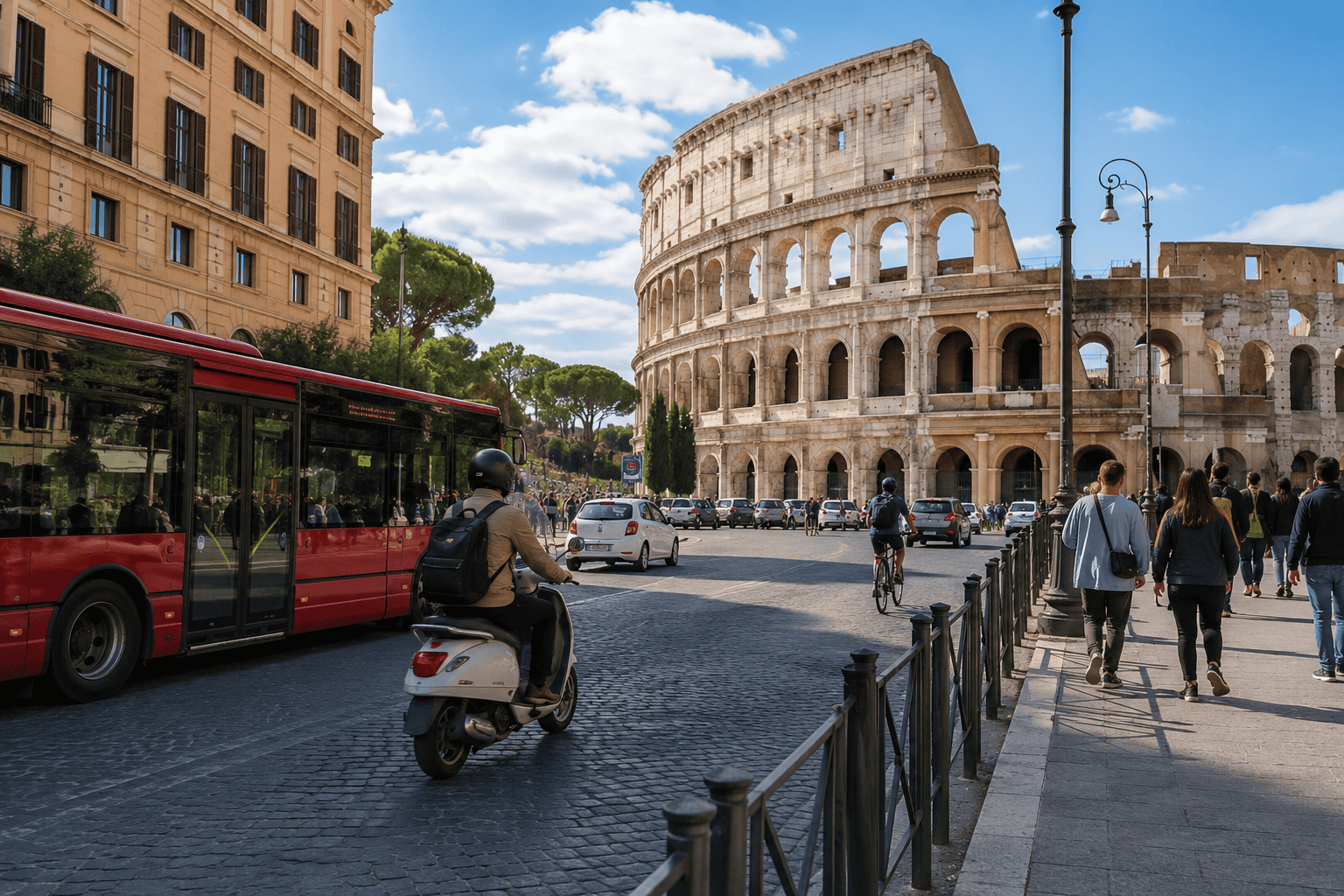
The Rome Metro is limited but useful. Line A serves areas including the Vatican and Spanish Steps, while Line B connects Termini Station with the Colosseum. Much of the historic centre has no metro coverage, so walking remains the easiest way to move between many major sights.
Distances between landmarks are often shorter than they look on a map. Walking from one square, fountain, or church to the next is also one of the best ways to experience Rome.
| Transport Option | Cost | Notes |
|---|---|---|
| Single transit ticket | €1.50 | Valid for 75 minutes on metro, bus, and tram |
| 24-hour pass | €7 | Useful for heavy sightseeing days |
| 48-hour pass | €12.50 | Good for short stays |
| 7-day pass | €24 | Best value for longer visits |
Taxis are metered, and official fixed airport fares may apply between central Rome and the airports. Confirm the current fare before travelling, especially if your hotel is outside the defined central fare zone.
Essential Rome Travel Tips
Churches in Rome often enforce dress codes. Shoulders and knees should be covered for entry into major religious sites, including St Peter’s Basilica.
Many smaller businesses and restaurants take an afternoon break, often between lunch and early evening. Plan meals carefully if you prefer to eat outside standard lunch and dinner hours.
Rome’s public drinking fountains, known as nasoni, provide free drinking water throughout the city. Carrying a reusable water bottle can save money during your trip.
Pickpocketing is the main safety concern in crowded tourist areas and on public transport. Keep bags zipped, avoid storing valuables in back pockets, and stay alert around major landmarks and busy stations.
Build Your Rome Itinerary Around Your Interests
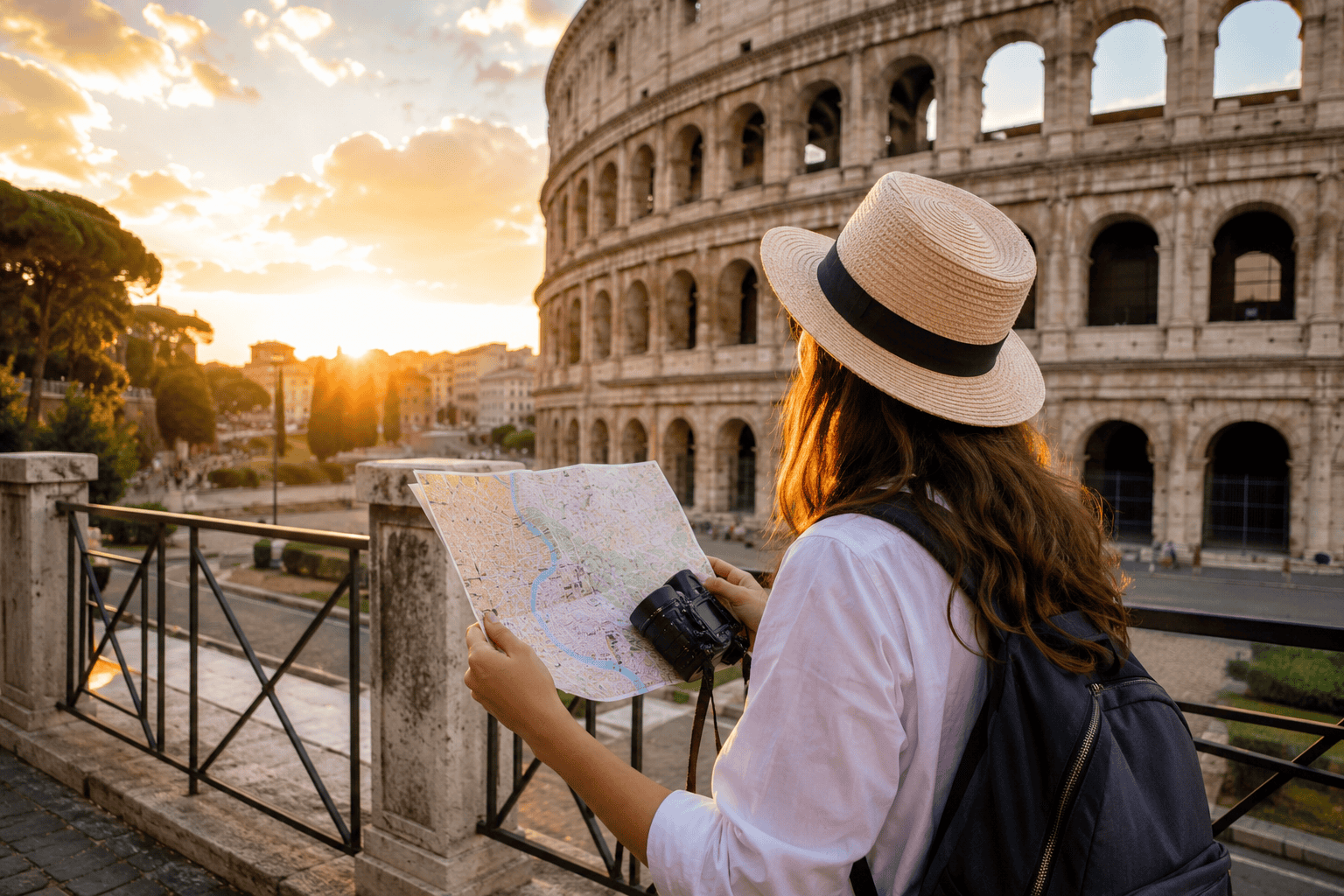
Rome rewards travellers who shape their itinerary around their interests instead of trying to see everything in one trip.
History-focused visitors should prioritise Ancient Rome sites, the Capitoline Museums, and a possible day trip to Ostia Antica.
Art lovers will find major collections at the Vatican Museums, Borghese Gallery, and Galleria Doria Pamphilj. Bernini’s sculptures and fountains are among the city’s defining artistic highlights.
Food-focused travellers should spend time in Testaccio and Trastevere, where traditional Roman dishes such as cacio e pepe, supplì, and coda alla vaccinara remain central to local dining culture.
FAQ About Visiting Rome
Is Rome safe for tourists?
Rome is generally safe for visitors. Pickpocketing around tourist attractions, stations, and the Metro is the most common issue.
How expensive is Rome?
Budget travellers can manage on a modest daily budget by choosing simple accommodation, casual meals, and free sights. Mid-range travellers should expect higher costs once accommodation, meals, transport, and paid attractions are included.
Do I need to book Rome attractions in advance?
Yes. The Colosseum, Vatican Museums, and Borghese Gallery should be booked in advance during busy travel periods.
What is the best neighbourhood for first-time visitors?
Prati and Trastevere are excellent choices for many first-time visitors. Centro Storico is the most central option, but it is usually more expensive and busier.
Is Rome walkable?
Yes. The historic centre is very walkable, although comfortable shoes are essential because many streets have uneven cobblestones.
Final Thoughts on This Rome Travel Guide
A successful first trip to Rome depends on a simple plan: book the major sights early, choose a convenient neighbourhood, walk whenever possible, and leave room for slow wandering. With the right preparation, Rome becomes much easier to enjoy on a first visit.
For more destination comparisons and trip ideas, browse more travel guides on this site.
For broader trip-planning context, you can also check additional travel background on Wikivoyage.
You can explore authoritative background and references on Wikipedia.
Last verified: 2026-04-27

Mara Vale
Mara Vale writes Eurly travel guides for first-time Europe visitors who want practical routes, realistic pacing, and fewer avoidable planning mistakes.
Eurly guides are written to help readers make confident travel decisions, but opening hours, ticket rules, transit disruptions, and local conditions can change. Always verify key reservations and official schedules before you travel.