
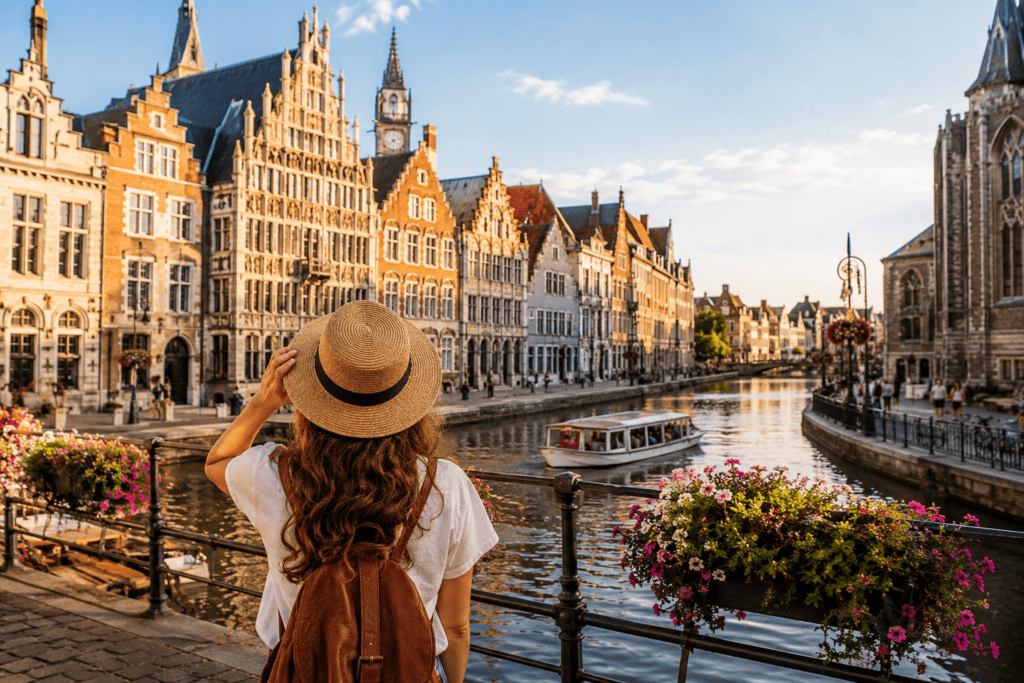
The Europe travel blog for first-time visitors is a practical planning hub for readers who know they want Europe, but still need help choosing cities, pacing an itinerary, booking transport, and avoiding common first-trip mistakes.
Use this page as a starting point rather than a generic inspiration feed. It points you toward Eurly guides that answer concrete questions: which city should come first, how many days are realistic, when trains beat flights, and which decisions matter before you book.
Europe Travel Blog at a Glance
- Best for: first-time Europe travelers building a realistic city, route, or country plan.
- Start here if: you are comparing destinations, choosing a first route, or deciding how much to fit into one trip.
- Most useful topics: city comparisons, first-time itineraries, train routes, airport transfers, budgets, and where-to-stay guides.
- Main planning rule: choose fewer bases, protect arrival days, and build travel time into the itinerary before adding extra sights.
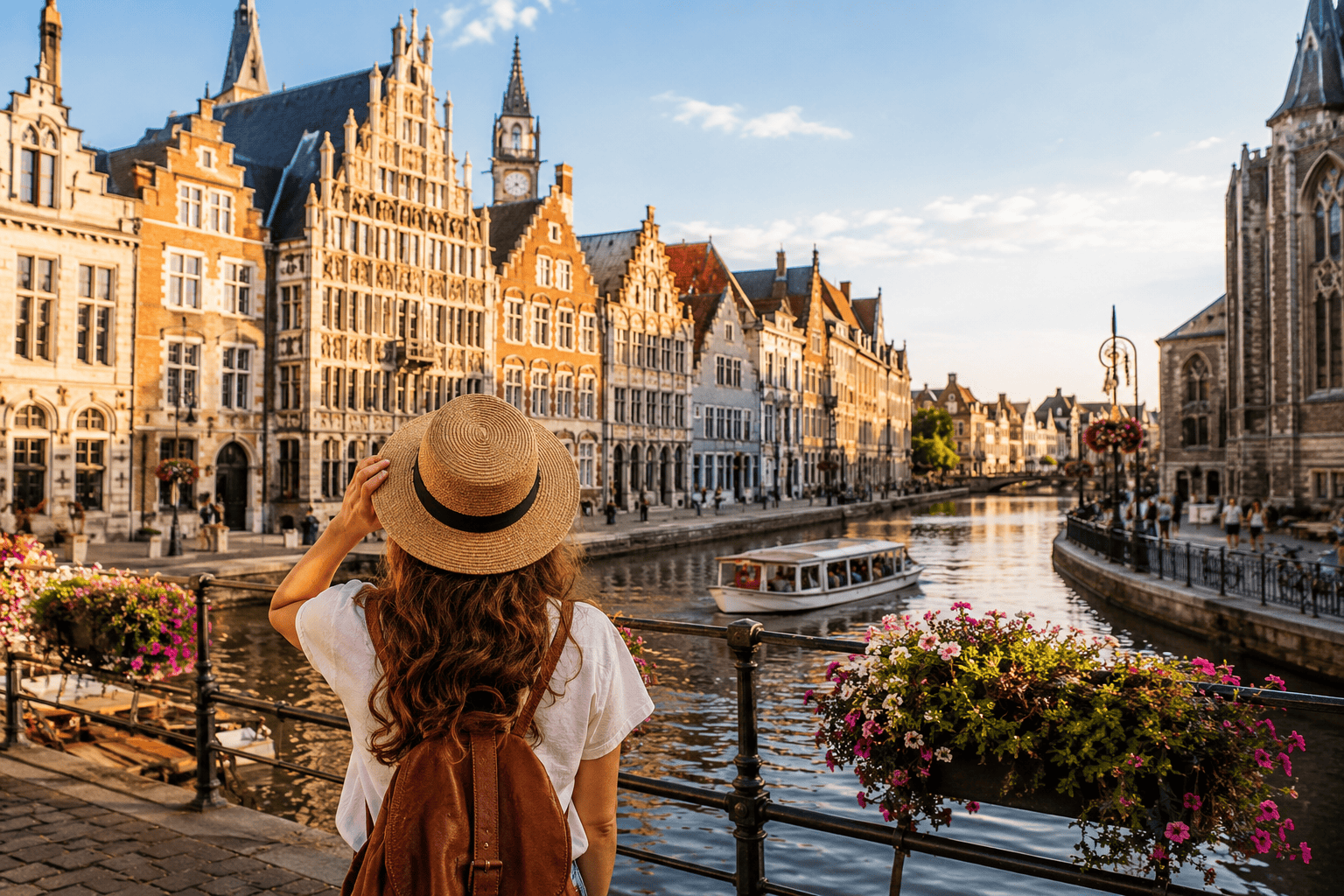
How to Use This Europe Travel Blog
If you are early in planning, start with destination choice and route shape. A first Europe trip usually works better when you choose two or three strong bases instead of trying to connect every famous city in one loop.
If your flights are already booked, use the blog to solve practical gaps: where to stay, how to transfer from the airport, which day trips are worth the effort, and whether a train, flight, bus, or car makes sense for each move.
For broader planning context, begin with the Eurly Europe travel guide hub, then move into city guides, route guides, and comparison articles once your trip has a clearer shape.
Best Europe Trip Planning Topics
The strongest Eurly articles focus on decisions that affect the whole trip, not just lists of sights. These are the areas that usually improve a first-time itinerary most:
- City choice: deciding whether Paris, Amsterdam, London, Rome, Prague, Vienna, Lisbon, or Barcelona fits your travel style.
- Route design: connecting cities in an order that avoids backtracking and protects enough time on arrival days.
- Transport: choosing trains for central city-to-city journeys and flights only when distance or geography justifies the airport time.
- Accommodation: choosing neighborhoods that reduce transit friction, especially on short trips.
- Budget: spotting where money goes fastest, such as central hotels, attraction tickets, airport transfers, and peak-season trains.
When you are comparing destinations, use practical tradeoffs instead of asking which place is universally better. Amsterdam may be easier for a short first trip, Paris may be stronger for landmarks and museums, and Rome may suit travelers who want history, food, and walkable neighborhoods in one base.
| Planning question | Helpful Eurly guide |
|---|---|
| Which major city should I visit first? | Paris vs Amsterdam, Paris vs London, or Paris vs Rome |
| How should I connect cities? | Paris to Amsterdam, Paris to London, and Vienna to Budapest |
| Where should I stay? | Where to stay in Paris, Where to stay in Amsterdam, and Where to stay in Rome |
| How do I plan a city break? | 3 days in Paris, 3 days in Lisbon, and 3 days in Prague |
| How do I avoid expensive mistakes? | Amsterdam budget guide, Rome budget guide, and Vienna budget guide |
Popular First-Time Europe Routes
Most first Europe itineraries become easier when you plan around a few route families. A western route might connect London, Paris, Amsterdam, and Belgium. A southern route might focus on Spain, Portugal, Italy, or the French Riviera. A central route can work well around Prague, Vienna, Budapest, Berlin, or Munich.
Route guides are especially useful because they include the hidden time costs: station access, airport transfers, luggage friction, arrival fatigue, and whether a route leaves enough daylight for sightseeing. For example, the Paris to Amsterdam guide is more useful than simply comparing train and flight prices, because it explains which option actually fits a short trip.
If you have 7 days, choose one region or two strong bases. If you have 10 to 14 days, you can usually add a third base without making the trip feel like a logistics project. Multi-country trips work best when the cities are connected by simple rail corridors.
Europe Trip Planning Tips
- Put your arrival city and departure city on the map before adding any day trips.
- Count hotel changes as half-day events, even when the train ride looks short.
- Book high-demand museums, trains, and city-center hotels earlier than casual restaurants.
- Use neighborhood guides before booking accommodation; a cheap hotel far from your plans can cost time and energy.
- Keep the first evening flexible. Jet lag, delayed luggage, and late check-in can wreck a packed arrival plan.
City Comparisons and Decision Guides
City comparison articles are useful when two destinations both look right on paper. A good comparison should go beyond landmarks and ask how the trip feels in practice: cost, transit, food, nightlife, walking distances, museum density, weather, and how much advance booking the city requires.
Use comparison guides when you are choosing the first city of a trip, deciding whether to split time evenly, or replacing one destination with another. If your trip is short, choosing the city that fits your pace can matter more than choosing the city with the longer list of famous sights.
The blog also supports travelers who already know their destination. Once a city is selected, move from comparison content into practical city pages such as Paris for first-time visitors, Amsterdam for first-time visitors, Rome for first-time visitors, or Portugal travel guide.
Latest Europe Travel Articles and Full Archive
To continue from this planning hub into every newly published Eurly article, use the Europe Travel Blog archive. That archive keeps WordPress pagination live, so readers and crawlers can move from the first archive page to older article pages.
- Use this page for evergreen first-time Europe planning and destination decisions.
- Use the archive for the full chronological article feed, including newer posts and older paginated results.
- Traversal path: homepage and menu links lead here, this page links to the archive, and the archive links onward through its paginated pages.
Europe Travel Blog FAQ
What is the best way to use a Europe travel blog for a first trip?
Use it to make decisions before you book: which cities fit your style, how many bases are realistic, and which transport choices reduce stress. After that, use destination guides for neighborhoods, sights, day trips, and airport transfers.
How many countries should first-time visitors include in one Europe trip?
For a 7-day trip, one country or two nearby cities is usually enough. For 10 to 14 days, two or three bases can work if the route is simple and travel days are protected.
Are trains always better than flights in Europe?
No. Trains are often better between major nearby cities because stations are central and boarding is faster. Flights can still make sense for longer distances, islands, or routes without good rail connections.
When should I start booking a first Europe trip?
Book flights and key hotels once your route is stable. Then reserve high-demand trains, museums, and tours based on season, city, and how fixed your dates are.
Next Reads
- Europe Travel Blog Archive
- Europe Travel Guides for First-Time Visitors
- Paris vs Amsterdam: Which Is Better for Your First Europe Trip?
- Paris to Amsterdam Travel Guide
- 3-Day Paris Itinerary
- Portugal Travel Guide
Last verified: 2026-06-20

Mara Vale
Mara Vale writes Eurly travel guides for first-time Europe visitors who want practical routes, realistic pacing, and fewer avoidable planning mistakes.
Eurly guides are written to help readers make confident travel decisions, but opening hours, ticket rules, transit disruptions, and local conditions can change. Always verify key reservations and official schedules before you travel.