
This Rome budget guide breaks down realistic daily costs for travellers, from backpacker basics to a comfortable mid-range trip. Rome is usually cheaper than Paris, London, Amsterdam, or Zurich. It is often pricier than Lisbon, Porto, or many Eastern European destinations.
Rome Budget Guide: Quick Daily Cost Summary
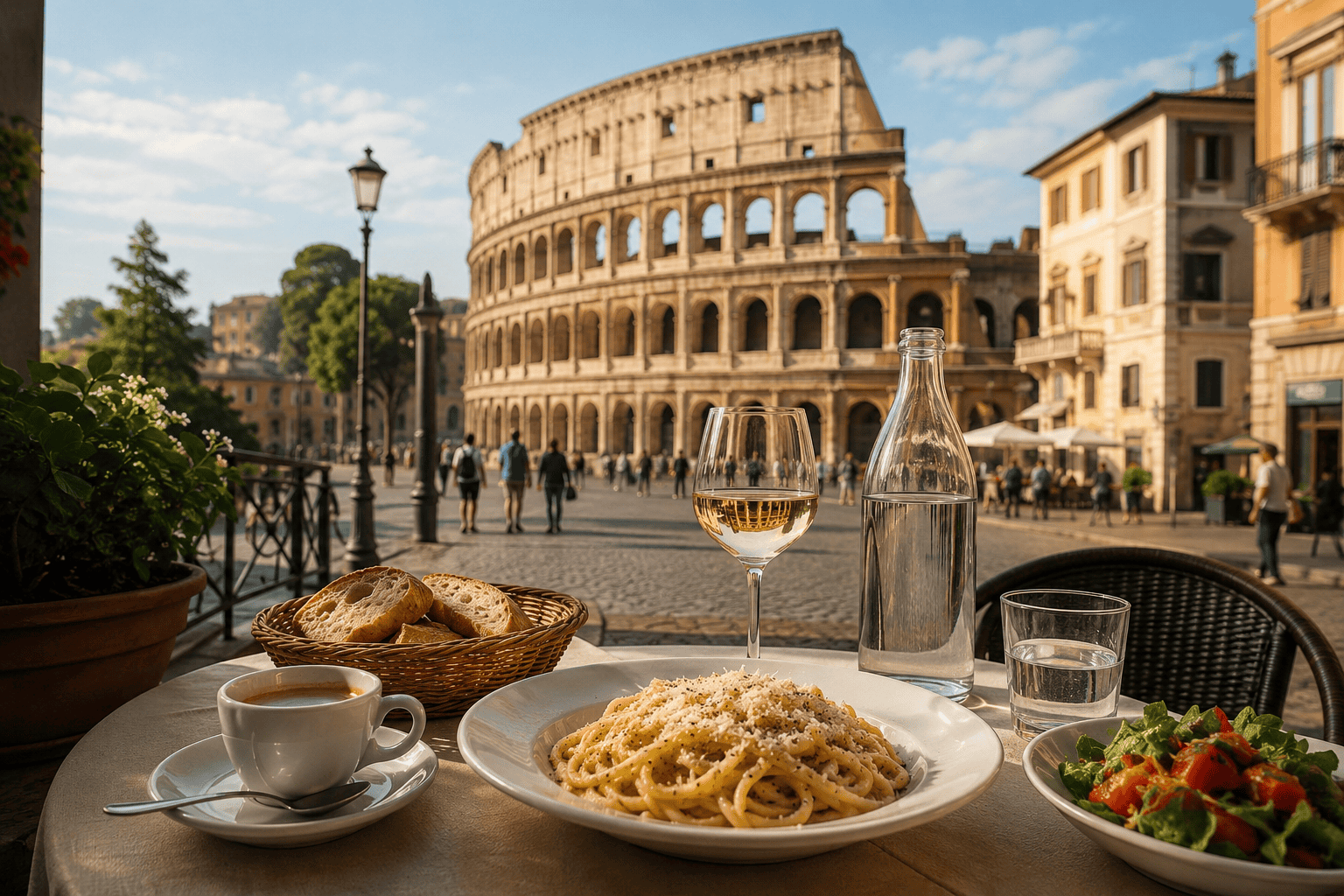
The table below shows typical Rome travel costs by travel style. Accommodation is listed per person to make comparisons easier for solo travellers and couples.
| Category | Budget | Mid-range | Comfortable |
|---|---|---|---|
| Accommodation per person | €25–45 for a hostel dorm or shared room | €70–110 for a budget hotel | €100–175 for a mid-range hotel |
| Breakfast | €2–5 at a bar | €8–15 | €15–25 |
| Lunch | €8–14 for pizza, pasta, or a simple trattoria meal | €18–30 | €35–60 |
| Dinner | €15–25 | €30–50 | €60–120 |
| Transport | €3–8 | €8–15 | €15–25 |
| Attractions | €5–20 | €20–40 | €40–80 |
| Daily total excluding accommodation | €33–72 | €84–150 | €165–310 |
In Rome, accommodation and dining choices usually have a greater impact on your budget than attraction tickets. The Colosseum, Vatican Museums, and Borghese Gallery are important costs, but several nights of accommodation or repeated meals in tourist-focused restaurants often add up faster.
Where Rome Is Worth Spending More
The Borghese Gallery is one of the best-value splurges in Rome. Its limited-entry format creates a calmer experience for seeing works by Bernini and Caravaggio.
A proper dinner at a neighbourhood trattoria in Trastevere, Testaccio, Monti, or Prati is also worth prioritising. Roman classics such as cacio e pepe, carbonara, amatriciana, coda alla vaccinara, and Jewish-style artichokes are often best enjoyed away from the main tourist zones.
During summer, early entry times for the Vatican Museums and the Colosseum can significantly improve the experience by avoiding the hottest and busiest hours.
Where to Save Without Ruining the Trip
Coffee is one of the easiest places to save money. A cappuccino consumed standing at the bar is usually much cheaper than table service, especially near major landmarks.
Lunch specials and fixed-price menus can offer excellent value. Many local trattorias serve affordable midday meals aimed at workers rather than tourists.
Rome’s historic centre is highly walkable, making it easy to reduce transport costs. Public transport is most useful for longer journeys such as travelling between the Colosseum and the Vatican or reaching airports and train stations.
Pizza al taglio and supplì remain some of the city’s best-value meals and snacks.
Rome Food Budget Reality
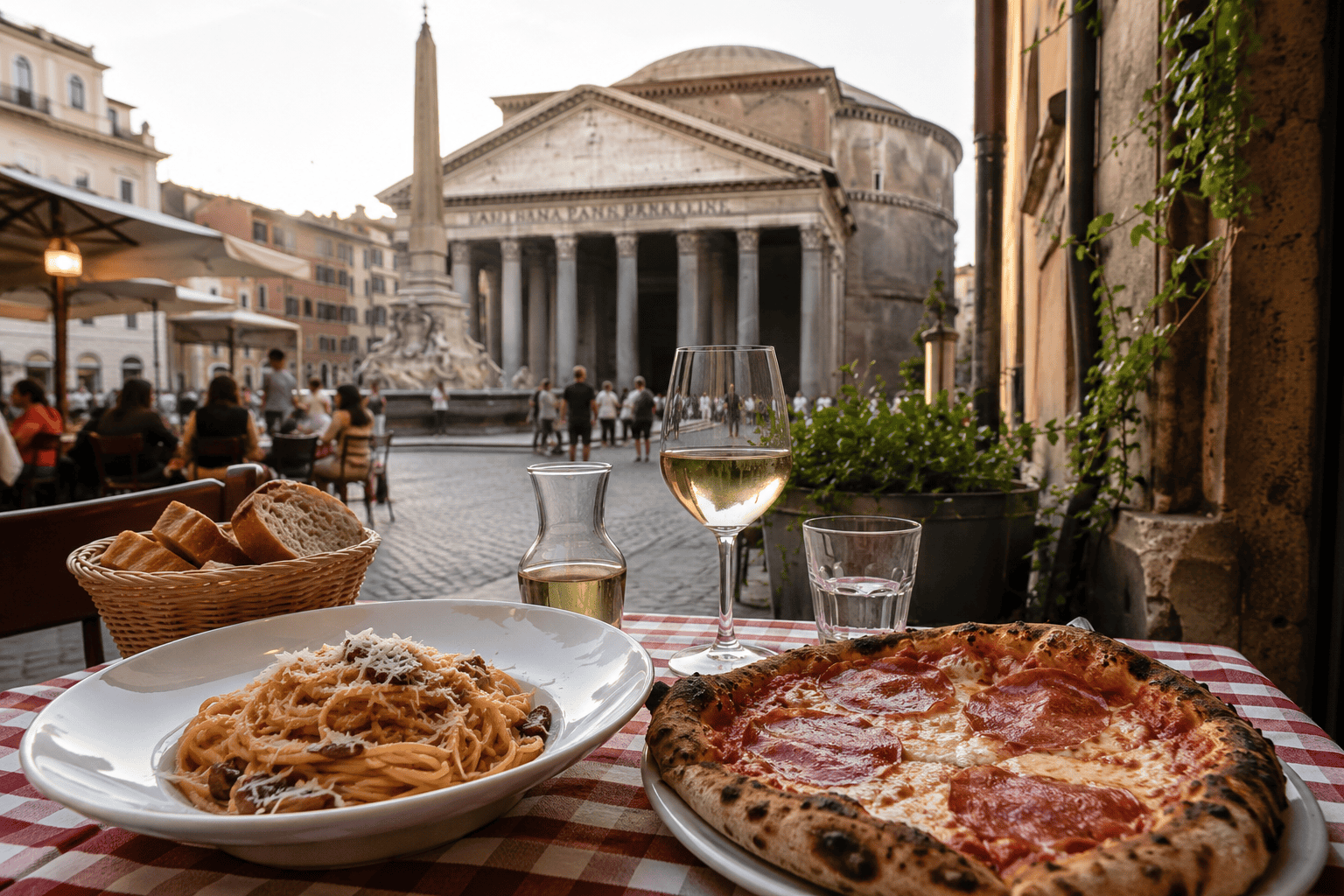
The closer you eat to major sights such as the Pantheon, Trevi Fountain, Piazza Navona, or the Colosseum, the more likely you are to pay a premium. Walking a few streets away often results in better value and a more local experience.
Breakfast is usually the exception. A cappuccino and cornetto at a bar often remain affordable even in central areas, provided you avoid table service.
House wine, or vino della casa, is frequently one of the most budget-friendly drink options in traditional trattorias.
Rome Ticket Strategy
For most first-time visitors, the Colosseum, Roman Forum, Palatine Hill, Vatican Museums, Sistine Chapel, and Borghese Gallery are the main paid attractions worth planning in advance.
The Rome Pass can offer value when your itinerary includes several participating museums and frequent public transport use. Compare the pass cost against individual ticket prices before purchasing.
Additional attractions such as the Pantheon, Castel Sant’Angelo, and the Capitoline Museums are worthwhile depending on your interests but are not essential for every itinerary.
For more on this part of the trip, also see our 5 Days in Rome: A Realistic Itinerary for First-Time Visitors and 3 Days in Rome: A Realistic Itinerary for First-Time Visitors.
Accommodation Strategy for Different Budgets
Budget travellers often find the best value around Termini, where hostel dorms and simple private rooms are widely available and transport connections are excellent.
Trastevere offers more atmosphere and charm but generally comes with higher accommodation costs.
Prati can be one of Rome’s best-value neighbourhoods, combining reasonable accommodation prices with a convenient location near the Vatican.
Common Rome Budget Mistakes
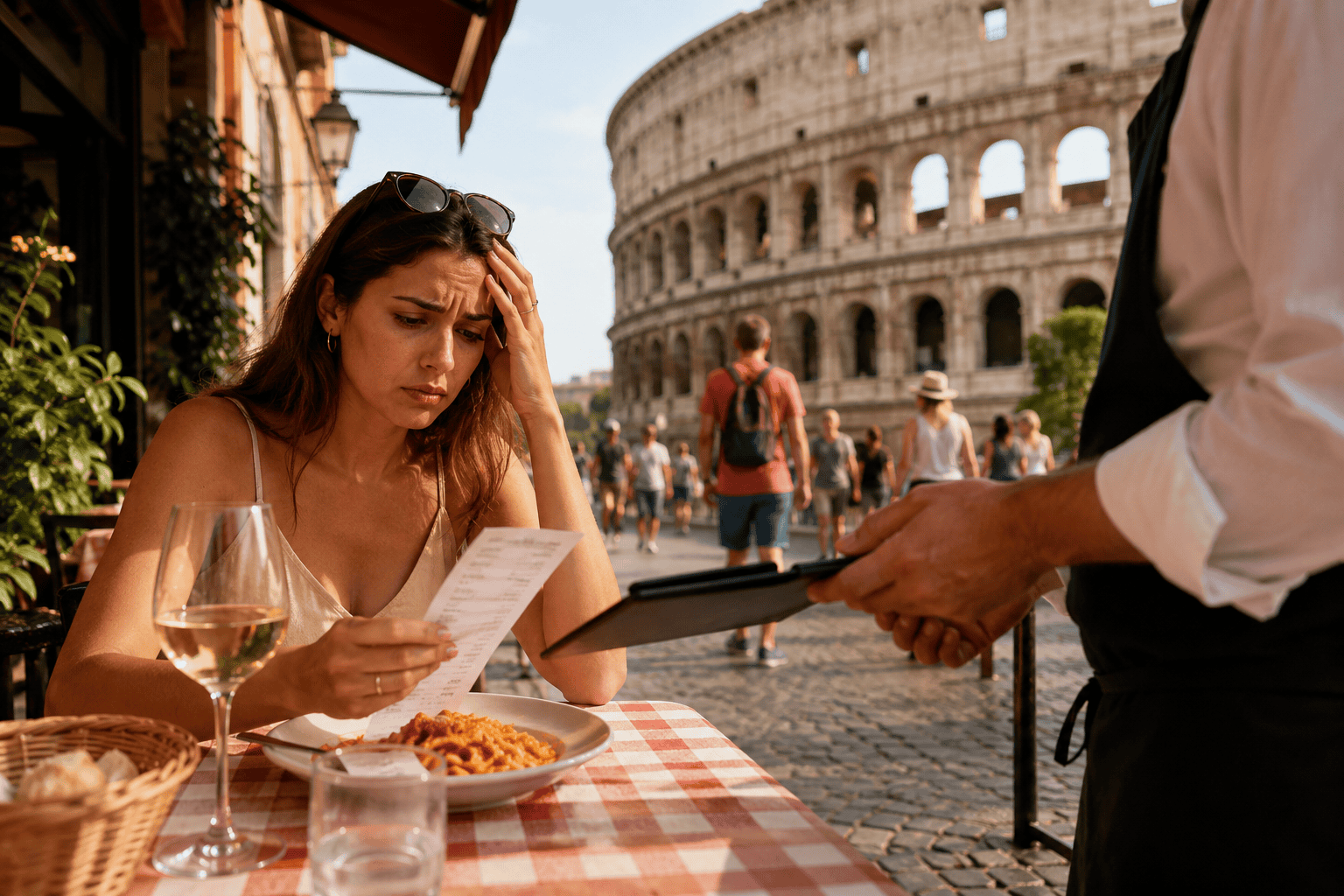
Buying bottled water daily is unnecessary because Rome’s public drinking fountains, known as nasoni, provide free potable water across much of the city.
Eating immediately beside major landmarks and using unofficial transport providers are two of the most common ways visitors overspend.
Suggested Daily Budgets for Rome
| Travel Style | Daily Budget Excluding Accommodation | Daily Budget Including Accommodation | Best For |
|---|---|---|---|
| Budget | €33–72 | €60–110 | Hostels, street food, walking, and selective attractions |
| Mid-range | €84–150 | €160–280 per person or €200–280 for two with careful hotel choices | Private rooms, trattorias, major sights, and occasional taxis |
| Comfortable | €165–310 | €300–500 for two | Better hotels, restaurant dining, guided visits, and flexible transport |
FAQ
How much does Rome cost per day?
Budget travellers can often manage €60–110 per day including accommodation, while mid-range travellers typically spend more. Comfortable trips for two often range from €300–500 per day.
Is Rome expensive?
Rome is moderately priced by Western European standards. Careful accommodation choices and eating away from major sights help keep costs under control.
What is the cheapest way to eat in Rome?
Bar breakfasts, pizza al taglio, lunch specials, and neighbourhood trattorias offer some of the best value meals in the city.
Is the Rome Pass worth it?
It can be worthwhile when your planned museums and transport usage align with the current benefits. Always compare costs before buying.
Can you visit Rome on a tight budget?
Yes. Rome offers free churches, public fountains, walkable neighbourhoods, affordable breakfasts, and many outdoor attractions that can be enjoyed at little or no cost.
For more destination comparisons and trip ideas, browse more travel guides on this site.
For broader trip-planning context, you can also check additional travel background on Wikivoyage.
You can explore authoritative background and references on Wikipedia.
Last verified: 2026-04-27

Mara Vale
Mara Vale writes Eurly travel guides for first-time Europe visitors who want practical routes, realistic pacing, and fewer avoidable planning mistakes.
Eurly guides are written to help readers make confident travel decisions, but opening hours, ticket rules, transit disruptions, and local conditions can change. Always verify key reservations and official schedules before you travel.