
This Barcelona budget guide helps travelers understand the real cost of visiting the city. Learn what to expect for accommodation, food, transport, and attractions. Smart planning can make your budget go much further.
By Sankalp Sharma for Eurly
Barcelona Budget Guide: Quick Answer: Barcelona Daily Budget Breakdown
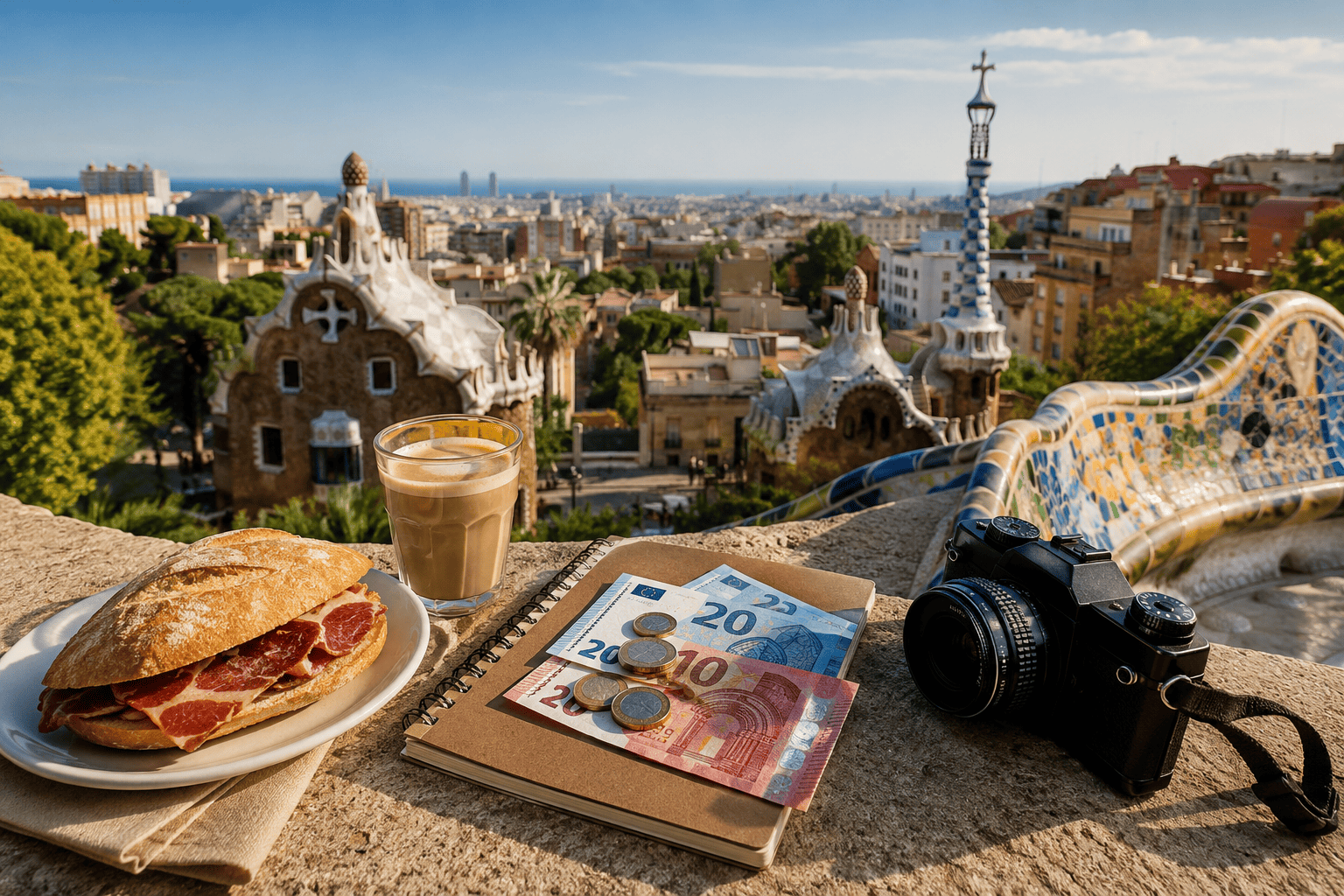
| Category | Budget | Mid-range | Comfortable |
|---|---|---|---|
| Accommodation | €45–80 (hostel or budget hotel) | €110–160 (3-star hotel) | €180–300 |
| Breakfast | €3–6 (coffee and pastry) | €9–15 | €14–22 |
| Lunch | €10–16 (menú del día) | €18–28 | €30–50 |
| Dinner | €15–25 (tapas or pintxos bar) | €28–45 | €50–100+ |
| Transport | €5–10 | €10–15 | €15–25 |
| Attractions | €0–26 | €26–45 | €45–80 |
| Daily total excluding accommodation | €33–83 | €91–148 | €154–277 |
Accommodation is listed separately because it changes sharply by season, location, and booking window. As a simple example, a four-night stay at €140 per night adds €35 per day to the per-person trip cost if two people share the room. For most first-timers, the biggest Barcelona budget variables are accommodation, Gaudí tickets, and whether you eat in tourist-facing restaurants or neighbourhood places.
The easiest way to save money in Barcelona is to avoid the location premium. A menú del día in a neighbourhood restaurant in Eixample, Gràcia, or El Born can cost €13–16, while a similar or weaker meal near the Sagrada Família or Las Ramblas can cost €25–35. The experience is often better when you walk a few blocks away from the main sight before sitting down.
Where to Splurge: Essential Gaudí Tickets
Gaudí architecture is the part of a Barcelona budget that surprises many first-time visitors. The entry prices are not minor, but a few paid sites are genuinely worth planning around.
Sagrada Família is the one paid Barcelona attraction not to skip. The basic ticket covers the interior and audio guide, while tower access costs more and is mainly worth it if you specifically want city views and do not mind heights. The official booking site is sagradafamilia.org.
Park Güell Monumental Zone is also worth including if this is your first visit. The mosaic terrace, Hypostyle Room, and city views are the reason the park is famous. The free areas are pleasant, but the ticketed area is the main experience. Book through parkguell.barcelona.
Casa Batlló and Casa Milà, also called La Pedrera, are the harder budget decision. Casa Batlló is more theatrical and immersive, while Casa Milà offers a stronger architectural visit and its famous rooftop chimneys. If your budget is tight, choose one rather than forcing both into the same trip. Official sites: casabatllo.es and lapedrera.com.
Simple Gaudí budget strategy: start with Sagrada Família and Park Güell. Add either Casa Batlló or Casa Milà if you have room. Adding both Passeig de Gràcia houses is memorable, but it can quickly become one of the most expensive parts of a Barcelona itinerary.
For more on this part of the trip, also see our 5 Days in Barcelona: A Realistic Itinerary for First-Time Visitors.
Where to Save: Food in Barcelona
The menú del día is the best-value restaurant meal in Barcelona. It is usually served at lunch from Monday to Friday and often includes a first course, main course, dessert or coffee, bread, and a drink. In local areas such as Eixample, Gràcia, and El Born, it can be the difference between an affordable trip and an expensive one.
Breakfast is easy to keep cheap. A standing coffee at a local bar plus a croissant, pastry, or small bread roll can cost far less than a hotel buffet. Hotel breakfasts are only good value when included in the room rate.
For dinner, Carrer de Blai in Poble Sec is a strong budget option. The street is known for pintxos bars, where small snacks are priced by piece. A filling dinner can be built for less than a restaurant meal in the Gothic Quarter, especially if you avoid ordering too many premium items.
Pa amb tomàquet, bread rubbed with tomato and olive oil, is a Catalan staple and one of the cheapest useful additions to a meal. Supermarkets such as Mercadona and Caprabo are also helpful for simple breakfasts, fruit, water, prepared salads, tortilla, and picnic lunches.
Free Things to Do in Barcelona
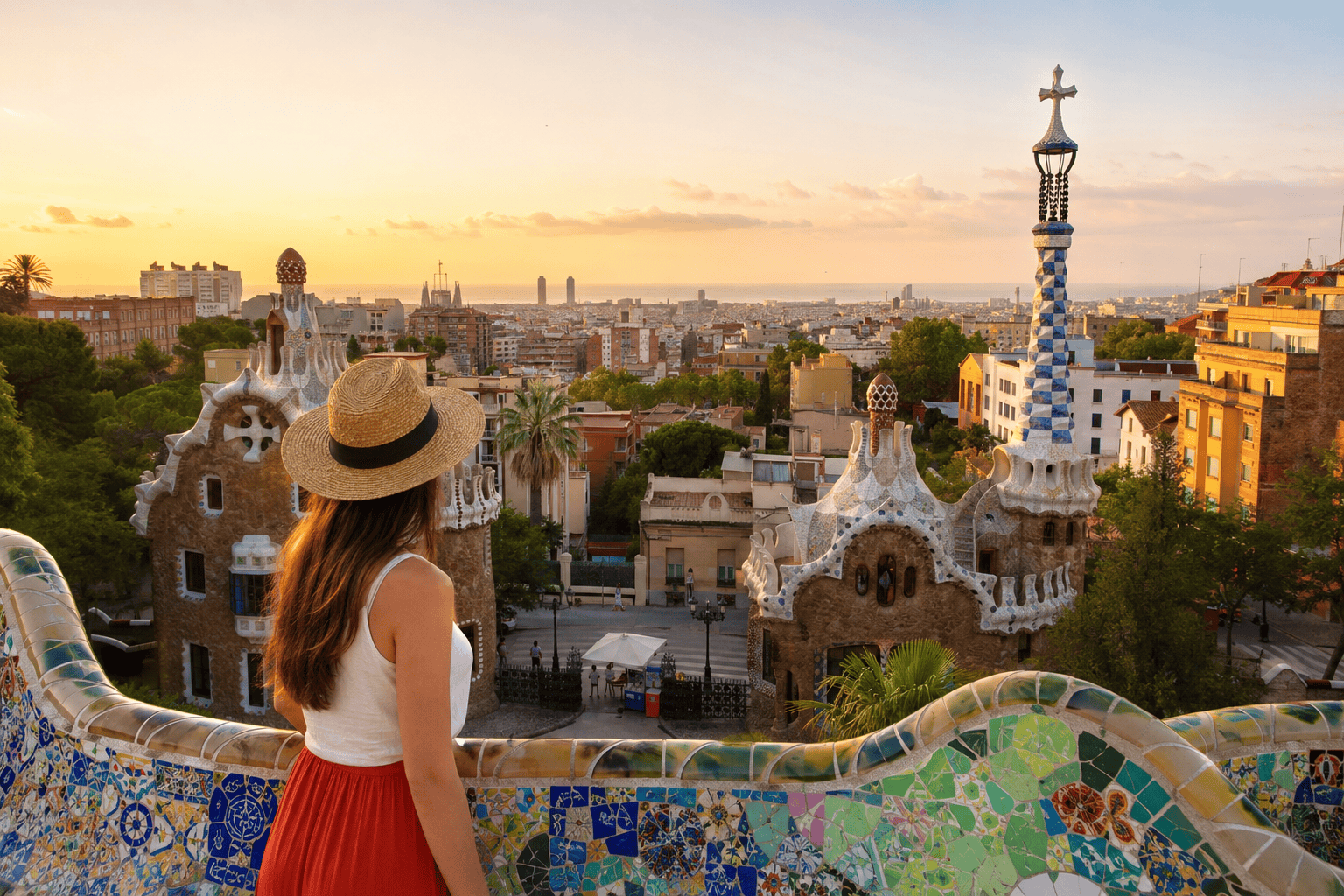
Barcelona has enough free attractions to balance out the cost of Gaudí tickets. Barceloneta beach and the Mediterranean waterfront from Barceloneta toward Parc del Fòrum are free, with public beach infrastructure such as showers and lifeguard areas in season.
A self-guided Gothic Quarter walk also costs nothing. Start near Barcelona Cathedral, continue through El Call, look for the Roman temple on Carrer del Paradís, and finish around Plaça Reial. Go early for quieter streets and better photos.
El Born is another strong free area. Santa Maria del Mar is one of the city’s most beautiful Gothic churches, and nearby streets such as Carrer de Montcada and Passeig del Born are rewarding without needing a ticket.
Other free or low-cost options include Parc de la Ciutadella, Gràcia’s neighbourhood squares, the waterfront promenade, Mercat de Santa Caterina for a browse, and the free non-ticketed areas of Park Güell. The Font Màgica schedule changes, so check the current programme before planning an evening around it.
Transport Budget: What to Buy and What to Skip
For most short visits, the T-Casual card is the most practical public transport purchase. It gives 10 journeys and is usually better value than buying single tickets one by one. It works across central metro, bus, tram, and the Funicular de Montjuïc zones used by most visitors.
A day pass is only worth considering if you expect to make many separate journeys in one day. Most travellers do not ride often enough for it to beat a 10-trip card.
The airport is the main exception to remember. The metro airport supplement is separate from standard city trips, and the Aerobus can be more convenient if you are staying near Plaça Catalunya. Compare convenience, luggage, and where you are staying before choosing.
Do not rent a car for a city-focused Barcelona trip. Public transport covers the main sights, parking is expensive, and the Gothic Quarter is not designed for casual driving. For common day trips such as Montserrat or Sitges, trains are usually easier than driving.
Accommodation Strategy for Different Budgets
Hostels are the cheapest useful accommodation option in central Barcelona. Dorm beds in areas such as Eixample, El Born, and Gràcia can keep the trip affordable while still giving you a central base.
Budget hotels with private bathrooms generally cost more but suit couples, older travellers, and anyone who wants quiet over social space. Booking earlier usually helps, especially for spring, summer, and holiday periods.
Apartments and studios can save money on longer stays because they make breakfast and simple dinners easier. They are often best for two people staying four nights or more. Check the exact neighbourhood and transit connections carefully before booking, because a cheaper apartment far from the centre can cost you time and extra transport.
Common Barcelona Budget Mistakes
Eating directly beside famous sights is the fastest way to overpay. Restaurants facing the Sagrada Família, Las Ramblas, and the busiest Gothic Quarter streets often charge a premium without giving a better meal. Walk a few blocks before choosing where to eat.
Trying to see every paid Gaudí site can make a short trip expensive fast. Sagrada Família and Park Güell are the core pair. Add one Passeig de Gràcia house if the budget allows.
Buying transport you will not use is another avoidable cost. A day pass is not automatically better, and an Aerobus return ticket only makes sense if you are sure you will return to the airport by Aerobus.
Assuming Las Ramblas paella is a must-do is a classic first-time mistake. You will usually get better value by eating in Barceloneta side streets, Poble Sec, Gràcia, or Eixample.
FAQ
How much does Barcelona cost per day?
A realistic all-in daily budget for a mid-range first-timer is about €160–200 including accommodation, meals, transport, and one ticketed attraction. Budget travellers can often manage about €70–100 per day by using hostels, cheap local meals, public transport, and free activities.
Is Barcelona more expensive than Paris?
Barcelona is usually slightly cheaper than Paris for equivalent budget and mid-range accommodation and food, although major attractions can still be expensive. The biggest Barcelona advantage for budget travellers is the menú del día lunch culture, which offers better value than many comparable restaurant meals in Paris.
What is the cheapest way to eat in Barcelona?
The cheapest satisfying pattern is a simple café or supermarket breakfast, a menú del día lunch in a local restaurant, and pintxos or a supermarket-supported dinner. Avoid restaurants directly beside major landmarks if your goal is value.
Is the T-Casual card worth buying?
Yes, for most visitors who plan to use public transport several times. It usually works out cheaper than buying individual tickets and is simpler than deciding each journey separately.
Where should I save and where should I splurge in Barcelona?
Save on breakfast, neighbourhood meals, public transport, and free walks. Splurge on Sagrada Família, Park Güell, and one carefully chosen Gaudí house if architecture is a priority.
You can explore authoritative background and references on Wikipedia.
Last verified: 2026-04-27. Recheck ticket and transport prices before publishing if the article will be updated after this date.

Mara Vale
Mara Vale writes Eurly travel guides for first-time Europe visitors who want practical routes, realistic pacing, and fewer avoidable planning mistakes.
Eurly guides are written to help readers make confident travel decisions, but opening hours, ticket rules, transit disruptions, and local conditions can change. Always verify key reservations and official schedules before you travel.