
Where to stay in Barcelona is one of the most important decisions for a successful trip. Each neighborhood offers a unique atmosphere and travel experience. Choosing the right area can make exploring the city much easier.
For most first-time visitors, Eixample is the best area to stay in Barcelona. It provides easy access to Gaudí landmarks, restaurants, shopping, and multiple metro lines while avoiding much of the late-night noise found in the old town. El Born is a strong alternative for nightlife and dining, while Gràcia suits travellers looking for a quieter and more local atmosphere.
Quick Facts: Where to Stay in Barcelona
- Best overall area: Eixample
- Best for food and nightlife: El Born and Sant Pere
- Best for central sightseeing: Gothic Quarter
- Best for a local feel: Gràcia
- Best for beach access: Barceloneta
- Area to avoid for most first stays: Las Ramblas
- Budget hotel private room: around €80–120 per night
- Mid-range hotel: around €130–200 per night
- Hostel dorm bed: around €22–38 per night
Accommodation prices increase significantly during peak travel periods. If you are visiting in July or August, booking several months in advance is recommended. For May, June, September, and October, six to eight weeks is often sufficient. Always check the exact hotel location rather than relying solely on the neighbourhood name.
Barcelona Neighbourhood Cheat Sheet
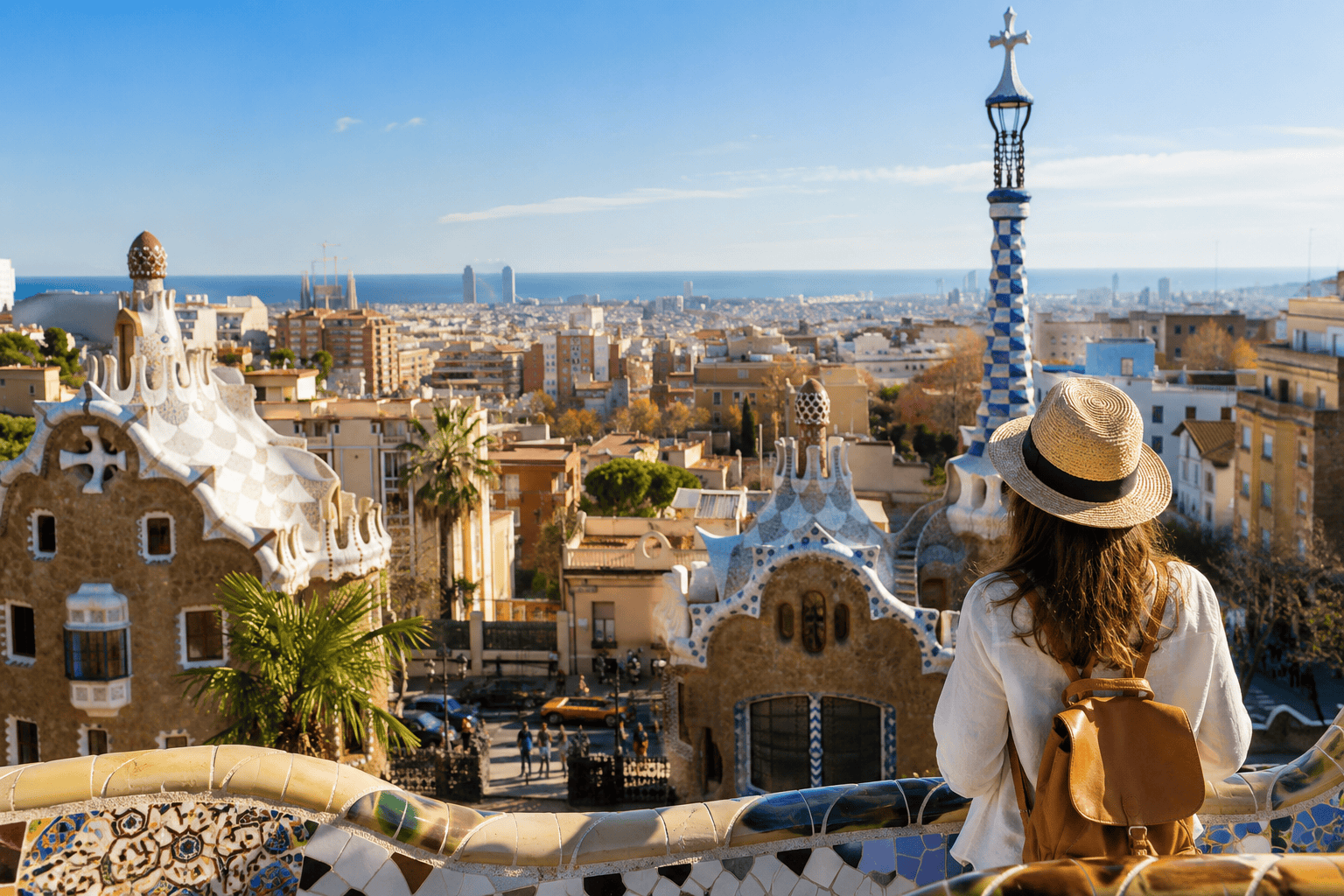
| Area | Vibe | Typical Budget Hotel/Night | Typical Mid-Range/Night | Best For |
|---|---|---|---|---|
| Eixample | Grid layout, wide streets, central | €80–110 | €130–200 | First-timers, architecture, convenience |
| El Born / Sant Pere | Historic streets, lively dining scene | €75–100 | €120–180 | Food lovers, nightlife, beach access |
| Gothic Quarter | Historic centre, tourist-heavy | €70–100 | €110–170 | Central sightseeing |
| Gràcia | Local, village-like atmosphere | €65–90 | €100–160 | Quiet stays and local experiences |
| Barceloneta | Beachfront neighbourhood | €80–110 | €130–190 | Beach-focused trips |
| Las Ramblas | Noisy tourist corridor | €90–130 | €150–230 | Generally not recommended |
Best Areas to Stay in Barcelona for First-Timers
All of Barcelona’s central neighbourhoods offer good access to major attractions. The real difference is the atmosphere, noise level, dining scene, and overall travel style that each area provides.
One of the most important booking tips is to check the exact street before reserving accommodation. Two hotels in the same neighbourhood can provide very different experiences depending on their location.
Eixample: Best Overall Base for a First Visit
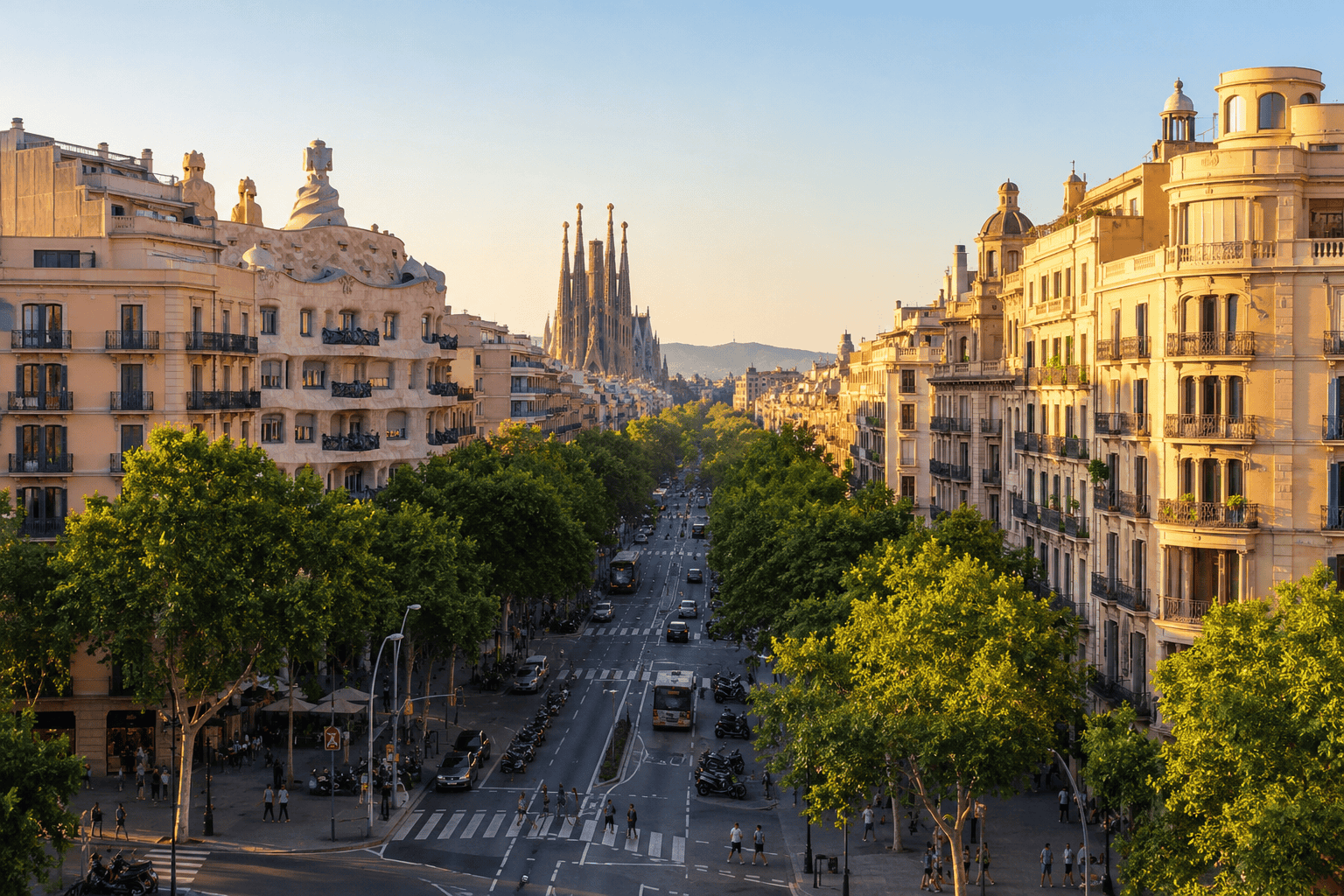
Eixample is Barcelona’s elegant 19th-century expansion district and the easiest recommendation for most visitors. Wide streets, excellent transport connections, shopping, restaurants, and easy access to major attractions make it one of the best places to stay in Barcelona.
Dreta de l’Eixample is ideal for visitors focused on Gaudí landmarks such as Casa Batlló, Casa Milà, Passeig de Gràcia, and the Sagrada Família. Esquerra de l’Eixample feels slightly more residential and often offers better value while remaining highly convenient.
Stay in Eixample if: you want the most balanced combination of sightseeing, dining, transport, and comfort.
Typical prices: budget private rooms €80–110; mid-range hotels €130–200 per night.
El Born and Sant Pere: Best for Food and Nightlife
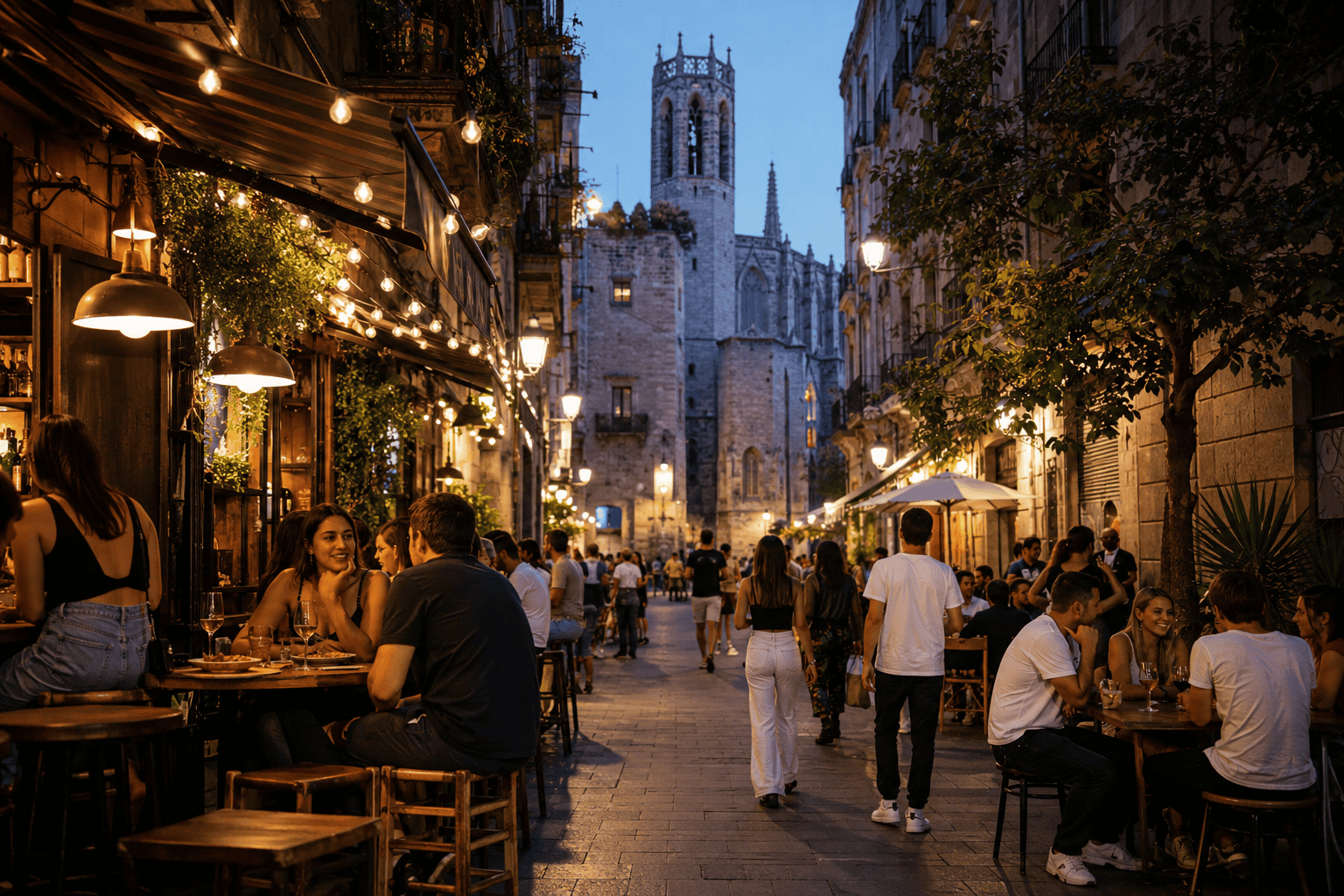
El Born and Sant Pere combine historic charm with some of Barcelona’s most popular restaurants, bars, cafés, and boutique shops. The neighbourhood is ideal for travellers who enjoy exploring lively streets after dark.
Major attractions such as the Picasso Museum and Santa Maria del Mar are located here, and Barceloneta beach is within walking distance.
The main drawback is noise. Streets around popular nightlife areas can remain active well into the evening, particularly on weekends.
Stay in El Born or Sant Pere if: food, nightlife, atmosphere, and walkability are your priorities.
Typical prices: budget private rooms €75–100; mid-range hotels €120–180 per night.
Gothic Quarter: Best for Central Sightseeing
The Gothic Quarter (Barri Gòtic) sits at the historic heart of Barcelona. Staying here places you within walking distance of landmarks including Barcelona Cathedral, Plaça Reial, Las Ramblas, and the waterfront.
While the location is excellent, the area can be crowded and noisy. Hotel quality also varies considerably, making research particularly important.
Stay in the Gothic Quarter if: being in the centre of the action matters more than peace and quiet.
Typical prices: budget private rooms €70–100; mid-range hotels €110–170 per night.
Gràcia: Best for a Local Experience
Gràcia retains the atmosphere of a small town despite being part of Barcelona. Its plazas, cafés, bakeries, and independent shops create a more local feel than the city’s busiest tourist districts.
It is especially appealing for travellers who prefer relaxed evenings and neighbourhood character over immediate proximity to major attractions.
Stay in Gràcia if: you want a quieter, more residential base with plenty of local character.
Typical prices: budget private rooms €65–90; mid-range hotels €100–160 per night.
Barceloneta: Best for Beach Access
Barceloneta is Barcelona’s primary beach neighbourhood. It offers immediate access to the waterfront while remaining within walking distance of El Born and parts of the old town.
Summer brings higher prices and larger crowds, but travellers focused on beach time often find the location worthwhile.
Stay in Barceloneta if: beach access is your top priority.
Typical prices: mid-range hotels around €130–190 per night, often higher during peak summer.
Areas to Avoid for a First Stay in Barcelona
For most first-time visitors, Las Ramblas is the main area to avoid. While central, it is often noisy, crowded, and more expensive than nearby alternatives offering a better overall experience.
Outer districts may offer lower prices, but they can add substantial daily travel time. Visitors on a short trip usually benefit from staying in a central neighbourhood.
For more on this part of the trip, also see our 5 Days in Barcelona: A Realistic Itinerary for First-Time Visitors and 3 Days in Barcelona: A Realistic Itinerary for First-Time Visitors.
Common Barcelona Hotel Booking Mistakes
- Choosing a hotel based only on price without checking the exact street.
- Ignoring recent guest reviews about noise.
- Booking inflexible summer rates too early.
- Overlooking quality hostels and private hostel rooms for budget travel.
Where to Stay in Barcelona: Final Recommendation
If you are wondering where to stay in Barcelona for your first visit, Eixample remains the best all-round choice. Choose El Born for nightlife and dining, the Gothic Quarter for maximum centrality, Gràcia for a local atmosphere, and Barceloneta if the beach is the main focus of your trip.
FAQ: Where to Stay in Barcelona
What is the best area to stay in Barcelona for first-timers?
Eixample is the best area for most first-time visitors because it combines convenience, transport connections, sightseeing access, and a relatively calm atmosphere.
Is El Born or Eixample better?
Eixample is better for convenience and sightseeing, while El Born is better for nightlife, dining, and historic atmosphere.
Is the Gothic Quarter a good place to stay in Barcelona?
Yes, particularly if you want to walk to major attractions, but be prepared for crowds and potential noise.
Is Las Ramblas a good area to stay?
Generally no. Nearby areas such as Eixample, El Born, and quieter parts of the Gothic Quarter usually provide better value and a more pleasant experience.
When should I book accommodation in Barcelona?
Book several months ahead for July and August. For spring and autumn travel, six to eight weeks is often sufficient.
For broader trip-planning context, you can also check additional travel background on Wikivoyage.
You can explore authoritative background and references on Wikipedia.
Last verified: 2026-04-27

Mara Vale
Mara Vale writes Eurly travel guides for first-time Europe visitors who want practical routes, realistic pacing, and fewer avoidable planning mistakes.
Eurly guides are written to help readers make confident travel decisions, but opening hours, ticket rules, transit disruptions, and local conditions can change. Always verify key reservations and official schedules before you travel.