

Planning your first time in London does not have to be overwhelming. This practical 2026 guide explains where to stay, how to use the Tube, what to book in advance, realistic daily costs, and the common mistakes that first-time visitors should avoid.
London is one of the world’s most visited cities, but it is easy to underestimate. Attractions are spread across a large area, and choosing the wrong hotel location can add significant travel time every day. For a smoother first visit, stay central, plan each day around nearby attractions, and allow extra time for transport, queues, and meals.
First Time in London: Where to Stay
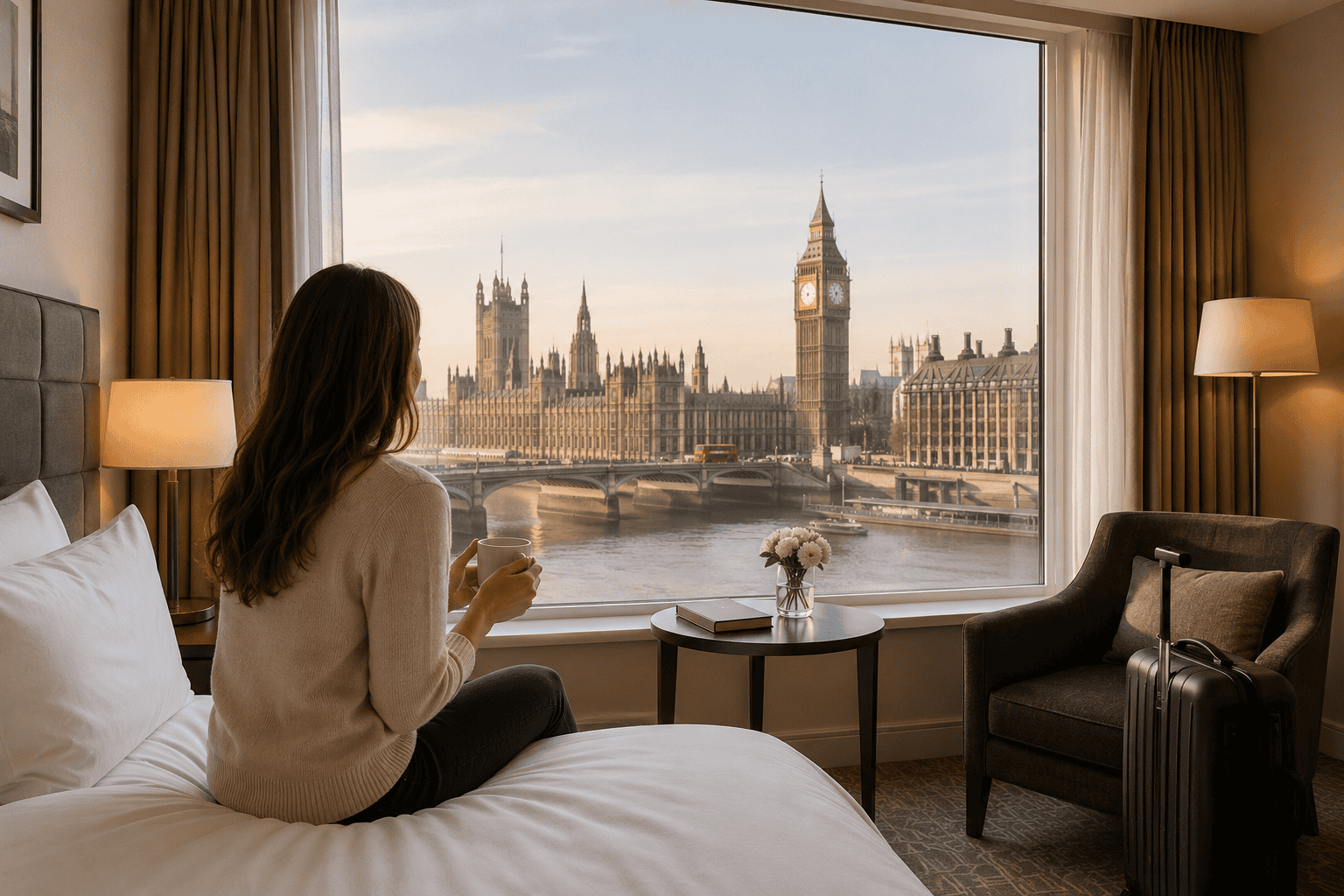
For your first time in London, staying in Zones 1–2 usually provides the best balance of convenience and transport access. Paying a little more for a central hotel often saves valuable sightseeing time.
Recommended areas for first-time visitors:
- South Bank / Southwark: Close to Borough Market, Tate Modern, Shakespeare’s Globe, the Thames, and Tower Bridge.
- Covent Garden / Seven Dials: Ideal for the West End, Soho, the National Gallery, and the British Museum.
- Shoreditch / Liverpool Street: Good transport links, restaurants, nightlife, and access to the City.
- Kensington / South Kensington: Excellent for museums, Hyde Park, and multiple Tube lines.
Avoid booking accommodation near Heathrow, Wembley, or beyond Zone 4 unless you have a specific reason. Long daily commutes can reduce the time available for sightseeing.
What to Book in Advance in London
Many of London’s museums are free to enter, but several popular attractions regularly sell out or develop long queues during weekends, holidays, and school breaks.
- Tower of London: Reserve tickets online at hrp.org.uk.
- Kew Gardens: Advance booking is recommended during busy periods.
- Warner Bros. Studio Tour London: Frequently sells out weeks ahead. Book via wbstudiotour.co.uk.
- The Shard: Reserve a timed-entry ticket online.
- West End shows: Early booking provides the widest choice of seats.
The British Museum, National Gallery, Tate Modern, Natural History Museum, V&A, Science Museum, Tate Britain, and National Portrait Gallery all offer free general admission, although special exhibitions may require paid tickets.
How to Use the Tube on Your First London Trip
The London Underground is usually the fastest way to travel between major attractions. After a few journeys, the network becomes straightforward to use.
- Use contactless payment: Tap in and out using the same bank card or mobile wallet.
- Benefit from daily fare caps: Visitors travelling mainly in Zones 1–2 automatically benefit from capped daily fares.
- Consider an Oyster card: Useful if contactless payment is unavailable.
- Check Night Tube services: Available on selected lines on Friday and Saturday nights.
Download a Tube map before arriving and use a live transport app for service updates. Large stations such as King’s Cross St Pancras, Bank, London Bridge, and Oxford Circus can take longer to navigate than expected.
How Much Does London Cost?
Your London budget depends largely on accommodation, dining style, and the number of paid attractions you include.
| Category | Budget | Mid-range |
|---|---|---|
| Accommodation | £60–80 | £120–200 |
| Food (3 meals) | £20–30 | £45–70 |
| Transport | £8–12 | £10–15 |
| Activities | £0–15 | £20–50 |
| Daily Total | £90–135 | £195–335 |
You can keep costs down by combining paid attractions with free museums, parks, riverside walks, and markets such as Borough Market, Maltby Street Market, and Broadway Market.
Common First-Time London Mistakes
- Choosing a hotel based only on price: Always check nearby Tube stations and journey times.
- Trying to see too much in one day: Group attractions by neighbourhood.
- Skipping free museums: Many of London’s best cultural attractions have free general admission.
- Underestimating travel times: Busy interchanges and large stations can add unexpected delays.
- Eating beside major attractions: Walking a few streets away often results in better food and better value.
The London Neighbourhoods Worth Your Time
Once you have seen the main sights, explore some of London’s most rewarding neighbourhoods.
- Soho and Covent Garden: Theatre, shopping, restaurants, and nightlife.
- Shoreditch: Street art, cafés, markets, and creative culture.
- Borough Market: One of London’s top destinations for food lovers.
- Greenwich: Historic landmarks, riverside walks, and the Royal Observatory.
- Hampstead: Village atmosphere and panoramic views from Hampstead Heath.
- South Bank: Scenic Thames walks, Tate Modern, and cultural attractions.
FAQ About Visiting London for the First Time
Is London expensive for tourists?
Yes. London is one of Europe’s more expensive destinations, but free museums, parks, and walking routes can significantly reduce daily costs.
Do I need to book London attractions in advance?
Yes. Popular attractions such as the Tower of London, Warner Bros. Studio Tour London, The Shard, and many West End shows are best booked before your trip.
Is the Tube easy for first-time visitors?
Yes. Contactless payment, clear maps, and frequent services make the Underground simple for most travellers.
How many days should I spend in London?
Allow at least three days for the highlights. Five days gives you time to explore neighbourhoods, museums, and parks at a more relaxed pace.
What is the best area to stay during a first time in London?
South Bank, Covent Garden, South Kensington, and the Liverpool Street area are among the most convenient choices for first-time visitors.
Next Reads
- London Travel Guide
- 3-Day London Itinerary
- Where to Stay in London
- London Airport to City Guide
- London Budget Guide
Last verified: 2026-04-26

Mara Vale
Mara Vale writes Eurly travel guides for first-time Europe visitors who want practical routes, realistic pacing, and fewer avoidable planning mistakes.
Eurly guides are written to help readers make confident travel decisions, but opening hours, ticket rules, transit disruptions, and local conditions can change. Always verify key reservations and official schedules before you travel.
Pingback: London Tourist Mistakes to Avoid in 2026
Pingback: Best Time to Visit London: 2026 Travel Guide
Pingback: London on a Budget: Best Cheap Travel Tips
Pingback: London Free Museums: Best Free Museums in London
Pingback: London to Edinburgh Travel Guide 2026