

The best time to visit London depends on your priorities. Weather, hotel prices, and crowd levels change throughout the year, making certain months better for sightseeing, budget travel, festivals, or seasonal experiences. This guide explains the best time to visit London in 2026 based on weather conditions, accommodation costs, crowd levels, and seasonal attractions.
For most travelers, the best time to visit London is during spring and early autumn, especially May, June, September, and October. These months typically offer a strong balance of pleasant weather, manageable crowds, and accommodation costs that are lower than peak summer.
Quick Takeaways
Start here: The best time to visit London depends on your priorities.
Planning note: For most travelers, the best time to visit London is during spring and early autumn, especially May, June, September, and October.
Best Time to Visit London: Quick Summary
| Period | Weather | Crowds | Hotel Cost | Best For |
|---|---|---|---|---|
| January–February | Cold and grey | Low | Cheapest | Budget trips and museums |
| March–May | Mild and improving | Moderate | Mid-range | Overall best balance |
| June | Warm with long days | Building | Rising | Early summer atmosphere |
| July–August | Warmest months | Peak crowds | Most expensive | Summer events and nightlife |
| September–October | Mild and settled | Moderate | Mid-range | Best overall conditions |
| November–December | Cold and festive | Medium to high | Varies | Christmas atmosphere |
Quick answer: September is often considered the best month to visit London because it combines mild weather, reduced crowds after the summer peak, and more reasonable hotel prices. May is another excellent choice thanks to blooming parks and comfortable sightseeing conditions.
Spring in London: March to May
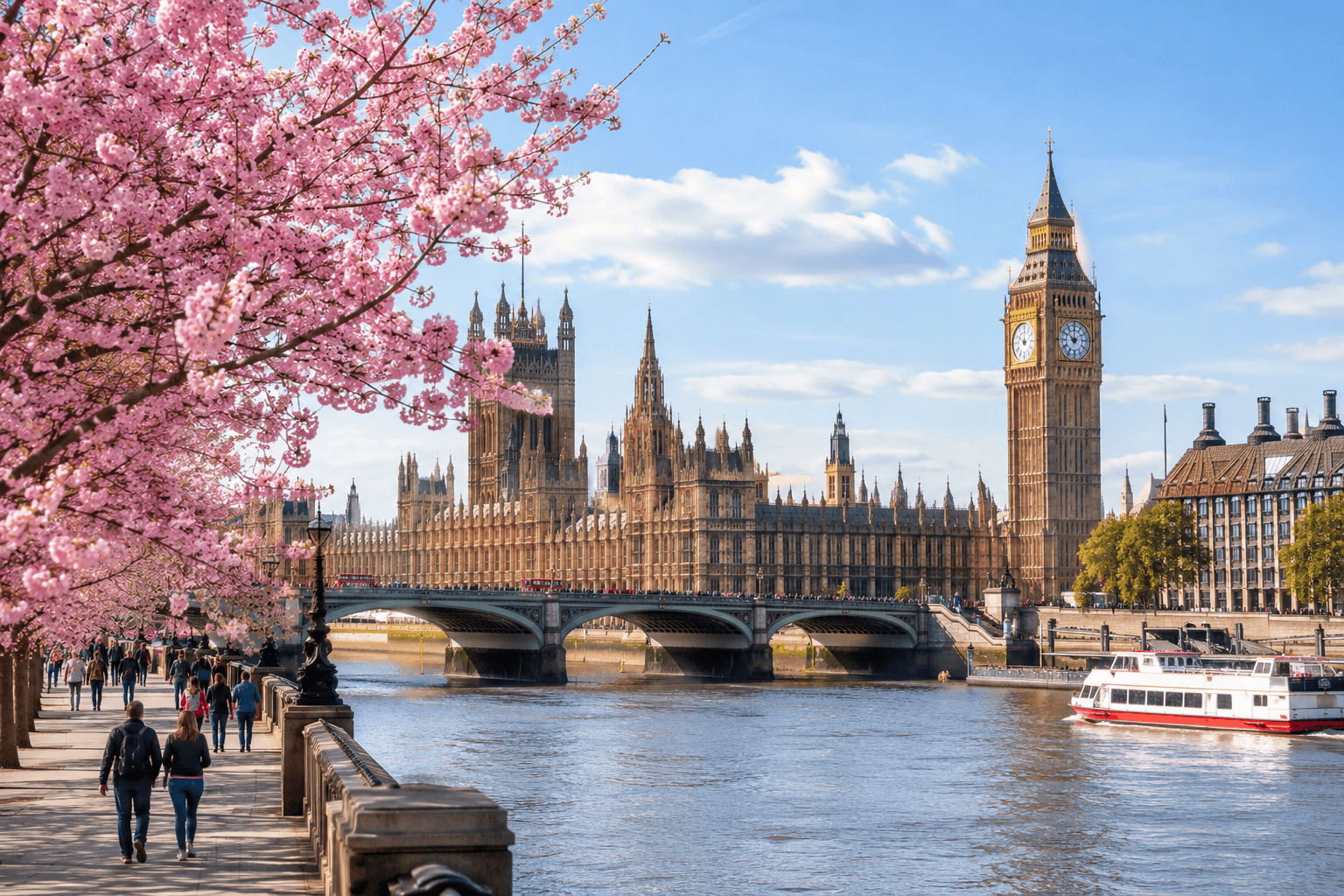
Spring is one of the best times to visit London. Temperatures become more comfortable, parks burst into color, and visitor numbers remain lower than during the summer peak.
March: The city begins to emerge from winter, making it a pleasant time for museums, walking tours, and sightseeing.
April: Longer daylight hours and milder temperatures encourage outdoor activities, though school holidays can increase visitor numbers.
May: Widely regarded as one of the best months to visit London, thanks to comfortable weather, blooming gardens, and lively outdoor spaces.
- Comfortable weather for sightseeing
- Beautiful parks and gardens
- Moderate accommodation prices
- Longer daylight hours
Summer in London: June to August
Summer brings London’s warmest temperatures and longest days. It is ideal for outdoor dining, rooftop venues, festivals, and evening walks, but it is also the busiest and most expensive period of the year.
June: Often considered the sweet spot of summer, offering long daylight hours without the highest crowd levels.
July and August: Expect peak tourism, crowded attractions, and higher accommodation prices throughout the city.
- Higher hotel and flight costs
- Longer queues at major attractions
- Busy public transportation
- Advance reservations recommended for restaurants and shows
Autumn in London: September to October
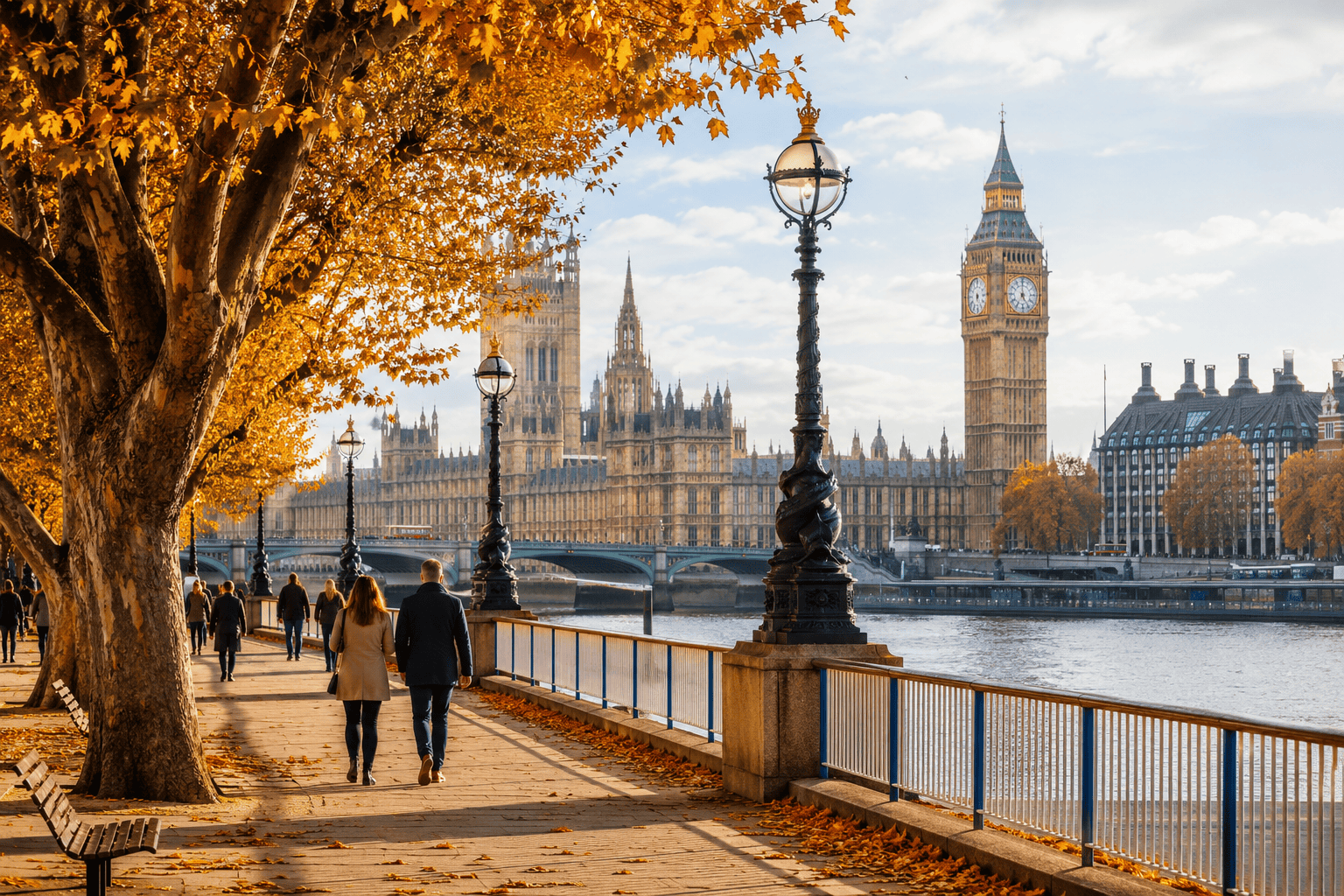
Autumn is widely considered the best time to visit London for an overall balance of weather, crowds, and value.
September: Frequently regarded as the top month to visit, offering mild temperatures, fewer tourists, and excellent conditions for sightseeing.
October: Cooler weather arrives, but the city’s parks display vibrant autumn colors that are especially appealing for photography.
- Comfortable temperatures for walking tours
- Lower crowd levels than peak summer
- Good hotel value compared with July and August
- Excellent conditions for sightseeing and photography
Winter in London: November to February
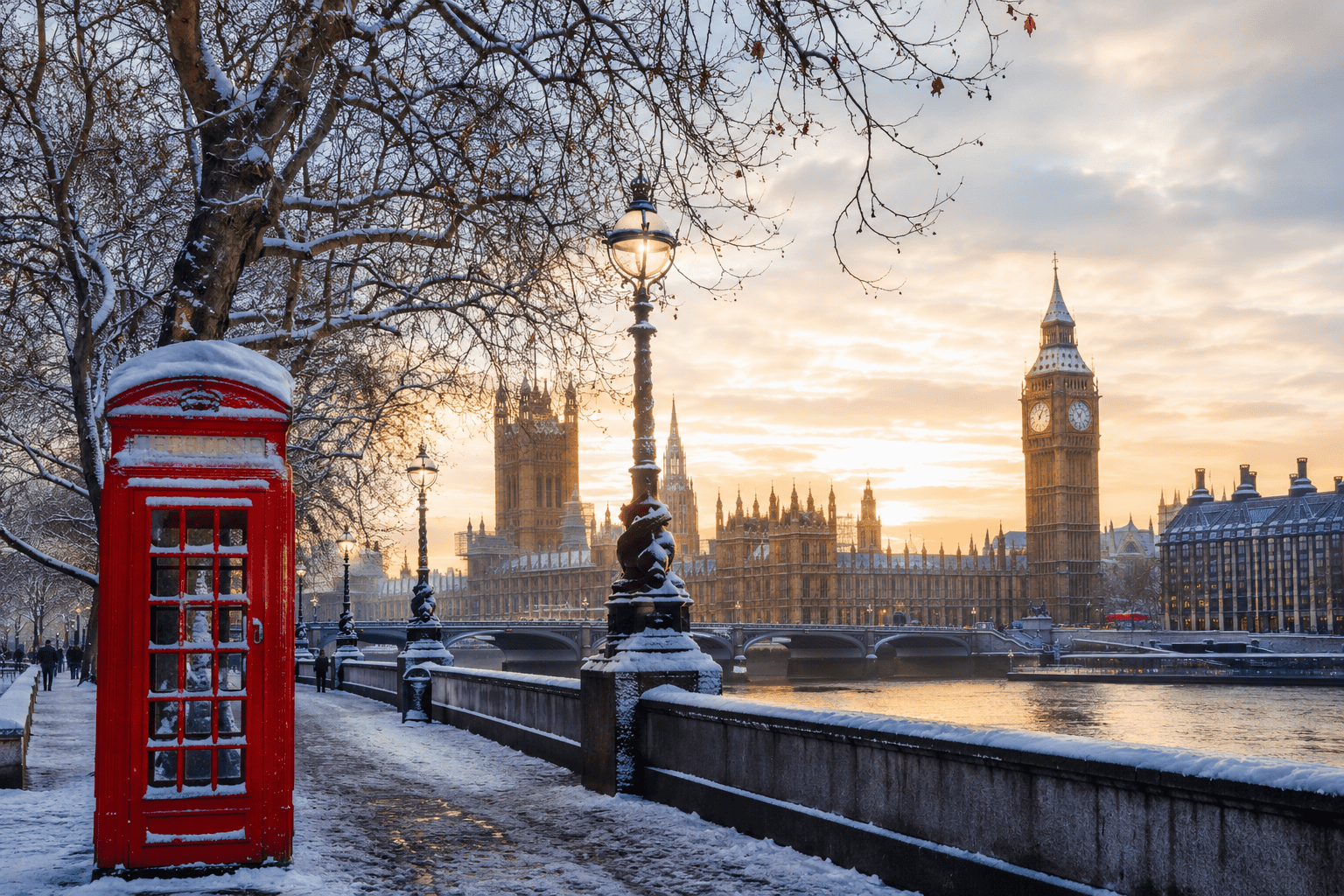
Winter is cold, grey, and often damp, but it offers a unique atmosphere. Museums, theatres, shopping districts, and festive displays make this season attractive despite the weather.
November and December: Christmas lights, seasonal markets, and holiday events create a festive mood throughout the city.
January and February: These months are generally the quietest and most affordable times to visit London.
- Lower hotel prices compared with most of the year
- Shorter lines at popular museums and attractions
- Festive atmosphere during the holiday season
- Ideal for indoor activities and theatre visits
London Events Worth Planning Around
Major annual events can significantly affect hotel availability, prices, and crowd levels. If your travel dates coincide with a major event, book accommodation early.
| Event | When | Why It Matters |
|---|---|---|
| Chelsea Flower Show | May | One of London’s most famous annual events |
| Wimbledon | Late June to early July | Major international tennis tournament |
| Notting Hill Carnival | August Bank Holiday | Europe’s largest street festival |
| Guy Fawkes Night | 5 November | Fireworks displays across the city |
| New Year’s Eve Fireworks | 31 December | Popular riverside celebrations |
- Chelsea Flower Show: Official information
- Wimbledon: Ticket information
- New Year’s Eve Fireworks: Official updates
London Weather by Season
| Season | Average Temperature | Typical Conditions |
|---|---|---|
| Winter (Dec–Feb) | 5–9°C | Cold, grey, occasional rain |
| Spring (Mar–May) | 10–17°C | Mild with improving sunshine |
| Summer (Jun–Aug) | 18–23°C | Warm with occasional heatwaves |
| Autumn (Sep–Nov) | 11–18°C | Mild with cooler evenings |
London weather can be unpredictable in any season, so packing layers and a lightweight waterproof jacket is recommended year-round.
How Timing Affects Hotel Prices
Accommodation prices vary considerably throughout the year. Peak summer and major events generally bring the highest rates, while winter often provides the best value.
| Travel Period | Typical Central London Hotel Price |
|---|---|
| January–February | £90–130 per night |
| March–May | £120–180 per night |
| July–August | £160–250 per night |
| September–October | £120–170 per night |
| Christmas Period | £130–200 per night |
Accommodation costs often rise around major events, school holidays, and bank holiday weekends. Booking well in advance can help secure better rates.
Best Time to Visit London for Different Travelers
The best time to visit London varies depending on your travel style and priorities.
- Best for first-time visitors: May, June, or September
- Best for budget travelers: January and February
- Best for festivals and nightlife: July and August
- Best for Christmas atmosphere: December
- Best for avoiding crowds: Late January, February, and early March
- Best for photography: April and October
Frequently Asked Questions
What is the best month to visit London?
September is often considered the best month to visit London because it offers a strong combination of pleasant weather, manageable crowds, and reasonable accommodation costs. May is another excellent option.
Is London worth visiting in winter?
Yes. Winter is ideal for museums, theatre, shopping, festive displays, and lower accommodation costs outside the holiday period.
Does it rain a lot in London?
London receives less annual rainfall than many visitors expect, and rain often arrives in short showers rather than prolonged downpours.
When are London hotels cheapest?
January and February are typically the least expensive months for accommodation, while July and August are usually the most expensive.
What should I pack for London?
Comfortable walking shoes, layered clothing, and a lightweight waterproof jacket are useful in every season.
Final Verdict: When Should You Visit London?
The best time to visit London for most travelers is May, June, September, or October. May offers beautiful parks and gardens, June provides long daylight hours, September delivers the best overall balance of weather and value, and October brings colorful autumn scenery.
If your priority is saving money, January and February typically offer the lowest hotel prices and the fewest crowds. For festivals, outdoor events, and the liveliest atmosphere, July and August remain the peak travel season despite higher costs.
Related London Travel Guides
- First Time in London
- London Travel Guide
- 3-Day London Itinerary
- London Budget Guide
- Where to Stay in London
Last verified: 2026-04-27

Mara Vale
Mara Vale writes Eurly travel guides for first-time Europe visitors who want practical routes, realistic pacing, and fewer avoidable planning mistakes.
Eurly guides are written to help readers make confident travel decisions, but opening hours, ticket rules, transit disruptions, and local conditions can change. Always verify key reservations and official schedules before you travel.