

London on a budget is more achievable than many travellers expect. The city offers hundreds of free attractions, affordable food options, and excellent public transport that can help you keep costs under control.
This practical 2026 guide covers realistic daily costs, budget accommodation, cheap places to eat, transport savings, free attractions, and an easy 3-day itinerary to help you enjoy London without overspending.
Quick Takeaways
Start here: London on a budget is more achievable than many travellers expect.
Planning note: This practical 2026 guide covers realistic daily costs, budget accommodation, cheap places to eat, transport savings, free attractions, and an easy 3-day itinerary to help you enjoy London...
London on a Budget: What Does a Day in London Cost?
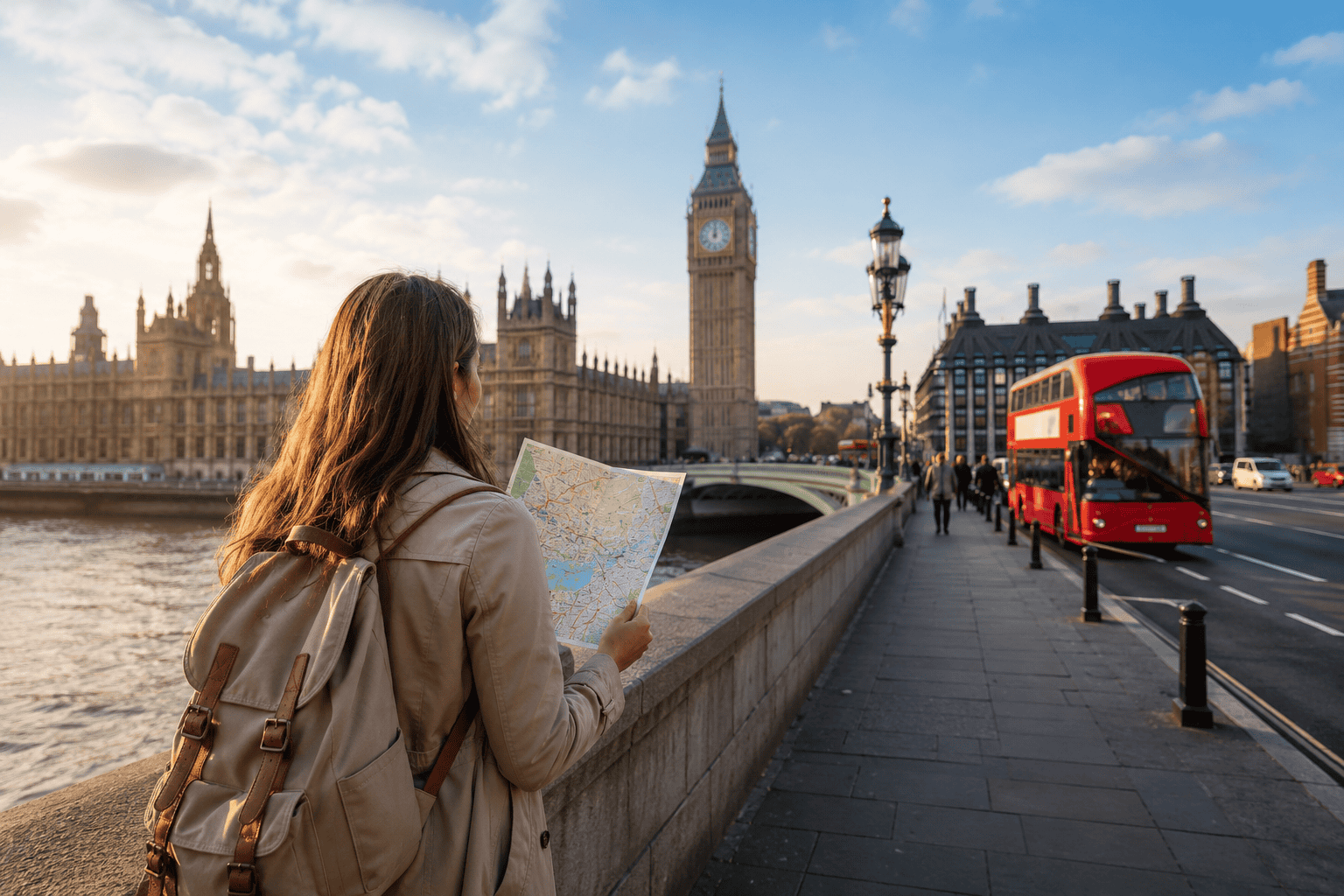
One of the biggest questions when planning London on a budget is how much you should expect to spend each day. Your total depends on where you stay, how you travel, and whether you focus on free or paid attractions.
| Category | Budget | Mid-Range | Splurge |
|---|---|---|---|
| Accommodation | £45–65 hostel or budget hotel | £110–160 hotel | £200–350+ |
| Breakfast | £4–8 bakery or café | £12–18 restaurant | £20+ |
| Lunch | £8–14 market or casual food | £18–28 restaurant | £35+ |
| Dinner | £14–20 pub or casual dining | £30–50 restaurant | £70+ |
| Transport | £5–8 using contactless | £8–12 | £20+ taxis |
| Activities | £0 using free attractions | £15–35 | £50+ |
| Estimated Daily Total | £76–115 | £193–303 | £375+ |
These estimates are achievable if you book accommodation early, use London’s public transport, and make the most of the city’s excellent free museums, galleries, and parks.
Why London Works Well for Budget Travellers
Although London has a reputation for being expensive, it is also one of Europe’s best cities for budget travellers thanks to its outstanding collection of free museums, extensive public transport network, and numerous affordable food markets.
Visit Free Museums and Galleries
Many of London’s best cultural attractions have free permanent admission, including:
- British Museum
- Natural History Museum
- Victoria and Albert Museum
- Science Museum
- Tate Modern
- National Gallery
- National Portrait Gallery
- Sir John Soane’s Museum
Visiting several of these attractions can save a significant amount compared with many other major European capitals.
Save Money on Transport
Using a contactless bank card or mobile wallet is usually the easiest and cheapest way to travel on the Tube and buses. Daily fare caps help limit transport costs, making it easy to explore central London without purchasing paper tickets.
Eat Well for Less
Food markets and local cafés often offer much better value than restaurants beside major tourist attractions.
- Borough Market for varied lunches.
- Maltby Street Market for weekend street food.
- Brixton Market for affordable international cuisine.
- Leather Lane Market for inexpensive weekday lunches.
Supermarket meal deals from Tesco, Sainsbury’s, and similar chains are another easy way to keep daily food costs low.
Best Budget Accommodation in London
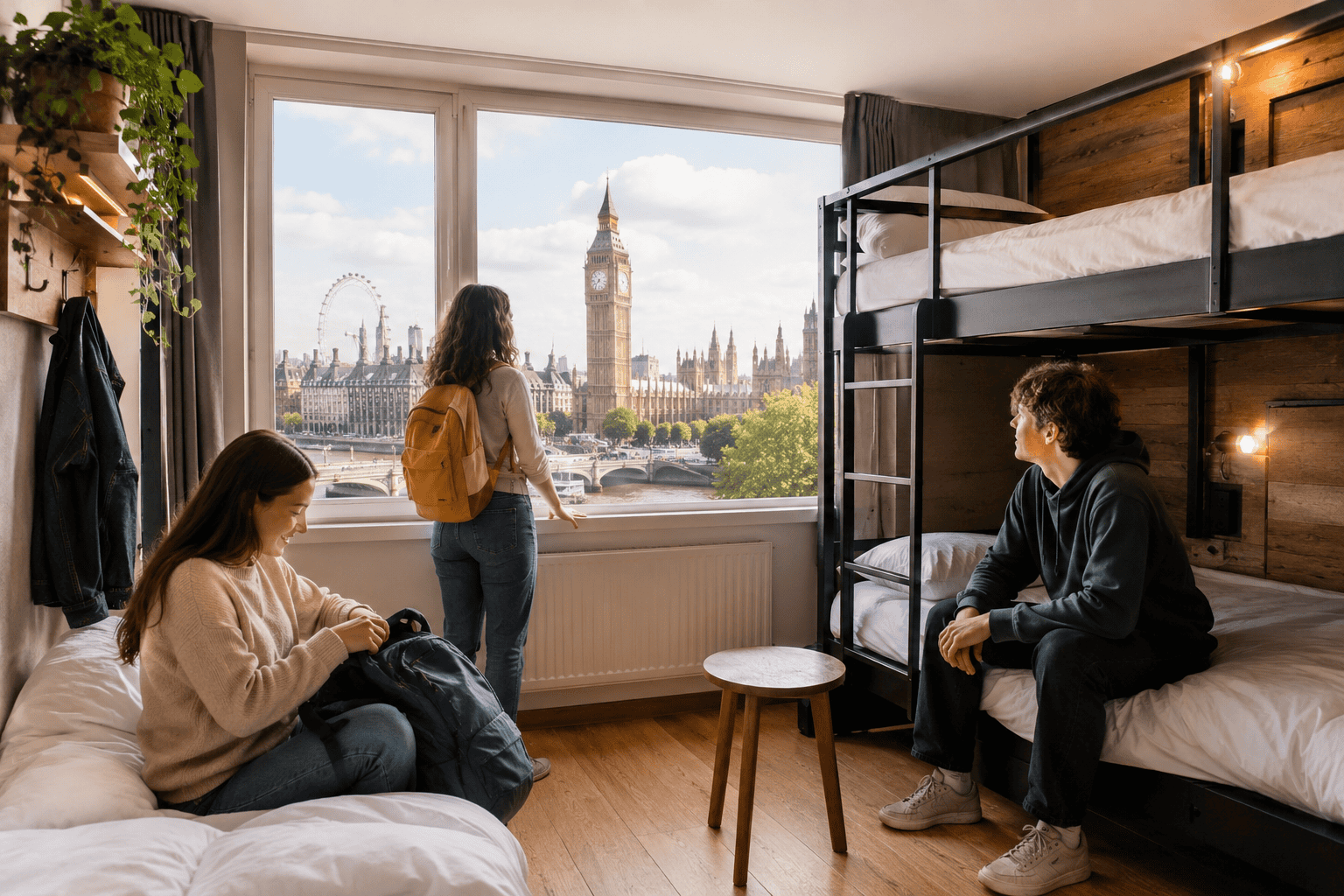
Accommodation is usually the largest expense when visiting London on a budget.
- Hostels: Dorm beds generally cost £25–45, while private rooms often start around £70.
- Budget hotels: Premier Inn and Travelodge frequently offer good value when booked well in advance.
- Location matters: Staying slightly outside the busiest tourist areas can reduce room prices while still providing easy Tube access.
Always compare accommodation savings against additional transport costs before booking.
What to Skip to Save Money in London
- Hop-on hop-off buses if you are comfortable using the Tube and public buses.
- Restaurants immediately beside major landmarks where prices are often much higher.
- Multiple paid viewpoints when excellent free viewpoints and parks are available.
If your budget allows for a few paid experiences, attractions such as the Tower of London, Kew Gardens, or a West End theatre performance are often considered worthwhile.
3-Day London Budget Itinerary
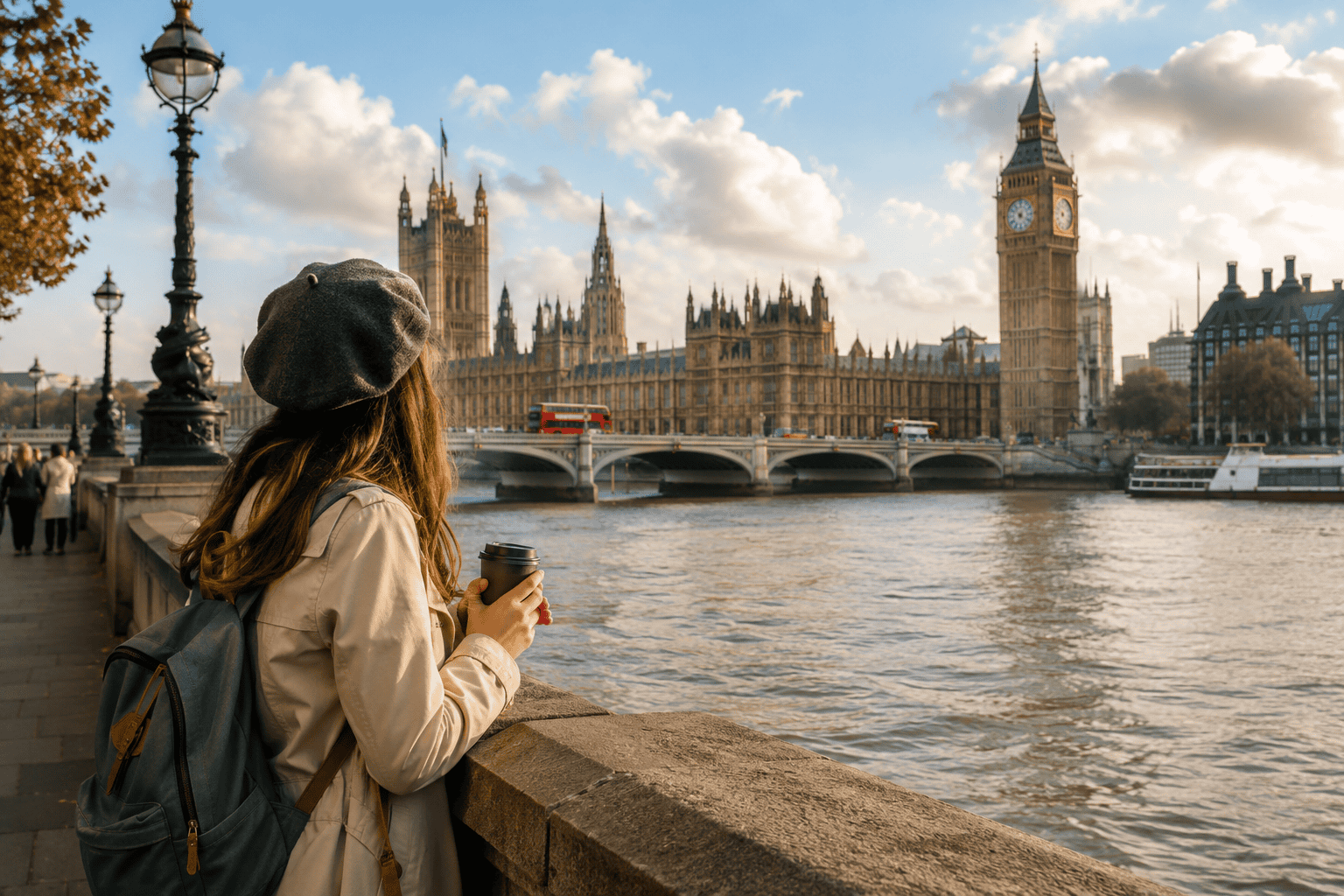
Day 1: South Bank and the City
Visit Tate Modern, walk across Millennium Bridge, explore the South Bank, enjoy lunch at Borough Market, and finish with an affordable pub dinner.
Day 2: Museums and the West End
Spend the morning at the British Museum before walking through Covent Garden, Soho, Chinatown, and Trafalgar Square.
Day 3: South Kensington and Hyde Park
Choose between the Natural History Museum or the Victoria and Albert Museum, then explore Hyde Park, Kensington Gardens, and Notting Hill.
This itinerary keeps attraction costs low while covering many of London’s highlights.
Money-Saving Tips for London
- Use contactless payment for public transport.
- Book accommodation several weeks or months ahead.
- Walk between nearby attractions whenever practical.
- Prioritise free museums, galleries, and parks.
- Eat lunch at food markets and use supermarket meal deals.
- Compare hotel prices with transport costs before choosing where to stay.
- Travel during quieter months if your schedule is flexible.
With sensible planning, London on a budget is entirely possible while still enjoying many of the city’s most famous attractions.
Frequently Asked Questions
Is London affordable on a budget?
Yes. By choosing budget accommodation, using public transport, and visiting free attractions, many travellers can enjoy London without excessive spending.
What is free to do in London?
Many famous museums and galleries are free, including the British Museum, National Gallery, Tate Modern, Science Museum, Natural History Museum, and the Victoria and Albert Museum.
How much does the Tube cost per day?
Daily contactless fare caps usually make travelling much cheaper than buying individual paper tickets. Check current Transport for London fares before your trip.
What is the cheapest way to eat in London?
Street food markets, supermarket meal deals, bakeries, and casual cafés are usually the most affordable options.
How much should I budget for 3 days in London?
Many budget travellers spend approximately £200–300 excluding flights by staying in hostels, using public transport, and focusing on free attractions.
Related London Guides
- London Budget Guide
- London Free Museums
- First Time in London
- 3-Day London Itinerary
- Where to Stay in London
For additional planning information, see London travel guidance on Wikivoyage.
Last verified: 2026-04-27

Mara Vale
Mara Vale writes Eurly travel guides for first-time Europe visitors who want practical routes, realistic pacing, and fewer avoidable planning mistakes.
Eurly guides are written to help readers make confident travel decisions, but opening hours, ticket rules, transit disruptions, and local conditions can change. Always verify key reservations and official schedules before you travel.