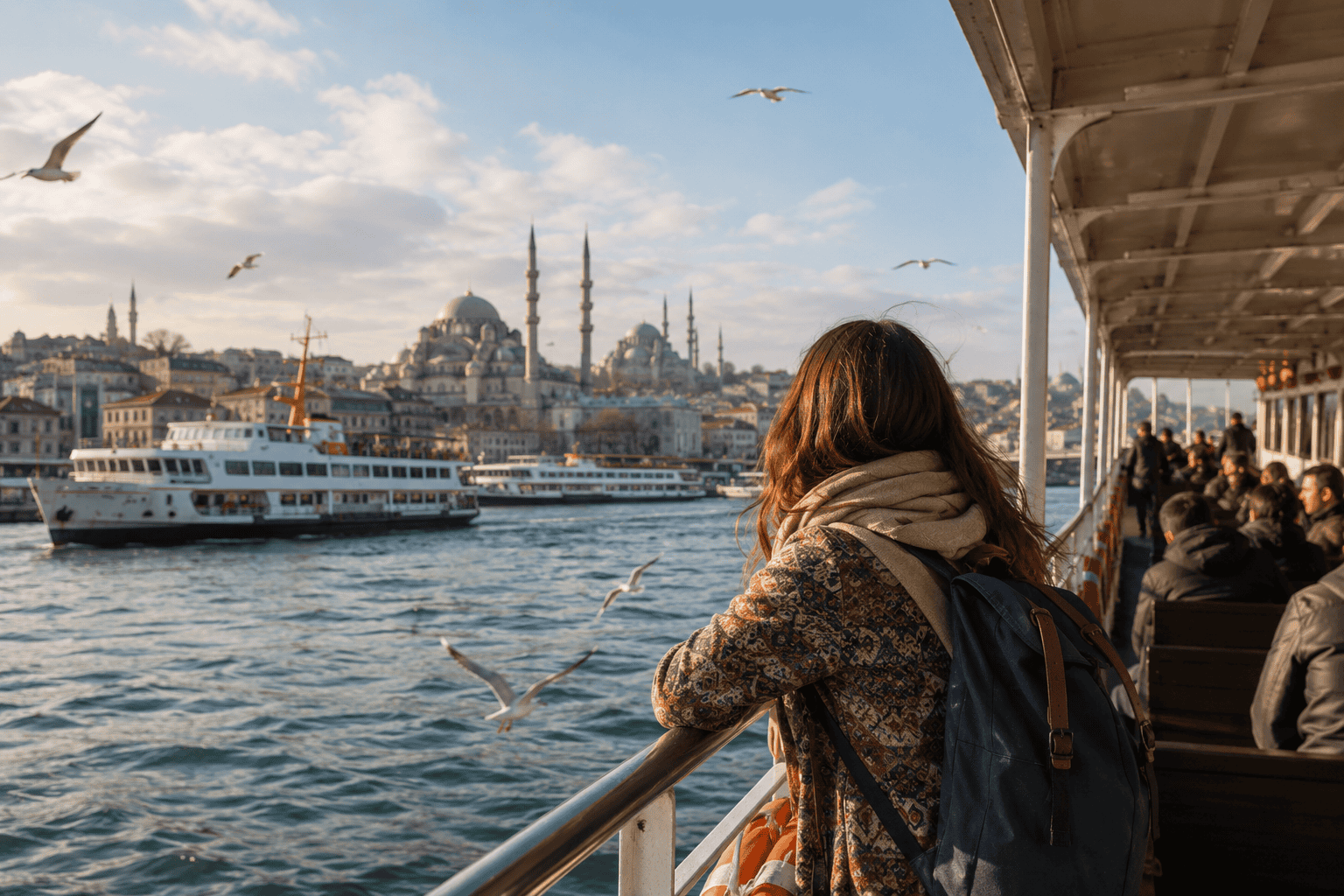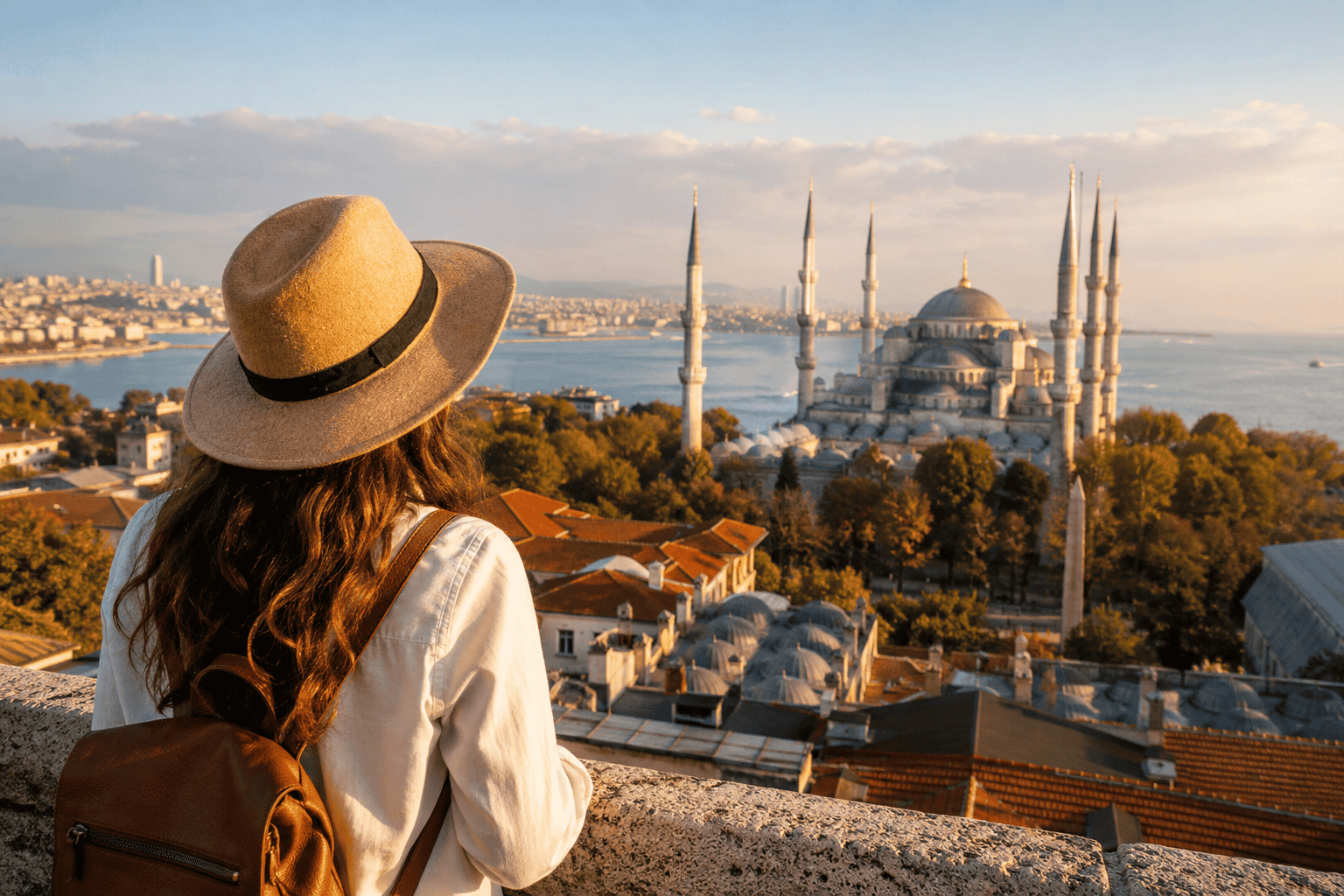

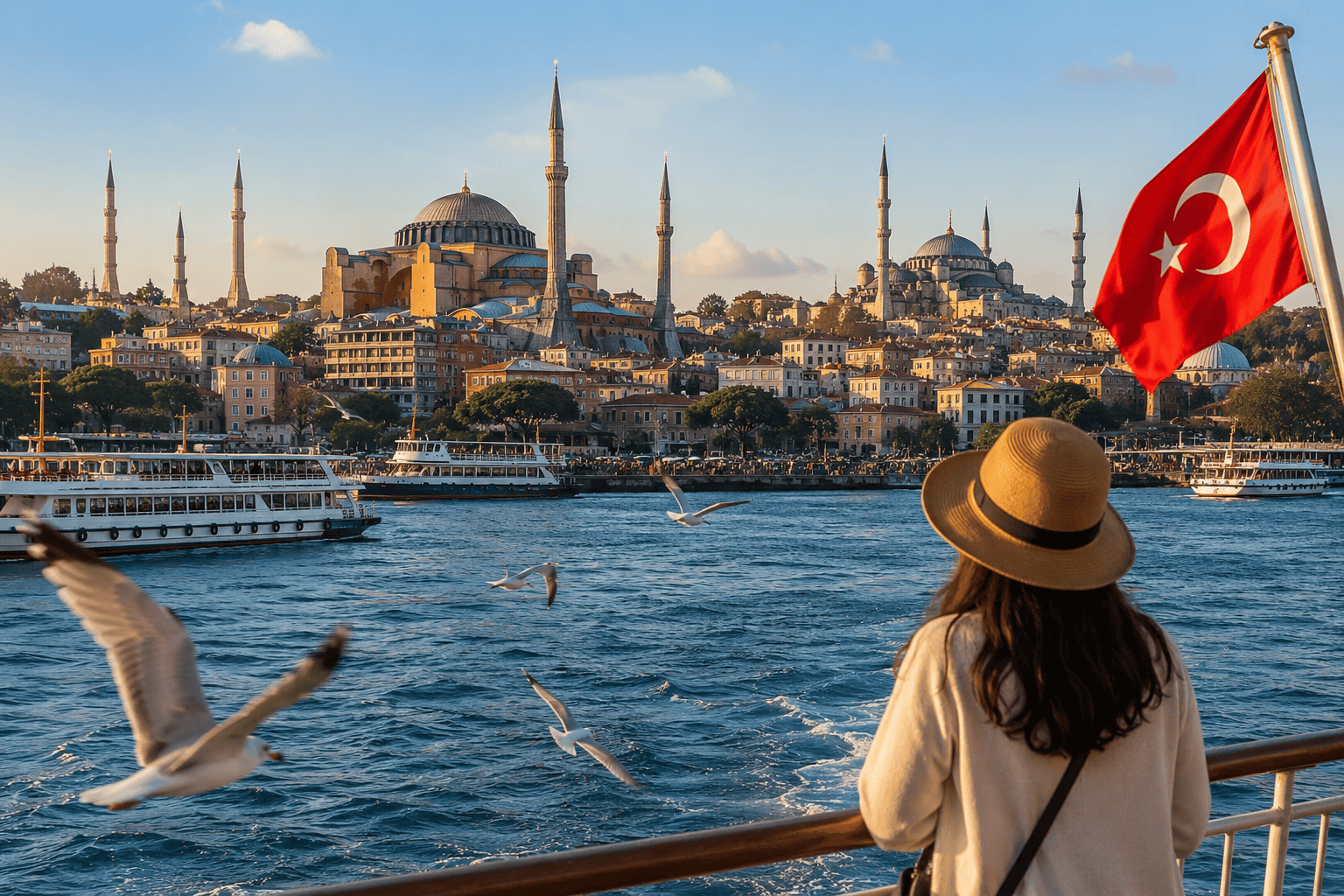
The best things to do in Istanbul range from exploring Byzantine landmarks to cruising the Bosphorus at sunset and discovering rooftop views across the city. Istanbul is one of the few places where you can walk from Europe to Asia in a single afternoon, hear the call to prayer echo across a historic skyline, then end the night in a buzzing neighborhood filled with food, culture, and nightlife.
This guide ranks the best things to do in Istanbul based on genuine traveler value — what deserves your limited time, what to book ahead, what is honestly worth skipping, and what mistakes to avoid.
Quick Takeaways
Start here: The best things to do in Istanbul range from exploring Byzantine landmarks to cruising the Bosphorus at sunset and discovering rooftop views across the city.
Planning note: This guide ranks the best things to do in Istanbul based on genuine traveler value — what deserves your limited time, what to book ahead, what is honestly...
Quick Answer: What Should First-Time Visitors Not Miss?
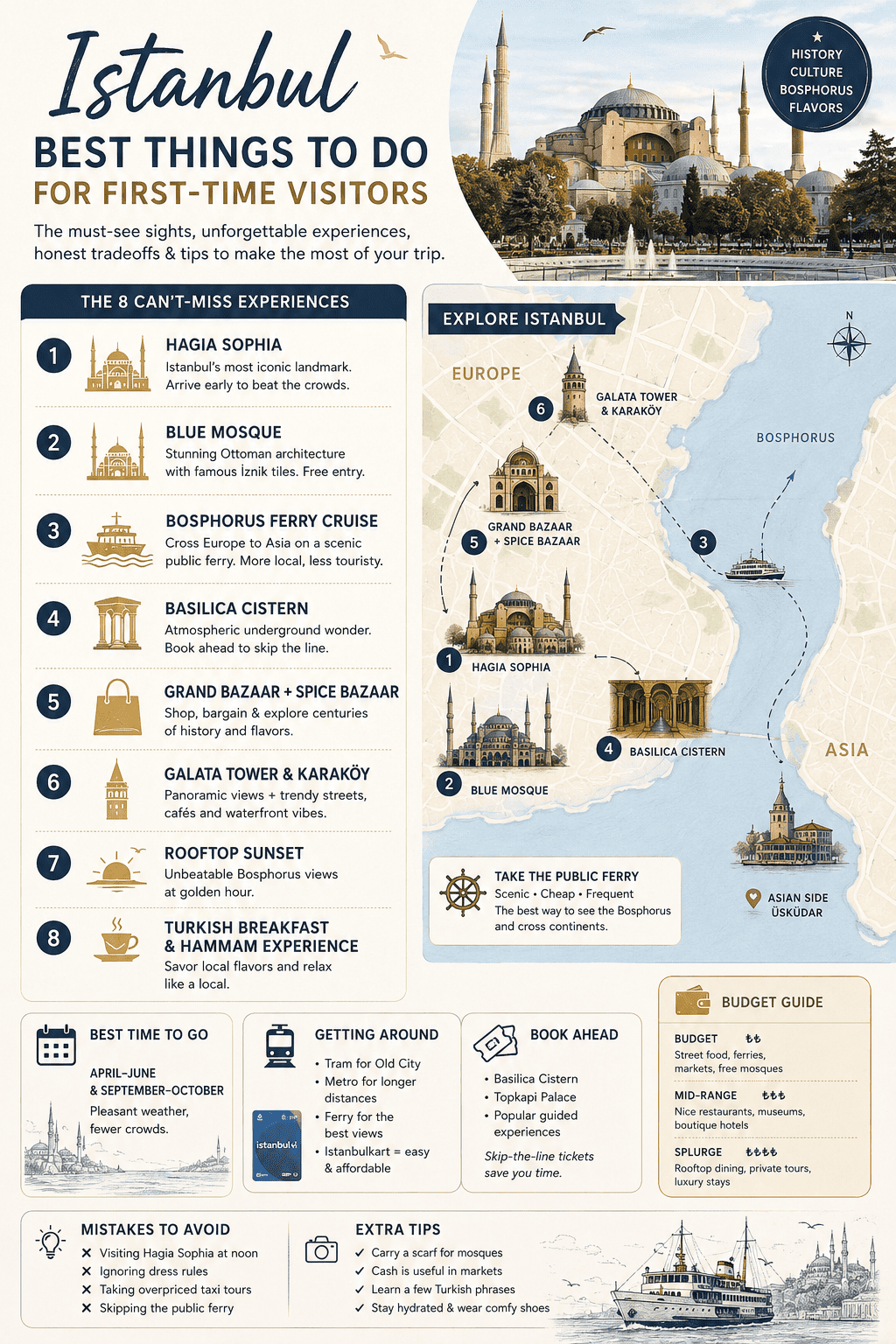
If you have 2–3 days, these are the Istanbul must see attractions that combine history, atmosphere, and memorable travel experiences in one manageable list:
- Hagia Sophia
- Blue Mosque
- Bosphorus ferry crossing
- Basilica Cistern
- Grand Bazaar and Spice Bazaar
- Galata Tower and the Karaköy district
- A rooftop sunset in Sultanahmet or Galata
- Turkish breakfast and a traditional hammam
1. Hagia Sophia — The One Attraction You Cannot Skip
If you only visit one site in Istanbul, make it Hagia Sophia. Originally built as a Byzantine cathedral in 537 AD, later converted into an Ottoman mosque, then a secular museum, and since 2020 a functioning mosque again, Hagia Sophia is less a building and more a compressed timeline of empires.
Why it is genuinely worth it
- The interior feels enormous even after you have seen photographs — the scale surprises almost everyone
- Byzantine mosaics and Islamic calligraphy coexist in one space, which is historically remarkable
- No single site captures Istanbul’s layered identity more completely
Honest tradeoffs
- Crowds are intense by mid-morning, especially during cruise-ship days
- Modest dress is required — shoulders and knees must be covered; scarves are available at the entrance
- As an active mosque, certain interior sections previously open to tourists are now restricted during prayer times
Best time to visit
Arrive before 9 AM or in the late afternoon close to opening hours. Avoid Friday midday, when the main prayer session closes access to non-worshippers.
Worth booking ahead?
Entry requirements and ticketing for non-Muslim visitors have changed more than once since 2020 — check the official Hagia Sophia site before you go for the current policy.
2. Blue Mosque — Still Worth It Despite the Crowds
The Blue Mosque sits directly opposite Hagia Sophia in Sultanahmet Square, making it the easiest pairing in the city. Many travelers assume it is overrated because it appears in every guidebook. It is touristy — but the architecture earns its place among the top things to do in Istanbul.
Why people rate it highly
- Six minarets and cascading domes that read differently at every angle
- Renowned İznik tilework inside — over 20,000 hand-painted blue tiles
- Free entry for visitors outside prayer times
- Atmospheric setting, particularly in early morning light
Honest tradeoff
The interior is often partially sectioned off for active worshippers and ongoing restoration. You may not see the full space depending on your timing.
Practical tip
Visit immediately after Hagia Sophia in the early morning, before tour groups arrive at around 10 AM. The two sites are a five-minute walk apart.
3. Take a Bosphorus Ferry — Better Than Most Paid Cruises
One of the biggest surprises for first-time visitors: the public ferries are often more enjoyable than expensive tourist cruises. Crossing between Europe and Asia while watching Ottoman palaces, mosques, and waterfront timber mansions (yalıs) glide past is one of the most memorable things to do in Istanbul — and it costs almost nothing.
Best option for first-timers
Take the public Şehir Hatları ferry from Eminönü or Karaköy to Kadıköy or Üsküdar on the Asian side. Ferries run frequently throughout the day.
Why it works
- Inexpensive and paid with the standard Istanbul transport card (Istanbulkart)
- Outstanding skyline views in both directions
- An authentic local experience rather than a tourist package
- Doubles as a practical way to reach the Asian side
When a paid cruise is worth the extra cost
Book a guided sunset cruise if you want on-board commentary, dinner, or a dedicated photography experience. For the scenery alone, the public ferry is enough.
Worth booking ahead?
No — public ferries run all day and rarely sell out. For private dinner cruises, advance booking is advisable in peak summer months.
4. Basilica Cistern — Short Visit, Big Payoff
The Basilica Cistern is one of the rare Istanbul attractions that nearly everyone leaves impressed by. Built under Justinian I in the 6th century, this vast underground reservoir holds 336 marble columns rising from shallow water, lit dramatically in dim amber light. The atmosphere is closer to a film set than a historical site — in the best possible way.
Why it works so well
- Compact and walkable — the full circuit takes 30–45 minutes
- Genuinely dramatic visuals, especially the Medusa-head column bases
- A cool escape during Istanbul’s hot summer months
- Directly walkable from Hagia Sophia and the Blue Mosque
Honest tradeoff
Entry is relatively expensive relative to the visit length, and recent renovation work has made the interior feel somewhat more polished and less atmospheric than it was historically.
Worth booking ahead?
Yes — especially in summer and on weekends. Online tickets are available through the Istanbul Cultural Heritage platform and reduce queuing significantly.
5. Grand Bazaar — Visit for the Atmosphere, Not the Shopping
The Grand Bazaar absolutely belongs on any list of Istanbul must see attractions. Covering over 60 streets and 4,000 shops, it is one of the oldest and largest covered markets in the world — chaotic, historic, photogenic, and unlike almost anywhere else.
But here is the advice most guides skip: the Grand Bazaar is generally not the best place to actually buy souvenirs.
Why still visit
- The covered architecture and labyrinthine layout are genuinely impressive
- Excellent people-watching and atmosphere
- Essential first-visit Istanbul experience
- Easily combined with the nearby Spice Bazaar
What is overrated
Buying carpets, lamps, or jewelry inside the Bazaar without researching fair prices first. Markups for tourists can be very high.
Better strategy
Browse here for orientation, then compare prices on the Spice Bazaar’s side streets, in Kadıköy, or in smaller neighbourhood shops. Bargaining is expected — never accept the first quoted price.
6. Galata Tower and the Karaköy District — Istanbul’s Modern Energy
Many first-time visitors spend the entirety of their trip around Sultanahmet and miss the city’s contemporary character. Galata and Karaköy — connected by steep cobblestone streets leading down to the waterfront — offer a very different side of Istanbul: independent cafes, rooftop bars, boutique design shops, and some of the city’s best food.
Is Galata Tower worth climbing?
Usually yes — but only if queues are short. The panoramic views over the Golden Horn and Bosphorus are excellent. In peak summer, the wait can exceed an hour for a view you can approximate from a nearby rooftop cafe for the cost of a coffee.
Better alternative
If the tower queue looks long, skip it and spend the time walking the Galata neighbourhood instead. Settle into a rooftop cafe for the view with far less waiting.
7. Eat a Proper Turkish Breakfast
A Turkish breakfast is not a quick meal. It is a spread and an event: expect multiple cheeses, cured meats, olives, soft-boiled eggs, honey, clotted cream, fresh breads, seasonal jams, pastries, and endless rounds of tea — more dishes than most visitors can finish.
Best areas for Turkish breakfast
- Beşiktaş — lively neighbourhood feel, local cafes
- Karaköy — fashionable brunch spots with strong coffee culture
- Kadıköy — relaxed Asian-side atmosphere, better value than tourist districts
Budget guidance
A full Turkish breakfast at a neighbourhood cafe runs roughly €5–10 per person. Trendy waterfront brunch spots in Karaköy or Beşiktaş can reach €15–25.
Mistake to avoid
Skipping breakfast to “save time.” In Istanbul, the morning meal is part of the cultural experience — not just fuel for sightseeing.
8. Visit a Traditional Hammam — But Choose Carefully
A traditional Turkish hammam can be one of the highlights of your trip — or an overpriced disappointment. The difference usually comes down to which hammam you choose and whether you understand what the experience involves before you go.
Worth it if you
- Choose a historic, well-reviewed hammam rather than a pop-up tourist operation
- Understand that the core experience is a traditional body scrub (kese), not a luxury spa treatment
- Are comfortable with a gender-separated but fairly communal bathing environment
Honest tradeoffs
- Some visitors find the experience more abrupt or intense than expected
- Tourist-facing hammams near Sultanahmet can charge significantly more than neighbourhood options
Worth booking ahead?
Yes for reputable historic hammams — particularly Çemberlitaş Hamamı and Çağaloğlu Hamamı, both within walking distance of Hagia Sophia. These fill up during peak season.
Budget
Standard hammam packages at historic venues run approximately €30–60. Luxury add-ons can push this to €80–100+.
9. Cross to the Asian Side — Kadıköy
Many first-time visitors to Istanbul never cross to the Asian side, which is a genuine oversight. Kadıköy feels noticeably less touristy, more relaxed, and more reflective of how locals actually live than the Sultanahmet district does.
Why it is worth the ferry ride
- A strong independent food and cafe scene — one of the best in Istanbul
- Street art, record stores, and neighbourhood bars
- Better prices than European-side tourist areas
- The ferry crossing itself is part of the experience
Best for
Travelers staying three days or more. On ultra-short itineraries, Kadıköy can reasonably be deprioritised — but if you have a free afternoon, it is an easy and rewarding half-day trip.
10. Watch Sunset from a Rooftop
Istanbul becomes genuinely spectacular at sunset. Minarets silhouette against orange and pink skies, ferries cross the Bosphorus below, and the evening call to prayer echoes across the water simultaneously from multiple directions. It is one of those travel moments that is difficult to overstate.
Best areas for sunset views
- Sultanahmet rooftops — direct views of Hagia Sophia and the Blue Mosque
- Galata and Karaköy — views across the Golden Horn and Bosphorus
- Beşiktaş waterfront — less touristic, good evening atmosphere
Practical tip
Many rooftop restaurants in tourist areas are overpriced relative to food quality. Go for drinks or tea at sunset rather than a full dinner unless a specific spot has strong recent reviews.
What Is Overrated or Worth Skipping in Istanbul?
Not everything marketed to first-time visitors deserves equal priority on a short trip.
Overpriced tourist dinner cruises
Most prioritise loud entertainment over the Bosphorus scenery they advertise. The public ferry gives you the views for a fraction of the price.
Long waits for Galata Tower at peak hours
The neighbourhood surrounding the tower is often more enjoyable than the tower itself. If the queue is long, skip it.
Commercialised whirling dervish shows near tourist zones
Many venues near Sultanahmet have little connection to the spiritual Sufi tradition they reference. If this interests you, seek out a ceremony at a tekke (dervish lodge) instead.
Heavy shopping inside the Grand Bazaar
Prices are usually inflated for tourists. Browse the atmosphere, compare prices elsewhere before committing to anything significant.
What to Book Ahead in Istanbul
Booking ahead matters more in Istanbul than many travelers expect, particularly in summer (June–August) and during major public holidays.
Definitely book ahead
- Basilica Cistern (online tickets significantly cut queuing time)
- Reputable historic hammams
- Private sunset or Bosphorus cruises
- High-rated rooftop restaurants for dinner
- Airport transfers if arriving late at night
Usually fine without pre-booking
- Public Şehir Hatları ferries
- Blue Mosque (free entry, no tickets)
- Grand Bazaar and Spice Bazaar
- Most neighbourhood cafes and breakfast spots
Common First-Time Istanbul Mistakes
Staying only in Sultanahmet
The historic district is a strong base for sightseeing but limited for nightlife and local food after dark. Consider splitting time between Sultanahmet and Beyoğlu or Karaköy.
Underestimating travel times
Istanbul’s traffic is serious, particularly on the European side. The tram and public ferries are almost always faster than taxis for cross-city movement.
Not carrying cash
Card payments are widely accepted in restaurants and hotels, but market vendors, smaller cafes, and hammams often still prefer cash. Keep Turkish lira on hand.
Trying to cover everything in two days
Istanbul rewards slower exploration. A morning spent wandering Karaköy without an agenda is often more memorable than ticking six attractions off a list.
Suggested Istanbul Itinerary for First-Time Visitors
If you have 2 days
Day 1 — Historic Sultanahmet
- Hagia Sophia (early morning)
- Blue Mosque (mid-morning)
- Basilica Cistern (late morning)
- Grand Bazaar and Spice Bazaar (afternoon)
- Rooftop sunset drinks (evening)
Day 2 — The Other Istanbul
- Turkish breakfast in Karaköy or Beşiktaş (morning)
- Galata Tower and neighbourhood walk (mid-morning)
- Bosphorus public ferry to Kadıköy (afternoon)
- Hammam (late afternoon)
If you have 4–5 days, add
- Dolmabahçe Palace
- Princes’ Islands day trip
- A food tour of Kadıköy market
- Beylerbeyi Palace on the Asian side
- Chora Church (Kariye Mosque) in the Edirnekapı district
FAQ: Best Things to Do in Istanbul
What are the must-do attractions in Istanbul?
The core must-see attractions for first-time visitors are Hagia Sophia, the Blue Mosque, Basilica Cistern, the Grand Bazaar, and the Bosphorus ferry crossing. These five cover Istanbul’s history, architecture, and waterfront character without requiring more than two days. Add Galata and the Asian side if your schedule allows.
What should first-time visitors not miss in Istanbul?
Beyond the landmark sites, first-time visitors should not miss: taking a public ferry between Europe and Asia, watching sunset over the Bosphorus from a rooftop, sitting down for a proper Turkish breakfast, and spending at least one afternoon in a neighbourhood that feels less like a tourist zone — Karaköy and Kadıköy are both strong options.
What is overrated or worth skipping in Istanbul?
Travelers with limited time can reasonably skip tourist dinner cruises on the Bosphorus (the public ferry gives you comparable views for far less money), long queues for Galata Tower at peak hours, and heavy shopping inside the Grand Bazaar where prices tend to be inflated. Commercialised whirling dervish shows near Sultanahmet are also frequently cited as disappointing.
How many days do you need in Istanbul?
Three to five days is the realistic minimum for a first visit. Less than that feels rushed given the city’s size, traffic, and the number of genuinely worthwhile experiences spread across different districts. If you only have two days, focus on Sultanahmet in the morning and Galata or Kadıköy in the afternoon, and use ferries and the tram rather than taxis.
Is Istanbul safe for first-time visitors?
Istanbul is generally safe for tourists. The most common issues in tourist areas are aggressive sales tactics and unofficial guides near Hagia Sophia and the Grand Bazaar — not security risks. Standard urban awareness applies: keep valuables secure, avoid unlicensed taxis, and book transport through official apps or your accommodation when arriving late.
Useful links:
- Istanbul Cultural Heritage — official ticketing for Basilica Cistern and other sites
- Şehir Hatları — Istanbul public ferry routes and timetables
By Mara Vale for Eurly
Last verified: May 2025. Entry requirements and ticketing policies for Hagia Sophia and the Basilica Cistern have changed multiple times in recent years — confirm current terms directly before your visit.

Mara Vale
Mara Vale writes Eurly travel guides for first-time Europe visitors who want practical routes, realistic pacing, and fewer avoidable planning mistakes.
Eurly guides are written to help readers make confident travel decisions, but opening hours, ticket rules, transit disruptions, and local conditions can change. Always verify key reservations and official schedules before you travel.