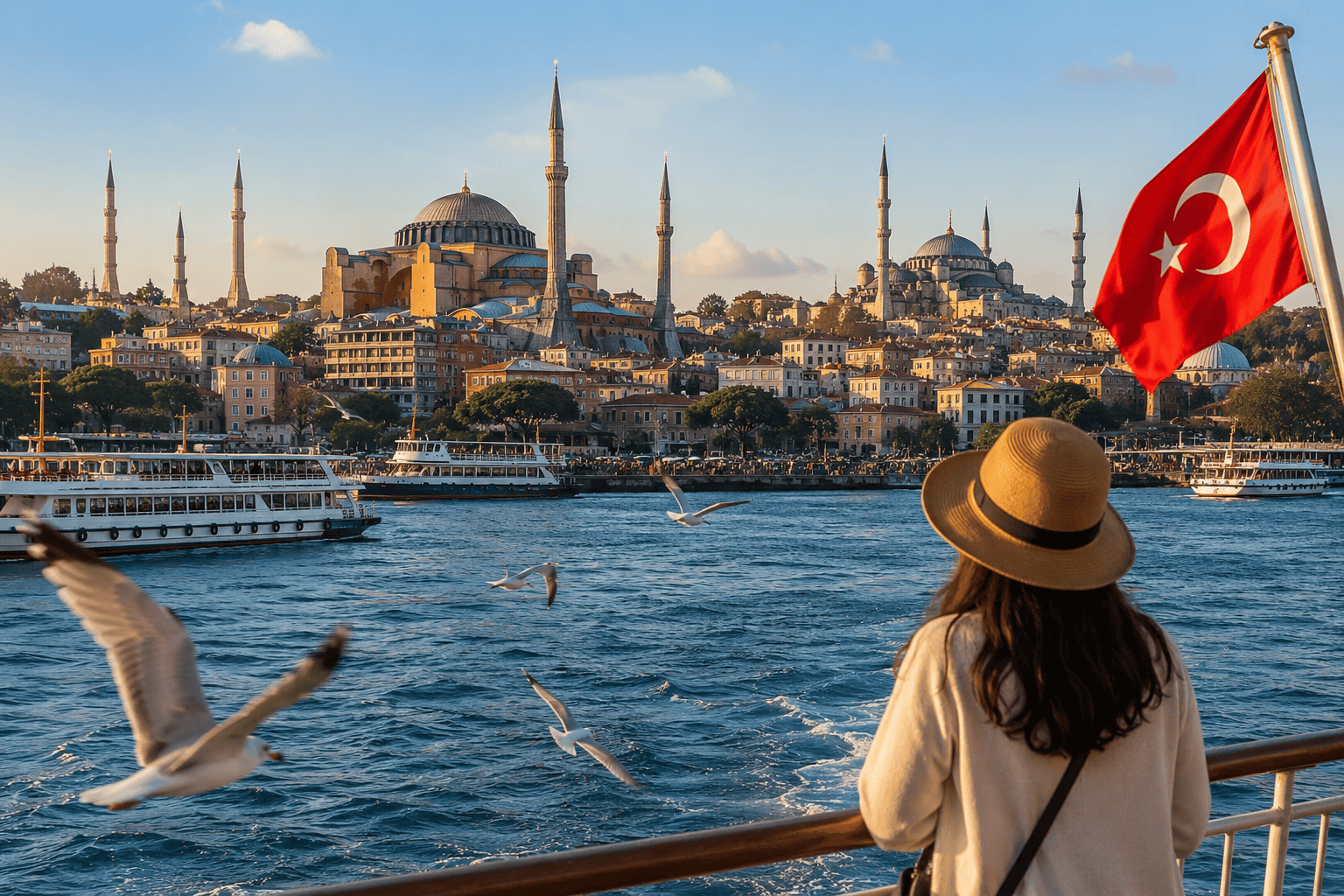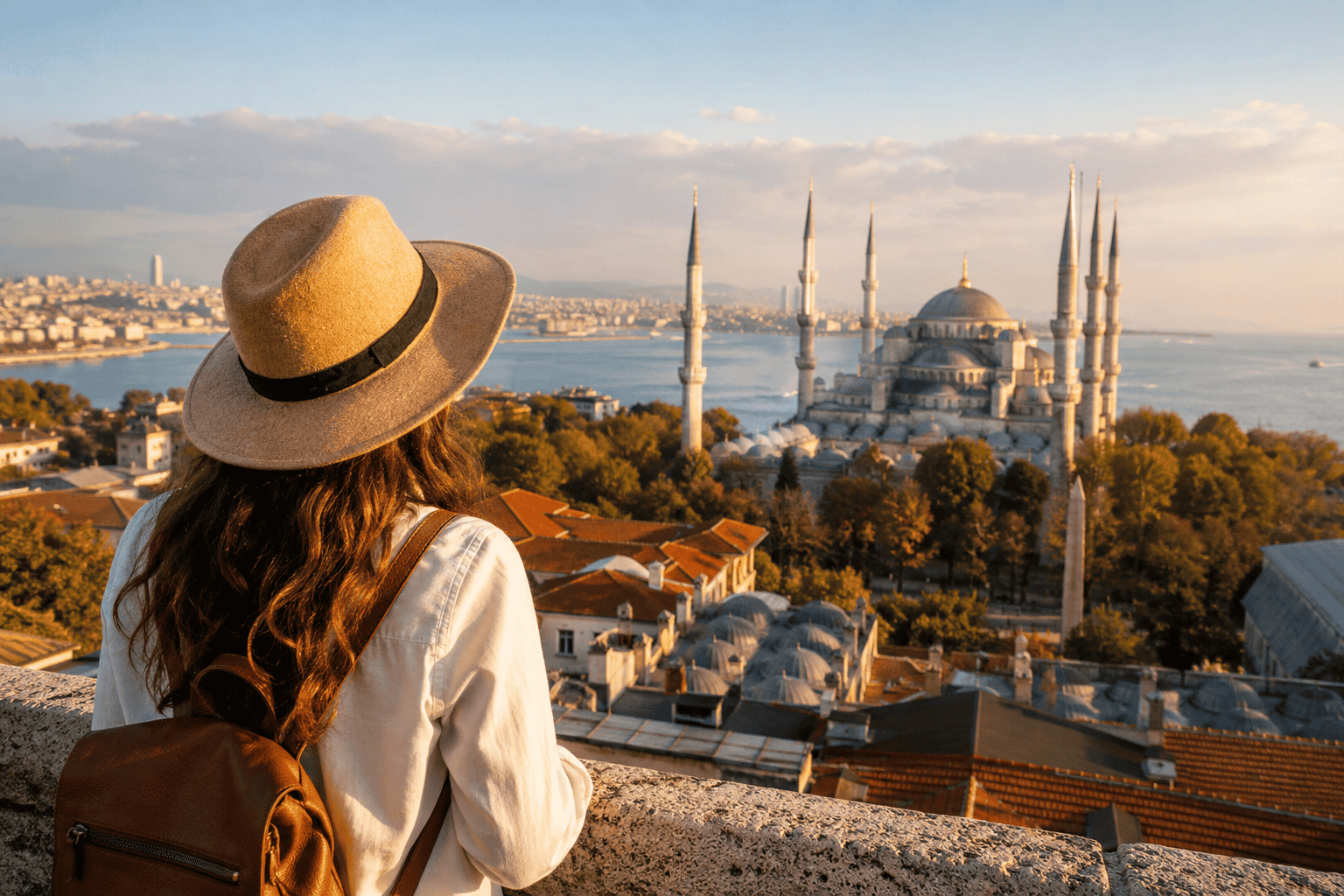

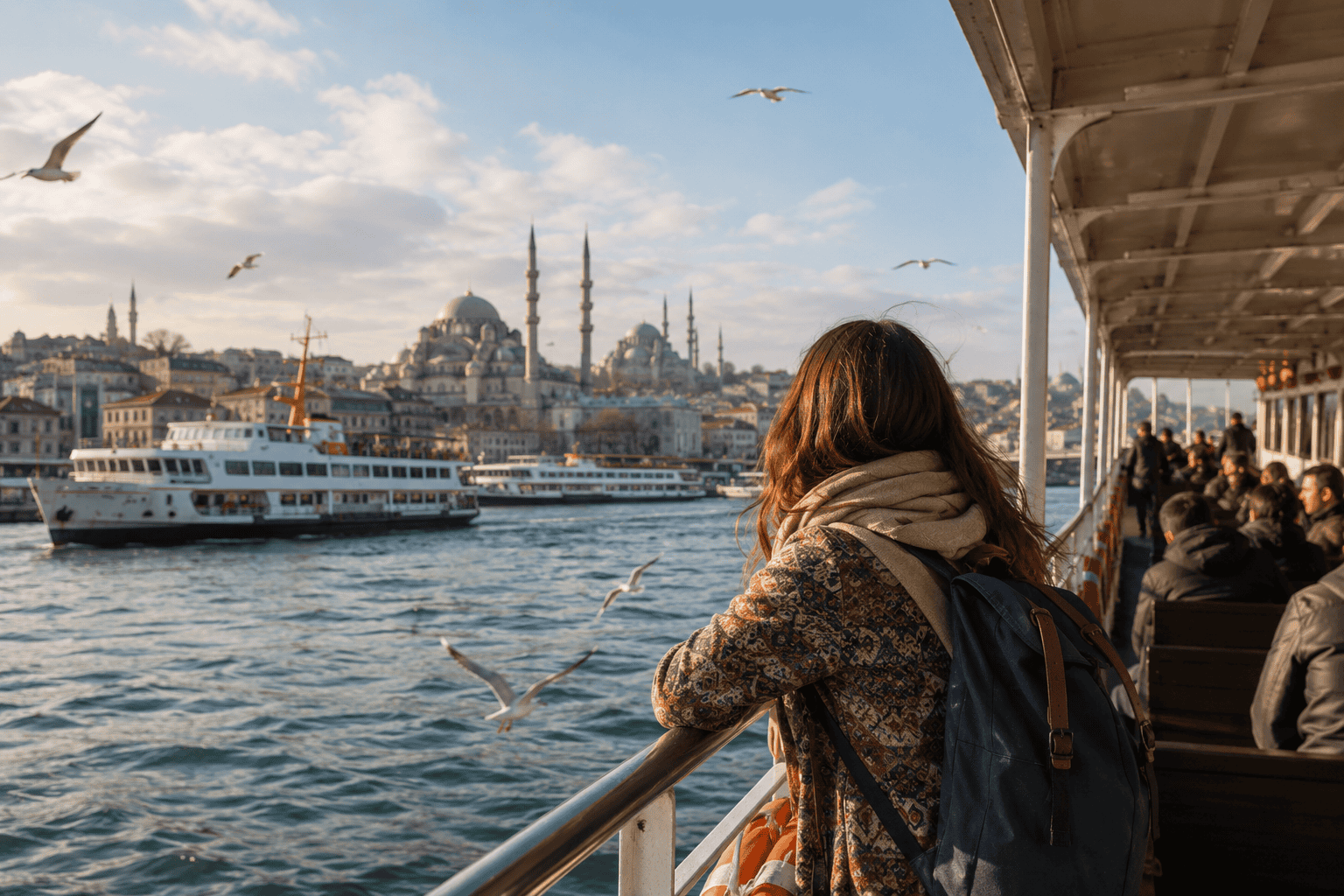
Free things to do in Istanbul are surprisingly easy to find, whether you enjoy historic mosques, Bosphorus viewpoints, local markets, or long neighborhood walks. The city rewards slow, budget-friendly travel with public ferries, lively streets, and countless cultural sights that cost little to nothing to enjoy.
This guide covers the best free things to do in Istanbul, alongside practical tips on cheap transport, budget-friendly neighborhoods, and a few low-cost experiences worth paying for. The focus throughout is on real, useful specifics rather than a generic tourist checklist.
Quick Takeaways
Start here: Free things to do in Istanbul are surprisingly easy to find, whether you enjoy historic mosques, Bosphorus viewpoints, local markets, or long neighborhood walks.
Planning note: This guide covers the best free things to do in Istanbul, alongside practical tips on cheap transport, budget-friendly neighborhoods, and a few low-cost experiences worth paying for.
Can You Enjoy Istanbul on a Small Budget?
Yes — and more easily than in most European capitals. Food, local transport, tea, ferry rides, and street snacks are all genuinely affordable, and a large number of Istanbul’s most rewarding experiences cost nothing at all. Many travelers burn their budget on paid museums and miss the city itself.
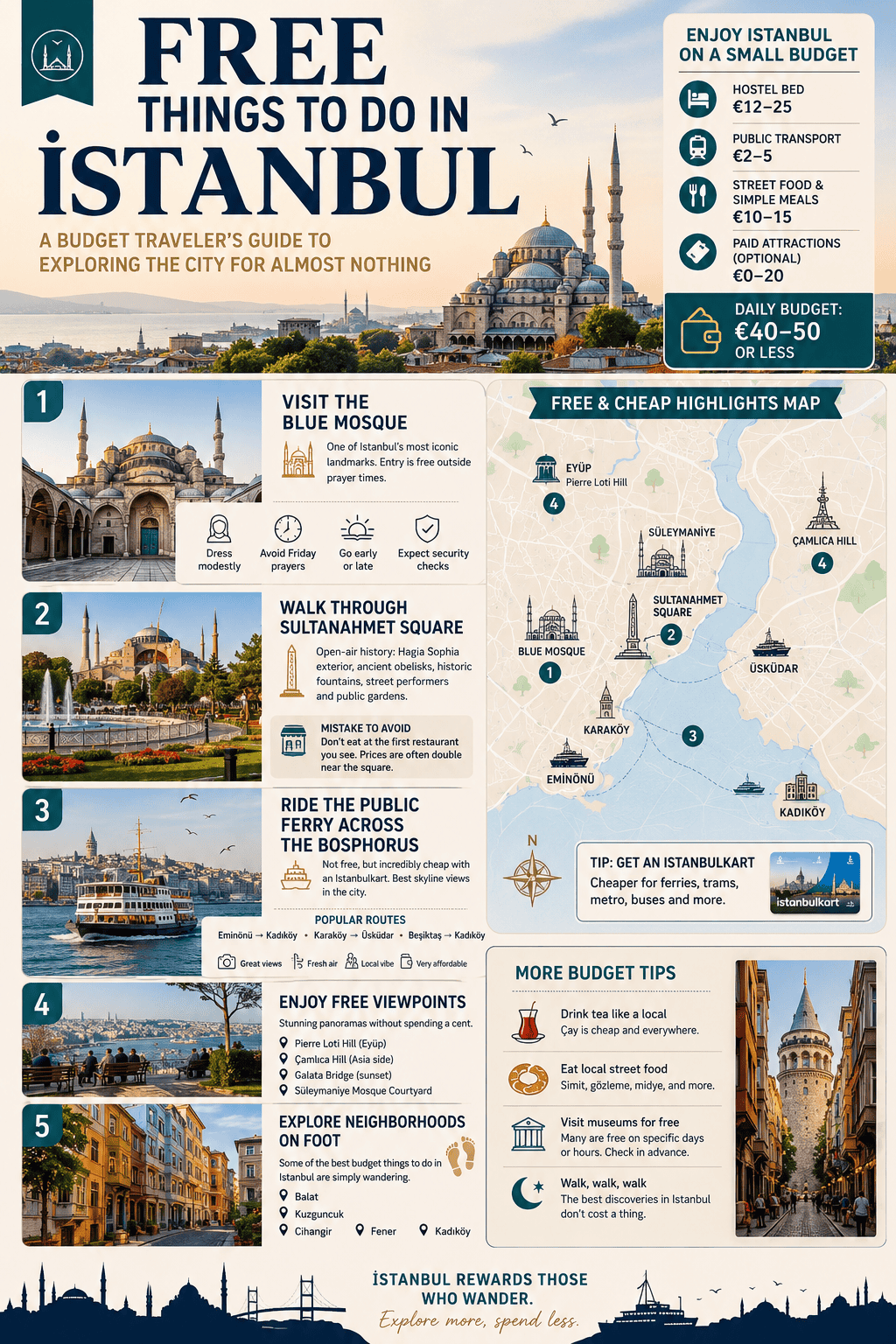
A realistic daily backpacker-style budget in Istanbul looks roughly like this:
- Hostel bed: €12–25
- Public transport (with Istanbulkart): €2–5
- Street food and simple local meals: €8–15
- Paid attractions (optional): €0–20
If you focus on free attractions and avoid tourist-priced restaurants in Sultanahmet, a comfortable day exploring Istanbul is possible for well under €50.
What Are the Best Free Things to Do in Istanbul?
1. Visit the Blue Mosque
The Sultan Ahmed Mosque — better known as the Blue Mosque — is one of the finest free attractions in Istanbul. Unlike many famous European landmarks, entry remains free outside prayer times, and the interior’s İznik tile work, cascading domes, and filtered light are genuinely impressive in person.
Practical tips:
- Dress modestly; scarves and shoe covers are available at the entrance if needed.
- Avoid visiting during Friday midday prayers, when the mosque closes to tourists.
- Early morning and late afternoon are noticeably quieter than midday.
- Expect airport-style security queues during peak summer season.
Budget traveler note: The Blue Mosque is free, but Sultanahmet is the city’s most tourist-priced district. Eat lunch in Fatih or Eminönü rather than at the square’s surrounding restaurants, where prices are often double.
2. Walk Around Sultanahmet Square
Even without entering every monument, Sultanahmet functions as a kind of open-air historical park. Within a short walk from the square you can see the exterior of Hagia Sophia, ancient Roman obelisks including the Column of Constantine and the Serpent Column, historic Ottoman fountains, public gardens, and the Blue Mosque itself. Half a day here costs nothing.
Mistake to avoid: The restaurants immediately around the square typically charge tourist prices. Walk five to ten minutes toward Eminönü or Fatih for noticeably cheaper meals.
3. Ride a Public Ferry Across the Bosphorus
Technically not free, but at under €1–2 per journey with an Istanbulkart, a Bosphorus ferry crossing belongs on any list of cheap things to do in Istanbul. You get city skyline views, fresh air, and the experience of crossing between continents — without paying for a dedicated tourist cruise.
Popular and affordable routes include:
- Eminönü → Kadıköy
- Karaköy → Üsküdar
- Beşiktaş → Kadıköy
Best timing: Take a ferry around sunset for unobstructed views of the mosques and minarets silhouetted over the water. Evening crossings are often less crowded than lunchtime ones.
4. Explore the Grand Bazaar Without Buying Anything
The Grand Bazaar is crowded, occasionally overwhelming, and unapologetically touristy — but entry is free, and wandering its maze-like covered streets is one of the classic experiences in Istanbul. Even as a window-shopping exercise, the scale and variety of the bazaar are worth an hour or two.
Honest advice: Prices inside the bazaar are usually inflated for tourists, and persistent sales pitches can become tiring quickly. If you want to browse markets more comfortably, local neighborhood markets — such as those in Kadıköy or Fatih — tend to offer a more authentic and less pressured experience.
5. Watch the Sunset from Galata Bridge
Standing on Galata Bridge at sunset is one of Istanbul’s best free experiences. Fishermen line the railings on both sides, ferries pass below, and the mosques of Sultanahmet and Süleymaniye form the backdrop across the Golden Horn. It’s also a good vantage point for photography without the crowds of more formal viewpoints.
Budget tip: A simit (the sesame-crusted bread ring sold by street vendors throughout the city) and a glass of tea from a nearby stall cost very little and make a perfectly adequate waterside snack.
6. Wander Through Balat and Fener
Balat and its neighboring district Fener sit along the western shore of the Golden Horn and make for one of the most rewarding free neighborhood walks in Istanbul. The area is known for its colorful staircases, weathered Ottoman-era houses, Greek Orthodox churches, and steep cobbled streets. It also has a growing café scene that still feels more local than Sultanahmet.
Worth noting: Balat’s popularity on social media has pushed some café prices upward. Check menus before sitting down, and stick to the side streets for cheaper tea and food options.
7. Visit Süleymaniye Mosque
Designed by the Ottoman architect Mimar Sinan and completed in 1557, Süleymaniye Mosque is considered one of the finest examples of classical Ottoman architecture in the city. Many travelers find it calmer and less crowded than the Blue Mosque, and its hilltop location provides one of the best free panoramic viewpoints over Istanbul and the Golden Horn.
The surrounding streets — particularly toward Eminönü — have a number of inexpensive local restaurants and soup houses that are considerably cheaper than anything in Sultanahmet.
8. Cross to the Asian Side: Kadıköy and Moda
A large proportion of visitors to Istanbul never leave the European side, which means they miss half the city. Kadıköy is a lively residential and commercial district on the Asian shore, and the adjacent coastal neighborhood of Moda is ideal for a free waterfront walk — particularly at sunset along the Moda coastline.
Both areas tend to offer lower prices for food and drinks than the European tourist districts, and the atmosphere is noticeably more local. The ferry crossing itself (from Eminönü or Beşiktaş) forms part of the experience.
9. Take in the View from Pierre Loti Hill
Pierre Loti Hill, above the Eyüp district on the western side of the city, offers panoramic views over the Golden Horn without an admission fee. You can walk up the hill for free, or pay a small fee for the cable car. The view is especially good in late afternoon light.
Practical note: The cafés at the summit are scenic but priced accordingly. If you’re watching costs, bring snacks rather than planning to eat at the top.
10. Explore Historical Courtyards and Public Gardens
Beyond the major mosques, Istanbul has a number of open historical spaces that are permanently free to enter. The courtyards of the major imperial mosques, public gardens in Sultanahmet and along the waterfront, and certain smaller galleries or cultural spaces offer free access without requiring any planning. Check locally during your trip, as occasional free museum entry days do exist — though schedules change seasonally and are not guaranteed.
Are There Free Museums or Viewpoints in Istanbul?
Most of Istanbul’s major museums — including Topkapı Palace and the Istanbul Archaeology Museums — charge entry fees, and prices have increased noticeably in recent years. Some museums offer occasional free-entry days, but these change seasonally and are not reliable enough to plan around. Check the official Istanbul Culture and Tourism website before your trip if this matters to your budget.
The city’s best permanently free viewpoints include:
- Süleymaniye Mosque terrace area
- Galata Bridge
- Pierre Loti Hill (walk-up access)
- Moda coastline, Asian side
- Üsküdar waterfront
For most budget things to do in Istanbul, prioritizing free mosques, neighborhood walks, public waterfront areas, and ferry rides will get you further than hunting for discounted museum tickets.
Cheap Things to Do in Istanbul Worth Paying For
Not everything has to be free. A handful of very low-cost experiences deliver outsized value.
Eat Street Food
Istanbul’s street food is genuinely good and inexpensive when you eat away from the main tourist squares. Look for:
- Simit — sesame bread rings sold from carts throughout the city
- Balık ekmek — grilled fish sandwiches, best near Eminönü
- Kumpir — loaded baked potatoes, popular in Ortaköy
- Lentil soup — cheap, filling, available in local eateries across the city
- Börek — flaky pastry filled with cheese or minced meat
Get an Istanbulkart
The Istanbulkart is a rechargeable transport card that significantly reduces the cost of getting around. It works on the metro, trams, buses, and public ferries. Without one, individual fares cost considerably more. Cards can be purchased at machines in major metro stations and ferry terminals.
Stay Outside Sultanahmet
Accommodation in the historic center is convenient but rarely the best value. Budget travelers typically save money — and get a more local experience — by staying in districts such as Kadıköy, Beşiktaş, Karaköy, or Fatih. Food and everyday costs in these areas are also generally lower.
One-Day Free Istanbul Itinerary
If you have one day and want to spend as little as possible without missing the city’s highlights, this route works well on foot and by ferry:
Morning
- Blue Mosque (arrive early to avoid queues)
- Sultanahmet Square walk — Roman obelisks, Hagia Sophia exterior, public gardens
Afternoon
- Grand Bazaar (for atmosphere, not shopping)
- Walk uphill to Süleymaniye Mosque and its viewpoint
- Descend toward Eminönü for a cheap street food lunch near the waterfront
Evening
- Galata Bridge at sunset
- Public ferry to Kadıköy
- Moda coastline walk and inexpensive dinner on the Asian side
This gives you a full cross-city experience — two continents, major historic sites, waterfront views, and a local neighborhood — while spending very little beyond the ferry fare and food.
Common Budget Mistakes in Istanbul
Staying Only in Sultanahmet
The historic center is convenient, but food, accommodation, and coffee all cost more here than in residential districts. Even one or two meals per day away from the main tourist area makes a noticeable difference.
Taking Taxis Instead of Ferries or Trams
Istanbul’s traffic is notoriously heavy, and taxi fares accumulate quickly. Public transport — especially ferries — is almost always faster, cheaper, and more scenic across longer distances.
Overloading on Paid Attractions
Topkapı Palace, the Istanbul Archaeology Museums, and a Bosphorus cruise can each cost €15–30 or more per person. A single museum-heavy day can consume a significant portion of a daily budget. Many travelers find the free mosque and neighborhood itinerary more memorable anyway.
Eating at the First Restaurant Near the Sights
Restaurants on and immediately around Sultanahmet Square routinely charge two to three times the price of equivalent meals a short walk away. The quality is not always better.
Useful Resources for Planning
- Go Türkiye — Official Istanbul Travel Guide
- Istanbul Metropolitan Municipality — Official City Information
- Kültür Portalı — Turkish Ministry of Culture, Istanbul Sites
Frequently Asked Questions
What are the best free things to do in Istanbul?
The most consistently rewarding free attractions in Istanbul include the Blue Mosque, Süleymaniye Mosque, a walk through Sultanahmet Square, the Balat and Fener neighborhoods, Galata Bridge at sunset, Pierre Loti Hill, and the Moda coastline on the Asian side. A public ferry crossing on the Bosphorus costs only a small fare with an Istanbulkart and is functionally the city’s best-value experience.
Can you enjoy Istanbul on a small budget?
Yes. Istanbul is one of the more accessible major cities for budget travelers. Many of its most distinctive experiences — mosques, neighborhood walks, waterfront views, ferry crossings — cost little or nothing. A realistic daily spend including a hostel bed, local food, and transport is around €35–50 if you focus on free attractions and eat away from tourist-heavy areas.
Are there free museums or viewpoints in Istanbul?
Most major museums charge admission, and prices have risen in recent years. Some offer occasional free-entry days, but these change seasonally — check official sources before your trip. The best permanently free viewpoints are the Süleymaniye Mosque hilltop, Galata Bridge, Pierre Loti Hill (walk-up), the Moda coastline, and the Üsküdar waterfront.
What is the cheapest way to get around Istanbul?
The Istanbulkart is the most cost-effective option. It reduces fares significantly across the metro, trams, buses, and public ferries compared to buying single tickets. Pick one up at a machine in any major metro station or ferry terminal on arrival.
Is the Asian side of Istanbul worth visiting on a budget trip?
Yes — and it’s often overlooked. Kadıköy and Moda are genuinely local districts with lower food and drink prices than the European tourist areas. The ferry crossing from Eminönü or Beşiktaş is itself one of the best cheap experiences in the city, and the Moda waterfront walk at sunset is free.
Is the Grand Bazaar worth visiting if you’re not buying anything?
It depends on your tolerance for crowds and persistent selling. Entry is free, and walking through the covered market is a classic Istanbul experience. That said, prices inside are typically inflated for tourists, and the atmosphere can become exhausting after an hour or two. Neighborhood markets in Kadıköy or Fatih offer a more relaxed alternative.
By Mara Vale for Eurly
Last verified: May 2025. Entry conditions, transport fares, and free-entry days are subject to change. Check official sources before travel.

Mara Vale
Mara Vale writes Eurly travel guides for first-time Europe visitors who want practical routes, realistic pacing, and fewer avoidable planning mistakes.
Eurly guides are written to help readers make confident travel decisions, but opening hours, ticket rules, transit disruptions, and local conditions can change. Always verify key reservations and official schedules before you travel.