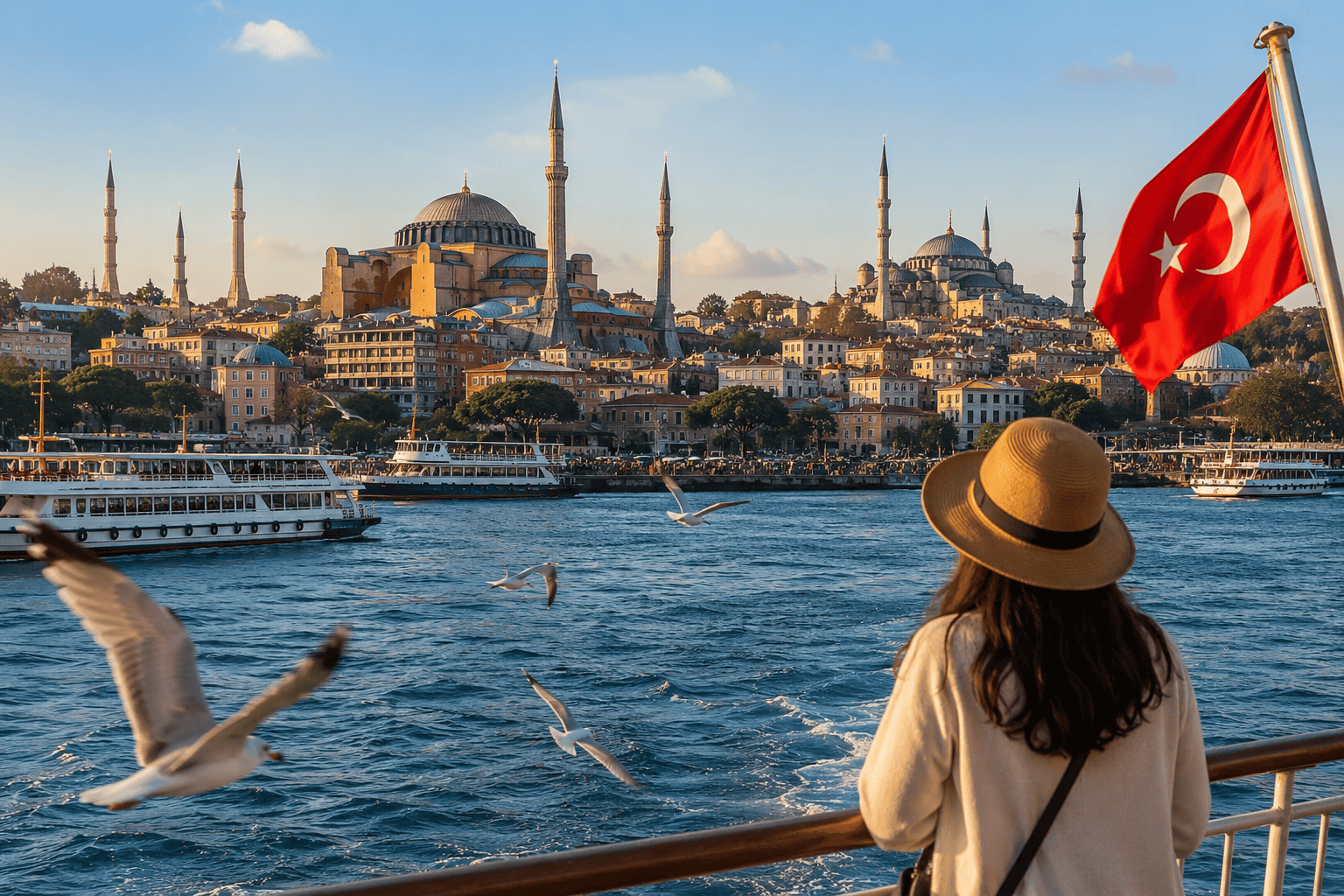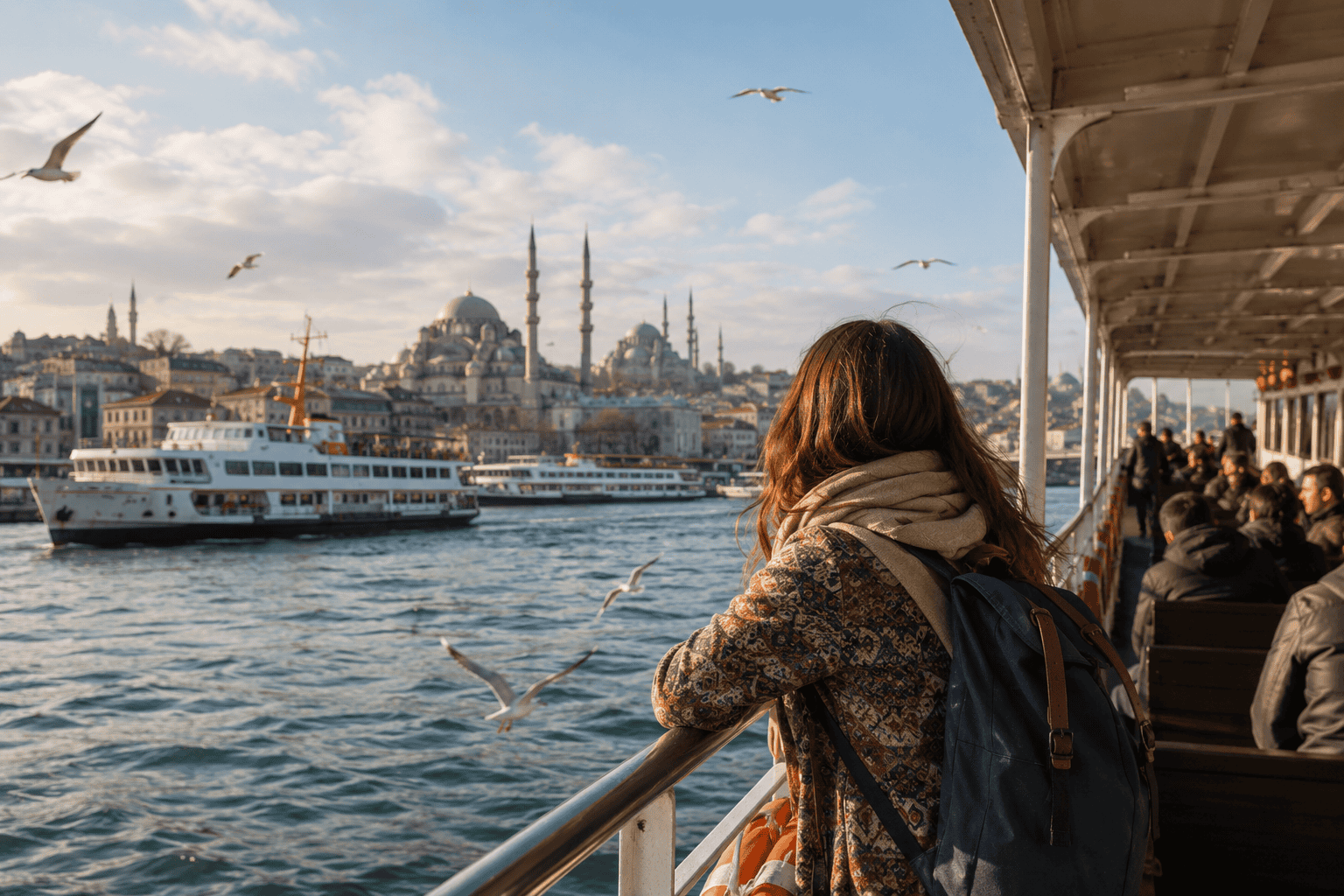

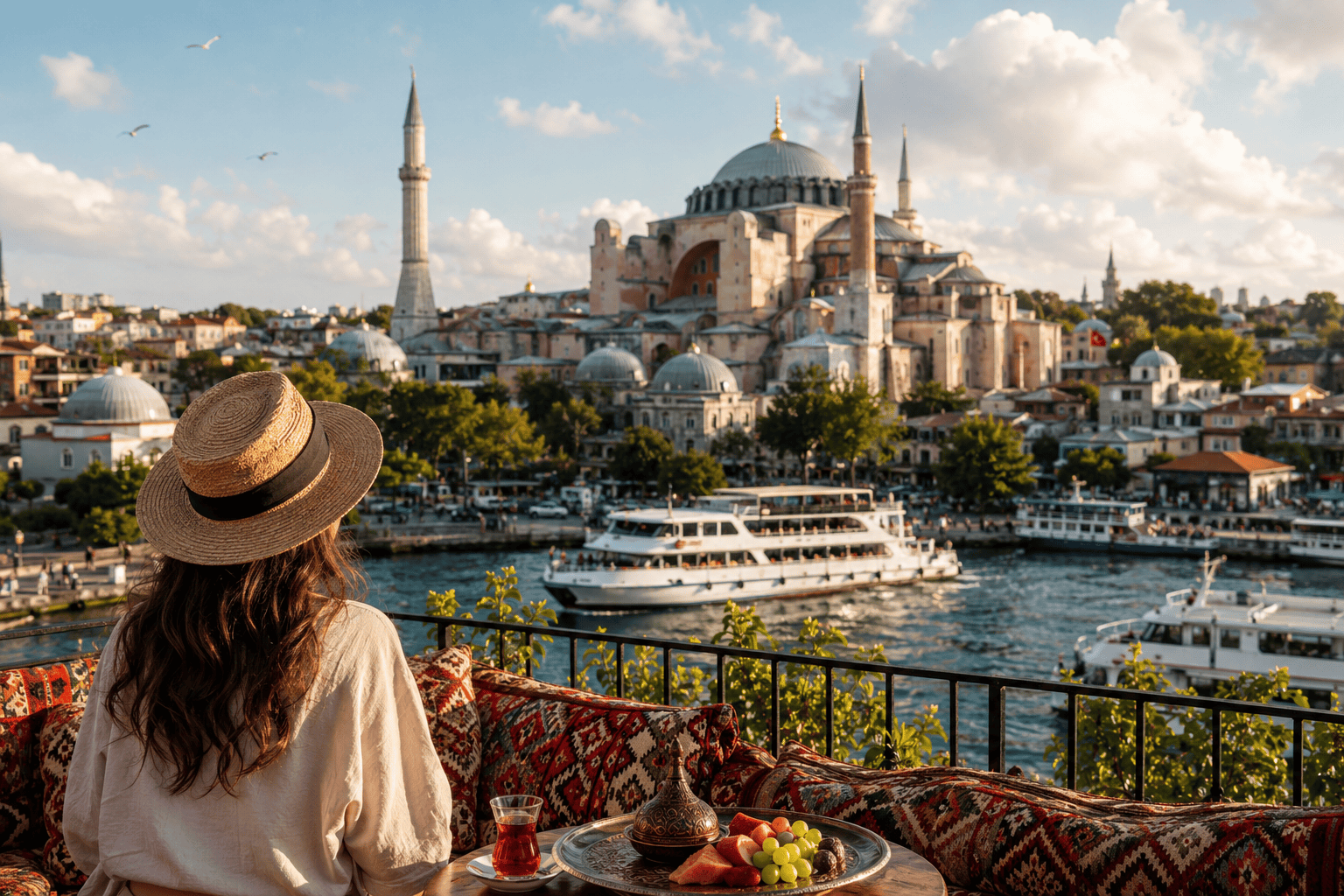
This Istanbul travel guide is designed for first-time visitors looking to navigate one of the world’s most fascinating cities with confidence. Istanbul blends Byzantine, Ottoman, and modern Turkish culture across neighborhoods linked by ferries, trams, markets, mosques, and rooftop terraces, creating an experience that feels both historic and constantly in motion.
This Istanbul travel guide covers exactly what first-time visitors need to know: when to go, where to stay, how many days to plan for, how transport works, realistic daily costs, and the mistakes most people make on a first visit.
Quick Takeaways
Start here: This Istanbul travel guide is designed for first-time visitors looking to navigate one of the world’s most fascinating cities with confidence.
Planning note: This Istanbul travel guide covers exactly what first-time visitors need to know: when to go, where to stay, how many days to plan for, how transport works, realistic...
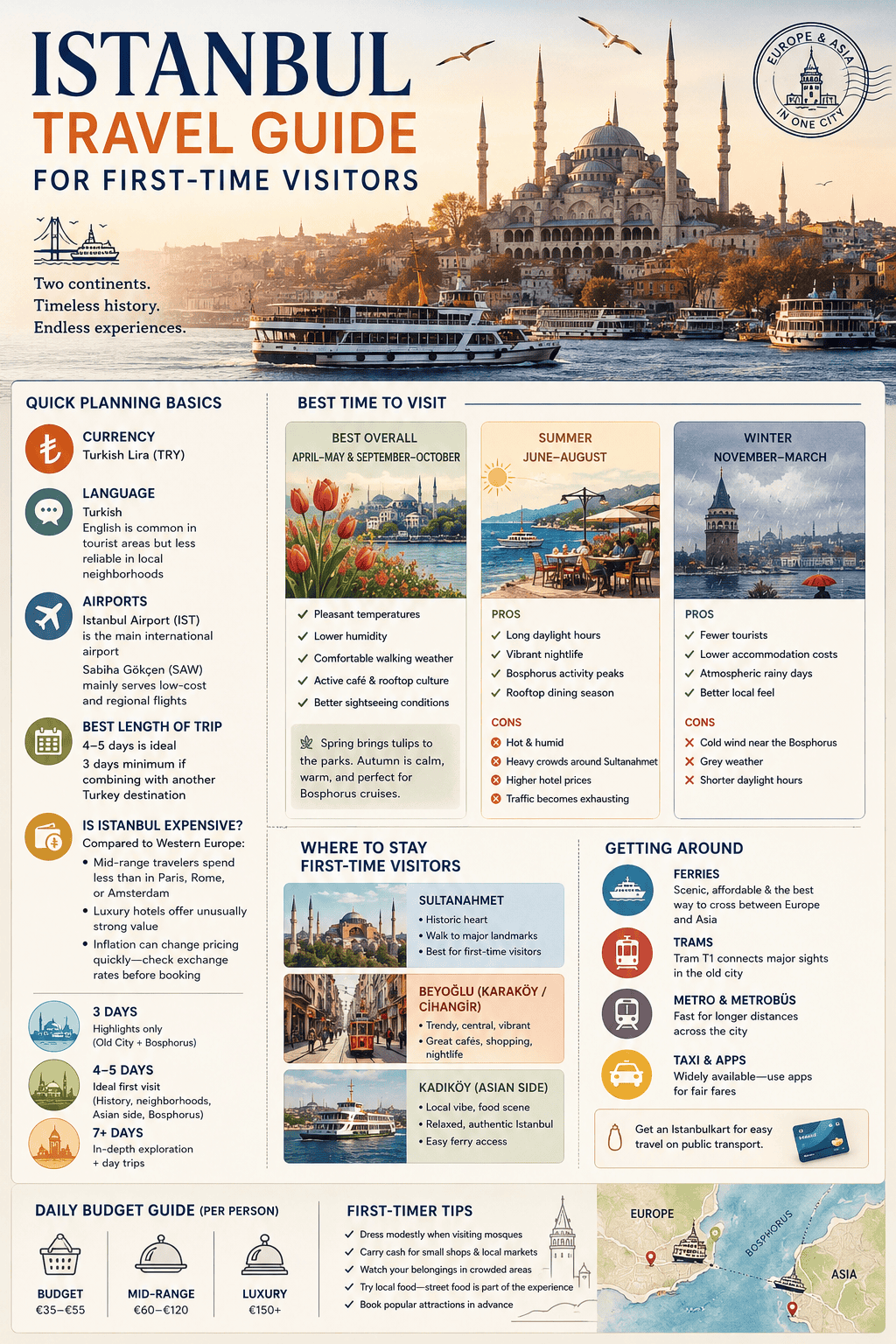
Quick Planning Facts
- Currency: Turkish Lira (TRY)
- Language: Turkish — English is common in tourist areas but less reliable in local neighborhoods
- Main airport: Istanbul Airport (IST) for international flights; Sabiha Gökçen (SAW) mainly serves low-cost and regional routes
- Recommended trip length: 4–5 days for a first visit; 3 days minimum if combining with another destination in Turkey
- Cost vs. Western Europe: Mid-range and luxury travelers generally spend significantly less than in Paris, Rome, or Amsterdam — though Turkey’s inflation means prices shift often, so check current exchange rates before booking
When Is the Best Time to Visit Istanbul?
Timing is one of the most important decisions when planning a trip to Istanbul. Seasons dramatically affect crowds, weather, accommodation prices, and the experience of outdoor activities like Bosphorus ferry rides.
Best Overall: April to May and September to October
Spring and early autumn are the strongest all-round windows for a first visit. Temperatures are comfortable, humidity is lower, rooftop culture is active, and sightseeing conditions are good without the peak-season crush.
Spring in particular transforms the city — tulips bloom across parks like Emirgan Grove, outdoor tea gardens fill with locals, and the light along the Bosphorus is exceptional. Autumn feels calmer and less crowded than summer while still warm enough for ferry rides and evening dining outside.
Summer (June to August)
Summer brings long days, vibrant nightlife, and peak Bosphorus activity. It also brings heat, humidity, heavy crowds around Sultanahmet, and higher hotel prices. Summer works best if you prioritise outdoor dining and nightlife over museum-heavy days.
Winter (November to March)
Fewer tourists, lower accommodation costs, and a more local atmosphere make winter underrated for food-focused trips and slow travel. The tradeoffs are cold wind off the Bosphorus, grey weather, and shorter daylight hours. That said, Istanbul’s café and tea house culture thrives in winter in a way that summer visitors never see.
How Many Days Do You Need in Istanbul?
Ideal First Visit: 4–5 Days
Four to five days gives you enough time to explore the main historic sights, take a Bosphorus ferry, visit both the European and Asian sides, experience at least one modern neighborhood, and avoid feeling constantly rushed between attractions.
3 Days in Istanbul
Three days is possible but fast-paced. You can realistically cover Sultanahmet’s highlights, the Grand Bazaar, a Bosphorus ferry, one modern neighborhood, and one evening on the Asian side. You won’t fully absorb the city in three days, but you can experience its essentials.
7 or More Days
A longer stay suits travelers who enjoy café culture, food exploration, photography, neighborhood wandering, and day trips. Istanbul rewards unstructured time more than checklist tourism — the longer you stay, the more the city reveals itself.
Where Should First-Time Visitors Stay in Istanbul?
Choosing the right neighborhood is the most consequential decision for a first time in Istanbul. The city is enormous, and poor location choices add up in transport time and frustration quickly.
Best Overall Base: Karaköy
Karaköy offers the strongest balance for most first-time visitors. It sits between the historic center and modern Istanbul, with easy tram and ferry access, walkable proximity to Galata Tower, a strong restaurant and café scene, and straightforward access to nightlife. The atmosphere is more contemporary than Sultanahmet without feeling removed from the historic core.
Karaköy works well for couples, solo travelers, food-focused visitors, and anyone wanting a balanced first experience of the city.
Best for Historic Sightseeing: Sultanahmet
If your priority is the major landmarks, staying in Sultanahmet puts you walking distance from Hagia Sophia, the Blue Mosque, the Basilica Cistern, and Topkapi Palace. The tradeoffs are a heavily tourist-oriented environment, fewer good-value local restaurants, and a neighborhood that quiets down early in the evening. Best suited to shorter stays or travelers who want maximum sightseeing efficiency.
Best for Nightlife and Restaurants: Beyoğlu and Galata
This area feels more contemporary and energetic, with cocktail bars, rooftop terraces, boutique hotels, independent cafés, and shopping streets. It’s the right base if evenings matter as much as sightseeing. The terrain is hilly, evenings can be noisy, and traffic is chaotic — factor that in.
Best Local Atmosphere: Kadıköy (Asian Side)
Kadıköy is ideal for repeat visitors to Istanbul or travelers specifically seeking a local neighborhood experience — markets, street food, a strong café scene, young creative culture, and better-value accommodation. For a first visit, staying only on the Asian side makes sightseeing logistics harder. Kadıköy is better used as a day trip and evening destination from a European-side base.
How to Get Around Istanbul
Transport is one of the biggest practical concerns in any Istanbul guide for first timers. The good news: public transport is extensive and affordable. The bad news: Istanbul’s traffic is legendary, and journey times on maps consistently underestimate reality.
Get an Istanbulkart Immediately
The Istanbulkart is a reloadable transit card that works across trams, metro lines, ferries, buses, and funiculars. It’s essential from day one. Buy and reload one at stations or ferry terminals on arrival.
Trams
The most useful transport mode for tourists. The T1 tram line connects Sultanahmet, Eminönü, Karaköy, and Kabataş — covering most of the core sightseeing area on the European side.
Ferries
Ferries between Europe and Asia are both practical transport and one of the best low-cost experiences in the city. Routes between Eminönü or Karaköy and Kadıköy, Üsküdar, or Beşiktaş offer skyline views that most dedicated cruise tours struggle to match, at a fraction of the cost.
Metro
Most useful for airport connections and for bypassing the worst traffic. Less central to daily tourist movement but worth knowing for longer cross-city trips.
Taxis and Ride Apps
Taxis have a mixed reputation — meter disputes, drivers refusing short rides, and traffic delays are all common complaints. Use ride-hailing apps where possible and always expect journeys to take longer than maps suggest.
Essential Things to Do on Your First Trip
Visit Hagia Sophia Early
Crowds build quickly at Hagia Sophia. Arriving near opening time means better photos, shorter security lines, and a calmer atmosphere. Dress modestly — it functions as a mosque, and covered shoulders and knees are required. Entry is currently free for the mosque areas, though this can change; check the official Hagia Sophia site before your visit.
Explore the Grand Bazaar Without Buying Immediately
The Grand Bazaar is more enjoyable when treated as an experience rather than a shopping mission on the first pass. Prices vary dramatically between stalls, and first-time visitors who buy from the first attractive shop they see almost always overpay. Walk through, compare, and return when you know what things should cost.
Take a Public Ferry, Not Just a Tourist Cruise
Organised tourist cruises are fine, but the ordinary Şehir Hatları public ferries offer better value, more flexibility, and a genuinely local atmosphere. A simple crossing between Eminönü and Kadıköy frequently becomes a trip highlight for visitors who expected nothing more than a commute.
Wander Balat and Fener
These adjacent historic neighborhoods offer colorful streets, local cafés, Orthodox churches, hillside views, and far less tourist pressure than Sultanahmet. Go in the morning before the area fills with Instagram visitors, and allow time to get slightly lost — that’s where the neighborhood works best.
Spend an Evening in Kadıköy
Many first-time visitors never cross to the Asian side and regret it afterward. Kadıköy has better food prices, less touristy nightlife, and an energy that feels like a completely different city from Sultanahmet. The ferry back across the Bosphorus at night, with the city skyline lit up, is one of Istanbul’s best free experiences.
Realistic Istanbul Budget for First-Time Visitors
Turkey’s ongoing inflation means prices shift frequently. These daily ranges help set expectations but should be treated as a planning guide rather than a guarantee.
Budget Traveler: €40–70 per day
- Hostel dormitory or basic guesthouse
- Public transport with Istanbulkart
- Street food, simit, and local lokantas
- Minimal nightlife spend
Mid-Range Traveler: €90–180 per day
- Boutique hotel or well-rated guesthouse
- Restaurant meals including occasional rooftop dining
- Ferries, museums, and entrance fees
- Some café and bar spending
This is the range where Istanbul offers exceptional value compared to Western Europe. A boutique hotel with Bosphorus views that would cost €400 a night in a comparable European city often comes in significantly under that here.
Luxury Traveler: €250+ per day
- Bosphorus-view hotels and historic palace properties
- Fine dining and high-end rooftop bars
- Private guides and transfers
- Traditional hamam experiences
What to Eat in Istanbul
Food is central to understanding Istanbul. The city’s street food culture, fish restaurants, meyhanes, and breakfast spreads are experiences in themselves, not just fuel between sights.
Dishes Worth Seeking Out
- Simit — sesame-crusted bread rings sold from street carts throughout the day
- Balık ekmek — grilled fish sandwiches, best eaten from the boats moored at Eminönü
- Lahmacun — thin flatbread with spiced minced meat, a cheap and excellent street meal
- İskender kebab — döner served over bread with tomato sauce and yogurt
- Meze — small shared plates, best ordered across several dishes at a meyhane
- Menemen — eggs scrambled with tomatoes and peppers, a Turkish breakfast staple
- Baklava — widely available but worth seeking out a specialist shop like Güllüoğlu in Karaköy
The Most Useful Food Advice for First-Time Visitors
Avoid restaurants directly beside Hagia Sophia, the Blue Mosque, or the Grand Bazaar entrance whenever possible. Walk five to ten minutes in any direction, look for places filled with Turkish diners rather than English menus on stands outside, and you’ll almost always get better food at lower prices with a more genuine atmosphere.
Common Mistakes First-Time Visitors Make
Staying Too Far From Transit
Istanbul’s size surprises almost everyone. A hotel that looks central on a map but sits away from tram or ferry connections quickly becomes a source of daily frustration. Prioritise transit access when choosing accommodation.
Overplanning Each Day
Transport times are unpredictable and walking distances are longer — and hillier — than they appear. Trying to fit six or seven major attractions into a single day usually leads to exhaustion and not enjoying any of them properly. Plan fewer activities than you think you need.
Ignoring the Asian Side
Many visitors never cross the Bosphorus except on an organised cruise. That misses a significant and genuinely different part of the city. Even one evening in Kadıköy changes the way most travelers understand Istanbul.
Only Eating Near Sultanahmet
The restaurants immediately surrounding the main historic monuments are consistently overpriced relative to quality. This is one of the easiest ways to have mediocre meals in a city with exceptional food. Walk further, eat better.
Underestimating the Hills
Routes that look flat and manageable on Google Maps can be steep and physically demanding, particularly in summer heat. Build walking time and rest stops into your day more generously than you normally would.
Safety Tips for First-Time Visitors
Istanbul is generally safe for tourists, including solo travelers. Standard urban precautions apply throughout.
Watch for pickpocketing in crowded tram areas and on busy market streets. Be cautious around taxi meter disputes — use apps where possible. Aggressive carpet sales tactics are common around Sultanahmet and are worth knowing about in advance. Always check that a restaurant menu has visible pricing before sitting down; overpriced menus presented only after ordering are a known issue in heavily tourist-facing areas.
Neighborhoods that tend to feel straightforward for first-time visitors include Karaköy, Galata, Sultanahmet, Kadıköy, and Beşiktaş. The official Turkish tourism portal and the Istanbul Metropolitan Municipality both publish practical visitor information.
Sample 5-Day Istanbul Itinerary
This itinerary covers the essential first-visit priorities while leaving space for wandering and slower moments.
Day 1 — Historic Core
- Hagia Sophia (arrive at opening)
- Blue Mosque
- Basilica Cistern
- Sultanahmet at sunset
Day 2 — Bazaars and Galata
- Grand Bazaar (morning, before crowds peak)
- Spice Bazaar and Eminönü waterfront
- Galata Tower
- Dinner in Karaköy
Day 3 — Bosphorus and Beşiktaş
- Morning Bosphorus ferry from Eminönü
- Dolmabahçe Palace
- Afternoon cafés in Beşiktaş
Day 4 — Balat and Beyond
- Balat and Fener neighborhoods (morning)
- Chora Mosque (Kariye Mosque)
- Rooftop bar or terrace dinner
Day 5 — Asian Side
- Ferry to Kadıköy
- Moda seaside walk and market
- Ferry back across the Bosphorus at sunset
Frequently Asked Questions
When is the best time to visit Istanbul?
April to May and September to October are the best overall windows for a first visit — comfortable temperatures, lower humidity, active outdoor culture, and manageable crowds. Summer (June to August) works for nightlife-focused trips but is hot and crowded. Winter (November to March) suits slow travelers and food-focused visitors who don’t mind grey weather and shorter days.
How many days do you need in Istanbul?
Four to five days is the recommended minimum for a first visit. Three days covers the essentials but feels rushed. Seven or more days allows for neighborhood wandering, day trips, and the slower pace the city rewards most.
What area should first-time visitors stay in Istanbul?
Karaköy is the strongest all-round base — central, well-connected, and positioned between the historic and modern parts of the city. Sultanahmet is better for pure sightseeing efficiency. Beyoğlu and Galata suit travelers who prioritise nightlife. First-time visitors are generally better served staying on the European side regardless of neighborhood.
Is Istanbul good for first-time international travelers?
Yes. Istanbul can feel overwhelming at first, but it has strong tourism infrastructure, an extensive and affordable public transport network, and accommodation options across every budget. The learning curve is real but manageable within a day or two.
Do you need cash in Istanbul?
Cards are widely accepted in hotels, larger restaurants, and shops, but cash is useful for small cafés, markets, street food, and Istanbulkart top-ups. Having some Turkish Lira on hand from the outset avoids friction.
Is Istanbul walkable?
Partially. Individual neighborhoods are often highly walkable, but distances between areas are large and the terrain is frequently hilly. Public transport — particularly trams and ferries — is essential for moving between neighborhoods without exhausting yourself.
By Mara Vale for Eurly
Last verified: June 2025

Mara Vale
Mara Vale writes Eurly travel guides for first-time Europe visitors who want practical routes, realistic pacing, and fewer avoidable planning mistakes.
Eurly guides are written to help readers make confident travel decisions, but opening hours, ticket rules, transit disruptions, and local conditions can change. Always verify key reservations and official schedules before you travel.