
This France travel guide helps first-time visitors create a smoother and more rewarding itinerary. It explores whether to focus on Paris or include other regions. You'll also find practical planning advice for transportation and budgeting.
For more on this part of the trip, also see our Madrid Travel Guide: Budget, Itinerary & Tips.
Use this guide to decide how much of your first trip should focus on Paris, when it makes sense to add another French city, and which planning decisions to handle before booking museums, trains, and restaurants.
France Travel Guide: Quick Start
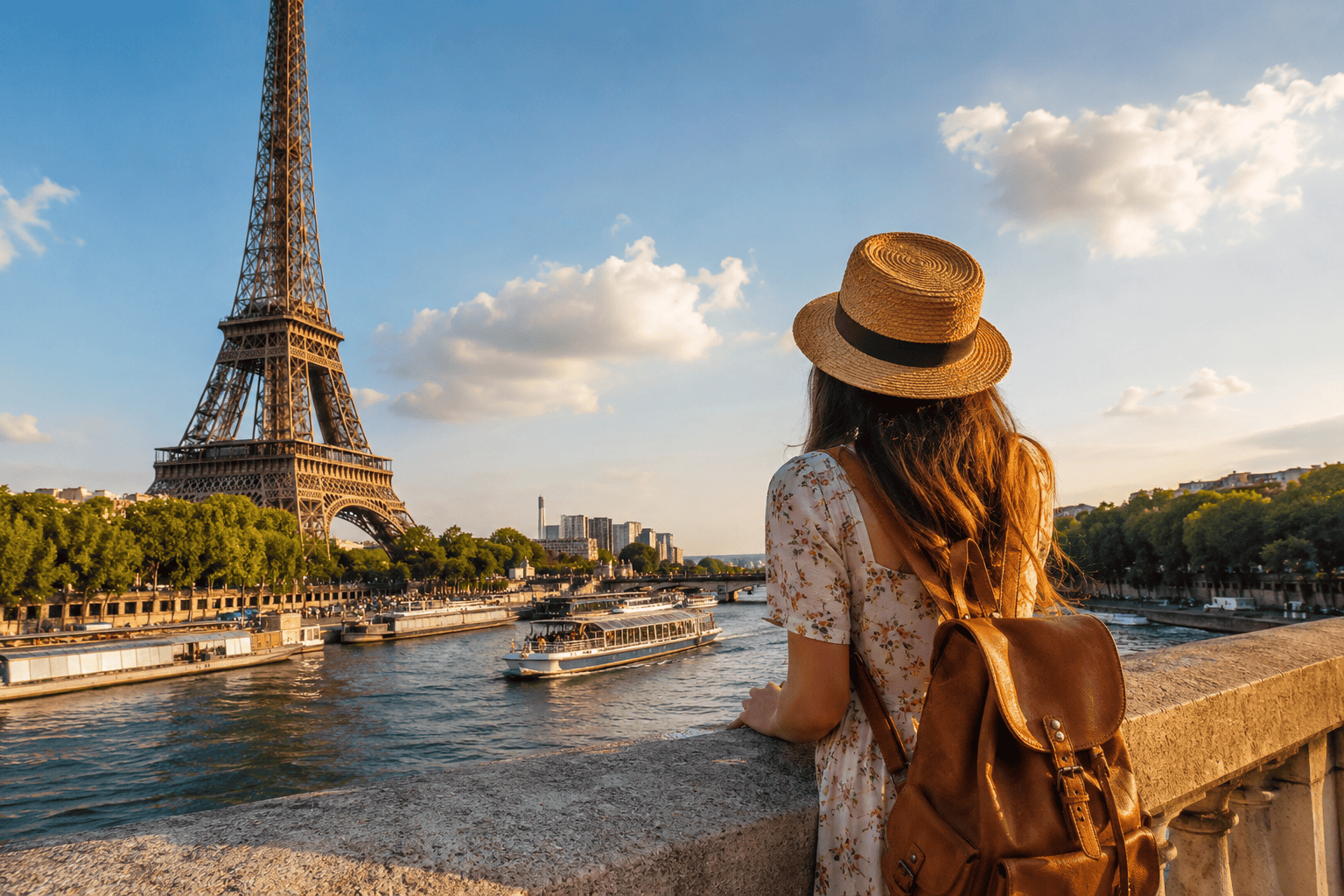
Start with the decisions that affect your entire trip rather than building a long sightseeing checklist. These resources help remove the biggest planning obstacles for first-time visitors:
- Begin with the Paris travel guide before adding other destinations.
- Read where to stay in Paris before booking attractions or train tickets.
- Use the Paris 3-day itinerary for a long weekend visit.
- Follow the Paris 5-day itinerary for a slower first trip.
- Review Paris airport to city transportation options before arrival.
Should Your First France Trip Be Only Paris?
For many first-time visitors, the answer is yes. France is easy to over-plan because Paris often feels like it should be paired with multiple destinations. In reality, a first France trip frequently works better when Paris is the main focus and additional stops remain optional.
| Trip Length | Recommended Approach |
|---|---|
| 3 to 4 days | Keep the trip Paris-only and avoid spending valuable time on transfers. |
| 5 to 6 days | Stay in Paris, explore more neighborhoods, and avoid overloading your schedule. |
| 7 to 10 days | Consider adding one additional destination if the travel time is worthwhile. |
If you only have a short trip, choosing a better Paris base usually delivers more value than adding another destination. That is why the Paris budget guide and best things to do in Paris are often more useful early in the planning process.
The First Decisions That Shape a France Itinerary
France rewards travelers who plan in the right order. Before building a sightseeing list, answer these questions:
- Will Paris be the entire trip or the starting point for a larger itinerary?
- How many nights should you spend in a central location?
- What is the best way to get from the airport to your hotel?
- Which attractions are truly must-see experiences?
- Would a second destination improve the trip or simply make it busier?
A clear arrival plan and realistic daily schedule often reduce more stress than adding extra attractions. The Paris airport transfer guide and Paris 3-day itinerary are good places to start.
Where First-Time France Trips Often Go Wrong
Many planning mistakes happen when travelers treat France like a checklist instead of a pace-based experience. Common issues include:
- Adding a second city before deciding whether Paris already fills the trip well.
- Booking a cheaper hotel without reviewing the guidance in where to stay in Paris.
- Scheduling too much on arrival day before understanding transportation options.
- Purchasing too many timed attraction tickets before reviewing a realistic budget.
- Building an itinerary around famous destinations rather than available travel days.
If France Is Your First Europe Destination
France is an excellent first trip to Europe because it teaches useful travel habits quickly. Book high-friction items early, stay central on short visits, and avoid turning every day into a museum marathon. Paris is often the easiest place to learn this rhythm because transportation, accommodation, and major attractions are well developed for international visitors.
- Paris travel guide
- Where to stay in Paris
- Paris 3-day itinerary
- Paris 5-day itinerary
- Paris airport to city transportation
- Best things to do in Paris
- Paris budget guide
For more on this part of the trip, also see our Where to Stay in Toulouse: Best Neighborhoods for First-Time Visitors.
Beyond Paris: When to Add Another France Stop
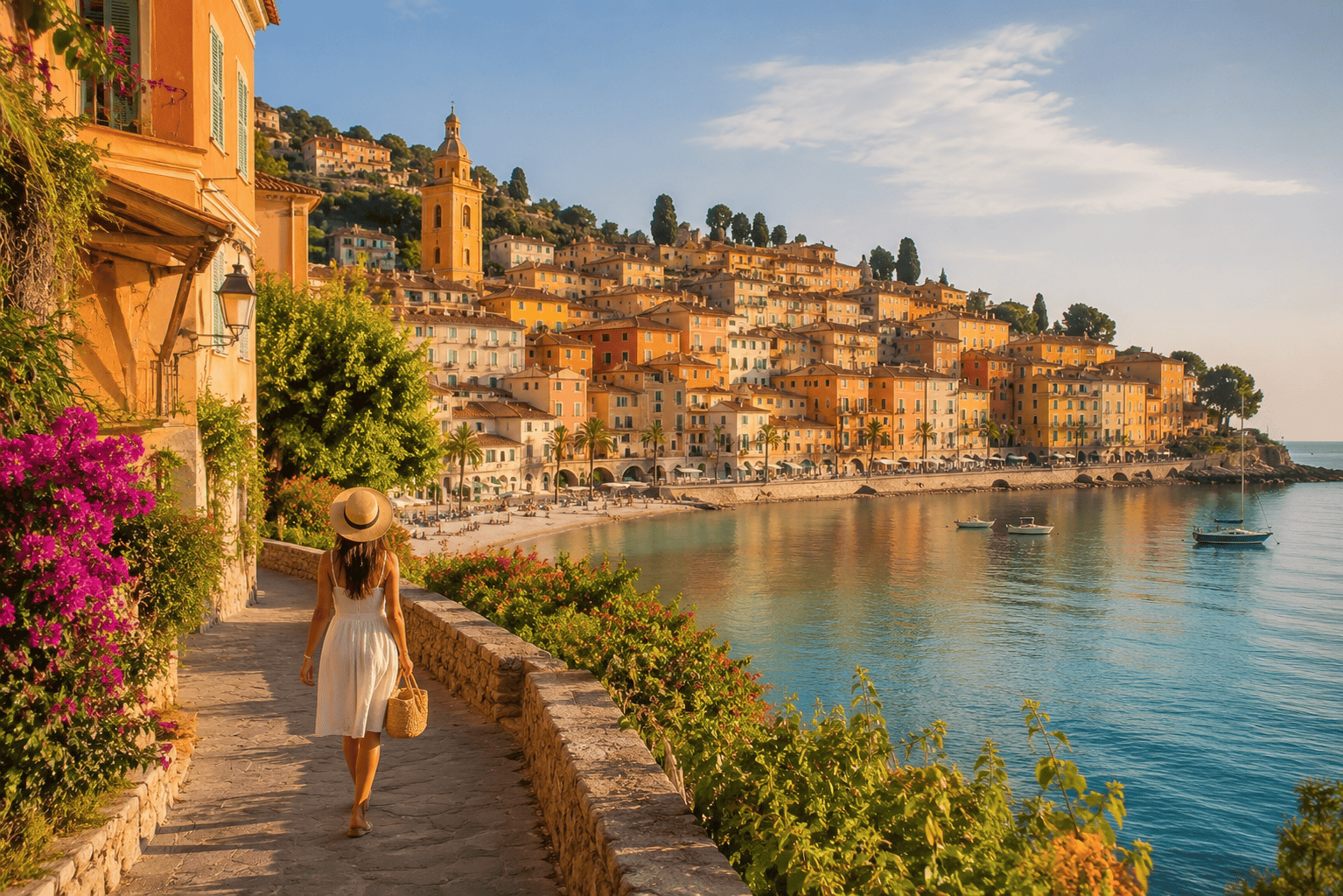
If you have more than a week, France offers many excellent options beyond Paris. Cities such as Nice, Marseille, Lyon, Bordeaux, Toulouse, and Montpellier can suit different interests, whether you prioritize food, coastal scenery, walkable neighborhoods, or train-friendly travel.
The key is not adding destinations too early. For most first-time visitors, one carefully chosen second stop creates a stronger experience than trying to visit several famous places in a single trip.
Mara’s Shortcut
For a first France trip, it is usually better to experience Paris well than to rush through Paris and an additional destination. France often feels most memorable when there is enough time for long meals, neighborhood walks, and unexpected moments that were never part of the original plan.
FAQ
What is the best first city in France for a first-time visitor?
Paris is the best starting point for most travelers because it works well for short visits, museum-focused itineraries, food experiences, and first-time Europe trips.
Is France worth visiting if I only have a few days?
Yes. With limited time, a focused Paris itinerary is usually more rewarding than trying to visit multiple cities.
What should I book first for a France trip?
Book your accommodation first, then airport transportation, and finally the attractions you most want to experience.
How many days do you need for a first France trip?
Three to four days can work for a Paris introduction, while five to six days allows a more comfortable pace. Seven to ten days is often enough time to add one additional French destination.
For broader trip-planning context, you can also check additional travel background on Wikivoyage.
You can explore authoritative background and references on Wikipedia.
Last verified: 2026-04-20

Mara Vale
Mara Vale writes Eurly travel guides for first-time Europe visitors who want practical routes, realistic pacing, and fewer avoidable planning mistakes.
Eurly guides are written to help readers make confident travel decisions, but opening hours, ticket rules, transit disruptions, and local conditions can change. Always verify key reservations and official schedules before you travel.