
An Amsterdam budget guide helps you spend smarter without sacrificing the experience. Costs can add up quickly across accommodation, attractions, and transport. This guide shows where value matters most.
For more on this part of the trip, also see our 5 Days in Amsterdam: A Realistic Itinerary for First-Time Visitors.
Quick Takeaways
Start here: An Amsterdam budget guide helps you spend smarter without sacrificing the experience.
Planning note: For more on this part of the trip, also see our 5 Days in Amsterdam: A Realistic Itinerary for First-Time Visitors.
This guide works best alongside our main Amsterdam travel guide, where to stay in Amsterdam guide, and Amsterdam 3-day itinerary. For current visitor information, compare details with the official I amsterdam guide.
By Mara Vale for Eurly. Last verified: 2026-04-18.
Amsterdam budget guide: quick answer
The best way to control an Amsterdam budget is to spend first on the choices that shape every day, then cut low-value upgrades. A better hotel area, one meaningful paid experience, and a smoother arrival can matter more than several smaller splurges.
- Spend first on the right hotel area, not the fanciest room.
- Pay for one or two attractions you genuinely care about, not every famous ticket.
- Use walking as both a cost saver and a better way to experience the city.
- Avoid turning every meal into a canal-view premium moment.
- Group each day well so you avoid unnecessary transport and convenience spending.
Amsterdam budget priorities at a glance
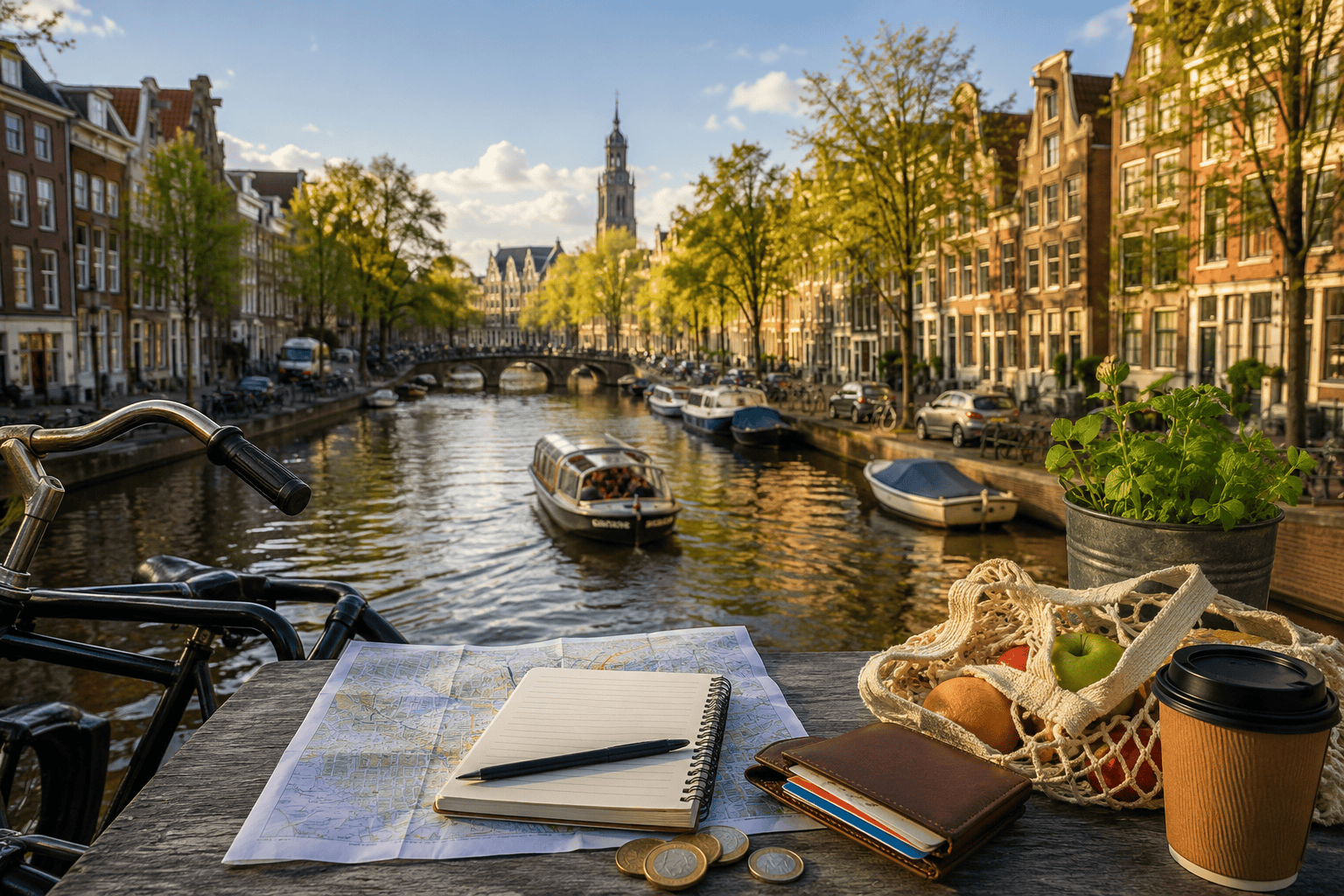
| Trip choice | Best place to save | Best place to splurge |
|---|---|---|
| Hotel | Choose a smaller room or simpler facilities. | Pay more for a location that reduces daily friction. |
| Museums | Skip filler tickets and avoid stacking too many paid stops. | Reserve the museum or experience you most care about. |
| Food | Keep most meals simple and neighborhood-based. | Choose one memorable dinner instead of several average expensive meals. |
| Transport | Walk more and group sights by area. | Use a smoother airport transfer if a late arrival would otherwise damage day one. |
Where Amsterdam usually gets expensive
Amsterdam often feels most expensive when you under-plan the basics and then buy your way out of friction later. The biggest budget pressure points are usually repeat costs rather than one dramatic mistake.
- Centrally located hotels, especially in the most atmospheric areas.
- Canal-view room premiums that may not improve the trip enough to justify the cost.
- Multiple paid museums booked too close together.
- Convenience spending caused by weak hotel geography.
- Drinks, snacks, and quick stops in tourist-heavy areas.
Where to save without making the trip worse
Save on room size before you save on location
Amsterdam is a city where smaller but better-located often beats larger but farther out, especially on a short trip. Our where to stay guide is built around this exact tradeoff.
Save on attraction count
You do not need every museum. One excellent museum day plus neighborhood time usually feels richer than three rushed admissions.
Save by walking more
Amsterdam rewards walking in a way many big European cities do not. You often see more and spend less when you keep each day tightly grouped.
Save by protecting day one
A smoother Schiphol arrival can prevent later convenience spending on taxis, rushed meals, or tired decisions.
Where spending more actually helps
The right hotel area
If an extra hotel cost removes repeated tram rides, bad late-night walks, and an annoying airport handoff, it is often money well spent.
One must-do museum or experience
If Rijksmuseum, Anne Frank House, or Van Gogh Museum is the part you care about most, spend there and cut the filler elsewhere.
A smoother arrival if you land late
A taxi or direct transfer from Schiphol can be a rational splurge on a short trip if it protects your first evening and makes the hotel choice work better.
One memorable dinner instead of three overplanned ones
Amsterdam often rewards one deliberately good meal more than a schedule of pricey but forgettable special meals.
Hotel math first, not last
If the base is wrong, the whole trip starts leaking value. Before deciding a hotel is too expensive, compare the nightly rate with the time, transport, and convenience costs it may save.
- Canal Belt and Jordaan often cost more because they reduce friction and increase atmosphere.
- Museum Quarter can be a smart value if you care more about comfort and quieter nights than being in the prettiest canal lane.
- Cheaper outer stays can work, but only if you are genuinely happy to trade time and spontaneity for price.
Use the where to stay in Amsterdam page before deciding where to cut costs.
Museum and ticket strategy that protects your budget
Paid attractions can be worthwhile, but they become expensive when they crowd out the slower parts of the city that cost little or nothing. Choose your anchors first, then let the rest of the itinerary breathe.
- Pick one major museum as a priority, or two at most on a short trip.
- Treat Anne Frank House as a special reservation, not an afterthought.
- Use the things-to-do guide to separate truly worthwhile paid experiences from easy-to-skip add-ons.
- If a city card or transit pass looks attractive, check whether it matches your actual trip pattern instead of buying it out of fear.
Food and drink costs in Amsterdam
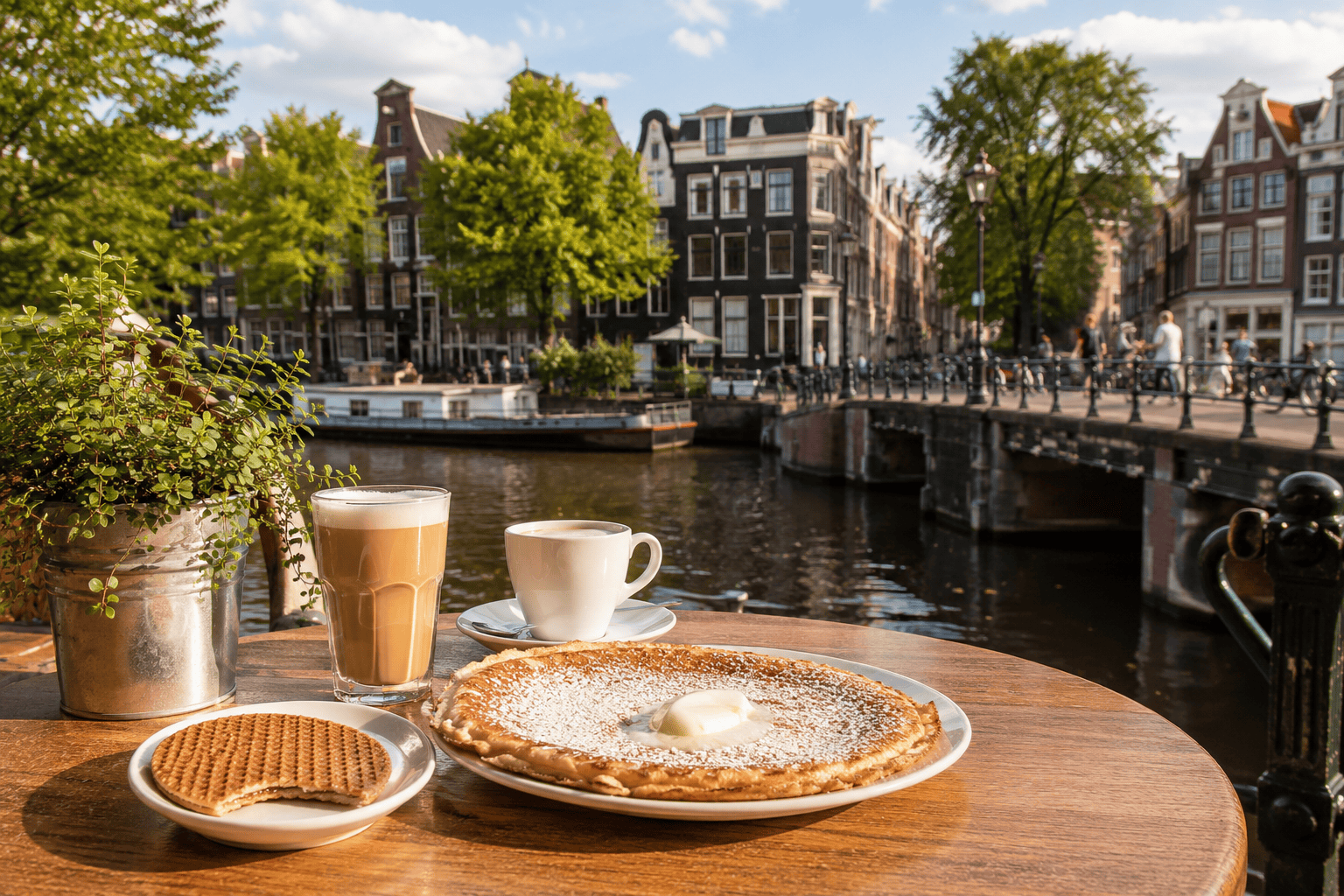
Amsterdam can feel expensive fast if every stop is in the most tourist-shaped blocks. That does not mean you need to travel on supermarket survival mode. It means the smartest food savings often come from choosing when atmosphere is worth paying for.
- Avoid making every meal a canal-edge meal.
- Plan one nicer meal and keep the rest simpler.
- Let neighborhood choice shape food costs.
- Do not confuse quick stop spending with low spending.
De Pijp, Jordaan, and other neighborhood-heavy zones often make the trip feel better per euro than repeatedly paying for the same central view.
Transport spending
You may need less paid transport than you think. Short stays often work best with a walking-first strategy, especially when your hotel, itinerary, and arrival plan are aligned.
- Public transport can help, but overreliance on it may signal weak day grouping.
- A good hotel base can reduce repeated tram rides and late-night returns.
- A clear airport plan can prevent expensive last-mile decisions.
Local friction notes that cost money
- The wrong hotel creates extra transport and convenience spending.
- Museum overbooking often leads to wasted meals or rushed taxi decisions.
- Canal-view obsession can tempt you into paying for a room you barely experience.
- Late arrivals make cheap airport plans less cheap if they force stressful last-mile choices.
- Tourist-core snack and drink spending adds up faster than many travelers expect.
Common Amsterdam budget mistakes
- Cutting the hotel budget in a way that makes every day less smooth.
- Paying for too many museums because the city feels small enough to fit them all.
- Treating transport passes as automatic value instead of checking your real route pattern.
- Paying premium prices repeatedly for atmosphere you could get for free by walking the right blocks.
- Splurging on the wrong part of the trip and then feeling pinched when it matters.
Mara’s rule for spending in Amsterdam
I would rather spend more on the base and one meaningful anchor than spread the same money across three half-good upgrades. Amsterdam rewards focused spending, not constant upgrading.
FAQ
Is Amsterdam expensive for a short trip?
It can be, especially on hotels. But the city also rewards clear choices, so a well-planned short trip can feel much better value than a longer, more scattered one.
Where should I save first in Amsterdam?
Save on room size, attraction count, and overplanned transport. Do not save first on the hotel area if it damages the trip every day.
Is a centrally located hotel worth the extra money?
Often yes for a first short trip. If the better location removes friction from arrival, walking, and evening returns, the extra cost can be money well spent.
What adds up fastest in Amsterdam?
Hotels, repeated paid attractions, casual drinks and snacks in tourist-heavy areas, and convenience transport can add up quickly. The pattern matters more than one single purchase.
Official Amsterdam resources
Next reads
- Start with our main Amsterdam travel guide
- Choose a base with our where to stay in Amsterdam guide
- Shape the days with our Amsterdam 3-day itinerary
- Plan arrival costs with our Amsterdam airport to city guide
- Choose paid priorities in our best things to do in Amsterdam guide
- See how it compares to Paris in our Paris vs Amsterdam guide
For a longer version of the trip, see our 5 days in Amsterdam itinerary. For broader trip-planning context, you can also check additional travel background on Wikivoyage.

Mara Vale
Mara Vale writes Eurly travel guides for first-time Europe visitors who want practical routes, realistic pacing, and fewer avoidable planning mistakes.
Eurly guides are written to help readers make confident travel decisions, but opening hours, ticket rules, transit disruptions, and local conditions can change. Always verify key reservations and official schedules before you travel.