
If you’re planning around seville budget guide, this guide covers the practical choices first. A Seville budget can quickly change once travel costs start adding up. Smart choices make a big difference to overall spending. This guide shows where to save and where extra spending delivers value.
This Seville budget guide shows where to save, where to splurge, and how to avoid the small decisions that make a short trip more expensive than it needs to be. It focuses on the choices that most affect first-time visitors: where you stay, how many paid sights you book, how you handle airport arrival, and when paying more genuinely improves the experience.
Quick Takeaways
Start here: If you’re planning around seville budget guide, this guide covers the practical choices first.
Planning note: This Seville budget guide shows where to save, where to splurge, and how to avoid the small decisions that make a short trip more expensive than it needs...
Seville budget guide: quick answer
The smartest Seville budget is not about cutting every cost. It is about protecting the parts of the trip that save time, energy, and friction.
- Spend first on the right hotel area, not on the fanciest room.
- Pay for one or two monument priorities you genuinely care about, not every possible ticket.
- Use walking and route grouping to avoid convenience-spend creep.
- Do not keep paying to fix a weak hotel location or an overheated day plan.
How much should you budget for Seville?
Because hotel prices, ticket rules, and restaurant costs change, this guide does not invent a fixed daily number. Instead, build your Seville budget around the costs that are easiest to control before arrival: accommodation area, paid sights, airport transfer choice, and how many meals or drinks you leave to impulse.
For a short first visit, a good Seville travel budget separates essentials from nice-to-haves before you book. That keeps the trip comfortable without letting small convenience decisions pile up.
Where Seville usually gets expensive
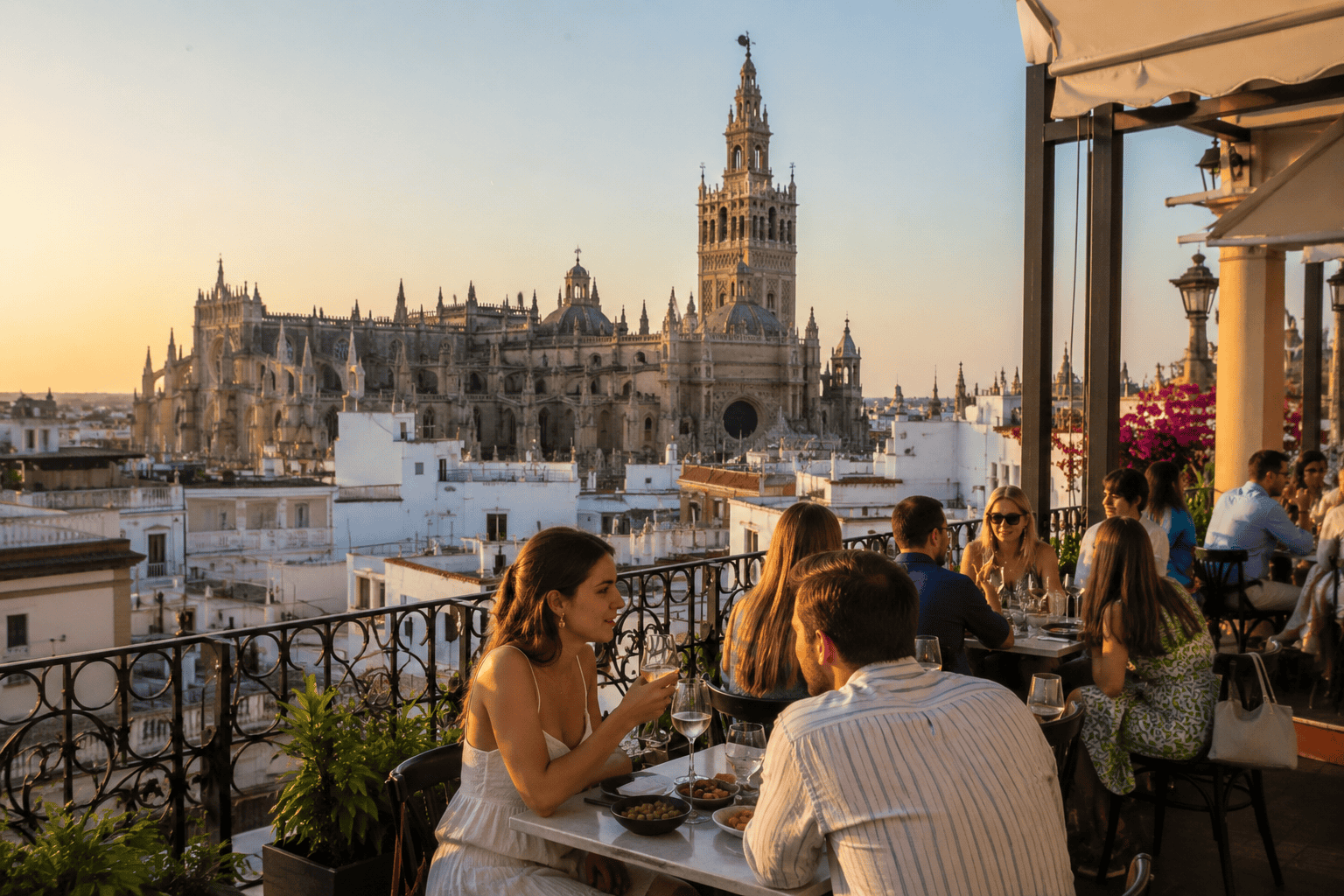
Seville often feels most expensive when the plan is overstuffed. The biggest budget pressure usually comes from trying to do too much from a base that does not support the trip.
- Central historic-center hotel locations.
- Too many monument tickets on the same trip.
- Convenience taxis caused by weak route logic or heat fatigue.
- Late-booked airport decisions.
- Dinners and drinks in the most obvious tourist-core blocks every night.
Where to save in Seville without making the trip worse
Save on room size before you save on location
Seville is a city where a smaller room in the right area often beats a bigger room that adds more daily friction. Our where to stay in Seville guide is built around that tradeoff.
Save on attraction count
You do not need every monument, museum, and evening show. One or two great paid anchors plus neighborhood time usually feels richer than a blur of admissions.
Save by walking more inside well-grouped days
Seville rewards walking when the route is coherent. Random backtracking in heat is what makes the city feel more expensive than it needs to be.
Save by protecting day one
A smoother airport arrival can prevent later convenience spending on taxis, rushed food, and last-minute bad decisions.
Where spending more in Seville actually helps
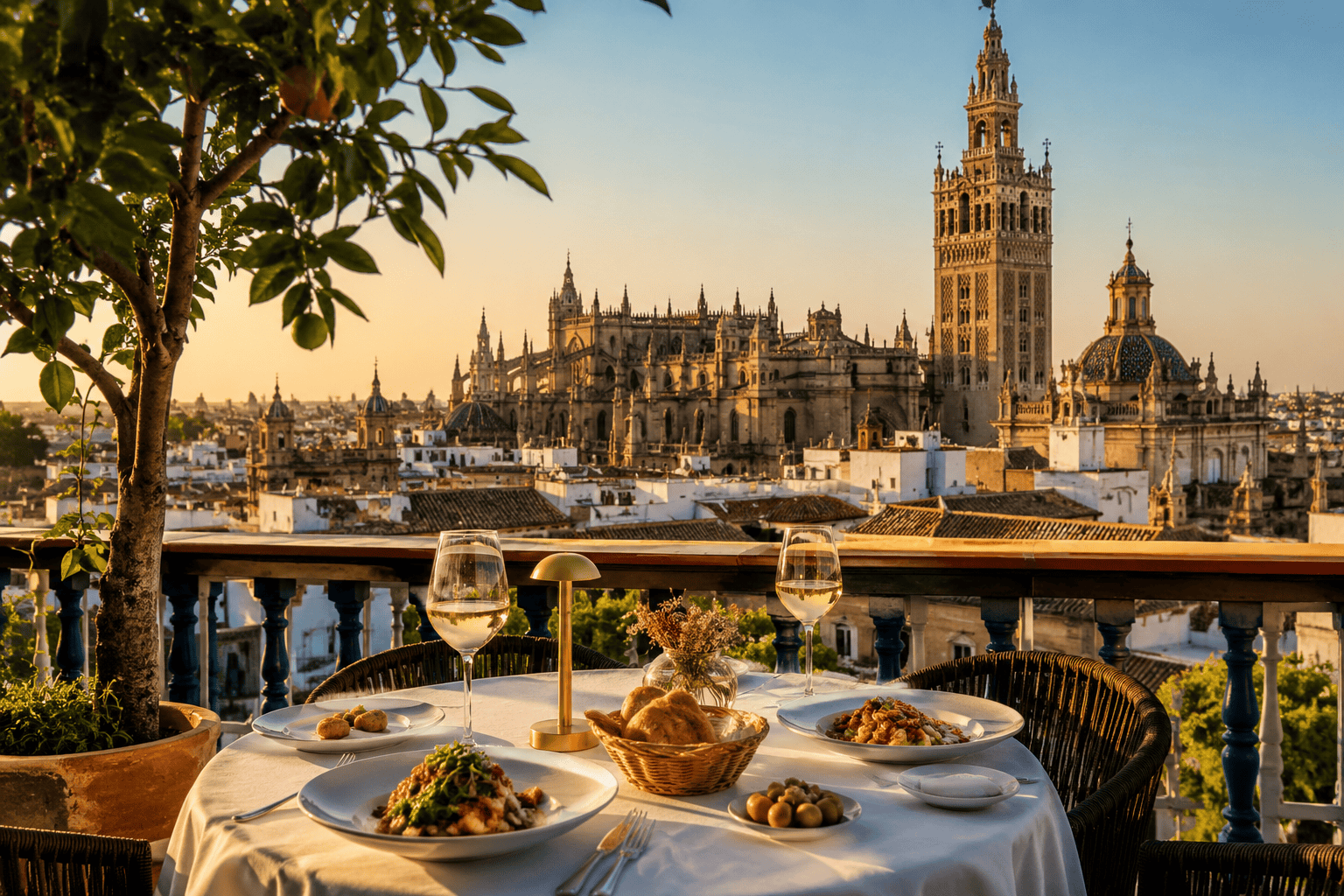
The right hotel area
If extra hotel cost removes repeated backtracking, simplifies evenings, and makes the arrival plan cleaner, it is often money well spent.
One must-do monument anchor
If the Real Alcazar or Seville Cathedral is the reason you came, spend there and cut filler elsewhere.
A smoother late-night airport transfer
On a short trip, paying more for an easier arrival can be a rational splurge, especially if it protects your first evening.
One memorable dinner or evening experience
Seville often rewards one deliberately good meal or one strong flamenco-style evening more than several medium-expensive convenience stops.
Seville budget priorities at a glance
| Trip decision | Usually worth saving on | Usually worth spending on |
|---|---|---|
| Hotel | Room size, luxury extras, and views you will barely use | A location that keeps walking, evenings, and arrival simple |
| Sights | Filler museums and too many back-to-back paid entries | One or two major sights you genuinely care about |
| Transport | Taxis that only compensate for poor planning | Strategic transfers when heat, luggage, or late arrival make them sensible |
| Food and drink | Every meal in the same obvious tourist-core blocks | One memorable meal or evening experience |
Hotel math first, not last
If the base is wrong, the whole trip leaks value. Before choosing the cheapest available room, check whether the saving will create extra transport costs, weaker evenings, or more heat-fatigued walking.
- Santa Cruz often costs more because it reduces monument friction.
- El Arenal can be better value if it keeps you central without the same access hassle.
- Triana can be worth paying for, but only if its evening atmosphere is part of why you are coming.
- A cheaper outer stay can work, but only if you are genuinely comfortable trading spontaneity for price.
Use the where to stay in Seville guide before deciding a hotel is too expensive.
Ticket strategy that protects your Seville budget
More tickets do not automatically make a better Seville trip. A tighter plan with fewer paid entries often leaves more time for the city itself.
- Pick one major paid anchor, two at most on a short trip.
- Use the things-to-do guide to separate truly worthwhile paid experiences from easy-to-skip extras.
- Do not assume more tickets equals better value.
- If one attraction forces the whole route into bad timing, it may not be good value for this version of the trip.
Food and drink reality
Seville can feel expensive fast if every stop happens in the exact same obvious core. The smartest savings usually come from choosing where to be casual and where to be deliberate.
- Avoid every meal in the same highest-traffic blocks.
- Choose one better meal and keep the rest simpler.
- Let neighborhood logic shape food costs.
- Do not confuse heat-driven convenience spending with good spending.
Transport spending
Transport can quietly become a budget leak if the trip is geographically weak. It is not that every taxi is a mistake; the problem is using taxis repeatedly to repair a poor base or a badly grouped day.
- Walking more in coherent central clusters usually saves money and improves the trip.
- A short taxi can still be money well spent if it protects energy at the end of a hot day.
- If the hotel base, daily routing, and airport arrival are aligned, Seville transport stays useful instead of becoming a corrective measure.
Local friction notes that cost money
- A weak hotel location creates daily convenience spending.
- One badly timed monument day often leads to extra drinks, taxis, and rushed meals.
- Heat makes some cheap walking plans less clever by midday.
- Central Seville can absorb spending if you keep drifting without a plan.
- Late arrivals make the cheapest airport choice less convincing in real life.
Common Seville budget mistakes
- Cutting the hotel budget in a way that damages every day.
- Paying for too many major sights because Seville makes them all sound irresistible.
- Letting taxis substitute for route planning.
- Splurging on the wrong part of the trip and then feeling tight where it matters.
- Treating Seville as automatically cheap because it feels laid-back.
Mara’s rule for spending in Seville
I would rather spend more on geography and one meaningful anchor than spread the same money across several medium-value decisions.
Seville budget FAQ
Is Seville expensive for a short trip?
It can be, especially if you overbook paid sights and stay in the wrong area. But it also rewards clear choices, so a well-planned short trip can feel like strong value.
Where should I save first in Seville?
Save on attraction count, room size, and bad routing. Do not save first on hotel geography if it weakens the whole trip.
Is a central hotel worth the extra money in Seville?
Often yes for a first short trip. If it removes friction from arrival, walking, and evenings, it can be one of the smartest costs.
How do I stop a Seville trip from getting unexpectedly expensive?
Start with hotel location, group each day logically, choose your paid sights before arrival, and leave enough space in the plan so heat and fatigue do not force avoidable spending.
Official Seville resources
- Visita Sevilla official tourism site
- Seville Airport tourism page
- Royal Alcazar official visit page
- Seville Cathedral official site
For more on this part of the trip, also see our 3 Days in Seville: A Realistic Itinerary for First-Time Visitors.
Next reads
- Start with our main Seville travel guide
- Choose a base with our where to stay in Seville guide
- Shape the days with our Seville 3-day itinerary
- Plan arrival costs with our Seville airport to city guide
- Choose paid priorities in our best things to do in Seville guide
- See if train beats flight in our Madrid to Seville route guide
Last verified: 2026-04-19

Mara Vale
Mara Vale writes Eurly travel guides for first-time Europe visitors who want practical routes, realistic pacing, and fewer avoidable planning mistakes.
Eurly guides are written to help readers make confident travel decisions, but opening hours, ticket rules, transit disruptions, and local conditions can change. Always verify key reservations and official schedules before you travel.