

London in 2 days may sound ambitious, but with a well-planned route you can experience many of the city’s most famous landmarks, museums, parks, and neighbourhoods without feeling rushed. This realistic 2026 itinerary is designed for first-time visitors who want to make the most of 48 hours while keeping travel time to a minimum.
If you have more time, see our 5 Days in London: A Realistic Itinerary for First-Time Visitors and 3 Days in London: A Realistic Itinerary for First-Time Visitors.
Where to Stay for a 2-Day London Trip
Choosing the right base can save hours over a short visit. For a London in 2 days itinerary, staying in or close to Zone 1 is usually worth the higher room rate because it reduces transport time.
Recommended areas: Southwark, Borough, and Waterloo. These neighbourhoods provide excellent Tube connections, easy walking access to major attractions, and often better value than Covent Garden or Westminster.
Day 1: South Bank, St Paul’s, and the British Museum
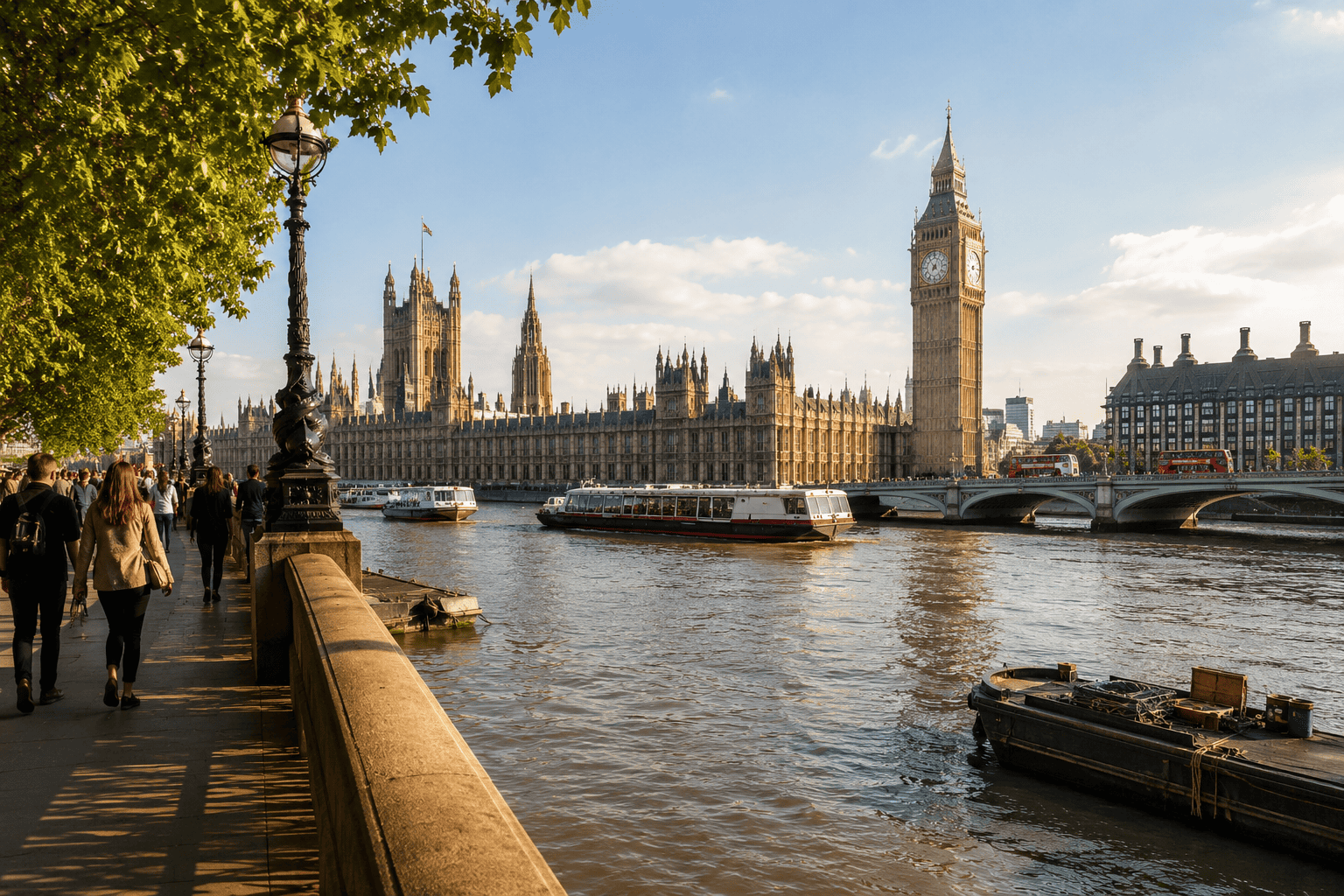
Morning: Tower Bridge and the South Bank
Start your London in 2 days itinerary at Tower Bridge, one of the city’s most recognisable landmarks. Walk across the bridge before following the South Bank west, stopping at Borough Market for breakfast or coffee. Continue past Shakespeare’s Globe and Tate Modern before crossing Millennium Bridge for views of St Paul’s Cathedral.
Tate Modern offers free admission and is one of London’s leading contemporary art museums.
Afternoon: The British Museum
Travel by Tube or on foot to the British Museum. Allow two to three hours to see highlights including the Rosetta Stone, Egyptian galleries, and Parthenon sculptures.
General admission is free, making it one of the best-value attractions in London.
Evening: Covent Garden and Soho
Finish your first day exploring Covent Garden and nearby Soho, where you’ll find theatres, restaurants, lively streets, and plenty of places for dinner.
Estimated Day 1 Costs (Excluding Accommodation)
- Public transport using Oyster or contactless payment
- Borough Market breakfast: around £5
- Lunch: around £8–12
- Tate Modern: free entry
- British Museum: free entry
- St Paul’s Cathedral interior: optional paid visit
- Dinner: around £15–25
Estimated total: approximately £36–73, excluding optional entry to St Paul’s Cathedral.
Day 2: Westminster, Buckingham Palace, and Trafalgar Square
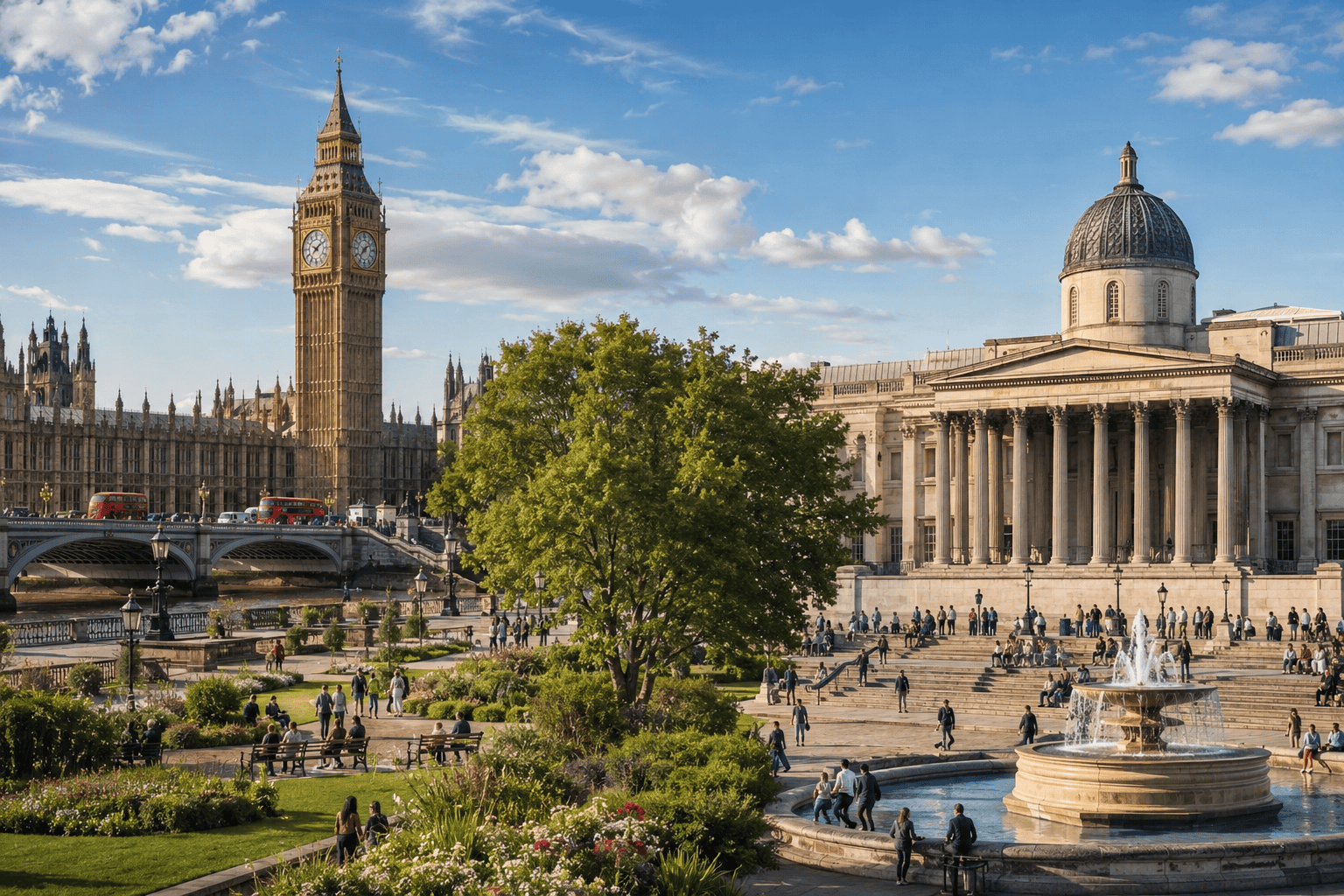
Morning: Westminster Highlights
Begin at Westminster Station, where Big Ben, the Houses of Parliament, and Westminster Abbey are all within a short walk. If time allows, visit Westminster Abbey before continuing through St James’s Park to Buckingham Palace.
The palace exterior is accessible year-round, while tours of the State Rooms are seasonal.
Check the latest Changing of the Guard schedule before your visit at householddivision.org.uk.
Afternoon: Trafalgar Square and the National Gallery
Walk through Green Park towards Piccadilly and Trafalgar Square. Enjoy lunch nearby before visiting the National Gallery, whose collection includes works by Monet, Renoir, Van Gogh, and many other renowned artists. General admission is free.
Late Afternoon: Soho
If your departure time allows, spend your final hours browsing Soho’s cafés, bookshops, and independent stores before leaving London.
Estimated Day 2 Costs (Excluding Accommodation)
- Public transport using Oyster or contactless payment
- Westminster Abbey: optional paid entry
- Changing of the Guard: free
- National Gallery: free entry
- Lunch: around £6–10
- Dinner: around £12–25
Estimated total: approximately £26–43, excluding Westminster Abbey admission.
Two Days in London Budget Summary
| Category | Budget Traveller | Mid-Range Traveller |
|---|---|---|
| Accommodation (2 nights) | £160 | £280 |
| Day 1 sights and food | £50 | £80 |
| Day 2 sights and food | £40 | £70 |
| Transport (2 days) | £16 | £16 |
| Miscellaneous | £20 | £40 |
| Total | £286 | £486 |
These estimates assume a mix of free attractions with optional paid visits such as Westminster Abbey or St Paul’s Cathedral.
What to Skip in London in 2 Days
With only two days, prioritising central attractions helps you avoid unnecessary travel.
- The Tower of London – best visited when you can dedicate several hours.
- Kew Gardens – rewarding but outside the core sightseeing area.
- Greenwich – ideal as a separate half-day trip.
- Camden Market – better enjoyed during a longer stay.
Practical Travel Notes
Getting Around
Use contactless payment or an Oyster card on the Tube and buses. Daily fare caps help keep transport costs predictable.
Walking
Many central attractions are closer together than they appear on a map. Walking between nearby sights often saves time while letting you experience more of the city.
Advance Bookings
If you plan to enter Westminster Abbey or St Paul’s Cathedral, booking ahead can reduce waiting times. For museum updates, visit britishmuseum.org.
Weather
London weather can change quickly, so comfortable walking shoes and a lightweight waterproof jacket are recommended throughout the year.
Frequently Asked Questions
Is 2 days enough to see London?
Yes. While you cannot experience everything, a well-planned London in 2 days itinerary covers many of the city’s most famous landmarks, museums, and neighbourhoods.
How much does London in 2 days cost?
Many visitors spend roughly £140–200 per person excluding accommodation and flights, depending on dining choices and optional paid attractions.
What is the cheapest way to get around London?
Use contactless payment or an Oyster card for public transport and walk between nearby attractions whenever possible.
Should I book attractions in advance?
Yes. Advance booking is recommended if you want to visit the interiors of Westminster Abbey or St Paul’s Cathedral.
What are the best areas to stay in London for a short trip?
Southwark, Borough, and Waterloo are excellent choices thanks to their central location and convenient transport links.
Last verified: 2026-04-27