

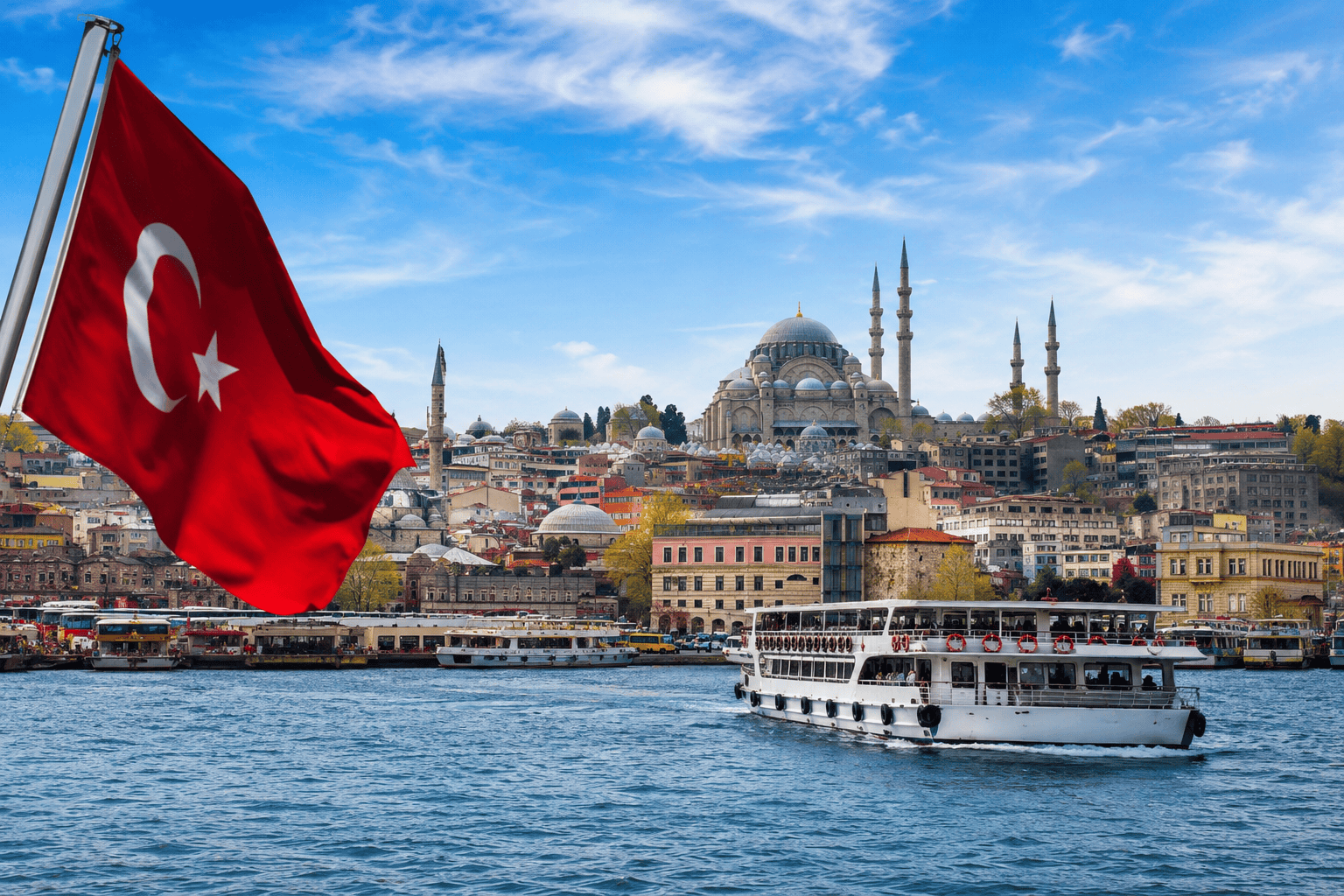
Turkey and Istanbul offer endless opportunities for travelers planning their first visit. Choosing where to focus will shape your route, budget, and pace. A clear plan helps you make the most of your time.
For more on this part of the trip, also see our Istanbul Travel Guide for First-Time Visitors.
For most first-time visitors, the best approach is to spend several days in Istanbul, then add one or two contrasting regions such as Cappadocia, Ephesus, the Aegean coast, or Antalya. This guide explains how to plan that trip without rushing through the country or missing the experiences that make Turkey memorable.
Why Istanbul Rewards Slower Travel
Istanbul is one of the few cities where Roman, Byzantine, Ottoman, and modern Turkish history sit within walking distance of each other. It spans two continents, uses ferries as everyday public transport, and contains neighborhoods that feel completely different in atmosphere, food, architecture, and rhythm.
Many first-time visitors give Istanbul only two nights before flying to Cappadocia or the coast. That usually means a hurried morning in Sultanahmet, a quick photo at Hagia Sophia, and a stressful transfer to the airport. It is possible, but it barely scratches the surface.
A better Istanbul itinerary divides the city into distinct experiences:
- Historic Sultanahmet and its major monuments
- Bosphorus ferry rides and Asian-side neighborhoods
- Food markets, local restaurants, and street food
- Modern districts such as Karaköy, Galata, Beşiktaş, and Kadıköy
Four full days is the minimum that makes Istanbul feel absorbing rather than rushed. Five days is better if you want room for ferries, markets, day trips, and slower meals.

Best Time to Visit Turkey and Istanbul
Turkey is large enough that the best time to visit depends on which regions you plan to combine. Istanbul, Cappadocia, the Aegean coast, and the Mediterranean all have different seasonal patterns, so choose dates based on your full route rather than Istanbul alone.
| Season | Best for | What to expect |
|---|---|---|
| April to June | Istanbul, Cappadocia, sightseeing, walking | Mild weather, greener landscapes, and rising hotel prices by late spring. |
| July to August | Beach trips, boat tours, coastal nightlife | Hot, crowded conditions in Istanbul and higher prices along the coast. |
| September to October | Istanbul, Cappadocia, Aegean coast | Comfortable temperatures, warm seas, better photography light, and fewer peak-summer crowds. |
| November to March | Istanbul museums, bazaars, lower hotel rates | Moody city atmosphere, fewer crowds, and possible weather disruption in Cappadocia. |
Spring: April to June
Spring is one of the most balanced seasons for a combined Istanbul and Turkey itinerary. Temperatures are comfortable across many parts of the country, Cappadocia’s valleys are greener, and walking-heavy sightseeing is easier than in summer. Prices usually rise as late spring approaches, so earlier bookings can help.
Summer: July to August
Summer is strongest for Mediterranean beaches, Aegean boat trips, and coastal nightlife. Istanbul can be hot, humid, and crowded at this time, especially around Sultanahmet and major mosques. If you visit in summer, plan outdoor sightseeing early in the morning and leave the hottest hours for ferries, museums, or shaded neighborhoods.
Autumn: September to October
Autumn is often the best overall choice for travelers combining Istanbul, Cappadocia, and the Aegean coast. The sea can remain warm into autumn, Istanbul becomes more comfortable for walking, and tour-group pressure usually eases after peak summer.
Winter: November to March
Winter works best for travelers focused mainly on Istanbul. Hotel prices can be lower, cruise crowds thin out, and covered sights such as museums, bazaars, mosques, and palaces become more appealing. The tradeoff is that Cappadocia weather can disrupt flights and balloon schedules, while some coastal towns feel quiet outside the main season.
How Many Days You Need for Turkey and Istanbul
The right trip length depends on the version of Turkey you want to experience. Istanbul alone can fill several days, while a wider Turkey route needs enough time for domestic flights, transfers, and regional contrasts.
Istanbul Only: 4 to 5 Days
This is best for travelers focused on history, food, photography, architecture, or urban culture. Four days covers the main historic sights, Bosphorus ferries, and several neighborhoods without feeling too compressed. A fifth day creates room for a slower pace or a day trip.
Turkey Highlights: 10 to 14 Days
A strong first-time route combines Istanbul with Cappadocia and either Ephesus or the Aegean coast. A workable structure is:
| Days | Base | Suggested focus |
|---|---|---|
| 1 to 4 | Istanbul | Sultanahmet, ferries, bazaars, Kadıköy, Karaköy, and Galata |
| 5 to 7 | Cappadocia | Göreme, valley walks, underground cities, sunrise balloon viewing |
| 8 to 10 | Selçuk, İzmir, or the Aegean coast | Ephesus, coastal towns, food, and slower seaside time |
| Final day | Istanbul or departure airport | Buffer time before international departure |
This route gives meaningful variety without turning the trip into a constant transfer schedule.
Deep Turkey: 3 Weeks or More
With three weeks or more, you can add eastern Turkey, the Black Sea region, longer hiking routes, lesser-known archaeological sites, and slower intercity bus travel between smaller towns.
Where to Stay in Istanbul: Neighborhood Guide
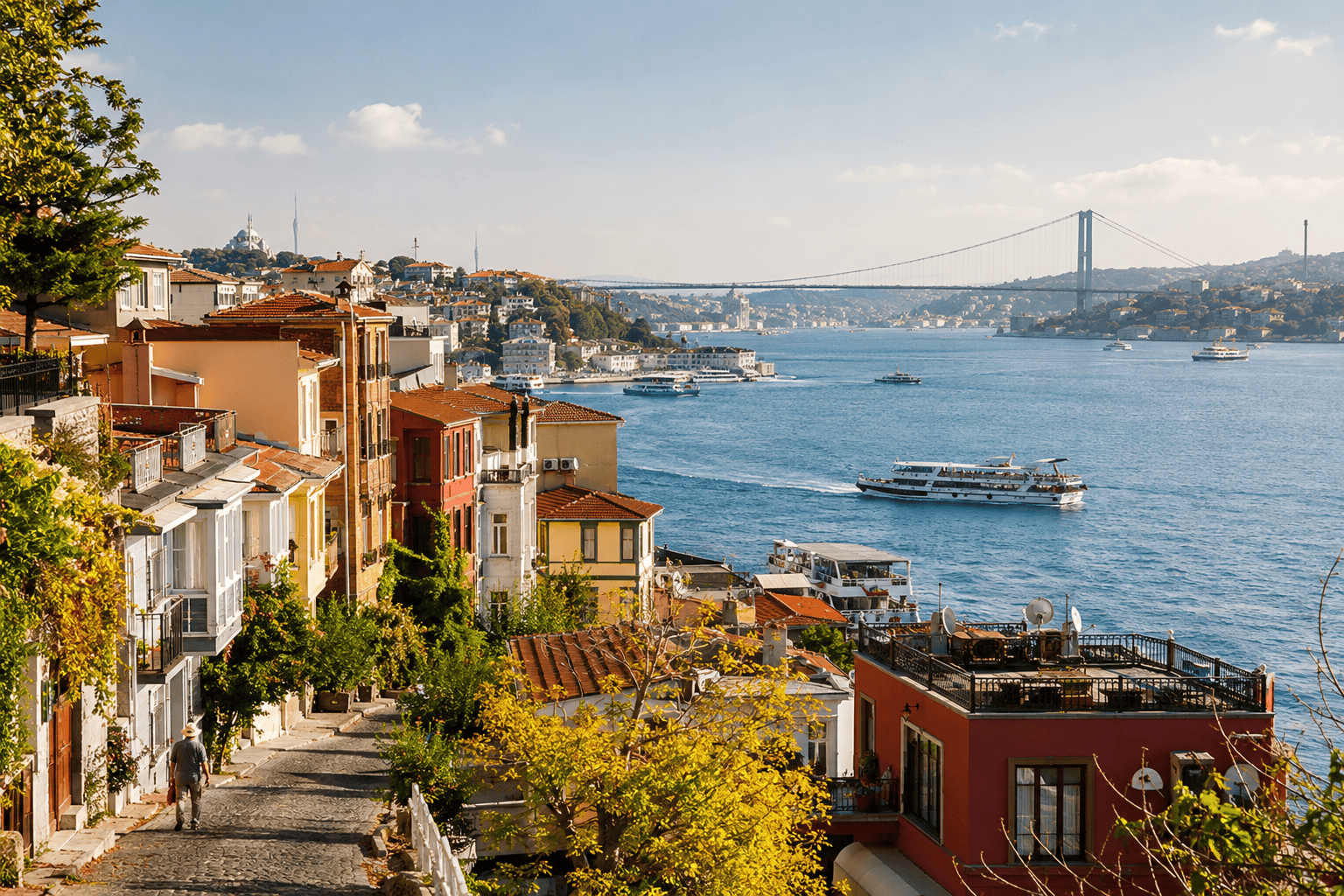
Your Istanbul neighborhood shapes the whole visit. Distances between areas can look manageable on a map, but traffic, hills, bridges, and ferry routes make location matter.
Sultanahmet: Best for Short First Visits
Sultanahmet places Hagia Sophia, the Blue Mosque, the Basilica Cistern, and Topkapi Palace within easy walking distance. It is ideal if you have only two or three days and your priority is historic sightseeing. The downside is that restaurants are often more tourist-focused, prices can be inflated, and the area becomes quieter after dark.
Karaköy and Galata: Best Overall Balance
Karaköy and Galata offer ferry access, good restaurants, cafés, historic atmosphere, nightlife nearby, and easier movement between the old city and Beyoğlu. This is one of the strongest bases for travelers who want both sightseeing convenience and a more rounded Istanbul experience.
Kadıköy: Best for Food and Local Atmosphere
Kadıköy sits on the Asian side and offers strong food value, local nightlife, market streets, and a residential feel. The main tradeoff is the ferry commute to major historic sights, but that journey is part of the appeal for many visitors.
Key Sights in Istanbul
Hagia Sophia
Hagia Sophia has served as a Byzantine cathedral, an Ottoman mosque, a museum, and now an active mosque again. It is one of Istanbul’s most important buildings and deserves more than a quick photo stop. Dress respectfully, check current visiting rules before arrival, and avoid prayer times when access may be limited.
Blue Mosque
The Blue Mosque, also known as the Sultan Ahmed Mosque, remains an active place of worship. Visit outside prayer times, enter quietly, and allow time to sit and absorb the tile work and scale of the interior.
Topkapi Palace
Topkapi Palace was the administrative and residential center of the Ottoman Empire for centuries. Its treasury rooms, courtyards, imperial chambers, harem section, and Bosphorus viewpoints can easily fill half a day.
Grand Bazaar
The Grand Bazaar is more atmospheric experience than simple shopping stop. Ceramics, textiles, lamps, tea sets, and souvenirs are common, but the best approach is to walk slowly, compare prices, and avoid pressure buying.
Bosphorus Public Ferry
A public ferry ride is one of the simplest and most memorable Istanbul experiences. Cross from Eminönü, Karaköy, or Beşiktaş toward Kadıköy or Üsküdar for skyline views, open water, tea, and a clearer sense of how the city works.
Beyond Istanbul: What to Combine It With
Cappadocia
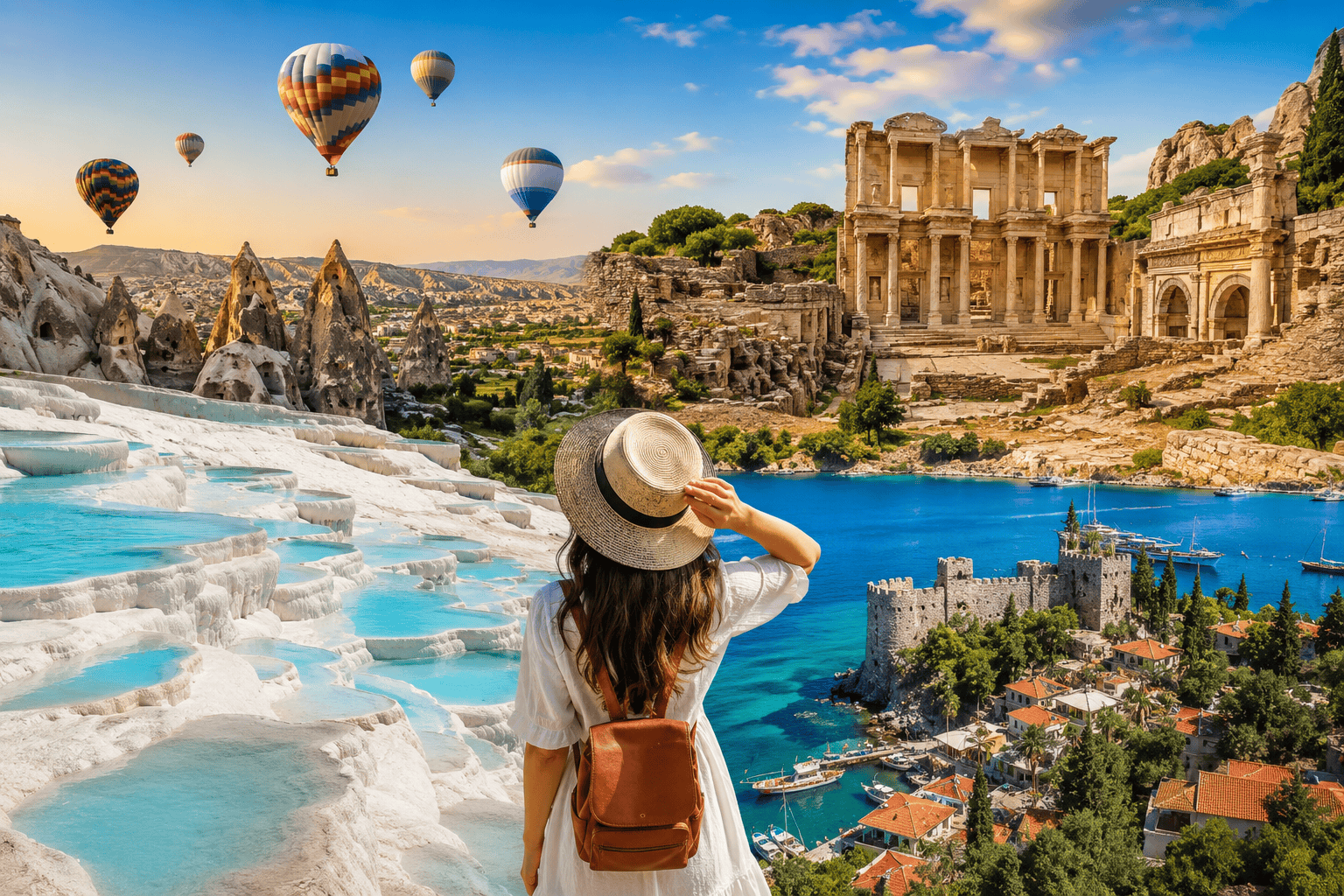
Cappadocia contrasts sharply with Istanbul: volcanic valleys, cave-cut settlements, rock formations, underground cities, and sunrise balloon views. Göreme is the most common base. Two or three nights gives time for valley walks, Göreme Open-Air Museum, an underground city such as Derinkuyu, and a sunrise viewpoint. Balloon flights are weather-dependent, so avoid building your entire Cappadocia visit around one fixed morning.
Ephesus and the Aegean Coast
Ephesus is one of the most impressive ancient sites in the region, with restored streets, theaters, temples, and the Library of Celsus. Selçuk is the easiest base for the ruins, while İzmir and nearby coastal towns add food, waterfront walks, and a sunnier contrast to Istanbul.
Antalya and the Mediterranean Coast
Antalya is best for beach-focused travel, boat trips, warm weather, and access to the Turquoise Coast. The old city has a Roman harbor and Ottoman-era lanes, but the wider region is strongest for relaxation and outdoor time rather than dense sightseeing.
Getting Around Turkey
Domestic Flights
Turkey is larger than many first-time visitors expect. Domestic flights can save full travel days on routes such as Istanbul to Cappadocia, İzmir, or Antalya. Compare airports carefully because Istanbul Airport and Sabiha Gökçen Airport sit on different sides of the city.
Intercity Buses
Turkey’s intercity bus network is extensive and useful for smaller cities and coastal towns not served by convenient flights. Overnight buses can work for flexible travelers, but flights are usually better when they save many hours at a modest extra cost.
High-Speed Rail
High-speed rail is most useful on the Istanbul to Ankara route. For many tourism itineraries, rail coverage is still less practical than flights or buses, so check routes before assuming trains will connect your chosen destinations.
What Turkey and Istanbul Cost
Turkey’s currency and prices can shift, so treat budgets as flexible estimates rather than fixed numbers. Check current exchange rates, hotel prices, and attraction fees shortly before booking.
| Travel style | Approximate daily range | What it usually includes |
|---|---|---|
| Budget | €40 to €80 | Hostels or guesthouses, local food, ferries, public transport, and mostly free sights. |
| Mid-range | €100 to €200 | Boutique hotels, domestic flights, better restaurants, site entries, and occasional tours. |
| Higher-end | €250+ | Bosphorus-view hotels, cave suites, private transfers, guides, and resort properties. |
Food Worth Seeking Out
Turkish food is regional, and eating well in Istanbul usually means moving beyond the most tourist-heavy streets around Sultanahmet.
Turkish breakfast, or kahvaltı, is worth treating as a full meal. Expect cheeses, olives, eggs, tomatoes, bread, honey, clotted cream, and tea.
Street food worth trying includes simit, balık ekmek, lahmacun, and midye dolma. Kadıköy market streets, Karaköy restaurants, and Beşiktaş local spots often provide better value and atmosphere than obvious tourist restaurants.
Common Mistakes to Avoid
Trying to see too much in one week. Istanbul, Cappadocia, Pamukkale, Antalya, and Ephesus in seven days creates exhaustion rather than a satisfying trip. Choose fewer regions and travel between them properly.
Underestimating Istanbul traffic. Airport transfers can take far longer than expected, especially across bridges or from Sabiha Gökçen Airport. Build in extra time before flights.
Skipping the Asian side. Kadıköy and Üsküdar are easy ferry rides from the European side and add a more local view of the city.
Overplanning every hour. Leave space for tea by the Bosphorus, wandering side streets, browsing markets, and taking ferries simply for the experience.
Suggested 10-Day Turkey and Istanbul Itinerary
Days 1 to 4: Istanbul
Base yourself in Karaköy, Galata, Sultanahmet, or Kadıköy depending on your travel style. Spend one day on Sultanahmet’s major sights, one day around the Grand Bazaar and nearby historic areas, one day using ferries to reach Kadıköy or Üsküdar, and one slower day for Galata, Beşiktaş, markets, or a Bosphorus ride.
Days 5 to 7: Cappadocia
Fly to Kayseri or Nevşehir and transfer to Göreme. Use two full days for valley walks, Göreme Open-Air Museum, sunset viewpoints, and an underground city. Keep one morning flexible for balloon viewing or a balloon flight if conditions allow.
Days 8 to 10: Ephesus and the Coast
Fly or connect onward to İzmir, then base yourself in Selçuk for Ephesus. Add time in İzmir, Alaçatı, or another Aegean coastal town before returning to Istanbul or departing from a suitable airport.
Safety and Practical Considerations
Most tourist trips to Turkey are trouble-free, but normal city precautions still matter. Watch bags in crowded bazaars and transit areas, use official taxis or reputable ride apps where available, and avoid political demonstrations if they occur near your route. Before departure, check current travel advice from your government, especially if you plan to visit regions far from standard tourist routes.
Frequently Asked Questions
Do I need a visa for Turkey?
Visa requirements depend on nationality and can change. Check the official Turkish e-Visa portal before booking or traveling, and avoid third-party sites that charge extra for the same application process.
Is Istanbul in Europe or Asia?
Both. Istanbul spans the Bosphorus, with the historic center and many tourist areas on the European side, while Kadıköy, Üsküdar, and other districts sit on the Asian side.
What is the best way to get from Istanbul Airport to the city center?
The best route depends on your arrival airport and hotel neighborhood. Istanbul Airport and Sabiha Gökçen Airport are on different sides of the city, so compare metro, shuttle, ferry connections, and taxi times before choosing. Traffic can make taxis slower than expected.
How far in advance should I book a hot air balloon in Cappadocia?
Book ahead during popular spring and autumn periods, and keep your schedule flexible. Balloon flights depend on weather, and cancellations can happen even when demand is high.
Is Turkish currency easy to manage as a foreign visitor?
Yes, but cash is still useful for markets, street food, small eateries, and local transport. Cards are widely accepted at hotels and larger restaurants. Check the current exchange rate shortly before travel because the lira can fluctuate.
Can I combine Turkey with Greece?
Yes, especially from the Aegean coast. Seasonal ferries can connect parts of western Turkey with nearby Greek islands, but schedules vary, so check routes before building this into a fixed itinerary.
Useful Official Resources
- Go Turkey official tourism portal for destination information and regional travel ideas.
- Turkish e-Visa portal for current visa eligibility and applications.
- TCDD Turkish State Railways for official rail schedules and booking information.
By Mara Vale for Eurly

Mara Vale
Mara Vale writes Eurly travel guides for first-time Europe visitors who want practical routes, realistic pacing, and fewer avoidable planning mistakes.
Eurly guides are written to help readers make confident travel decisions, but opening hours, ticket rules, transit disruptions, and local conditions can change. Always verify key reservations and official schedules before you travel.