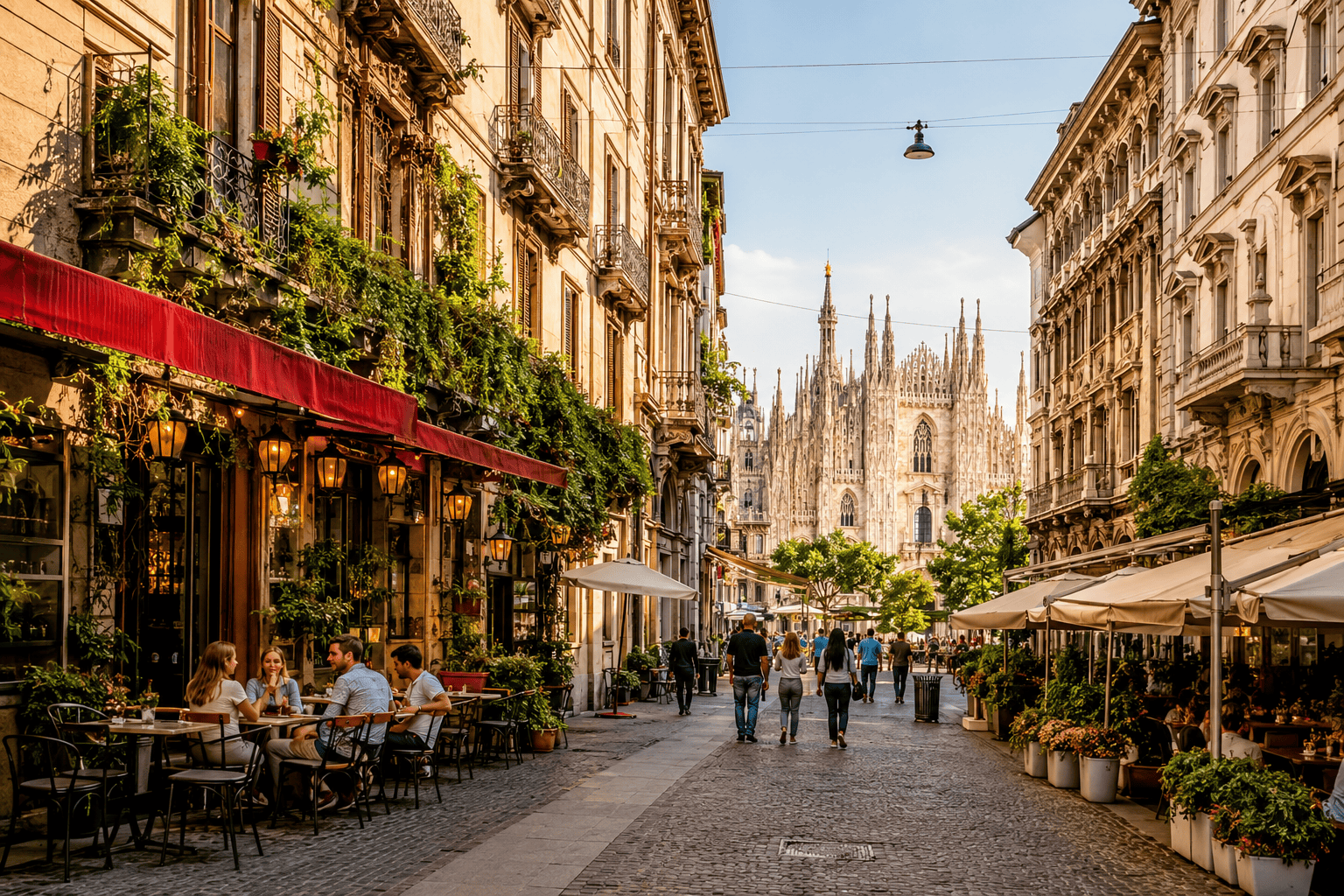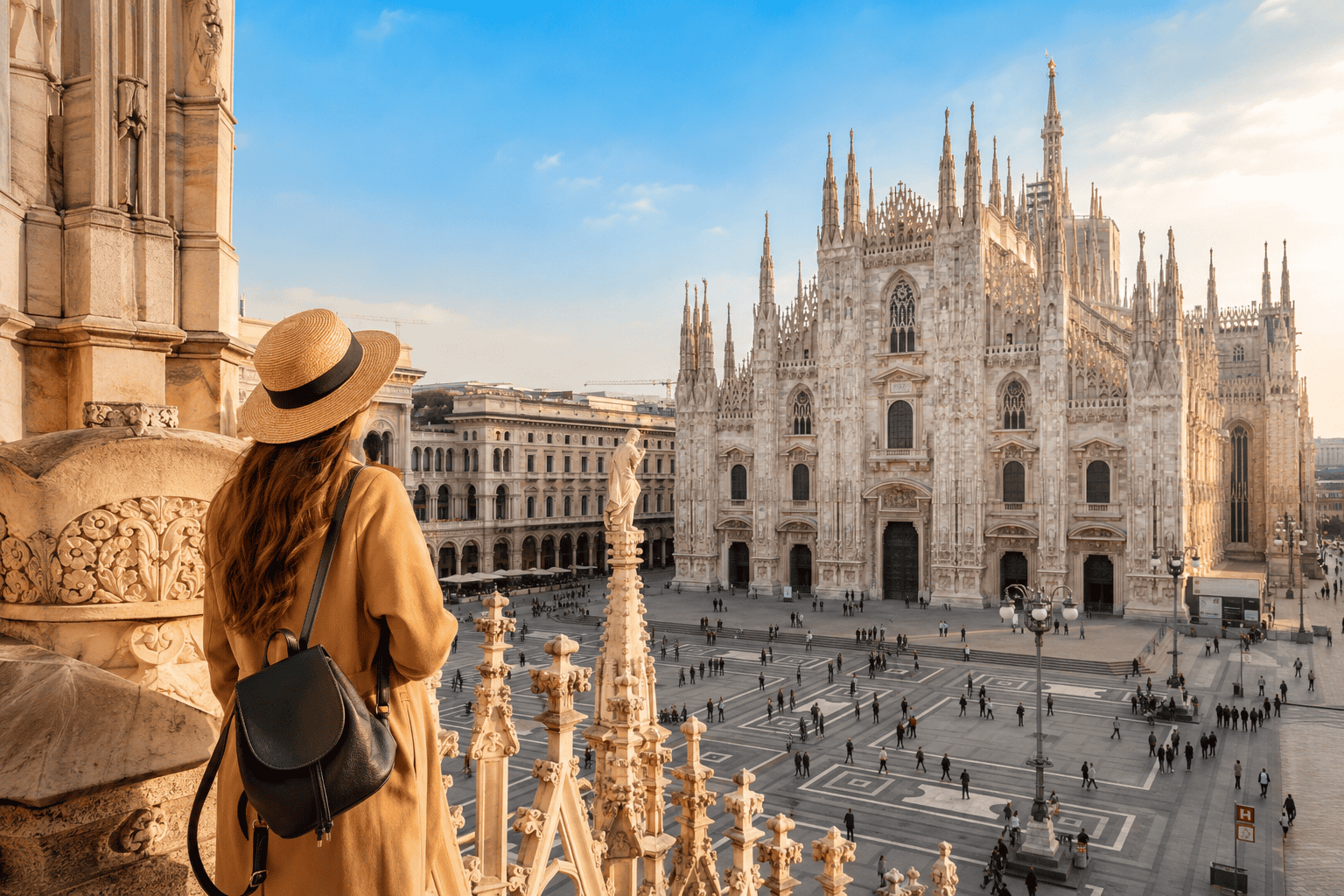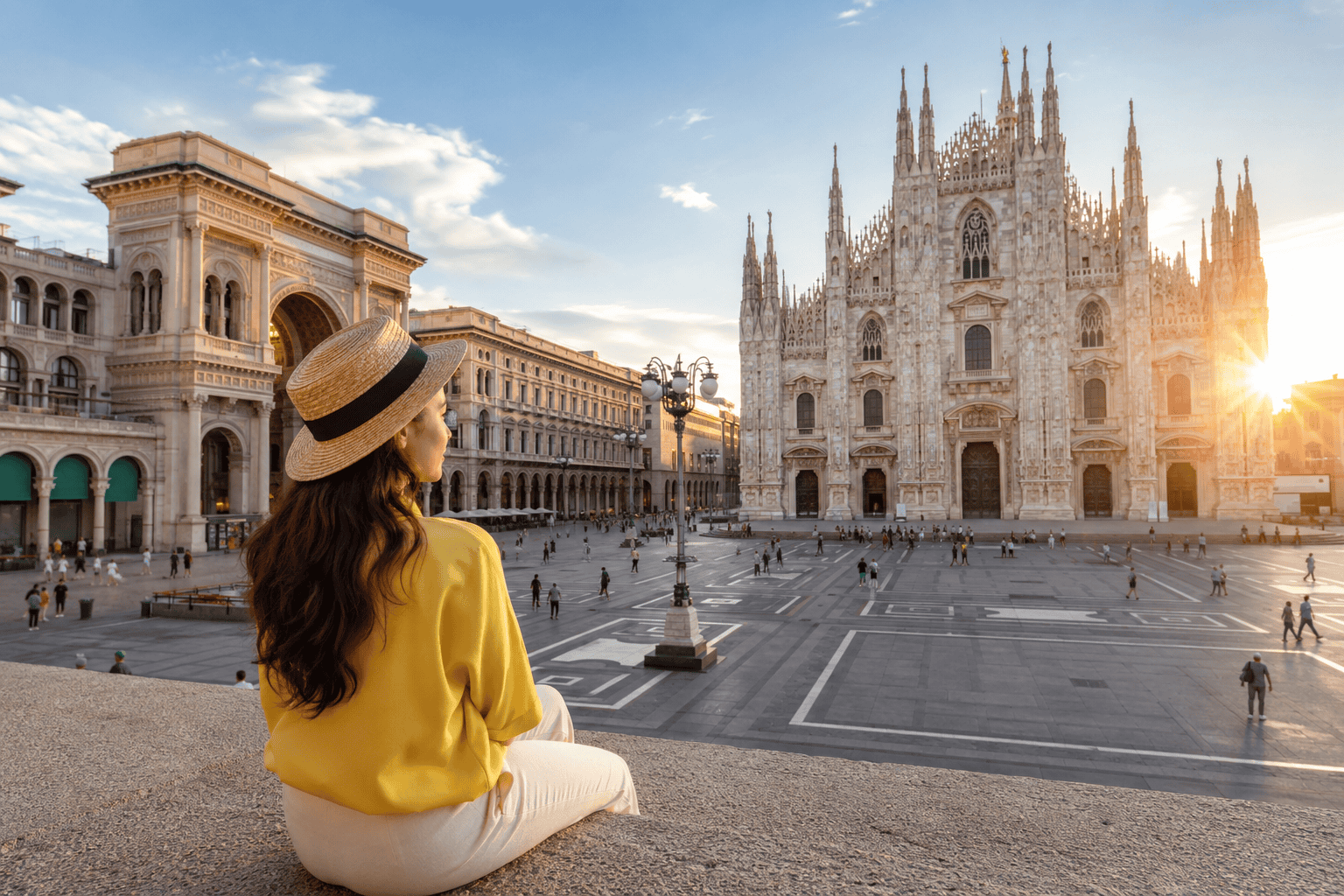
Milan Itinerary for 5 Days: Complete Travel Guide

This Milan itinerary for 5 days helps you experience the city’s iconic landmarks, fashionable neighborhoods, and popular day trips at a relaxed pace. You’ll also find practical advice on where to stay, what to book ahead, and how to enjoy Milan’s famous aperitivo culture while staying within budget.


Is 5 Days Too Much for Milan?

No — provided you structure the trip correctly. Milan is broader and more lifestyle-oriented than Florence or Venice, where the historic core is compact enough to cover in two or three days. In Milan, the rewards are spread across neighborhoods, and the city genuinely improves the longer you stay.

Five days works especially well if you want:

  • A slower, more comfortable pace with room to recover from jet lag
  • Time in neighborhoods beyond the Duomo — Brera, Navigli, Porta Venezia
  • Unhurried food experiences, including proper sit-down lunches and evening aperitivo
  • At least one day trip without cutting your in-city time short
  • Museum visits that do not feel rushed or exhausting

If your only goal is to see landmarks, two to three days is sufficient. If you want to experience Milan rather than just visit it, five days is the right call.


How Many Days in Milan Is Ideal?

Here is a realistic breakdown by trip length to help you decide:

Trip LengthBest For
1–2 daysMajor landmarks only, transit stop
3 daysHighlights plus one neighborhood
4 daysComfortable first visit, no day trips
5 daysBest balance of city depth and day trips
6–7 daysSlower exploration, multiple day trips

Five days is arguably the sweet spot. You can see the headline attractions without fatigue, include one or two day trips, and still spend evenings genuinely enjoying the city rather than recovering from it.


Best Neighborhoods to Stay in for 5 Days in Milan

Where you base yourself matters more in Milan than in many Italian cities. The metro is efficient, but crossing the city repeatedly wastes time and energy over a five-day stay. Choose your neighborhood based on how you travel, not just on price.

Centro Storico — Best for First-Time Visitors

Staying near the Duomo puts you within walking distance of the cathedral, the Galleria Vittorio Emanuele II, Brera, and every major metro line. It is the most convenient option for sightseeing-first travelers, though hotels here are among the city’s most expensive and the area is heavily touristic.

Best for: First-time visitors, short stays, travelers prioritizing convenience over local atmosphere.

Brera — Best Overall Atmosphere

Brera is elegant without being overwhelming. Its small streets, independent boutiques, art galleries, and strong aperitivo culture make it one of the most enjoyable places to be based in the city. Hotels lean toward mid-range and above, with limited budget options, but many travelers consider the atmosphere worth the premium.

Best for: Couples, food-focused travelers, longer stays.

Navigli — Best for Nightlife and Social Energy

Navigli revolves around the city’s canal network, lined with bars, aperitivo spots, and casual restaurants. It is lively, younger, and more affordable than central areas. The tradeoff is noise and a slightly less convenient commute to morning sightseeing spots.

Best for: Younger travelers, groups, anyone prioritizing evening atmosphere over proximity to museums.

Porta Venezia — Best Value and Local Balance

This neighborhood is underrated. You get good metro access, beautiful Liberty-style architecture, strong local restaurant options, and meaningfully lower hotel prices than the Duomo or Brera areas. It is a particularly good choice for repeat visitors or travelers who want a less touristy experience.

Best for: Mid-range travelers, repeat visitors, longer stays on a controlled budget.


What to Do in Milan in 5 Days: Day-by-Day Itinerary

This itinerary is built for a first-time visitor traveling at a moderate pace with an interest in food, neighborhoods, and culture alongside the major sights. One day trip is included. Adjust based on energy level, weather, and personal interests.

Day 1 — Historic Milan and the Duomo Area

Morning: Duomo di Milano

Start early. The Duomo area becomes crowded from late morning onward, and arriving at opening time makes a genuine difference. Inside the cathedral, dress modestly and expect security queues. The rooftop terraces — accessible by staircase or elevator — are worth prioritising: close views of the Gothic spires and a strong city panorama make them a more rewarding experience than the interior alone for many visitors.

  • Time needed: 2–3 hours
  • Cost: Cathedral entry plus rooftop access runs approximately €20–€30 depending on the ticket combination; book online in advance to avoid long queues
  • Mistake to avoid: Do not arrive midday without a pre-booked ticket — lines in peak season are genuinely frustrating

Late Morning: Galleria Vittorio Emanuele II

Directly adjacent to the Duomo, this 19th-century shopping arcade is touristy but architecturally impressive. Walk through slowly, look up at the glass dome, and stop for coffee at one of the historic cafés. Luxury shopping here is expensive even by Milan standards — skip it unless you planned for it.

Afternoon: Piazza Mercanti and Teatro alla Scala

Explore this area at a casual pace rather than as a checklist exercise. The medieval Piazza Mercanti is a calmer counterpoint to the Duomo square, and the streets around La Scala reward slow walking. If music history interests you, the La Scala Museum is a worthwhile 45-minute visit.

Evening: Aperitivo in Brera

Aperitivo is one of Milan’s defining rituals — part social hour, part informal meal. Most bars charge around €10–€16 for a cocktail that includes access to snack spreads or small plates. Terraces fill quickly after 18:00. Spend the rest of the evening walking Brera’s streets slowly; it is a strong introduction to the city’s atmosphere.

Day 2 — Art, Castles, and the Modern City

Morning: The Last Supper

This is the single attraction most worth booking well in advance in Milan. Tickets regularly sell out weeks or months ahead, and there is no same-day option worth relying on. Viewing sessions are controlled and time-limited, which creates an atmosphere more intimate than most major art experiences. Even travelers with limited interest in Renaissance painting typically find it memorable.

Book via the official Vivaticket platform or authorised resellers as early as possible in your planning process.

Mid-Morning: Castello Sforzesco

The castle sits naturally close to The Last Supper and makes a logical pairing. The complex is large, but you do not need to tour every museum section — the courtyards and main historical areas alone are worth an hour, and Michelangelo’s unfinished Pietà Rondanini (housed in the Museo dei Mobili e delle Sculture Lignee) is worth seeing if you have time.

Afternoon: Parco Sempione

After two days of active sightseeing, this large park behind the castle is a deliberate change of pace. Get coffee, sit outside, and decompress. The ability to slow down periodically is what makes a five-day Milan trip better than a rushed three-day one.

Evening: Porta Garibaldi and Corso Como

This area feels distinctly more contemporary than the historic center — modern architecture, fashion-heavy nightlife, rooftop bars, and international restaurants. It provides a useful contrast after two days of classical sightseeing and is one of the city’s better evening destinations.

Day 3 — Brera, Design, and Slow Milan

This is where a five-day itinerary starts paying dividends. Shorter trips miss these areas entirely. Day 3 is deliberately lighter on structured sightseeing.

Morning: Brera District

Do not over-schedule this morning. Brera works best explored without a list — small galleries, independent boutiques, quiet residential streets, and good espresso bars. If you enjoy art museums, the Pinacoteca di Brera is one of Italy’s strongest collections of Northern Italian Renaissance painting and fits well into the morning.

Lunch in Brera

This is a good area to try Milan’s signature dishes properly: risotto alla Milanese (saffron risotto) and cotoletta alla Milanese (breaded veal cutlet) both appear on menus across the neighborhood. Avoid rushing. The city’s food culture rewards sitting down and taking time.

Afternoon: Porta Venezia or Fondazione Prada

Two options depending on your interests. Porta Venezia and Corso Buenos Aires offer elegant architecture, local shopping, and a noticeably less touristy atmosphere than the Duomo area. If you prefer contemporary art and design over shopping streets, Fondazione Prada is one of the city’s strongest modern cultural spaces and is especially worthwhile for architecture and photography enthusiasts.

Evening: Navigli Canals

Time this for sunset. During the day, Navigli can feel ordinary; at dusk and into the evening, the canal-side bars and restaurants create a genuinely atmospheric setting. Good for aperitivo, a casual dinner, or simply walking the canal paths before heading elsewhere.

Day 4 — Day Trip from Milan

Milan’s rail connections are excellent, and a day trip on Day 4 adds variety that makes the overall trip feel more complete. The best option depends on your priorities.

Should You Include a Day Trip During a Longer Stay in Milan?

Yes, for most travelers. Milan is not relentlessly sightseeing-heavy in the way Rome is, and adding one day trip improves overall pacing without sacrificing meaningful in-city time.

Lake Como — Most Popular

The most common choice, and a reasonable one for first-time Italy visitors. The scenery is genuinely beautiful. Expect it to be busy and expensive, particularly in peak summer, and do not arrive expecting hidden serenity — it is a well-known destination with the crowds to match. Still worth doing for most travelers visiting the region for the first time.

Bergamo — Most Underrated

Often a better experience than Lake Como for travelers who want fewer crowds and a more historic atmosphere. The Città Alta (upper town) is one of Lombardy’s most scenic walled areas and is excellent for slow wandering. Train connections from Milan are frequent and straightforward.

Turin — Best for Food and Culture

Turin feels completely different from Milan — elegant boulevards, strong coffee culture, excellent museums, and arguably Italy’s best food city outside of Bologna. A full day is enough for a good introduction.

Verona — Best for Architecture and Atmosphere

Well-suited to a slower cultural day rather than a rushed checklist visit. The Roman arena, historic streets, and walkable scale make it a comfortable day trip, particularly for travelers who want something quieter than Lake Como.

Day 5 — Flexible and Local

Keep this day deliberately open. Over five days, weather changes, shopping takes longer than expected, and some travelers need a slower morning to recover before a departure. Flexibility on Day 5 is not wasted time — it is good trip design.

Option A — Shopping

The Quadrilatero della Moda covers international luxury, Corso Buenos Aires handles mid-range and high-street, and Brera’s boutiques are best for independent and Italian-label shopping. These three areas cover most shopping priorities without overlap.

Option B — Museums and Architecture

Good additions for travelers who want more cultural depth: the Museo del Novecento (20th-century Italian art with a strong Duomo view), Basilica di Sant’Ambrogio (one of Milan’s oldest and most important churches), San Bernardino alle Ossa (a small baroque chapel with an ossuary), and the Cimitero Monumentale (an extraordinary 19th-century cemetery worth a genuine visit, not just a detour).

Option C — Unhurried Local Milan

Arguably the best use of a final day. Café hopping, reading in Parco Sempione, taking a long lunch, walking a neighborhood without a destination. This is typically when Milan stops feeling like a city you are visiting and starts feeling like somewhere you actually know — which is usually the most memorable part of a longer trip.


Realistic Budget for 5 Days in Milan

Milan is one of Italy’s more expensive cities. Costs rise considerably during fashion weeks (typically February, September, and June) and peak summer.

Budget Traveler

Approximately €90–€140 per day

  • Hostel dormitory or basic private room
  • Metro travel plus occasional walking
  • Casual restaurants and self-catering breakfast
  • A limited number of paid attractions

Mid-Range Traveler

Approximately €180–€300 per day

  • Comfortable three-star hotel in Brera or Porta Venezia
  • Sit-down lunches, aperitivo culture, restaurant dinners
  • Museum entries and key attraction tickets
  • Day trip transport and modest shopping

Higher-End Traveler

€400 and above per day

  • Luxury or design hotels near the Duomo or in Brera
  • Fine dining, fashion shopping, and premium experiences
  • Costs rise sharply during fashion weeks and August

Common Mistakes to Avoid

Treating Milan as an attraction marathon. The city rewards pace, not volume. Trying to see everything quickly is how Milan ends up feeling disappointing.

Underestimating distances. The city is larger than many travelers expect. Use the metro strategically rather than walking every route.

Eating only near major attractions. Restaurants directly beside the Duomo are almost universally overpriced and underwhelming. Walking ten to fifteen minutes makes a significant difference to both quality and cost.

Skipping reservations. The Last Supper sells out weeks in advance. Popular rooftop restaurants require booking, particularly in summer. Fashion-week periods affect hotel availability and pricing across the entire city.

Missing the evenings. Milan changes substantially after work hours. Aperitivo culture, canal-side bars, and the general social energy of the city are a significant part of the experience — skipping evenings means missing something genuinely distinctive.


Transportation Tips for Getting Around Milan

Metro: Efficient, well-maintained, and easy to use. Multi-day transit passes are worth buying if you plan to use public transport daily. Contactless payment is widely accepted on the network.

Walking: Central districts are highly walkable, but consecutive long walking days across five days will wear you down. Mix metro use and walking rather than relying on one or the other entirely.

Trains for day trips: Milan’s main stations — Milano Centrale and Milano Porta Garibaldi — connect to most day-trip destinations quickly. Booking in advance, particularly for Trenitalia or Italo high-speed services, generally gives better pricing and guarantees reserved seating.


Food Experiences Worth Prioritising

Do not leave Milan without eating these properly at least once: risotto alla Milanese, cotoletta alla Milanese, panzerotti (fried stuffed pastry, best from a street stall), a full aperitivo spread, and a proper Italian pastry breakfast standing at a bar. Simple local meals in Milan are often more memorable than expensive fine dining.


Frequently Asked Questions

Is 5 days too long in Milan?

No. Five days gives you enough time for the major attractions, slower neighborhood exploration, at least one day trip, and the aperitivo and food culture that define the city. Travelers who find Milan underwhelming on short stays often enjoy it considerably more on a longer visit.

What are the best neighborhoods to base yourself in for 5 days in Milan?

Brera offers the best overall balance of atmosphere, central location, and restaurant quality, making it the strongest choice for most five-day stays. Centro Storico (around the Duomo) is more convenient for pure sightseeing but more expensive and less local-feeling. Porta Venezia is the best value option with good metro access. Navigli works well if evening atmosphere and nightlife are priorities.

Should I include a day trip during a longer stay in Milan?

Yes, for most travelers. A day trip on Day 4 adds variety without sacrificing meaningful city time, and Milan’s rail connections make it straightforward. Lake Como is the most popular option; Bergamo is often the better experience for travelers wanting fewer crowds and a more historic atmosphere.

What should I book in advance for a 5-day Milan trip?

Book The Last Supper as early as possible — ideally months in advance for peak season travel. Duomo rooftop tickets are worth pre-booking to avoid queues. Popular restaurants, particularly in Brera, benefit from reservations for dinner. If travelling during fashion weeks, book accommodation well in advance and expect higher prices across the board.

Is 5 days in Milan expensive?

Milan is one of Italy’s pricier cities, particularly for accommodation and dining in central areas. Budget travelers can manage on €90–€140 per day with careful choices. Mid-range travelers should plan for €180–€300 per day. Costs rise meaningfully during fashion weeks and peak summer months.

How do I get around Milan for 5 days without a car?

The metro covers most of the city’s key areas efficiently and is the backbone of daily transport. Trams and buses fill gaps in the network. Central neighborhoods are walkable. For day trips, trains from Milano Centrale or Porta Garibaldi reach Lake Como, Bergamo, Verona, and Turin without needing a car.


By Mara Vale for Eurly

Last verified: May 2025

Mara Vale, Eurly travel writer

Mara Vale

Mara Vale writes Eurly travel guides for first-time Europe visitors who want practical routes, realistic pacing, and fewer avoidable planning mistakes.

Eurly guides are written to help readers make confident travel decisions, but opening hours, ticket rules, transit disruptions, and local conditions can change. Always verify key reservations and official schedules before you travel.

Leave a Comment

Your email address will not be published. Required fields are marked *

Scroll to Top