

A London to Dublin trip offers several travel options in 2026. Flights are usually the fastest choice, while train-and-ferry routes appeal to travellers seeking a slower and more scenic journey.
For more planning advice, see our How to Travel from London to Dublin: Best Options (Time, Cost, Convenience) and How to Travel from Paris to London: Best Options (Time, Cost, Convenience).
This London to Dublin travel guide compares flights, ferry-and-train routes, driving and coach travel, including typical journey times, costs and the types of travellers each option suits best.
Quick Comparison: London to Dublin Travel Options
| Option | Typical Door-to-Door Time | Typical Cost Range | Best For |
|---|---|---|---|
| Flight from London to Dublin | About 3.5–5.5 hours | About £25–£120 one way before extras | Most travellers |
| Train and ferry via Holyhead | About 7–11 hours | About £55–£130 per person | Slow travel, cyclists and heavy luggage |
| Car and ferry via Holyhead | About 9–13 hours | Varies by vehicle and sailing | Travellers taking a car to Ireland |
| Coach via ferry | About 10–14 hours | About £20–£50 when booked ahead | Strict budgets |
Option 1: Flying from London to Dublin

Flying is the most popular way to travel from London to Dublin. Although the flight itself is usually around 1 hour 20 minutes, total travel time is longer once airport transfers, security, boarding and arrival procedures are included.
Main Airlines and London Airports
- Aer Lingus: Commonly operates from Heathrow and Gatwick.
- Ryanair: Commonly operates from Stansted and often offers the lowest headline fares.
- British Airways: Commonly operates from Heathrow and may appeal to travellers using loyalty programmes or onward connections.
Getting from Dublin Airport to the City Centre
- Express bus: Typically 25–45 minutes depending on traffic.
- Public bus: Usually cheaper but slower.
- Taxi: Convenient for groups or travellers with luggage.
Best for: City breaks, business trips and travellers who want the quickest overall journey.
Watch out for: Baggage fees, airport transfer costs and strict low-cost airline rules.
Option 2: Train and Ferry from London to Dublin via Holyhead

The closest alternative to a direct rail journey is travelling by train from London Euston to Holyhead in North Wales and then taking a ferry to Dublin.
Typical Journey Breakdown
- London Euston to Holyhead: Usually around 3–4 hours by train.
- Holyhead to Dublin: Usually around 3 hours 15 minutes to 3 hours 40 minutes by ferry.
- Dublin Port to the city centre: Additional transfer time is required after arrival.
While scenic and comfortable for many travellers, the train-and-ferry route is normally much slower than flying.
Ferry Operators
Best for: Cyclists, travellers with bulky luggage, ferry enthusiasts and those avoiding airports.
Not ideal for: Short breaks or time-sensitive trips.
Option 3: Driving from London to Dublin by Ferry
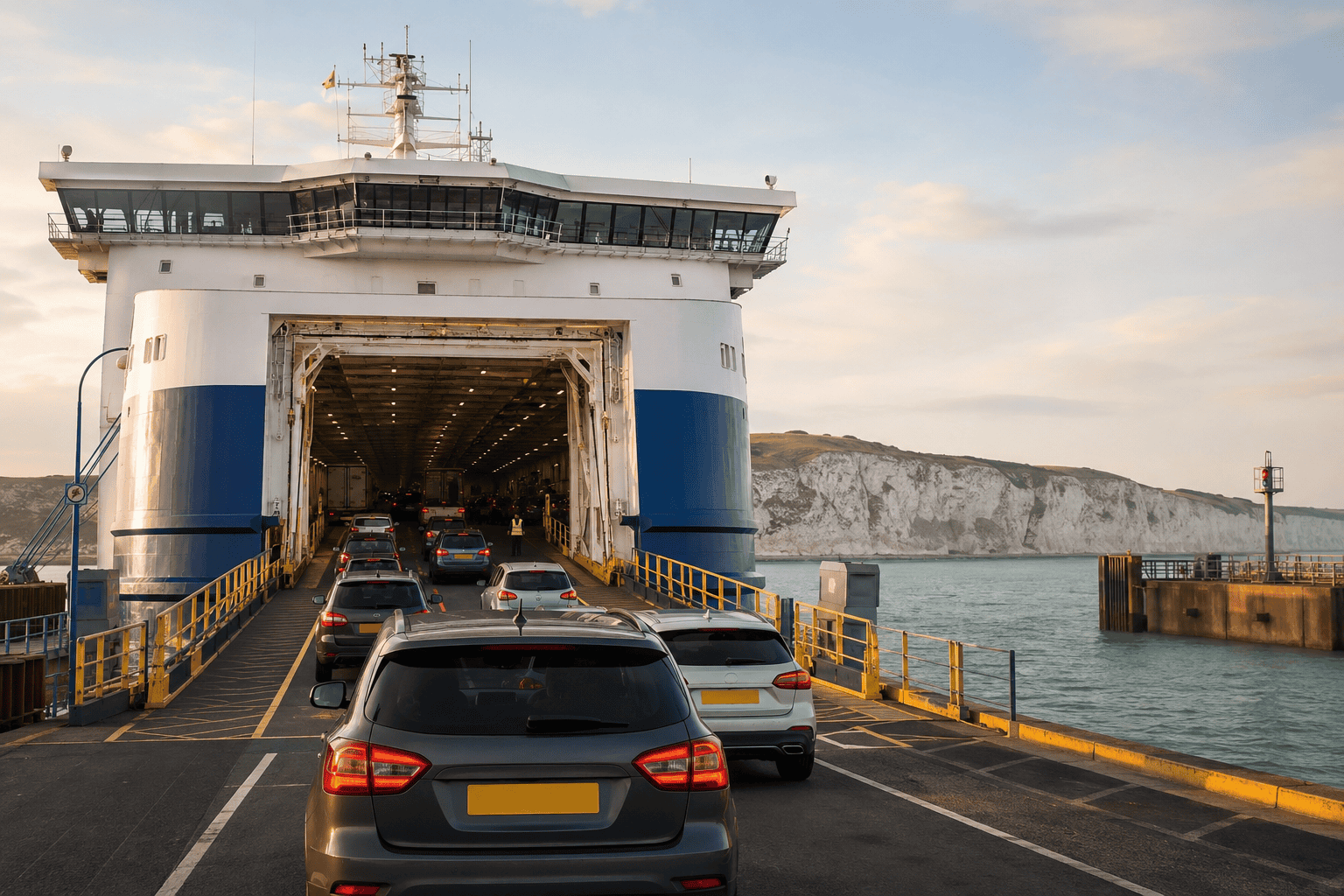
Travellers bringing a vehicle to Ireland usually drive from London to Holyhead before boarding a ferry to Dublin. This option is especially useful for longer trips, family holidays and road trips around Ireland.
Vehicle fares vary significantly based on season, sailing time, vehicle size and optional extras such as cabins or reserved seating.
Best for: Families, road trips and travellers carrying large amounts of equipment or luggage.
Option 4: Coach from London to Dublin
Coach travel is generally the slowest mainstream option but can be one of the cheapest. Services usually depart from London Victoria and include a ferry crossing as part of the journey.
Journey times commonly range from 10–14 hours. Check current schedules and fares with National Express before booking.
Best for: Travellers prioritising price over speed and comfort.
Which London to Dublin Option Should You Choose?
| Traveller Type | Best Option | Why |
|---|---|---|
| First-time visitor on a short break | Flight | Fastest and easiest overall |
| Traveller with a car | Car and ferry | Practical way to bring a vehicle |
| Budget traveller | Low-cost flight or coach | Often the cheapest choices |
| Heavy luggage or bicycle | Train and ferry | Can be easier than airline baggage rules |
| Slow-travel enthusiast | Train and ferry | More scenic and avoids airports |
For most travellers, flying remains the best balance of speed and convenience. Ferry-based routes are most appealing when bringing a vehicle, carrying bulky luggage or making the journey itself part of the travel experience.
Practical Notes Before You Travel
Passport, ID and Visa Rules
Ireland is not part of the Schengen Area. Although the UK and Ireland share the Common Travel Area, transport operators may still require identification. A valid passport is generally the safest document to carry, especially for non-UK and non-Irish nationals.
Currency
Ireland uses the euro, while the UK uses pound sterling. Card payments are widely accepted throughout Dublin.
Local Transport in Dublin
Dublin is served by Dublin Bus, Luas trams and DART suburban rail services. Visitor transport passes may offer good value for frequent journeys.
FAQ: London to Dublin Travel
What is the cheapest way to travel from London to Dublin?
The cheapest option is often either a low-cost flight or an advance-purchase coach ticket. Always compare final costs after baggage fees and airport transfers.
How long does it take to fly from London to Dublin?
The flight itself is usually around 1 hour 20 minutes. Realistic city-centre-to-city-centre travel time is typically 3.5–5.5 hours.
Is there a direct train from London to Dublin?
No. The Irish Sea prevents a direct rail connection. The closest alternative is a train-and-ferry journey via Holyhead.
Can you travel from London to Dublin without flying?
Yes. Options include train and ferry, driving and ferry, or coach services that include a ferry crossing.
Do you need a passport to travel from London to Dublin?
A passport is generally the safest document to carry. Requirements can vary depending on nationality and transport operator.
Is the ferry from London to Dublin worth it?
It can be worthwhile for travellers taking a car, bicycle or large amounts of luggage, or for those who enjoy slower travel. It is usually not the fastest option.
Last verified: 2026-04-27. Prices, schedules and travel rules can change, so check operators before booking.
For additional travel background, see Wikivoyage’s London to Dublin travel information.

Mara Vale
Mara Vale writes Eurly travel guides for first-time Europe visitors who want practical routes, realistic pacing, and fewer avoidable planning mistakes.
Eurly guides are written to help readers make confident travel decisions, but opening hours, ticket rules, transit disruptions, and local conditions can change. Always verify key reservations and official schedules before you travel.