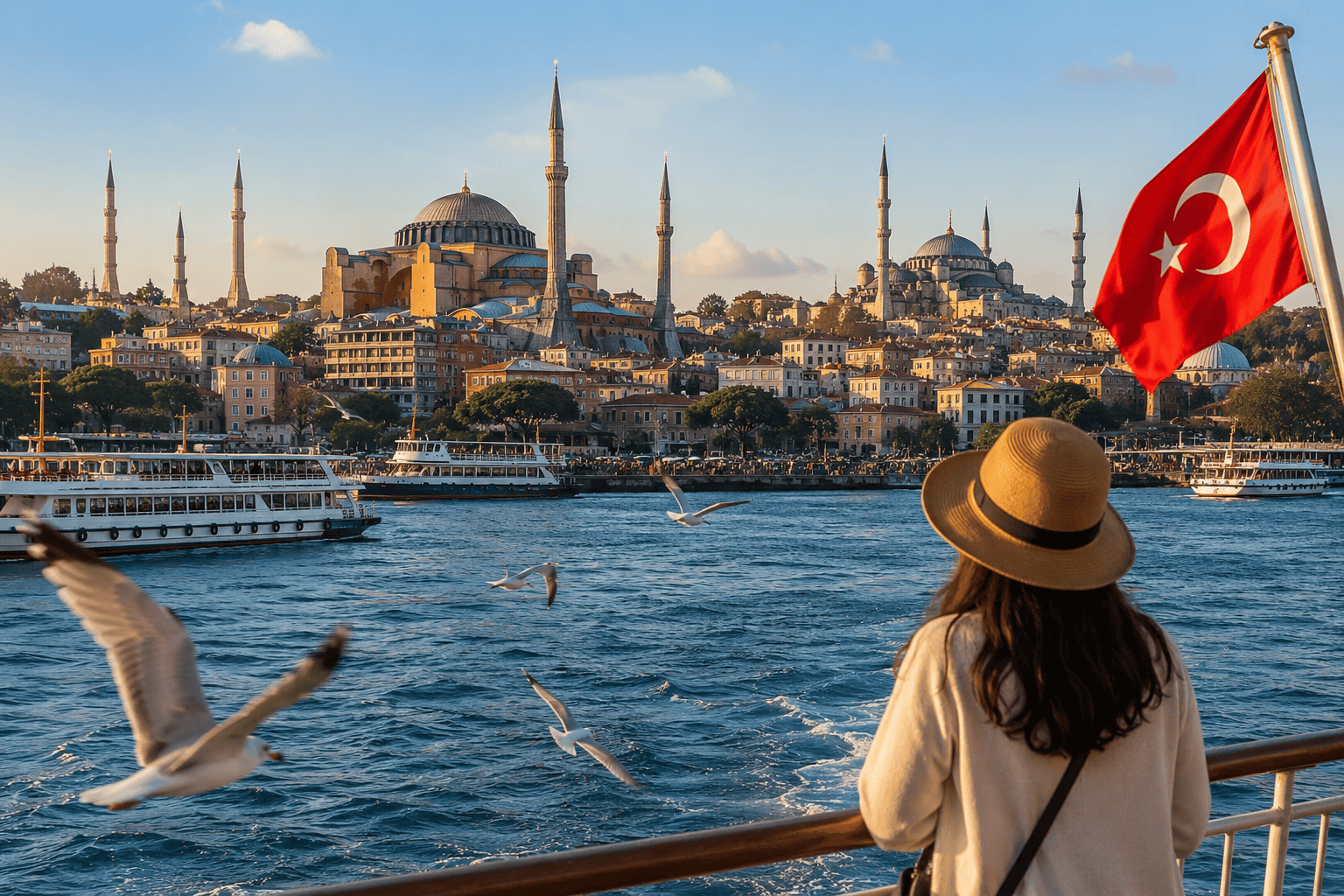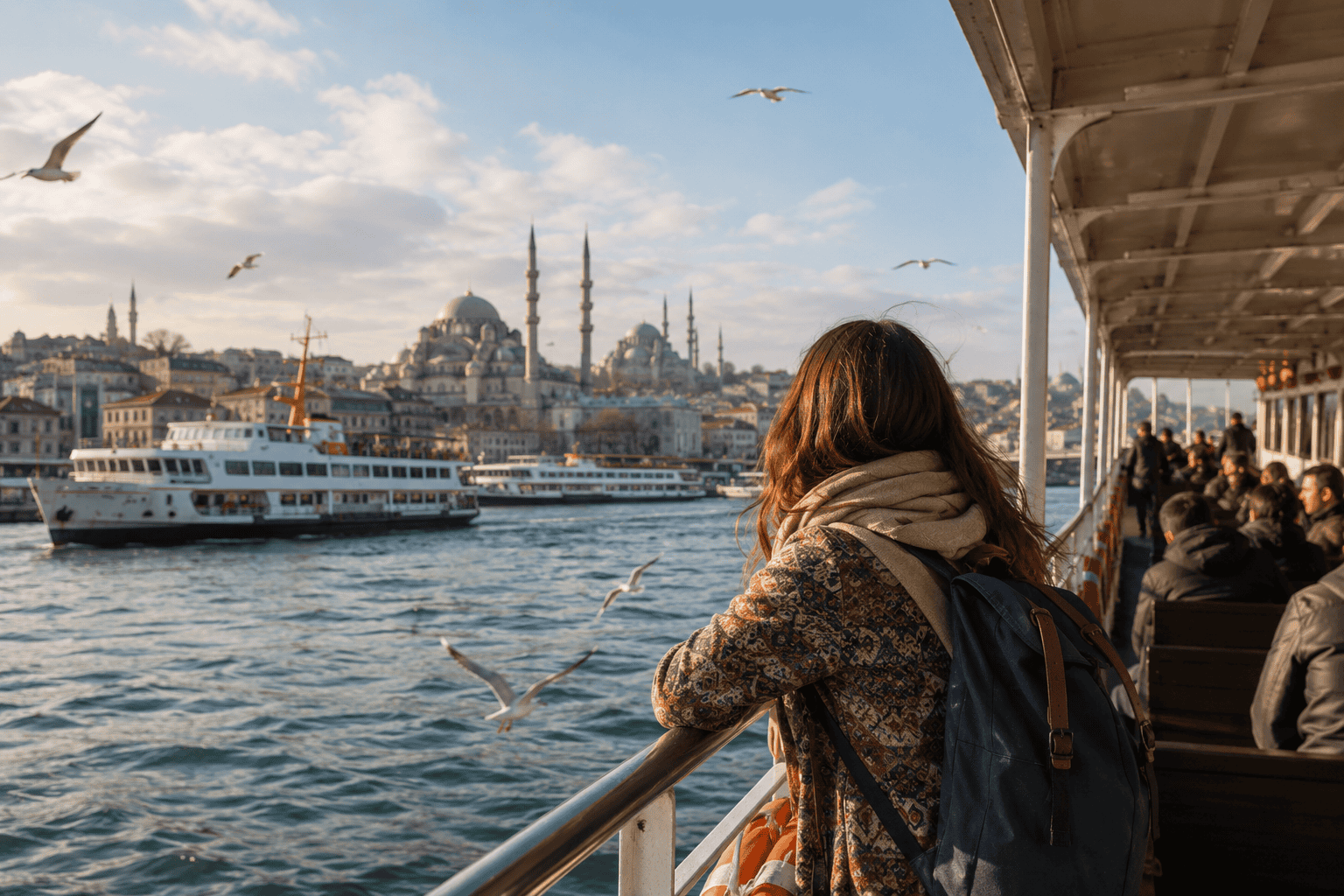

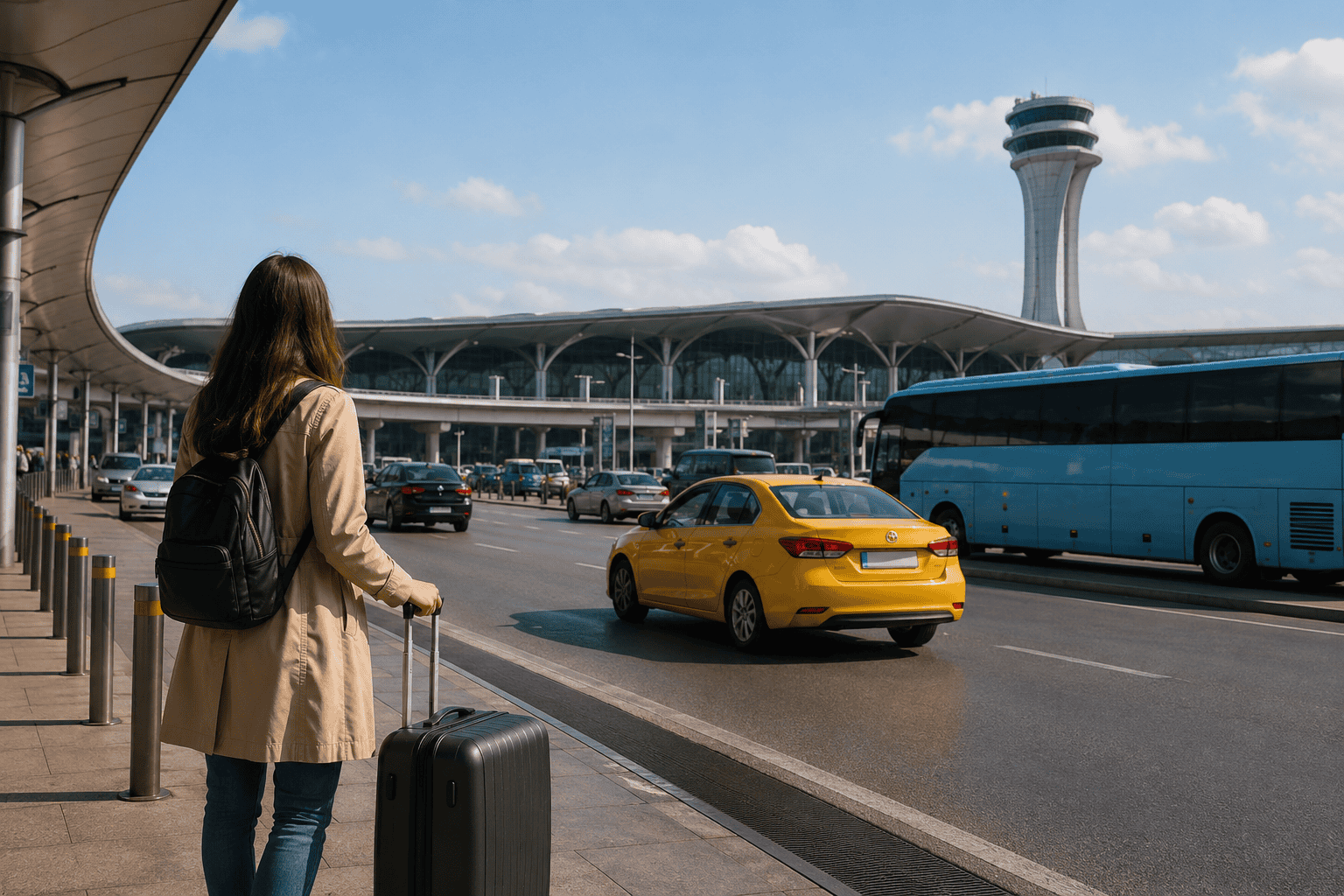
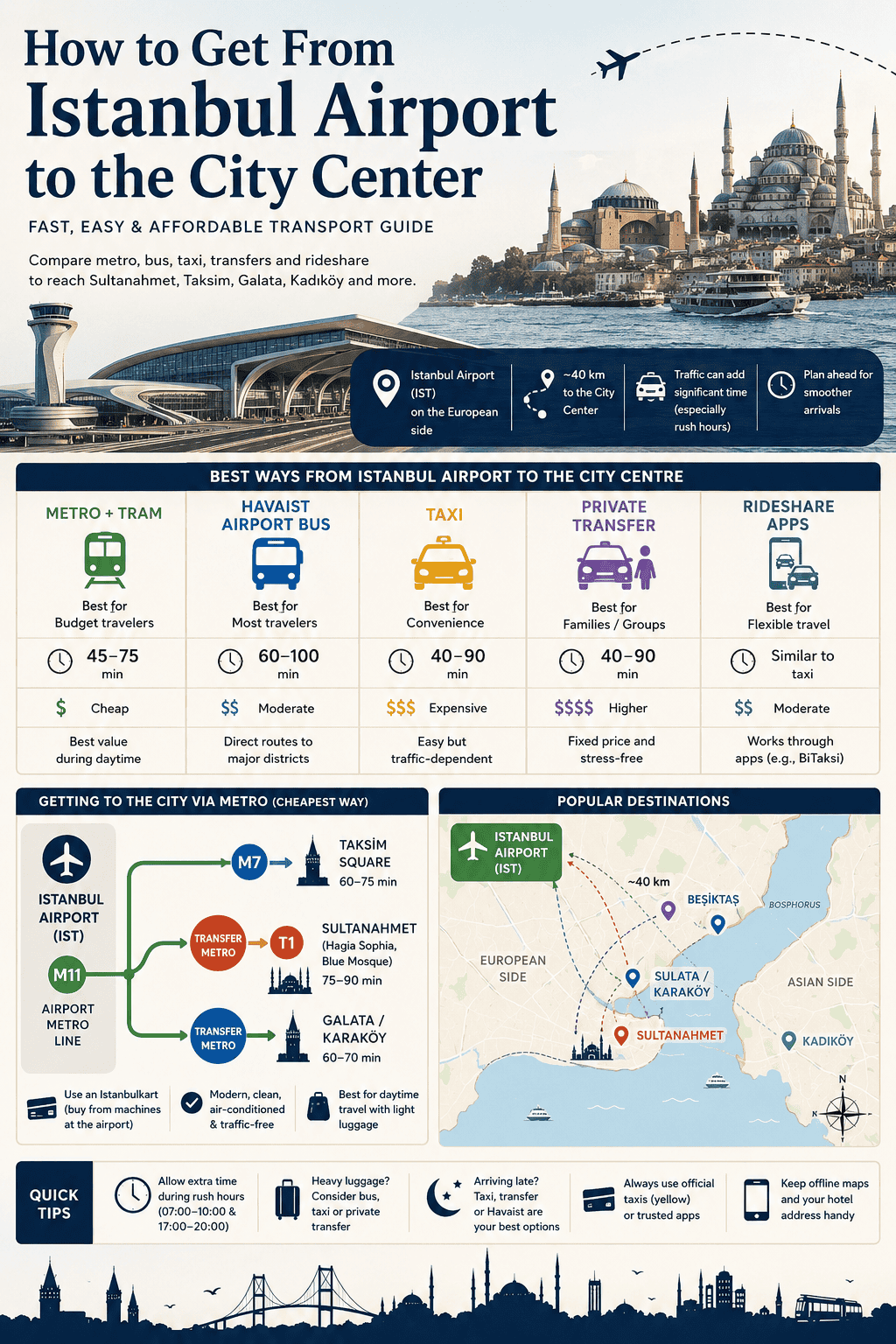
Getting from Istanbul airport to city centre efficiently is the first step to making the most of a short trip. Three days in Istanbul is enough to experience iconic landmarks, cross between Europe and Asia by ferry, and eat exceptionally well — if you plan by neighbourhood rather than rushing through a checklist. This Istanbul itinerary for 3 days is designed around smart routing, realistic pacing, and the sights truly worth your time.
- Trip length: 3 days
- Best base: Karaköy or Galata (European side)
- Daily budget range: €90–220 per person (mid-range)
- Transport card: Istanbulkart — buy one on arrival
- Best for: First-time visitors wanting history, food, and Bosphorus culture
What Is the Best 3-Day Itinerary for Istanbul?
The most practical first time in Istanbul itinerary divides the city by geography. Istanbul is enormous, and trying to zig-zag between districts every day will cost you hours in traffic. A smarter structure:
- Day 1: Sultanahmet and the Historic Peninsula
- Day 2: Galata, Karaköy, and the Bosphorus
- Day 3: Asian Side — Kadıköy and beyond
This route minimises unnecessary crossings while giving you a balanced experience of Ottoman history, Byzantine landmarks, Bosphorus views, modern café culture, and local neighbourhood life.
Before You Start: Essential Planning Tips
Where Should First-Time Visitors Stay?
For a three-day trip, your accommodation choice directly affects how much time you spend commuting versus exploring. The two most practical bases are:
Karaköy or Galata — the best overall option for most first-time visitors. You get strong tram and ferry connections, a genuinely good food and café scene, walkable streets, and far more local atmosphere than the tourist-heavy hotel strips. This is the base this itinerary is built around.
Sultanahmet — ideal if being within walking distance of Hagia Sophia and Topkapı Palace is your priority. The trade-off is a quieter nightlife scene and fewer modern restaurants. Expect more tourist-facing accommodation and restaurants in the immediate area.
Kadıköy (Asian Side) — excellent for longer stays or repeat visitors, but adds a daily ferry crossing that isn’t always worth it on a tight three-day schedule.
Get an Istanbulkart Immediately
Buy an Istanbulkart at the airport or at any major metro station. It covers trams, metro lines, ferries, and funiculars with a single tap — and costs a fraction of single tickets. Do not rely on taxis. Istanbul’s traffic is genuinely disruptive to itineraries, particularly mid-morning and early evening.
How Much Does 3 Days in Istanbul Cost?
Istanbul is significantly more affordable than most western European capitals, though accommodation is the biggest variable.
Mid-range daily budget per person:
- Accommodation: €70–140
- Food: €20–40
- Transport: €5–10
- Attractions: €20–40
Typical 3-day total:
- Budget traveller: €250–400
- Mid-range traveller: €500–900
- Higher-end traveller: €1,200+
The Istanbul Museum Pass is worth considering if you plan to visit multiple historic sites. It covers Topkapı Palace, the Basilica Cistern, and other major attractions and can save both money and queue time during peak season. Check current pricing and included sites at the official Turkish Museums portal.
Day 1: Sultanahmet and the Historic Peninsula
Start your Istanbul itinerary for first timers in the city’s historic core. The biggest mistake on Day 1 is arriving at major sites around midday when cruise groups and tour buses peak. Start before 9 AM where possible.
Morning: Hagia Sophia
Few buildings anywhere in the world carry the layered historical weight of Hagia Sophia. Built as a Byzantine cathedral in 537 AD, converted to an Ottoman mosque, repurposed as a museum for much of the 20th century, and now operating as a mosque again — the interior makes all of this visible at once, with Byzantine mosaics coexisting alongside Islamic calligraphy in the same domed space.
Plan at least 60–90 minutes here. Practical notes: dress modestly, women need a head covering (scarves are available at the entrance), and expect airport-style security queues even early in the morning. Entry is free for prayer areas.
Mid-Morning: Blue Mosque (Sultan Ahmed Mosque)
Directly opposite Hagia Sophia across the Sultanahmet square, the Blue Mosque is an active place of worship and one of Istanbul’s most recognisable silhouettes. The interior — named for its hand-painted Iznik tiles — is calmer and more elegant than many visitors expect. Entry is free, though access is restricted during the five daily prayer times, so check the schedule and build in flexibility.
Late Morning: Basilica Cistern
After the two mosques, go underground. The Basilica Cistern — a vast 6th-century Byzantine water reservoir beneath the streets of Sultanahmet — is atmospheric, cool during summer, and genuinely memorable. The dim lighting, elevated walkways, and the famous upside-down Medusa column bases make this one of the most unusual 45-minute visits in the city. Tickets can be booked in advance at the official Basilica Cistern website to skip the queue.
Lunch
Avoid restaurants directly facing Sultanahmet Square — aggressive tout culture and inflated prices are common there. Walk slightly uphill toward Sirkeci or a few streets back from the main square for noticeably better food at lower prices. Good first-day options include İskender kebab, lentil soup, meze platters, pide, and the obligatory first glass of Turkish tea.
Afternoon: Topkapı Palace
If you visit one palace in Istanbul, make it this one. Topkapı explains the scale, logic, and ambition of the Ottoman Empire more viscerally than any museum exhibit can. Prioritise the Imperial Treasury (home to the Topkapi Dagger and other extraordinary objects), the Harem section, the open courtyards, and the Bosphorus-facing viewpoints. Budget two to four hours depending on your level of interest. The Harem requires a separate ticket.
Evening: Galata Bridge at Sunset
After a history-dense day, head toward Galata Bridge. Watching fishermen line the bridge as ferries cross the Bosphorus in the evening light is one of those Istanbul moments that costs nothing and sticks with you. For dinner, explore the Karaköy side streets away from the most tourist-facing waterfront strips — grilled fish and meze are the natural choices for a first evening near the water.
Day 2: Galata, Karaköy, and the Bosphorus
Day 2 balances Istanbul’s modern energy with its defining waterfront geography. This is the day that answers the question of what to do in Istanbul in 3 days beyond the obvious landmarks.
Morning: Galata Tower and Karaköy Streets
Start around the Galata Tower before crowds build. The tower itself offers panoramic views of the city and the Bosphorus, though some visitors skip the interior due to queues and ticket prices during peak season. Either way, the surrounding streets are worth an hour of slow walking — steep historic alleys, independent cafés, boutique workshops, and strong photography opportunities in almost every direction.
Descend to Karaköy for a proper Turkish breakfast. This neighbourhood does breakfast well: try menemen (scrambled eggs with tomato and pepper), simit (sesame-crusted bread rings), fresh pastries, and Turkish coffee. Karaköy combines Ottoman-era architecture with a genuinely contemporary food scene in a way few other Istanbul neighbourhoods manage.
Midday: Bosphorus Cruise
No realistic three-day plan omits this. Seeing Istanbul from the water makes the city’s geography — straddling two continents across a narrow but commercially vital strait — immediately legible in a way that maps cannot convey. You have three practical options:
- Public ferry: The cheapest and most authentic option. Istanbulkart accepted. Best for independent travellers who prefer flexibility and local atmosphere over guided commentary.
- Short tourist cruise: Typically lasts 1.5–2 hours with stops at key Bosphorus landmarks. Good balance for first-time visitors who want context without committing a full afternoon.
- Private yacht: Significantly more expensive, but worth considering for couples, special occasions, or a sunset experience on Day 3.
Public ferries depart from Eminönü. Timetables and routes are listed on the İstanbul Şehir Hatları (City Lines) website.
Afternoon: Dolmabahçe Palace
Dolmabahçe is one of Istanbul’s most underrated first-timer attractions. Where Topkapı is austere Ottoman grandeur, Dolmabahçe is European-influenced imperial excess — crystal chandeliers, vast ceremonial halls, and a waterfront position directly on the Bosphorus. The contrast between the two palaces tells you more about the Ottoman Empire’s final century than almost any history book. Guided tours are mandatory; allow 1.5–2 hours.
Evening: Istiklal Avenue and Beyoğlu
Istiklal Avenue is crowded, loud, and chaotic — and unavoidable on a first visit. Walk its length, then duck into the quieter side streets around Çukurcuma and the historic covered passages (pasajlar) for the more interesting version of this neighbourhood. This is the area for rooftop bars with Bosphorus views, meyhanes (traditional taverns with live music), and late-evening desserts. Try baklava or künefe if you haven’t yet, and consider Turkish wine or rakı alongside a proper meze spread.
Day 3: Asian Side Istanbul
Many first-time visitors skip the Asian side entirely. That is a genuine missed opportunity. Crossing the Bosphorus gives this Istanbul itinerary for 3 days its final dimension — and it is the contrast that makes the whole trip click.
Morning: Ferry to Kadıköy
Take the ferry from Eminönü, Karaköy, or Beşiktaş. The crossing itself is part of the experience — commuters, seagulls, tea vendors, and the entire European skyline receding behind you as the Asian shore approaches. This is not tourism; it is Istanbul’s daily life, and you are temporarily part of it.
Mid-Morning: Kadıköy Neighbourhood
Kadıköy feels immediately different from Sultanahmet — younger, less touristic, and more visibly a neighbourhood where people actually live. Spend the morning wandering its covered food market (Kadıköy Çarşısı), independent bookshops, coffee shops serving serious single-origin espresso alongside traditional Turkish brew, and the food streets where vendors sell everything from fresh produce to cured meats to pickled vegetables. This is one of the best areas in Istanbul for travellers who want city culture beyond landmark-ticking.
Lunch: Turkish Food Beyond Kebabs
Use Day 3 to try dishes that most short-stay visitors miss: lahmacun (thin flatbread with minced meat and herbs), mantı (Turkish dumplings with yoghurt and butter), midye dolma (stuffed mussels sold from street carts), or a full traditional Turkish breakfast spread if you missed one earlier in the trip. Kadıköy’s food streets make all of this easy to find.
Afternoon: Choose Your Pace
Depending on how your first two days felt, you have two sensible options for the afternoon:
Option 1 — Moda: The quietest and most relaxing choice. This seaside neighbourhood directly adjacent to Kadıköy has waterfront walking paths, slow cafés, small parks, and almost no tourist infrastructure. If Days 1 and 2 were intense, Moda provides the decompression your legs probably need.
Option 2 — Çamlıca Hill: If panoramic views matter more than rest, head up to Çamlıca Hill on the Asian side. The perspective from here — the Bosphorus bridges, the European skyline, the mosque silhouettes — gives you a sense of Istanbul’s actual scale that is difficult to appreciate from street level.
Evening: Final Dinner on the Water
End the trip near the Bosphorus. Ortaköy (reachable from the Asian side via Beşiktaş) is a popular last-evening choice for its waterfront setting, the illuminated Bosphorus Bridge overhead, street food stalls, and relaxed late-night atmosphere. The kumpir (loaded baked potato) sold from carts near the waterfront is an Istanbul street food institution. Karaköy and Beşiktaş are equally strong options for a final dinner with views.
Which Areas of Istanbul Should Be Prioritised on a Short Trip?
If you have three days and need a clear priority order:
- Sultanahmet — historic core, unmissable for first-timers
- Galata and Karaköy — best balance of food, access, and neighbourhood character
- Bosphorus waterfront — the geographic heart of the city’s identity
- Kadıköy — the Asian side contrast that completes the picture
Areas to leave for a longer trip: the Grand Bazaar area (worth visiting but easy to overspend time in), Balat (beautiful but out of the way for a three-day schedule), Üsküdar, and the Princes’ Islands day trip.
Common Mistakes First-Time Visitors Make in Istanbul
Overloading the schedule. You cannot fully cover Istanbul in three days. A focused four-neighbourhood plan delivers a far better experience than exhausting yourself crossing the city every few hours. Build in space for tea, wandering, and unexpected detours.
Relying on taxis. Istanbul’s traffic is genuinely schedule-destroying, particularly in the late afternoon. Ferries, trams, and metro lines are faster, cheaper, and more reliable for the areas in this itinerary.
Underestimating the hills. Istanbul is one of the hilliest cities in Europe. Wear proper walking shoes. This is not optional advice.
Eating near tourist squares. The quality gap between a tourist-facing restaurant on Sultanahmet Square and a local spot two streets back can be enormous. Walk a little before choosing where to sit down.
Not accounting for prayer times. Major mosques temporarily restrict visitor access during the five daily prayers. Check times and build flexibility into your Day 1 schedule in particular.
Is 3 Days Enough for Istanbul?
Yes — with realistic expectations. Three days is enough to experience Istanbul’s major landmarks, cross to the Asian side, take a Bosphorus cruise, eat well across multiple food traditions, and form a genuine sense of the city’s character and contrasts. You will not see everything — Istanbul is too large and too layered for that — but you will absolutely understand why people return.
Five to seven days allows for slower pacing, day trips (Bursa, the Princes’ Islands, or Gallipoli), deeper neighbourhood exploration, and a much more relaxed relationship with the Grand Bazaar and Spice Market. If your schedule allows it, four days is a comfortable upgrade from three.
FAQ: Istanbul Itinerary for 3 Days
What should first-time visitors do in Istanbul in 3 days?
Prioritise Hagia Sophia, the Blue Mosque, the Basilica Cistern, and Topkapı Palace on Day 1; a Bosphorus cruise and Dolmabahçe Palace on Day 2; and Kadıköy on the Asian side on Day 3. This combination covers Ottoman and Byzantine history, Bosphorus geography, and local neighbourhood culture without overloading any single day.
Is the Istanbul Museum Pass worth it for a 3-day trip?
Generally yes for first-time visitors who plan to visit multiple historic sites. The pass covers entry to Topkapı Palace, the Basilica Cistern, Istanbul Archaeological Museums, and other major attractions, and can reduce both cost and queue time during busy periods. Check which sites are currently included before purchasing, as the list has changed in recent years.
Which side of Istanbul is better for tourists — European or Asian?
The European side holds the majority of Istanbul’s historic landmarks and is the more practical base for a short trip. The Asian side — particularly Kadıköy — is more local in feel, less touristic, and provides a genuine contrast that many visitors consider the highlight of their trip. A well-structured itinerary includes both sides rather than choosing between them.
How many days do you actually need in Istanbul?
Three days covers the highlights well if planned efficiently. Four to five days allows for a more relaxed pace and room for the Grand Bazaar, Balat, and a day trip. Seven or more days suits travellers who want to explore deeply, visit the Princes’ Islands, or take trips to nearby sites like Bursa or Gallipoli.
What is the best transport option for getting around Istanbul?
The Istanbulkart prepaid card is the most efficient option. It covers trams (the T1 line connects Sultanahmet directly to Karaköy and Kabataş), the metro, ferries, and funiculars. Taxis are readily available but expensive relative to public transport, and Istanbul’s traffic makes them unreliable for time-sensitive segments of your day.
When is the best time to visit Istanbul for a 3-day trip?
April to early June and September to October offer the most comfortable conditions — mild temperatures, manageable crowds, and good light for photography. July and August are hot and very busy, particularly around Sultanahmet. Winter is quieter and cheaper, with occasional cold and rain but far fewer queues at major sites.
By Mara Vale for Eurly
Last verified: May 2025. Entry requirements, ticket prices, and site access arrangements can change. Check official sources before travel.

Mara Vale
Mara Vale writes Eurly travel guides for first-time Europe visitors who want practical routes, realistic pacing, and fewer avoidable planning mistakes.
Eurly guides are written to help readers make confident travel decisions, but opening hours, ticket rules, transit disruptions, and local conditions can change. Always verify key reservations and official schedules before you travel.