
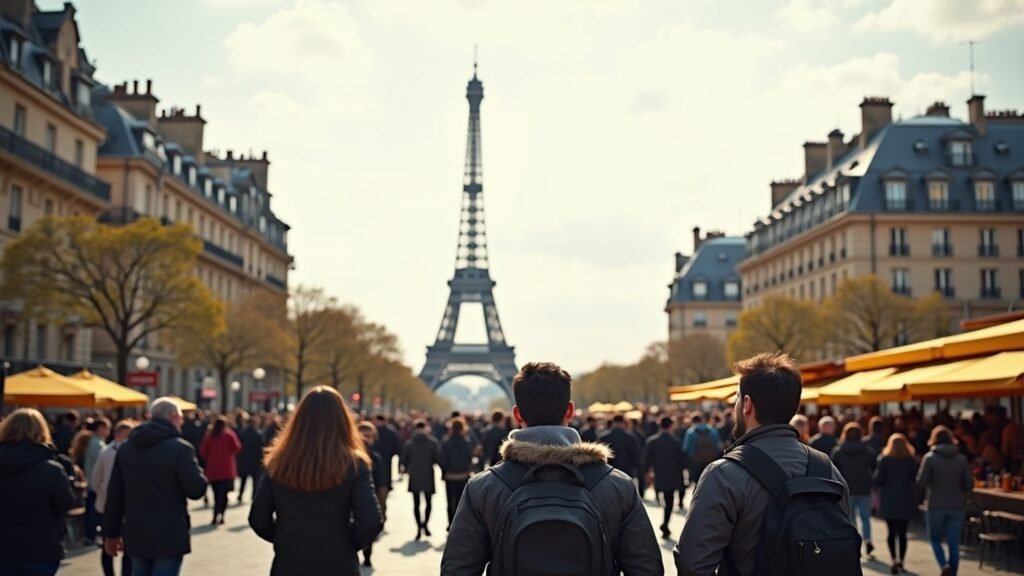
This Paris safety guide highlights the most common concerns visitors should know about. Paris is generally safe for tourists. Most issues involve petty theft or scams rather than serious crime.
Knowing where these problems are more likely to happen, what common scams look like, and how to respond if something goes wrong can remove much of the stress from your trip.
Paris Safety Guide: Is Paris Safe for Tourists?
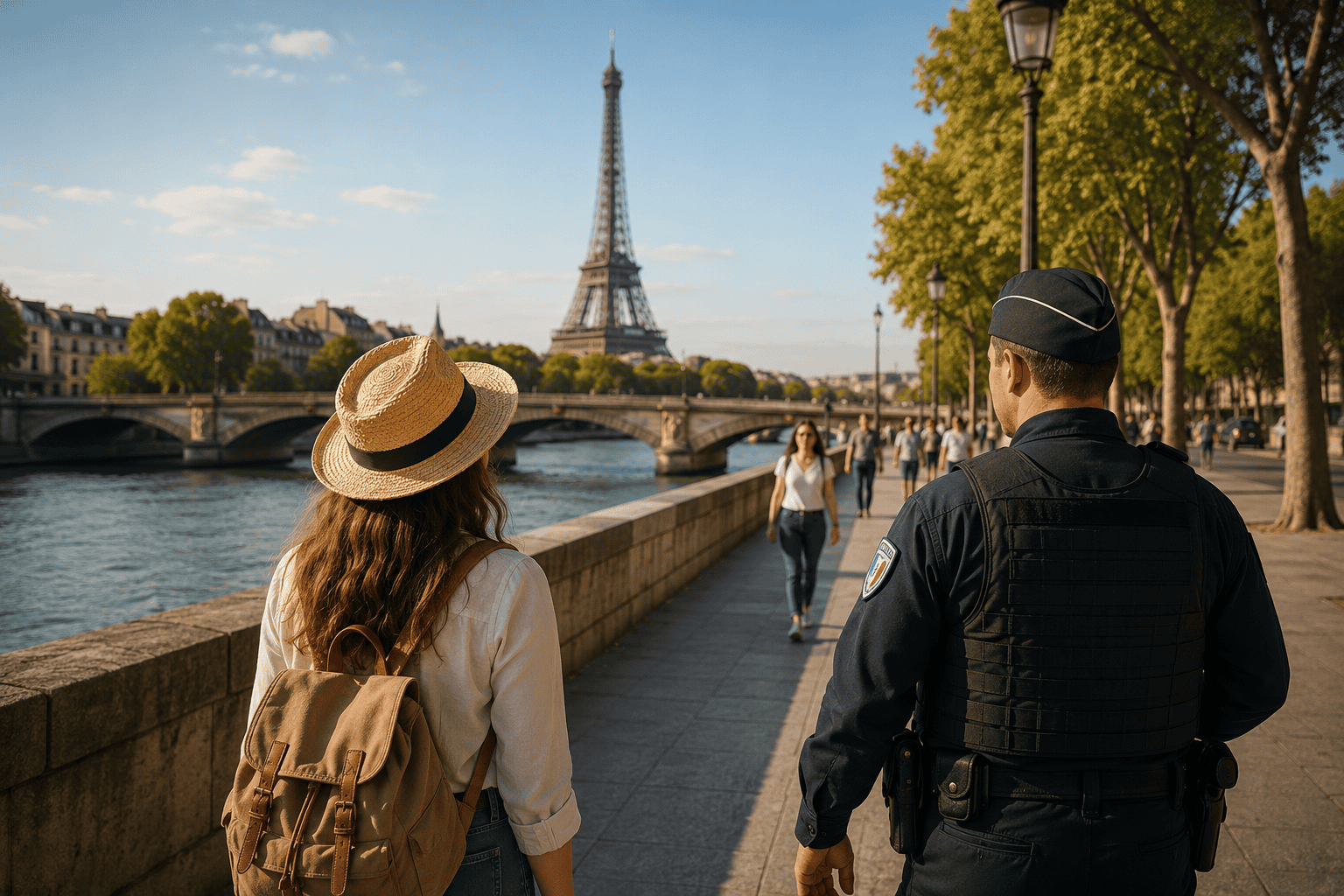
Yes, Paris is considered a safe city for most travelers when basic precautions are followed. Millions of tourists visit every year without major problems. The most common issues involve pickpocketing, bag theft, distraction scams, and tourist-targeted overcharging in crowded areas.
The best approach is not to avoid popular areas, but to stay aware of your surroundings, secure valuables properly, and be cautious when strangers approach with petitions, friendship bracelets, games, or unsolicited assistance.
Common Safety Risks in Paris
| Risk | Where It Often Happens | What To Do |
|---|---|---|
| Pickpocketing | Metro stations, trains, queues, and major attractions | Keep phones, wallets, and passports zipped away and avoid using back pockets. |
| Distraction scams | Tourist squares, bridges, and busy sidewalks | Do not stop for petitions, street games, or unexpected offers of help. |
| Bag theft | Cafes, restaurants, and train stations | Keep bags on your lap or secured instead of hanging behind your chair. |
| Overcharging | Unlicensed transport or unclear street offers | Use official taxis, rideshare apps, or public transport with visible pricing. |
Areas Where Visitors Should Stay More Aware
Extra awareness is useful around major transport hubs, crowded metro lines, famous tourist attractions, and busy nightlife areas. These locations are not automatically dangerous, but they attract opportunistic theft because travelers are often distracted.
Be especially careful when arriving with luggage, checking maps on your phone, purchasing tickets, or watching street performances. These are common moments when visitors become less aware of their belongings.
Paris Safety Tips That Actually Help
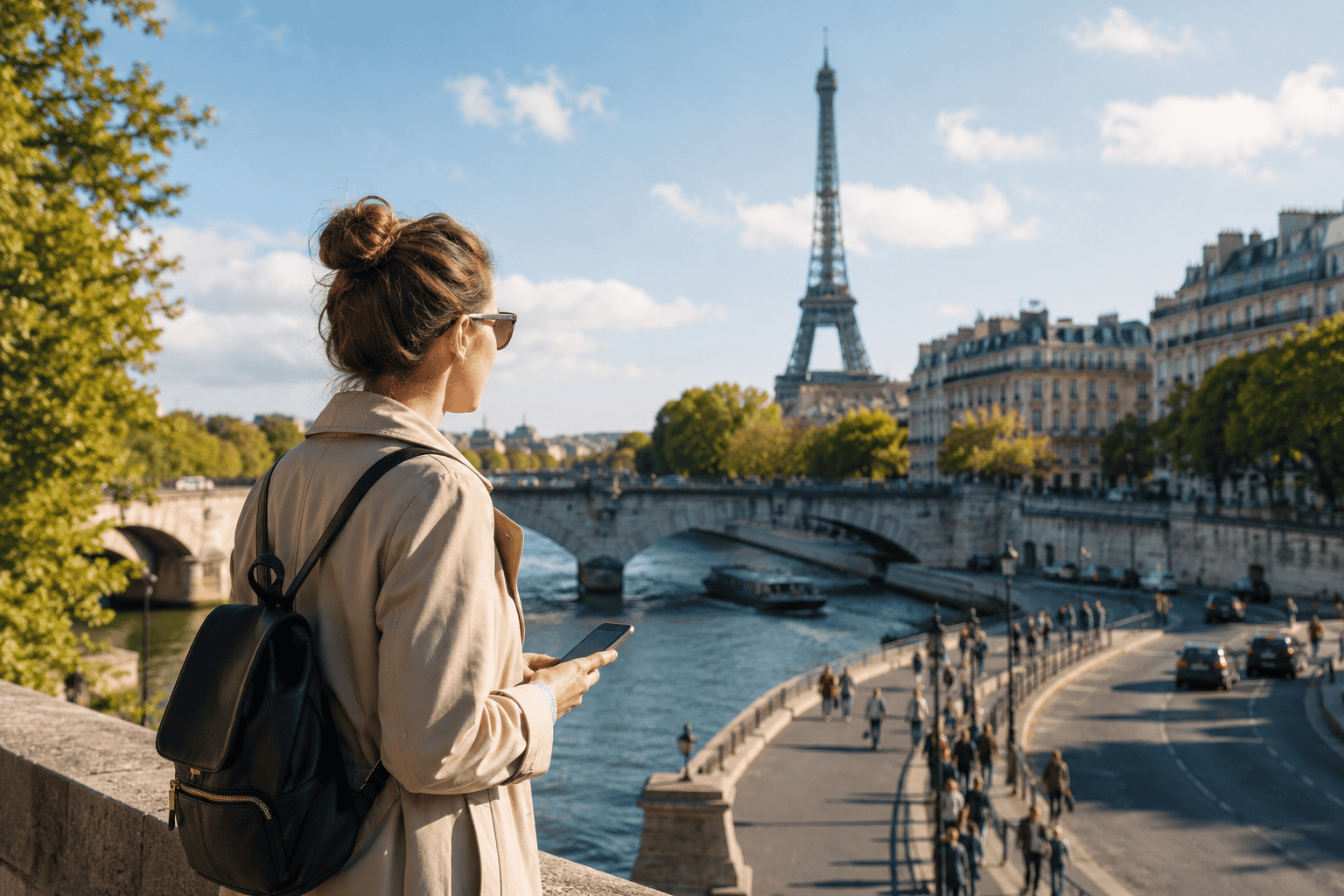
Carry only what you need for the day and keep a backup payment card separate from your main wallet. Store your passport securely unless you specifically need to carry it with you. A zipped crossbody bag or inside jacket pocket is usually safer than open bags or backpacks.
On the metro, keep your bag in front of you and avoid standing near doors while using your phone. In cafes and restaurants, do not leave phones or wallets visible on tables, especially on outdoor terraces.
It is also smart to save digital copies of important documents such as your passport, travel insurance, and booking confirmations in a secure cloud account or email folder.
How To Use Public Transport Safely in Paris
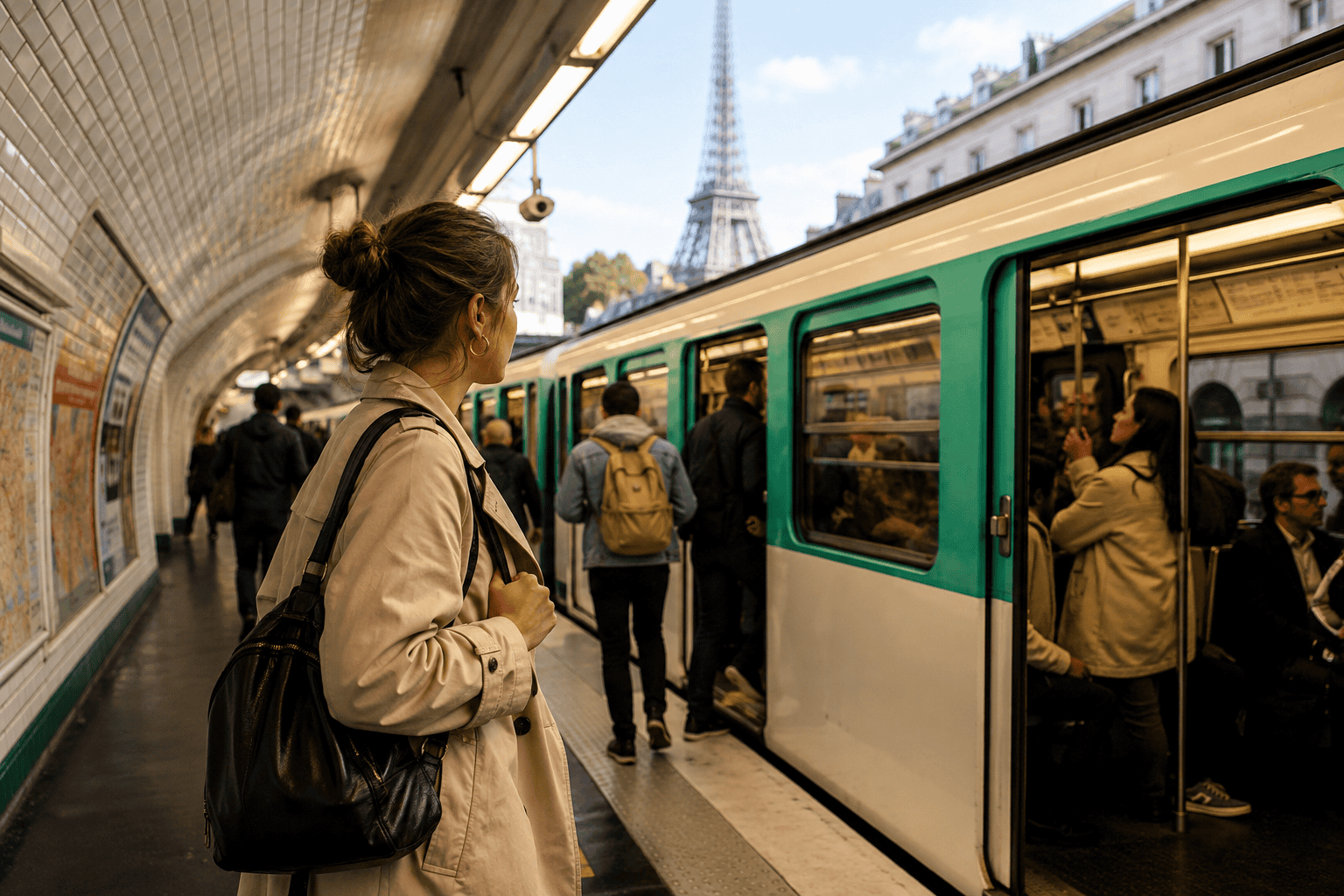
The Paris Metro is widely used by both locals and tourists and is generally safe during the day and evening. However, crowded trains and busy stations are among the most common places for pickpocketing.
Keep backpacks zipped and avoid placing valuables in easily accessible pockets. If someone creates a distraction near train doors or escalators, stay alert and check your belongings immediately afterward.
What To Do If Something Goes Wrong
If you are pickpocketed or lose important items, move to a safe place first and cancel affected payment cards as soon as possible. Report the incident to the police if you need documentation for insurance claims or official records.
If your passport is lost or stolen, contact your embassy or consulate for assistance. Keeping digital copies of important documents can make this process easier.
For urgent emergencies or immediate danger, call local emergency services. For non-urgent theft reports or lost property documentation, visit the nearest police station and keep copies of any reports you receive.
Final Advice
Paris does not require fear, but it does reward preparation and awareness. Most visitors enjoy a safe trip by staying alert in crowded areas, recognizing common scams early, and keeping valuables secure.
With a few practical habits in place, safety planning becomes simple and manageable, allowing you to focus on enjoying the city instead of worrying about risks.
For more travel planning information, also see our France Travel Guide for First-Time Visitors.
For broader travel context, you can also review additional Paris travel information on Wikivoyage.
For more on this part of the trip, also see our 3 Days in Paris: A Realistic Itinerary for First-Time Visitors (2026).
You can explore authoritative background and references on Wikipedia.

Mara Vale
Mara Vale writes Eurly travel guides for first-time Europe visitors who want practical routes, realistic pacing, and fewer avoidable planning mistakes.
Eurly guides are written to help readers make confident travel decisions, but opening hours, ticket rules, transit disruptions, and local conditions can change. Always verify key reservations and official schedules before you travel.