This 3 days in Rome itinerary is designed for first-time visitors who want to see the highlights without rushing from place to place. Each day follows a logical route with one main area to explore, plus practical booking tips, backup plans, and advice on choosing the best Rome hotel base.
For more on this part of the trip, also see our 3 Days in Rome: A Realistic Itinerary for First-Time Visitors and 5 Days in Rome: A Realistic Itinerary for First-Time Visitors.
The route favors walkable clusters, timed-entry planning, and backup options for rain, jet lag, heat, queues, or museum fatigue.
3 Days in Rome Itinerary: Quick Facts
- Best base: the historic center or Monti, then confirm the fit with our Rome where-to-stay guide.
- Best pace: balanced, with one headline anchor per day instead of several fixed bookings.
- Transport style: mostly walking on days 1 and 2, with more targeted transit or taxi use on day 3.
- Best for: first-time visitors who want Ancient Rome, the historic center, and either the Vatican or a lighter neighborhood day.
Simple Route Logic for 3 Days in Rome
Rome becomes much easier when you cluster each day by area instead of treating every famous sight like an isolated mission. That is also why the right Rome base matters more than first-timers expect.
- Day 1: start in the historic center so the city feels exciting rather than overwhelming.
- Day 2: make Ancient Rome your anchor day, built around one major booked site and a nearby follow-up.
- Day 3: choose the Vatican-focused version or a lighter neighborhood version if museum fatigue is likely.
What to Reserve Before You Go
- Your hotel, ideally after checking our Rome where-to-stay guide.
- The Colosseum, Roman Forum, and Palatine Hill block through the official Colosseum opening times and ticket page and the official Colosseum ticketing site.
- The Vatican Museums through the official Vatican Museums website if that is a headline stop for your trip.
- Your airport transfer plan if arrival-day friction is likely to shape the trip. Our Rome airport to city guide can help with that first decision.
3 Days in Rome Itinerary at a Glance
| Day | Morning | Afternoon | Evening |
|---|---|---|---|
| 1 | Historic center orientation loop | One major sight or one neighborhood focus | Easy dinner near your base |
| 2 | Ancient Rome anchor block | Viewpoint, slower lunch, or lighter stop | Flexible evening walk |
| 3 | Vatican-focused morning or lighter neighborhood swap | Long lunch and one smaller stop | Pack, stroll, or a simple aperitivo |
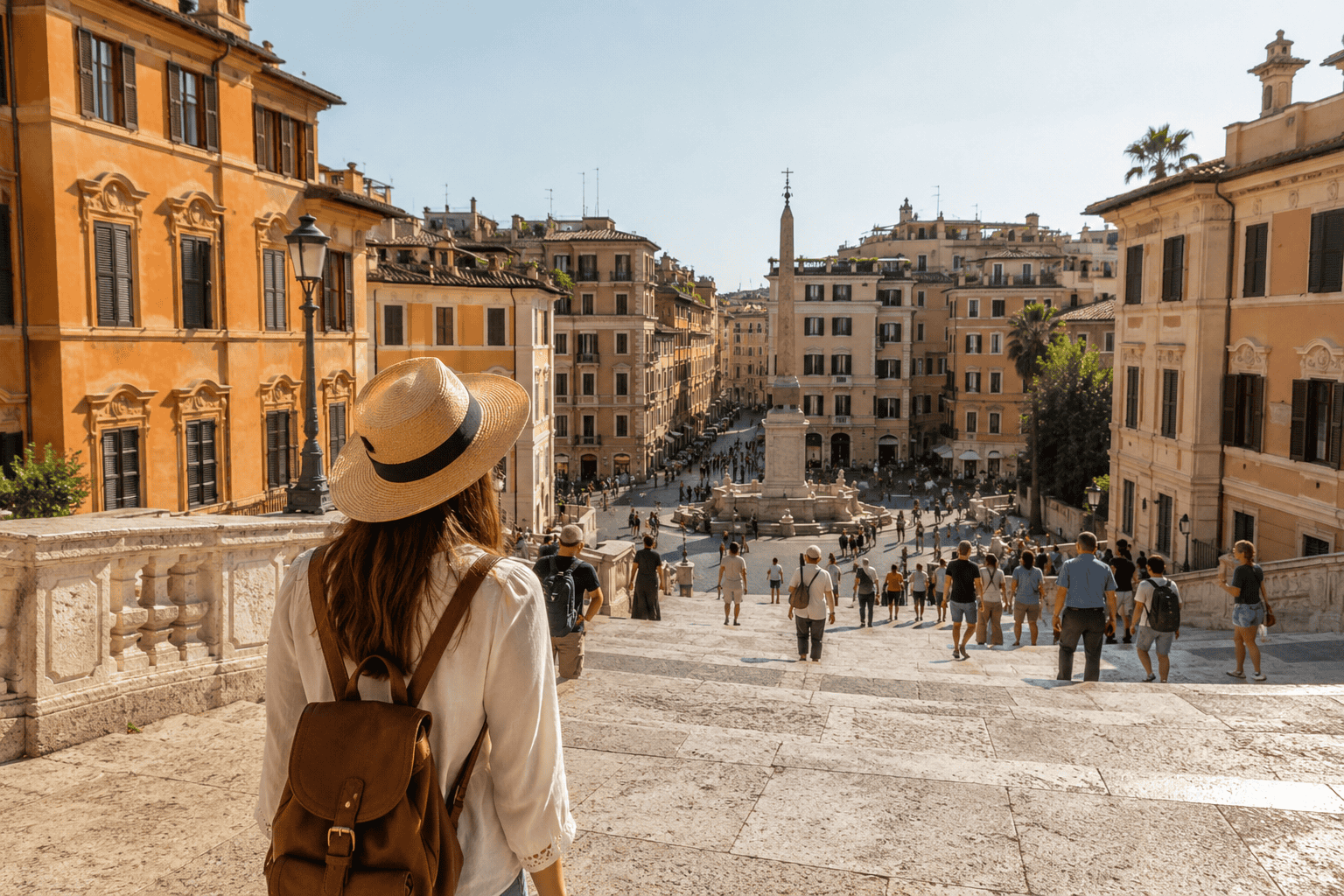
Day 1: Historic Center Orientation
Morning
Start with a slow orientation walk through the historic center. The goal is not to finish Rome before lunch. The goal is to understand the city, let jet lag ease off, and notice which streets you actually want to return to later. If your hotel base from the Rome where-to-stay guide makes this easy, the rest of the itinerary usually gets much better.
Afternoon
Choose one anchor attraction or one neighborhood focus, not both. If you already booked a timed entry, build extra buffer on both sides so queues or security checks do not wreck the rest of the day. Use our Rome things-to-do guide to choose one lighter add-on, not five.
Evening
Keep dinner close to your hotel. Day one is a bad night for a perfect reservation on the far side of the city because Rome feels longer once your feet are done.
How to Get Around
Walk as much as you comfortably can and use transit only when it meaningfully saves energy. Rome is often more enjoyable when you chain nearby sights instead of hopping constantly.
Backup Plan
If weather turns or you hit museum fatigue early, swap in a covered market, a church stop, or a long coffee break in your base neighborhood. A flexible day-one version is almost always better than pretending arrival day deserves your most ambitious route.
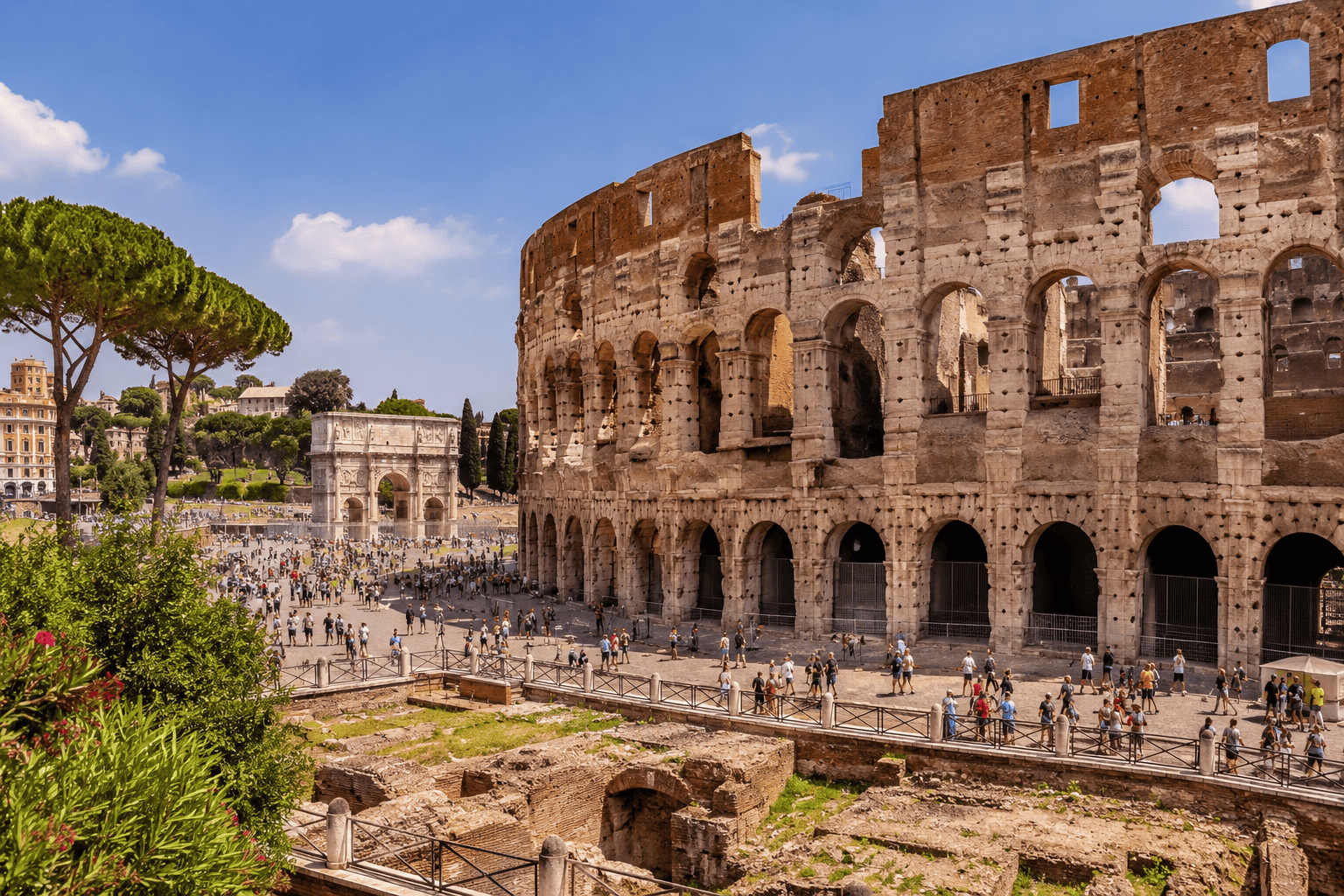
Day 2: Ancient Rome Anchor Day
Morning
Make Ancient Rome your anchor. This is the day to start earlier and protect your energy for one big historic block. If this is your must-do, book official timed entry first and build the day around it rather than stacking other fixed bookings. Check the latest official booking flow on the official Colosseum pages before paying for timed tickets.
Afternoon
After the main site, do something short and rewarding instead of another major museum. A viewpoint, a slower lunch, or a neighborhood wander usually lands better than trying to maximize the afternoon.
Evening
If you still have energy, book a short guided walk or return to a neighborhood you liked yesterday. Rome rewards repetition more than overreach.
How to Get Around
This is the day to wear your best walking shoes. Transfer-heavy detours look small on a map and still eat your momentum.
Backup Plan
If queues, weather, or energy levels go sideways, cut the optional evening first. Protect the morning anchor and let the rest stay flexible.
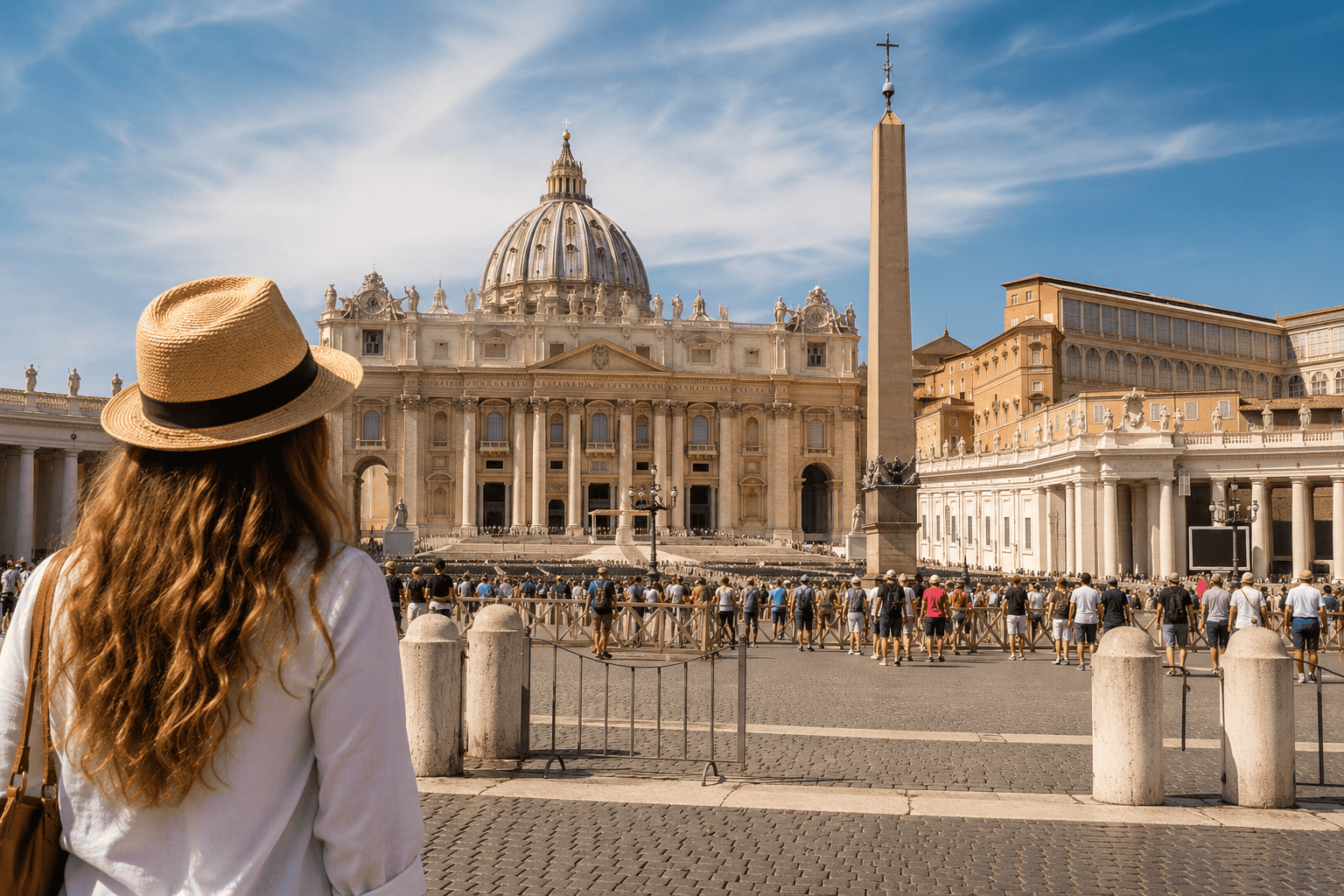
Day 3: Vatican Morning or Lighter Neighborhood Swap
Morning
The classic version is a Vatican-focused morning with the earliest realistic start you can handle. The lighter version is a neighborhood morning with a shorter art stop instead. If you want the gentler option, borrow from our Rome things-to-do guide instead of forcing the classic plan. Always verify the latest rules on the official Vatican Museums site.
Afternoon
Keep the afternoon lighter than you think you need. This is the best place for a long lunch, a low-stakes wander, or souvenir time without pressure.
Evening
Use your final evening for whatever the trip has been missing: one scenic walk, one better dinner, or an early night before departure.
How to Get Around
If your energy is dropping, this is the day when a short taxi ride can be more valuable than being stubborn about public transit.
Backup Plan
If big-ticket sites feel like too much, swap in Trastevere or another neighborhood-focused half day and protect the relaxed finish.
If Day 1 Is Your Arrival Day
If Rome starts at the airport instead of at a cafe, cut the ambition in half.
- Keep day 1 to one neighborhood plus dinner.
- Move your biggest queue or heaviest museum block to day 2.
- Avoid a far-side dinner reservation on the same day as your flight.
This is the version where a simple hotel base and a cleaner arrival plan matter even more than the attractions.
Local Friction Notes That Change the Plan
- Rome rewards early timed entries, but only if you can realistically get there without morning chaos.
- Security lines can still be long even when your ticket says skip-the-line, so read the current entry rules and product details carefully.
- Some streets look close on a map and feel much longer in midday heat.
- Restaurant timing matters: a plan can feel broken when you assume a full sit-down lunch fits between two timed items.
- Cobblestones and uneven streets make aggressive mileage harder than it looks on paper.
Mara’s Pacing Rule
Rome gets better when each day has one headline win, one lighter follow-up, and one open slot for snacks, weather, or pure drift. That rhythm sounds less efficient on paper and works much better in real life.
Where to Stay for This 3 Day Rome Itinerary
For a first trip, prioritize a base that keeps day 1 easy and day 2 efficient, even if the room itself is a little smaller. The historic center is convenient for a first orientation day, while Monti can work well for Ancient Rome access and a more local-feeling base.
- Use our Rome where-to-stay guide to choose the right neighborhood.
- Pick a base that reduces backtracking rather than one that only looks cheap on the booking map.
Ticket Traps First-Timers Hit
- The official Colosseum ticketing site releases timed-entry inventory in advance, so do not assume every third-party ticket gives the same access or timing.
- The Vatican Museums state that their official online ticket site is
tickets.museivaticani.va, so check the URL before paying on a lookalike page. - Skip-the-line does not mean skip security, so protect your day around that reality.
- If a paid tour forces your whole day into awkward timing, it may be the wrong tour even if the headline attraction is right.
Book Tickets and Tours Carefully
Keep paid bookings to one or two anchor experiences only. Overbooking is how Rome starts feeling like homework, so check the latest official seller and entry terms before you pay.
Mistakes to Avoid
- Scheduling your fanciest dinner on day one when jet lag is still driving.
- Stacking multiple museums before lunch and ending up numb to all of them.
- Comparing map distance instead of actual walking effort.
- Leaving no backup plan for rain, fatigue, or closures.
- Building every day around fixed slots instead of one main anchor.
FAQ
Is 3 days enough for Rome on a first trip?
Yes, if you treat Rome as a highlights trip instead of a completionist project. Three days is enough for one Ancient Rome block, one Vatican or art-heavy day, and one slower historic-center day.
What if I actually have 5 days in Rome?
Use our Rome 5-day itinerary instead. That version gives the city enough room for both major-ticket days and a slower Rome layer.
Where should I stay for this Rome itinerary?
Stay somewhere that reduces first-day friction, ideally the historic center or Monti for a balanced first trip. If arrival logistics matter more than atmosphere, use our Rome where-to-stay guide to choose the better compromise.
What should I book ahead for Rome?
Book only the one or two anchor experiences that would seriously disappoint you if they sold out. Leave the rest flexible and verify the latest official booking rules before paying for a timed slot.
Official Rome Resources
- Turismo Roma
- ATAC Roma
- Official Colosseum opening times and tickets
- Official Colosseum ticketing site
- Official Vatican Museums website
A Pacing Mistake Worth Avoiding
The classic Rome error is trying to optimize the city into two giant museum-and-monument sprints. People do see more that way, but they usually enjoy less and remember less.
Next Reads
- Choose the right base with our Rome neighborhood guide
- Use our 5-day Rome itinerary if you want the longer version
- See our Rome things-to-do guide for backup picks and bookable highlights
- Plan arrival logistics with our Rome airport to city guide
- Compare onward travel options in our Rome to Florence route guide
- Compare the northbound route in our Rome to Venice guide
- Start broader trip planning in our Rome city hub
- Use our Italy rail planning guide if you are chaining cities
Last verified: 2026-04-18
For broader trip-planning context, you can also check additional travel background on Wikivoyage.