
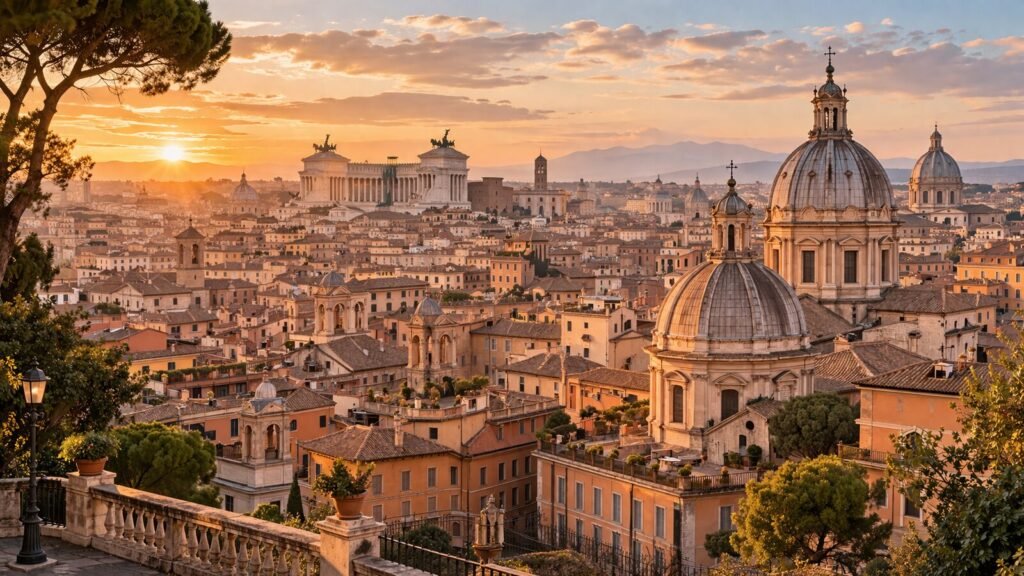
This 3 days in Rome itinerary is designed for first-time visitors who want to experience Rome’s highlights without rushing from attraction to attraction. The plan groups sights by area, reduces backtracking, and leaves room for breaks, weather changes, and unexpected delays.
For more trip-planning ideas, see our 3 Days in Rome: A Realistic Itinerary for First-Time Visitors and 5 Days in Rome: A Realistic Itinerary for First-Time Visitors.
Quick Takeaways
Start here: This 3 days in Rome itinerary is designed for first-time visitors who want to experience Rome’s highlights without rushing from attraction to attraction.
Planning note: For more trip-planning ideas, see our 3 Days in Rome: A Realistic Itinerary for First-Time Visitors and 5 Days in Rome: A Realistic Itinerary for First-Time Visitors.
3 Days in Rome Itinerary: Quick Facts
- Best base: Historic Center or Monti.
- Best for: First-time visitors.
- Transport: Mostly walking with occasional transit or taxis.
- Trip style: One major attraction focus per day.
Simple Route Logic for 3 Days in Rome
Rome is easiest to explore when each day focuses on a specific area rather than jumping across the city. This itinerary follows that approach:
- Day 1: Historic Center orientation and iconic landmarks.
- Day 2: Ancient Rome and the Colosseum area.
- Day 3: Vatican City or a slower neighborhood-focused alternative.
What to Reserve Before You Go
- Your accommodation.
- Colosseum, Roman Forum, and Palatine Hill tickets.
- Vatican Museums tickets if visiting.
- Airport transfer plans.
3 Days in Rome Itinerary at a Glance
| Day | Morning | Afternoon | Evening |
|---|---|---|---|
| 1 | Historic Center walk | Major sight or neighborhood focus | Dinner near your hotel |
| 2 | Ancient Rome | Relaxed lunch and viewpoint | Evening stroll |
| 3 | Vatican or neighborhood visit | Flexible sightseeing | Final dinner and walk |
Day 1: Historic Center Orientation
Morning
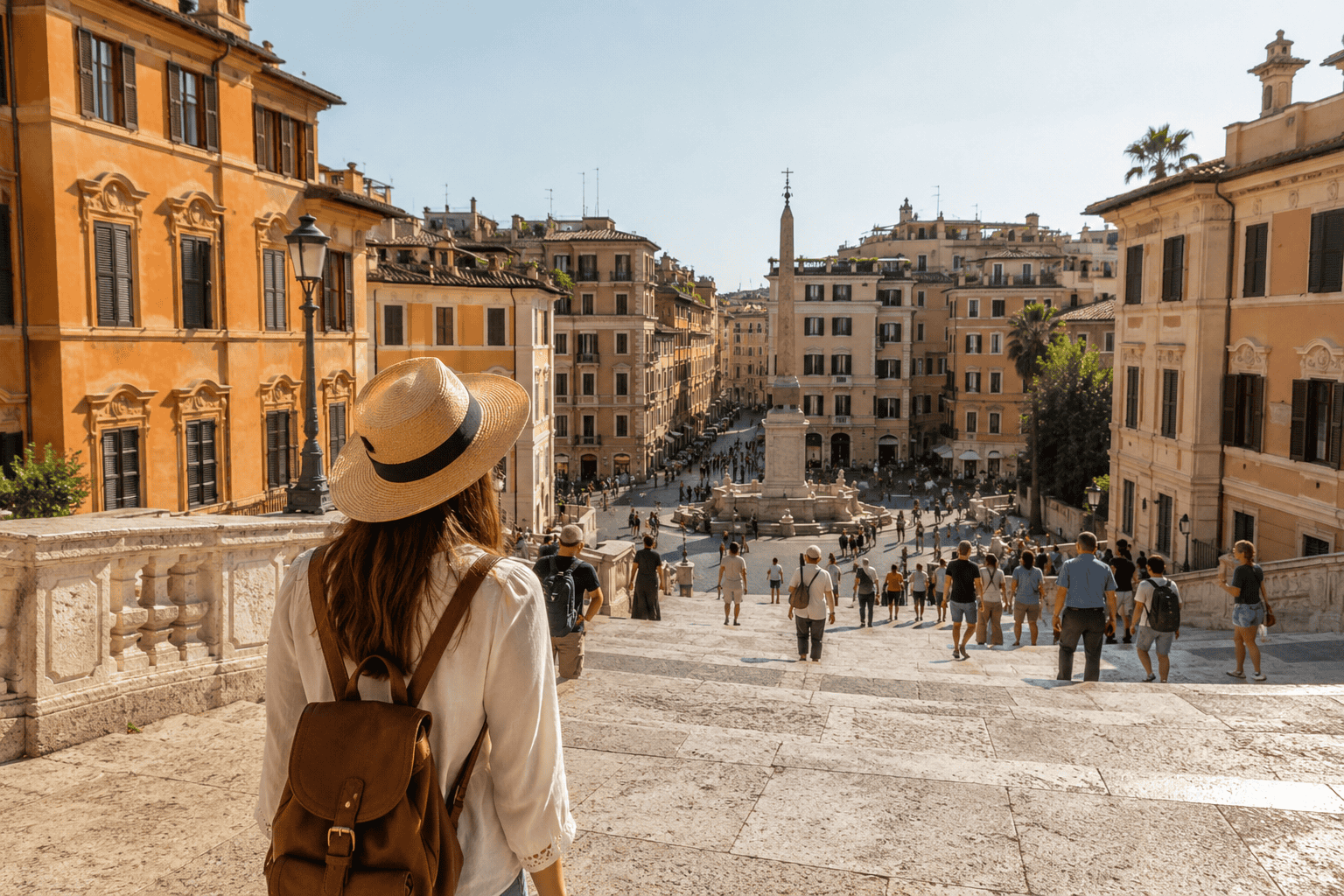
Begin with a relaxed walk through the Historic Center. Focus on getting familiar with the city rather than trying to check off every attraction.
Afternoon
Choose one major attraction or one neighborhood to explore in depth. A slower pace on the first day helps you adjust and enjoy Rome’s atmosphere.
Evening
Enjoy dinner close to your hotel and save energy for the days ahead.
Day 2: Ancient Rome Anchor Day
Morning
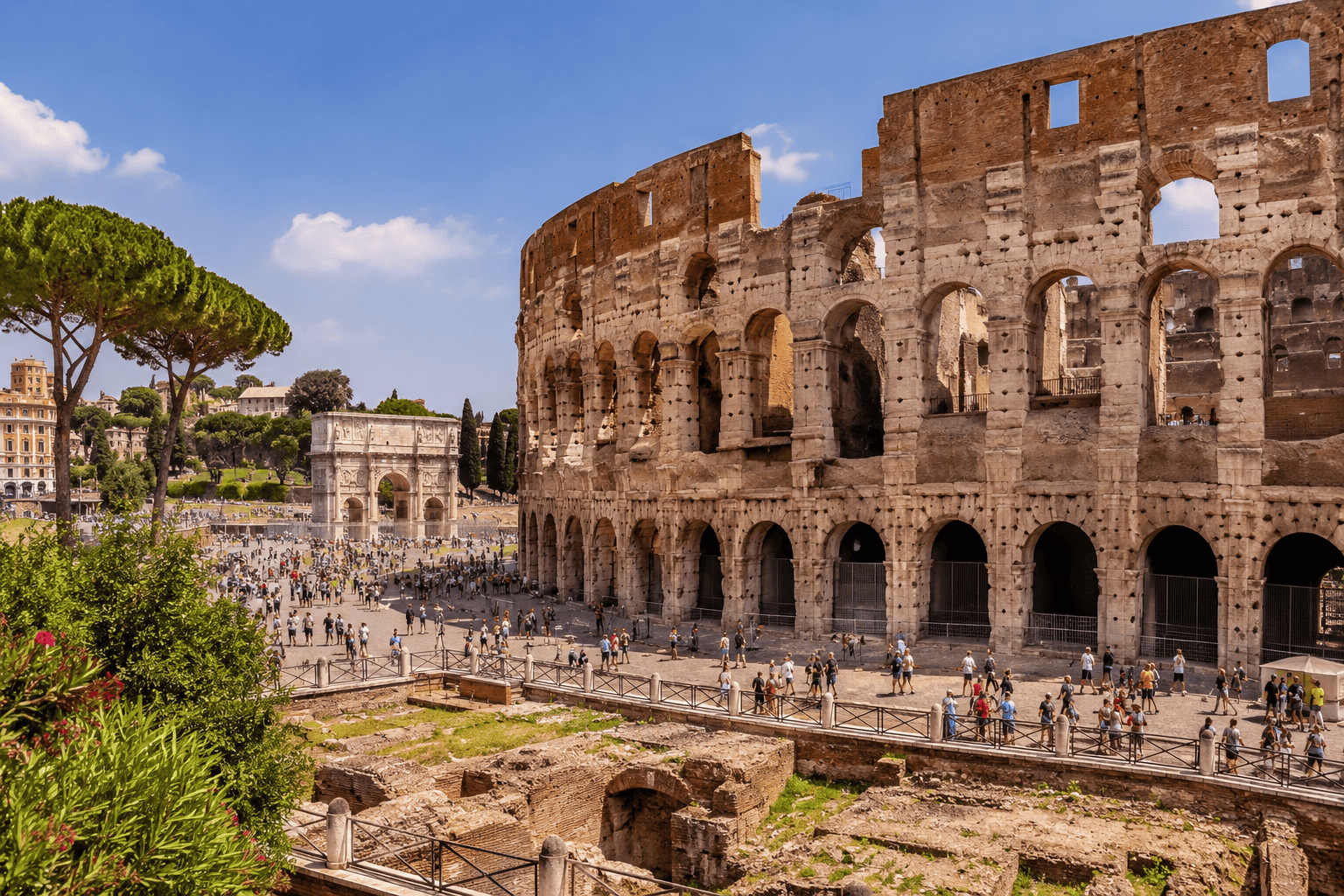
Dedicate the morning to Ancient Rome, including the Colosseum, Roman Forum, and Palatine Hill if these are priorities for your trip.
Afternoon
Slow the pace with a long lunch, scenic viewpoint, or neighborhood walk rather than adding another major museum.
Evening
Return to a favorite area from day one or enjoy a relaxed evening stroll through the city.
Day 3: Vatican Morning or Lighter Neighborhood Swap
Morning
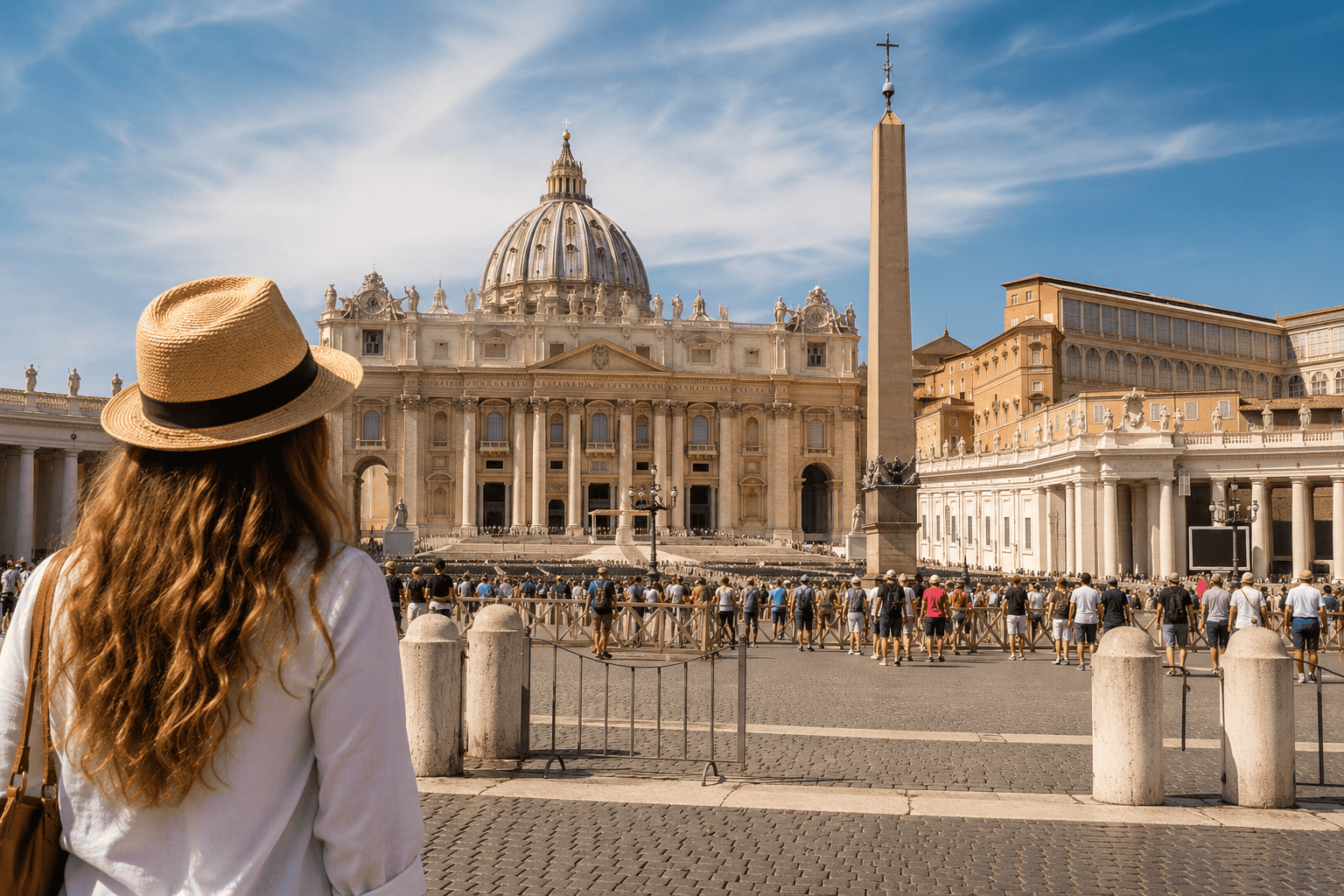
The classic choice is a Vatican Museums visit. Travelers who prefer a slower pace can substitute a neighborhood-focused morning instead.
Afternoon
Keep the schedule flexible for shopping, lunch, photography, or sightseeing missed earlier in the trip.
Evening
Finish your Rome visit with a memorable dinner or scenic walk before departure.
If Day 1 Is Your Arrival Day
- Limit sightseeing to one neighborhood.
- Save major museums and timed entries for day two.
- Avoid scheduling distant dinner reservations after a long flight.
Where to Stay for This 3-Day Rome Itinerary
The Historic Center is ideal for first-time visitors who want easy access to major landmarks. Monti is another excellent option, especially for convenient access to Ancient Rome.
See our Rome where-to-stay guide for detailed neighborhood recommendations.
Ticket Traps First-Timers Hit
- Assuming skip-the-line tickets bypass security screening.
- Waiting too long to reserve popular timed-entry attractions.
- Booking tours that create an overly rigid schedule.
- Using unofficial ticket sites without checking the seller carefully.
Mistakes to Avoid
- Trying to visit too many museums in one day.
- Underestimating walking distances.
- Leaving no flexibility for weather or fatigue.
- Building every day around multiple fixed reservations.
Frequently Asked Questions
Is 3 days enough for Rome?
Yes. Three days is enough to experience Ancient Rome, the Historic Center, and either Vatican City or a slower neighborhood-focused day.
Should I visit the Vatican on a 3-day trip?
For most first-time visitors, yes. The Vatican Museums and St. Peter’s area are among Rome’s most famous attractions.
What should I book in advance?
Reserve your accommodation, Colosseum tickets, and Vatican Museums tickets as early as possible.
Official Rome Resources
- Turismo Roma
- ATAC Roma
- Official Colosseum Information
- Official Colosseum Ticketing
- Official Vatican Museums Website
Next Reads
Last verified: 2026-04-18

Mara Vale
Mara Vale writes Eurly travel guides for first-time Europe visitors who want practical routes, realistic pacing, and fewer avoidable planning mistakes.
Eurly guides are written to help readers make confident travel decisions, but opening hours, ticket rules, transit disruptions, and local conditions can change. Always verify key reservations and official schedules before you travel.