
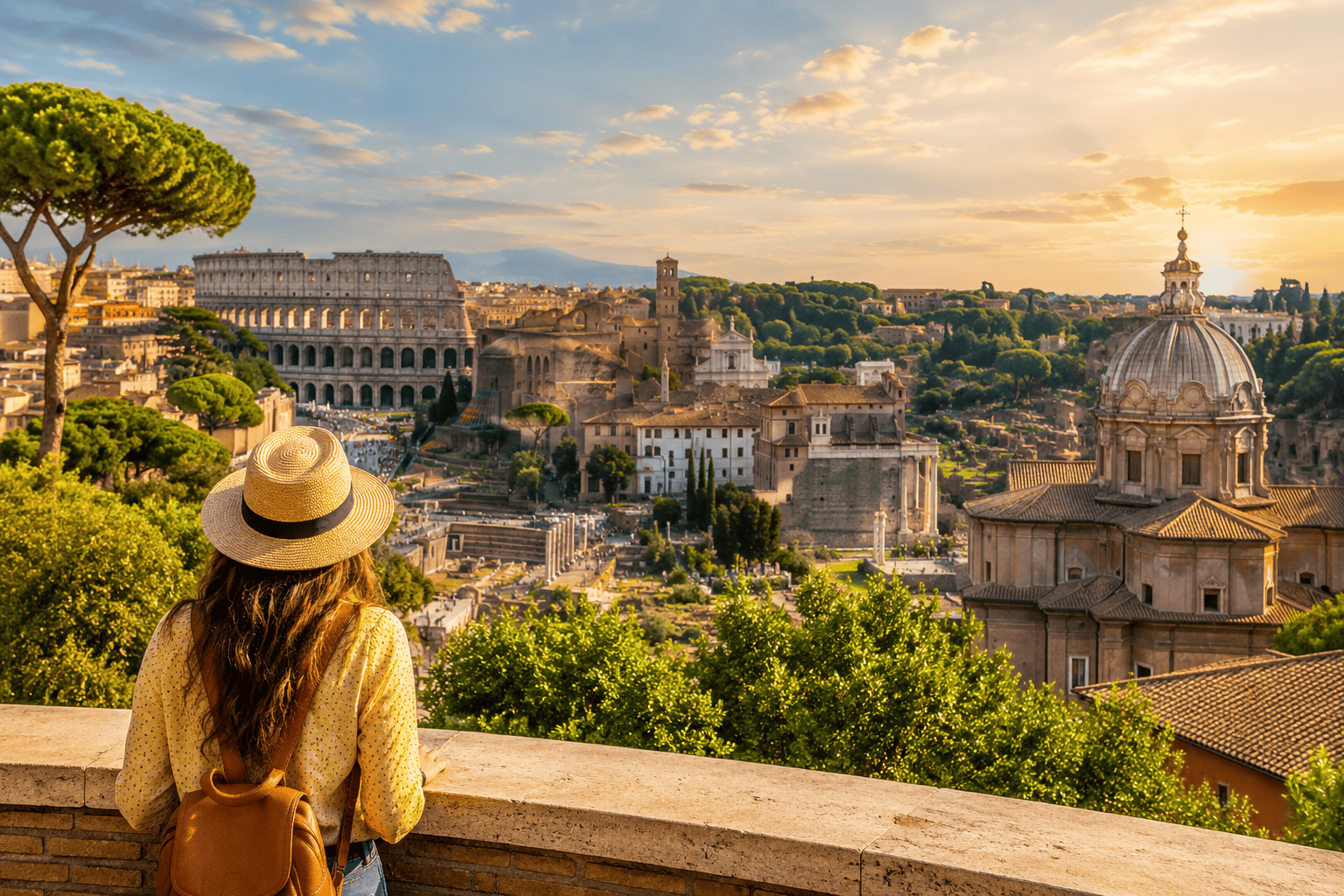
The best things to do in Rome for a first visit start with booking the city’s most popular attractions early. The Colosseum, Vatican Museums, and Borghese Gallery can sell out during busy travel periods. Reserve timed tickets first, then build your itinerary around them.
Best Things to Do in Rome: Quick Facts
| Rome planning question | Best answer for first-time visitors |
|---|---|
| How many days do you need? | Three full days is a comfortable minimum for the Colosseum, Vatican, historic center, and a slower neighborhood walk. |
| What should you book ahead? | Book the Colosseum, Vatican Museums, and Borghese Gallery before you arrive. |
| Best free experiences | Trevi Fountain, Spanish Steps, Piazza Navona, St Peter’s Basilica, major basilicas, and public viewpoints. |
| Best area for wandering | Trastevere, Campo de’ Fiori, Piazza Navona, and the streets around the Pantheon. |
| Best time to visit major sights | Go early in the morning for outdoor landmarks and use timed reservations for museums. |
Rome rewards visitors who balance famous monuments with time to walk. The Colosseum, Vatican Museums, Pantheon, Trevi Fountain, and Borghese Gallery are essential, but the city’s piazzas, churches, gardens, viewpoints, and neighborhoods are just as memorable.
Top 10 Things to Do in Rome for First-Time Visitors
- Visit the Colosseum, Roman Forum, and Palatine Hill. These sites provide the best introduction to ancient Rome. Allow at least half a day for the full experience.
- Explore the Vatican Museums and Sistine Chapel. Book a timed ticket and allow 3–4 hours to appreciate the galleries.
- Step inside St Peter’s Basilica. Admire Michelangelo’s Pietà, Bernini’s baldachin, and consider the dome climb for city views.
- Book the Borghese Gallery. See masterpieces by Bernini and Caravaggio, then enjoy the surrounding gardens.
- Visit the Pantheon. One of the best-preserved monuments of ancient Rome, famous for its massive dome and oculus.
- See the Trevi Fountain early or late. Sunrise and evening offer the best atmosphere and fewer crowds.
- Walk through Trastevere. Wander historic streets, visit Santa Maria in Trastevere, and enjoy a slower pace.
- Browse Campo de’ Fiori. Visit in the morning for the market and local atmosphere.
- Tour Castel Sant’Angelo. Explore its history and enjoy panoramic views over Rome.
- Spend time on Palatine Hill. The views over the Roman Forum are especially rewarding later in the day.
Free and Low-Cost Things to Do in Rome
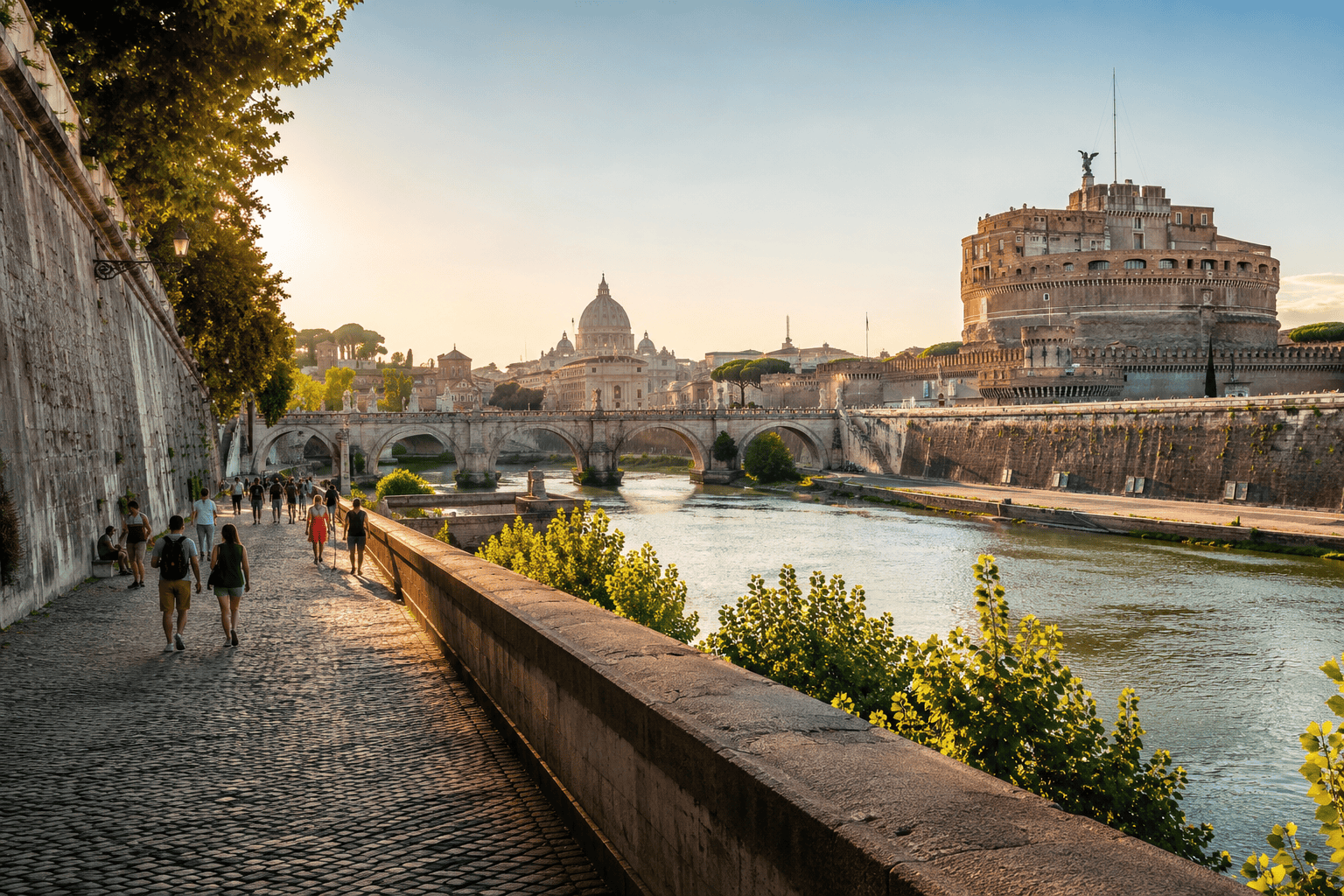
Many of Rome’s greatest experiences cost little or nothing. Visit churches such as Santa Maria Maggiore, San Giovanni in Laterano, Santa Maria in Trastevere, Santa Maria sopra Minerva, and San Luigi dei Francesi.
The Pincio Terrace and the Gianicolo viewpoint provide excellent city panoramas without an admission fee. Piazza Navona, Piazza del Popolo, Campo de’ Fiori, Piazza di Spagna, and Piazza della Rotonda are also essential stops for first-time visitors.
The Circus Maximus and sections of the Appian Way are ideal for travelers looking to explore beyond the busiest landmarks.
For more on this part of the trip, also see our Best Things to Do in Rome: First-Timer Picks + Smart Mini Plans and Best Things to Do in Venice: First-Timer Picks + Smart Mini Plans.
Smart Rome Mini Itineraries
Half-Day Ancient Rome Plan
Start with the Colosseum, continue through the Roman Forum, then finish on Palatine Hill. Add the Circus Maximus and Aventine Hill if time allows.
Half-Day Vatican Plan
Visit the Vatican Museums and Sistine Chapel, then continue to St Peter’s Basilica and, if desired, the dome or Castel Sant’Angelo.
Half-Day Trastevere and Historic Center Plan
Begin in Trastevere, continue to Campo de’ Fiori, then walk through Piazza Navona before finishing near the Pantheon or Trevi Fountain.
Common Rome Mistakes to Avoid
Trying to do the Colosseum and Vatican in one day: Both deserve several focused hours and are best split across different days.
Visiting the Trevi Fountain at midday: Crowds are at their peak during the middle of the day.
Waiting to buy major tickets: Advance reservations can save significant time and frustration.
Skipping the Borghese Gallery: It contains one of Rome’s finest art collections.
Overplanning every hour: Leave time for wandering, coffee stops, and unexpected discoveries.
Best Time to Visit Rome Attractions
| Attraction or area | Best time to go | Why it works |
|---|---|---|
| Colosseum | First timed entry of the day | Cooler temperatures and fewer crowds. |
| Trevi Fountain | Sunrise or late evening | Better atmosphere and easier photos. |
| Vatican Museums | Morning timed entry | More energy for the long visit. |
| Pantheon | Early morning or late afternoon | A quieter experience around the piazza. |
| Trastevere | Morning or evening | Different atmosphere throughout the day. |
| Pincio or Gianicolo | Late afternoon | Excellent light and views. |
FAQ About the Best Things to Do in Rome
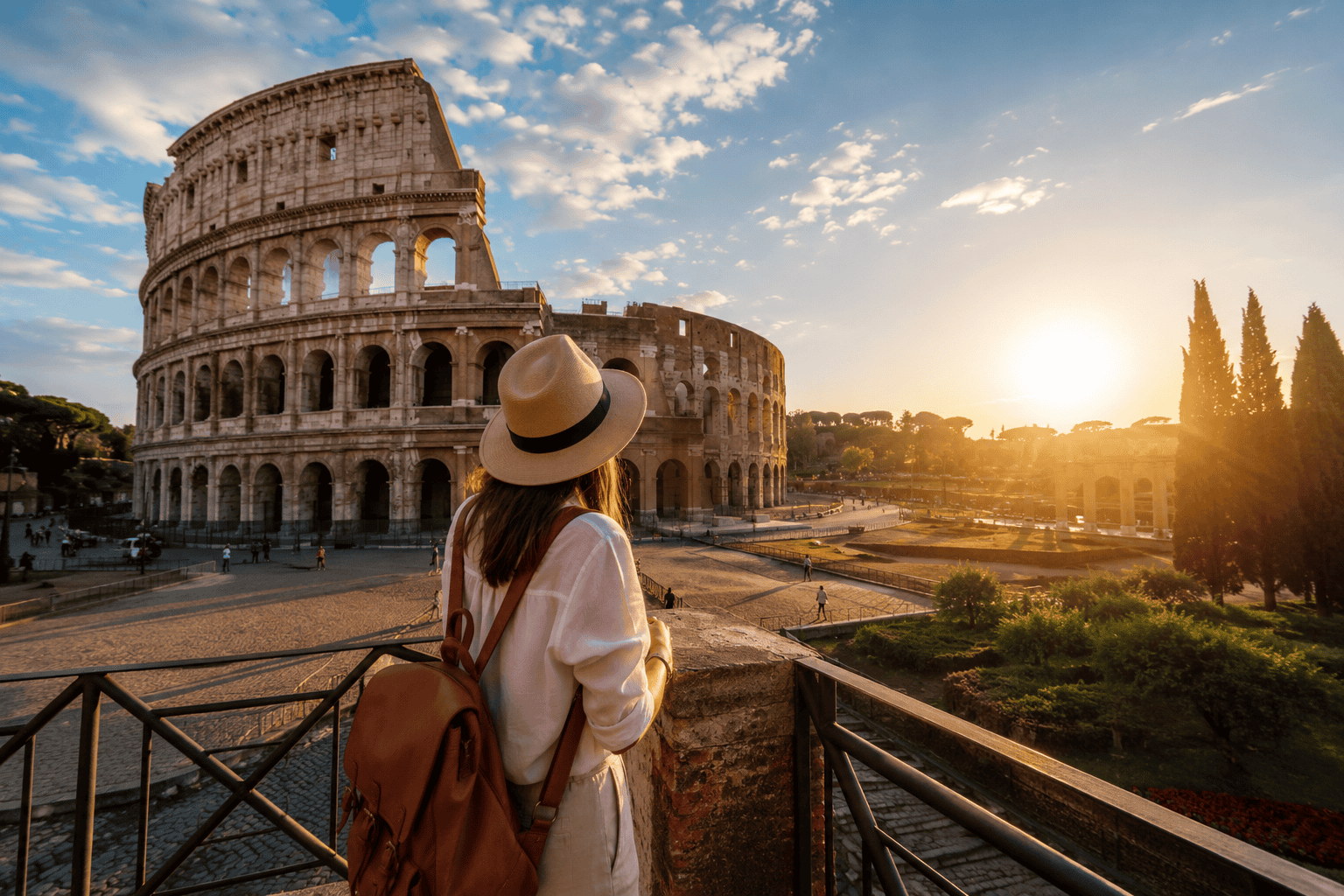
How long do you need at the Colosseum?
Allow 60–90 minutes for the Colosseum and another 2–3 hours for the Roman Forum and Palatine Hill.
Is the Vatican worth visiting?
Yes. The Vatican Museums and Sistine Chapel are among the most important cultural attractions in Rome.
Can you visit Rome in one day?
You can see several highlights, but a longer stay provides a much better experience.
What are the best free things to do in Rome?
Top free attractions include St Peter’s Basilica, the Trevi Fountain, Piazza Navona, Campo de’ Fiori, the Gianicolo viewpoint, and many historic churches.
What should first-time visitors book in advance?
Reserve tickets for the Colosseum, Vatican Museums, and Borghese Gallery as early as possible.
Final Tips for Planning Your First Rome Trip
Use pre-booked attractions as anchors and leave room for spontaneous exploration. A balanced itinerary combines major landmarks with neighborhood walks, churches, piazzas, and viewpoints.
For official ticket information, visit CoopCulture, the Vatican Museums, and the Borghese Gallery. For additional inspiration, browse more travel guides on this site.
Last reviewed for formatting and SEO: 2026-05-24. Ticket prices, entry rules, and visitor policies may change, so always verify details on official websites.

Mara Vale
Mara Vale writes Eurly travel guides for first-time Europe visitors who want practical routes, realistic pacing, and fewer avoidable planning mistakes.
Eurly guides are written to help readers make confident travel decisions, but opening hours, ticket rules, transit disruptions, and local conditions can change. Always verify key reservations and official schedules before you travel.