

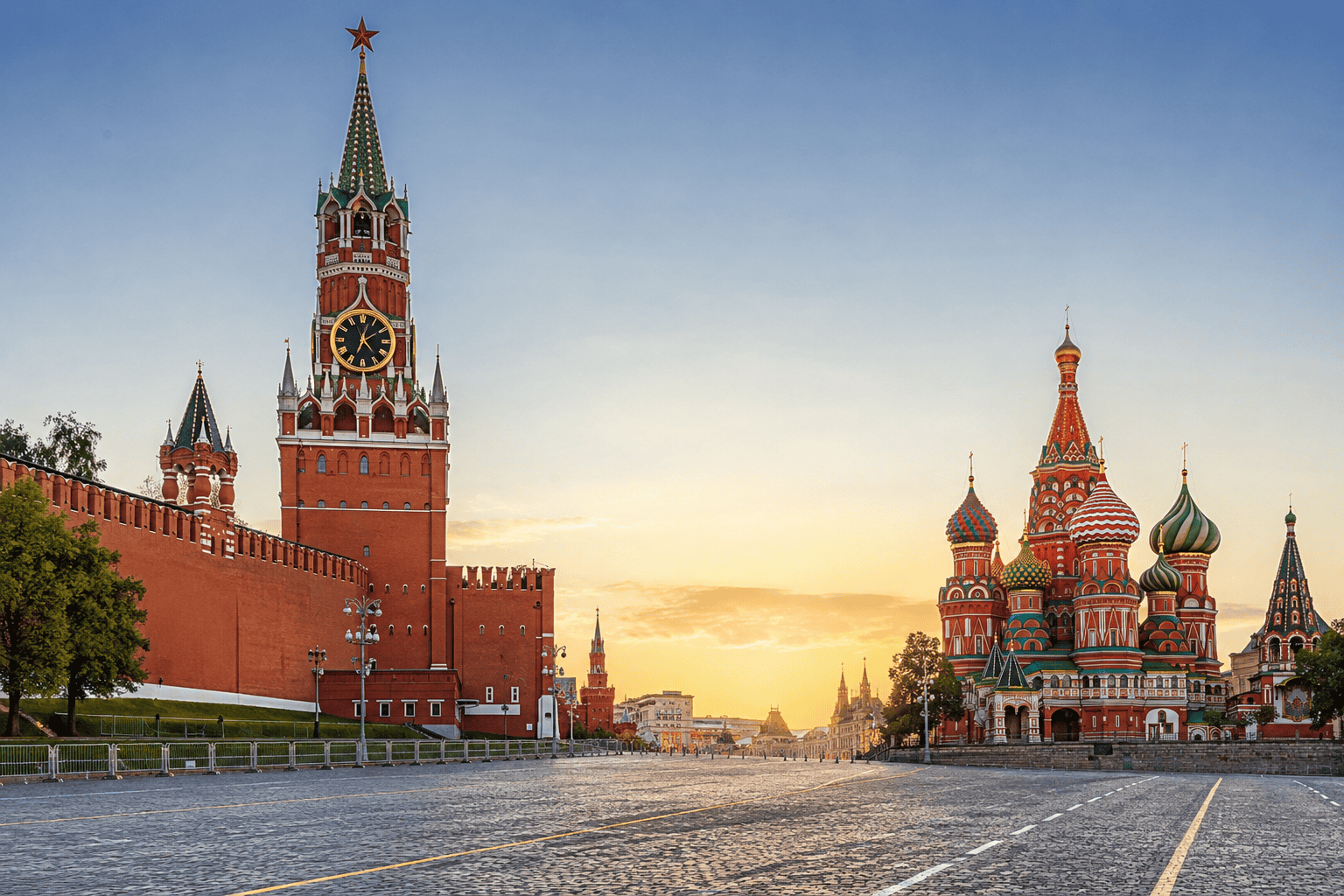
This Moscow Europe travel guide helps you plan a smoother visit to Russia’s capital with practical travel advice on attractions, transport, neighborhoods, costs, and trip planning. Whether you are interested in history, architecture, culture, or urban exploration, Moscow offers one of the most distinctive city experiences in Europe.
For more trip-planning advice, see our How to Book Trains in Europe for First-Time Visitors and Madrid Travel Guide: Budget, Itinerary & Tips.
Is Moscow in Europe?
Yes. Moscow is located in the European part of Russia, west of the Ural Mountains, which traditionally separate Europe and Asia. As Russia’s capital, Moscow serves as the country’s political, economic, and cultural center.
While geographically European, Moscow has a distinctive identity shaped by Imperial Russian history, Soviet influence, Orthodox Christianity, and modern Russian culture.
Current Travel Advisory for Moscow
Travel conditions for Russia can change rapidly. Many governments maintain high-level travel advisories related to the ongoing conflict in Ukraine and other geopolitical factors.
Before booking a trip, verify:
- Current visa and entry requirements
- Flight availability and routing options
- Banking and international card restrictions
- Travel insurance limitations
- Official travel advisories from your government
Useful resources include:
Why Travelers Visit Moscow
Moscow combines monumental architecture, world-famous landmarks, cultural institutions, and centuries of history.
- The Kremlin and Red Square
- Saint Basil’s Cathedral
- The Moscow Metro’s historic stations
- Soviet-era architecture and monuments
- The Bolshoi Theatre
- Orthodox churches and monasteries
- Russian art museums and literary sites
Best Time to Visit Moscow
Winter (December to February)
Snow-covered streets, holiday lights, and winter markets create a memorable atmosphere. Temperatures can fall well below freezing, making warm clothing essential.
Summer (June to August)
Long daylight hours, active parks, and comfortable temperatures make summer one of the easiest seasons for sightseeing.
Spring and Autumn
April, May, September, and October generally offer fewer crowds and pleasant conditions for walking tours and photography.
Best Things to Do in Moscow
Explore Red Square
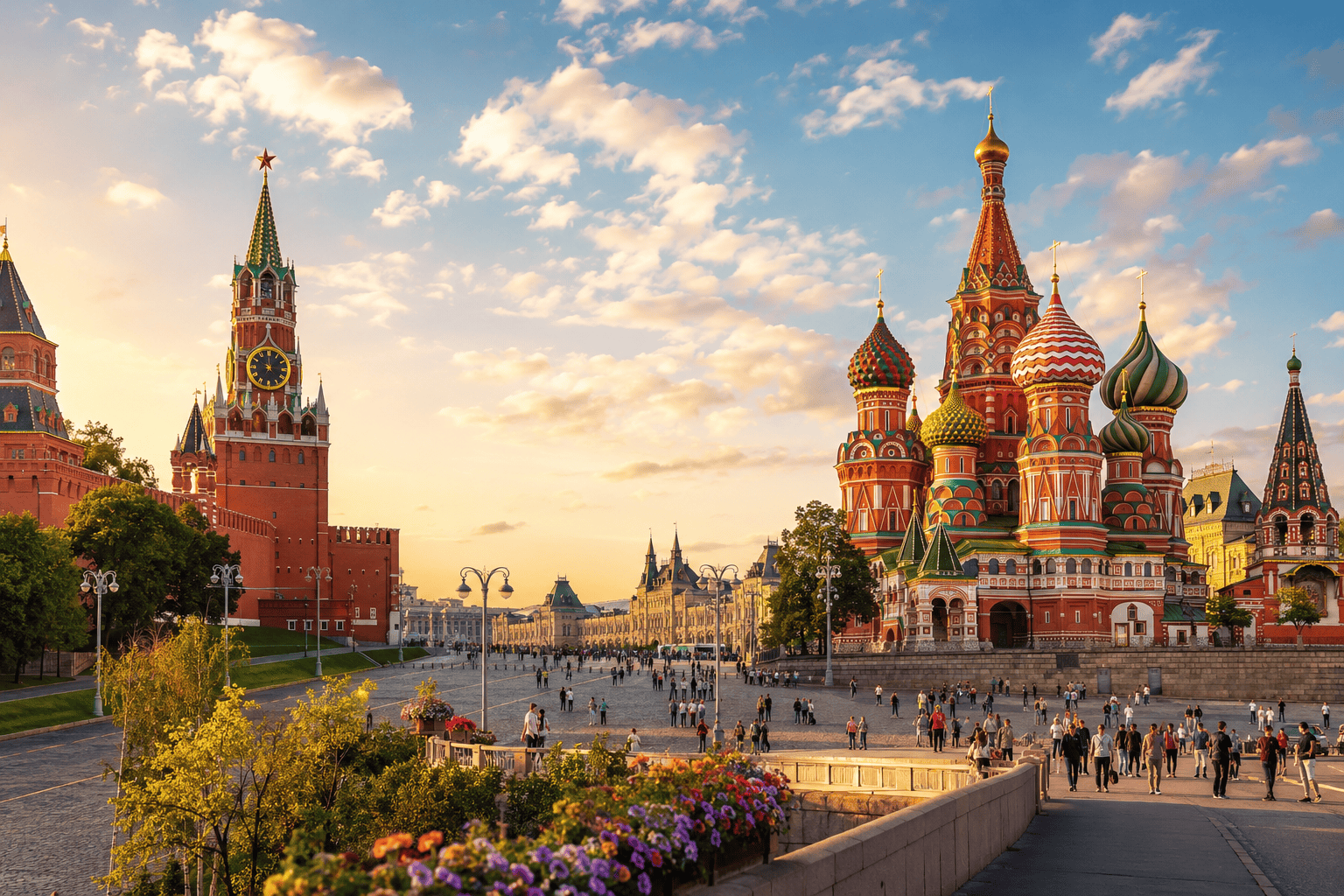
Red Square is home to Saint Basil’s Cathedral, the Kremlin walls, GUM department store, Lenin’s Mausoleum, and the State Historical Museum.
Ride the Moscow Metro
Many stations feature chandeliers, mosaics, marble interiors, and impressive Soviet-era design.
Visit the Tretyakov Gallery
This museum contains one of the world’s most important collections of Russian art.
Walk Along Old Arbat Street
Old Arbat remains a popular pedestrian area filled with cafés, performers, and souvenir shops.
Attend a Performance at the Bolshoi Theatre
The Bolshoi is internationally renowned for ballet and opera productions.
Explore VDNKh
This vast exhibition complex showcases monumental Soviet architecture, museums, fountains, and public spaces.
Best Neighborhoods in Moscow
Tverskoy
A convenient base for first-time visitors with excellent metro access and proximity to major landmarks.
Arbat and Khamovniki
Historic districts known for charming streets, cafés, and residential character.
Patriarch Ponds
A fashionable area with restaurants, cafés, and literary connections.
Kitay-Gorod
One of Moscow’s oldest districts, offering history, nightlife, and central sightseeing access.
Moscow Budget Guide
Moscow is often less expensive than major Western European capitals, though costs can vary significantly depending on accommodation and activities.
| Budget Level | Accommodation | Food Style | Estimated Daily Cost |
|---|---|---|---|
| Budget | Hostel or basic guesthouse | Casual cafés and self-catering | €35–55 per day |
| Mid-range | 3-star hotel | Regular restaurants | €80–130 per day |
| Luxury | 5-star hotel | Fine dining and cultural performances | €250+ per day |
The metro system remains one of the most affordable ways to travel around the city.
Food to Try in Moscow
- Borscht
- Pelmeni
- Beef stroganoff
- Blini
- Olivier salad
- Syrniki
Moscow also offers a growing contemporary dining scene with international and modern Russian cuisine.
Getting Around Moscow
The metro is generally the fastest and most reliable method of transportation. Download offline maps and translation tools before arrival for easier navigation.
Road traffic can be heavy during peak hours, making metro travel preferable for many journeys.
Moscow vs Saint Petersburg
Moscow feels larger, busier, and more focused on politics, business, and Soviet-era history. Saint Petersburg is often considered more visually European, with canals, classical architecture, and strong ties to Imperial Russia.
Many travelers enjoy visiting both cities to experience different sides of Russian culture and history.
Common Travel Mistakes in Moscow
- Underestimating visa requirements: Entry procedures may require advance planning.
- Assuming English is widely spoken: English is more common in tourist areas than elsewhere.
- Packing inadequately for winter: Cold-weather clothing is essential during winter months.
- Trying to see too much too quickly: Moscow’s size can make sightseeing more demanding than expected.
Suggested 4-Day Moscow Itinerary
Day 1: Historic Moscow
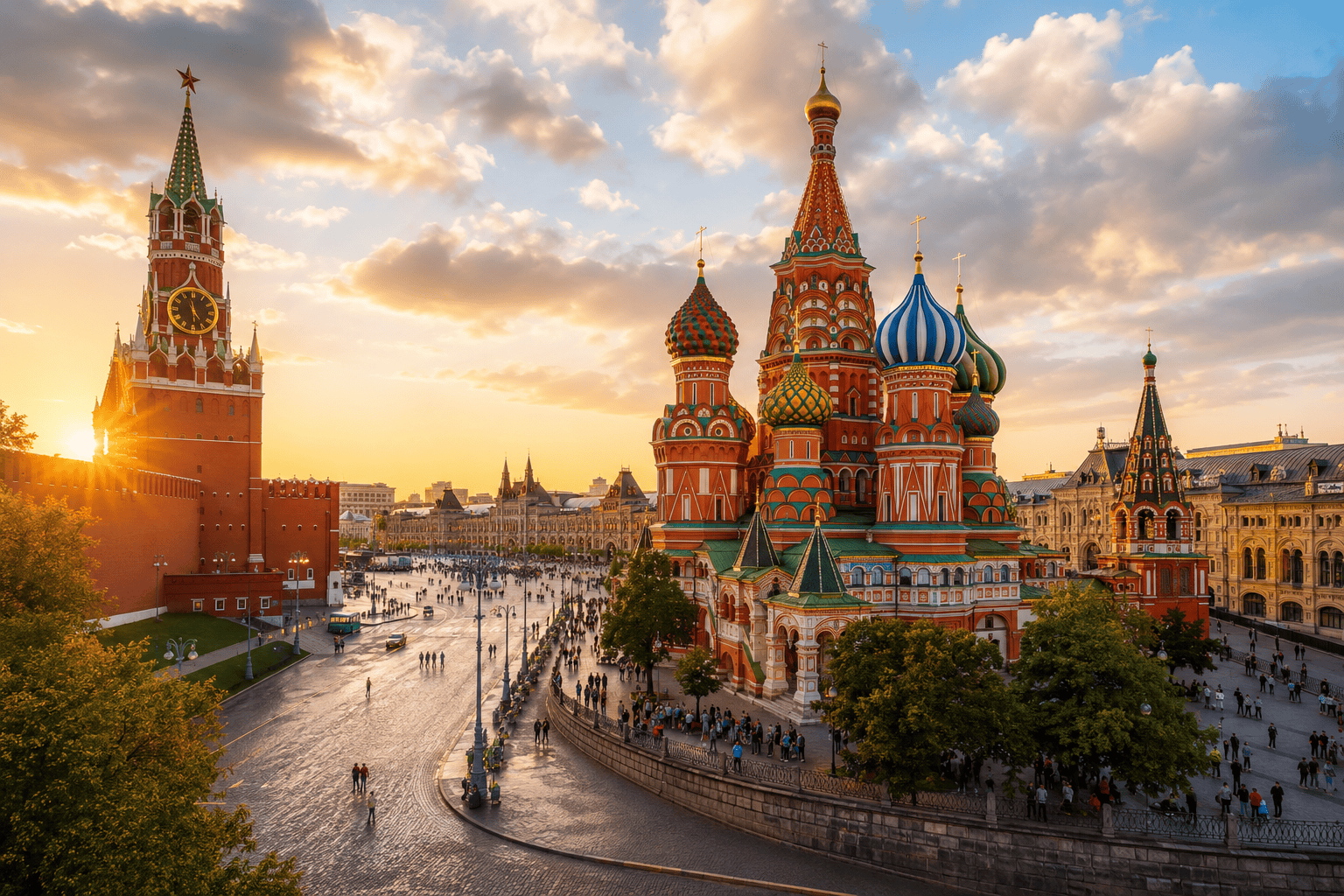
Visit Red Square, Saint Basil’s Cathedral, GUM, and the Kremlin complex.
Day 2: Metro and Theatre District
Explore notable metro stations and attend a ballet or opera performance.
Day 3: Museums and Neighborhoods
Visit the Tretyakov Gallery and spend time in Patriarch Ponds and Kitay-Gorod.
Day 4: Soviet-Era Landmarks
Explore VDNKh and other notable Soviet-period attractions before departure.
Frequently Asked Questions
Is Moscow considered part of Europe?
Yes. Moscow is located in European Russia, west of the Ural Mountains.
Is Moscow expensive?
It is generally less expensive than cities such as London or Paris but can be more expensive than many Eastern European destinations.
Do travelers need a visa for Moscow?
Many nationalities require a visa. Always verify current requirements through official sources.
Is English commonly spoken in Moscow?
English is available in some tourist-focused businesses but is less common outside major visitor areas.
What is the best area to stay in Moscow?
Tverskoy is often the most convenient district for first-time visitors due to its central location and transport links.
Travel conditions and entry requirements may change. Always verify the latest official information before booking or departing.
Last updated: May 2026.
For more destination comparisons and city guides, browse more travel guides on this site. You can also review additional travel background on Wikivoyage.

Mara Vale
Mara Vale writes Eurly travel guides for first-time Europe visitors who want practical routes, realistic pacing, and fewer avoidable planning mistakes.
Eurly guides are written to help readers make confident travel decisions, but opening hours, ticket rules, transit disruptions, and local conditions can change. Always verify key reservations and official schedules before you travel.