

Solo travel in London offers flexibility, convenience, and endless opportunities to explore at your own pace. With excellent public transport, world-class museums, diverse neighbourhoods, and plenty of free attractions, London is one of Europe’s most rewarding destinations for independent travellers.
For more trip planning inspiration, see our 5 Days in London: A Realistic Itinerary for First-Time Visitors and 3 Days in London: A Realistic Itinerary for First-Time Visitors.
This essential 2026 guide to solo travel in London covers where to stay, daily costs, transport, safety, dining alone, and the best experiences for independent travellers.
Is London Good for Solo Travel?
Yes. Solo travel in London is popular because the city combines reliable public transport, walkable central districts, world-class cultural attractions, and a welcoming atmosphere where exploring alone feels completely normal.
Independent travellers can enjoy museums, parks, markets, cafés, historic landmarks, and neighbourhood walks without needing a fixed itinerary. The main challenge is cost, especially accommodation, but careful planning can help keep expenses manageable.
Where to Stay in London as a Solo Traveller
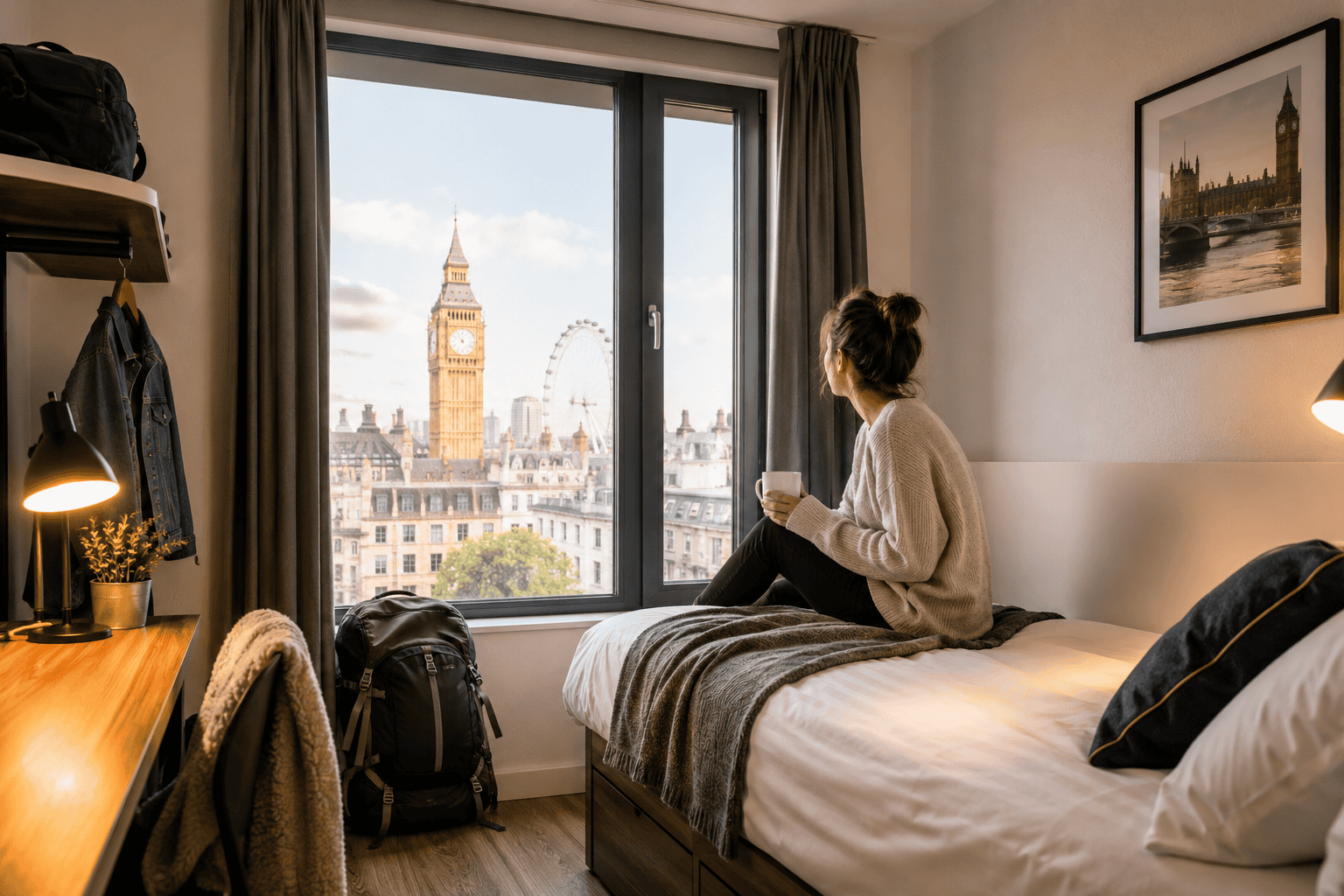
Choosing the right base can make a major difference during a solo trip. Prioritise safety, transport access, and the atmosphere that best matches your travel style.
Hostels
London has an excellent hostel scene for travellers who want to meet people. Dorm beds in central and near-central areas commonly cost around £28–45 per night. Popular areas include Shoreditch, Southwark, Paddington, King’s Cross, and Bayswater.
Budget Hotels
Private rooms at budget chains such as Travelodge, ibis, and Premier Inn often range from £80–120 per night in central locations, depending on season and demand.
Best Neighbourhoods for Solo Travellers
- Shoreditch and Bethnal Green: Ideal for nightlife, street food, hostels, and social travellers.
- Southwark and Borough: Great for riverside walks, Borough Market, and easy sightseeing access.
- Paddington and Bayswater: Convenient transport connections and quieter evenings.
- King’s Cross and Islington: Excellent transport links and varied dining options.
- Covent Garden and Bloomsbury: Highly walkable and central, although usually more expensive.
Solo Travel Budget in London
London has a reputation for being expensive, but free museums, public parks, and self-guided walking routes can significantly reduce daily costs.
| Category | Budget | Mid-Range |
|---|---|---|
| Accommodation | £35 hostel dorm | £100 budget hotel |
| Breakfast | £4–6 | £8–12 |
| Lunch | £7–10 | £12–18 |
| Dinner | £12–18 | £20–35 |
| Transport in Zones 1–2 | About £8.10 daily cap | About £8.10 daily cap |
| One paid attraction | £0–15 | £15–30 |
| Drinks and incidentals | £10–20 | £20–40 |
| Estimated Daily Total | £76–112 | £183–240 |
Budget travellers often spend around £85–100 per day, while travellers staying in private rooms may average £140–180 per day before flights and shopping.
Getting Around London Alone
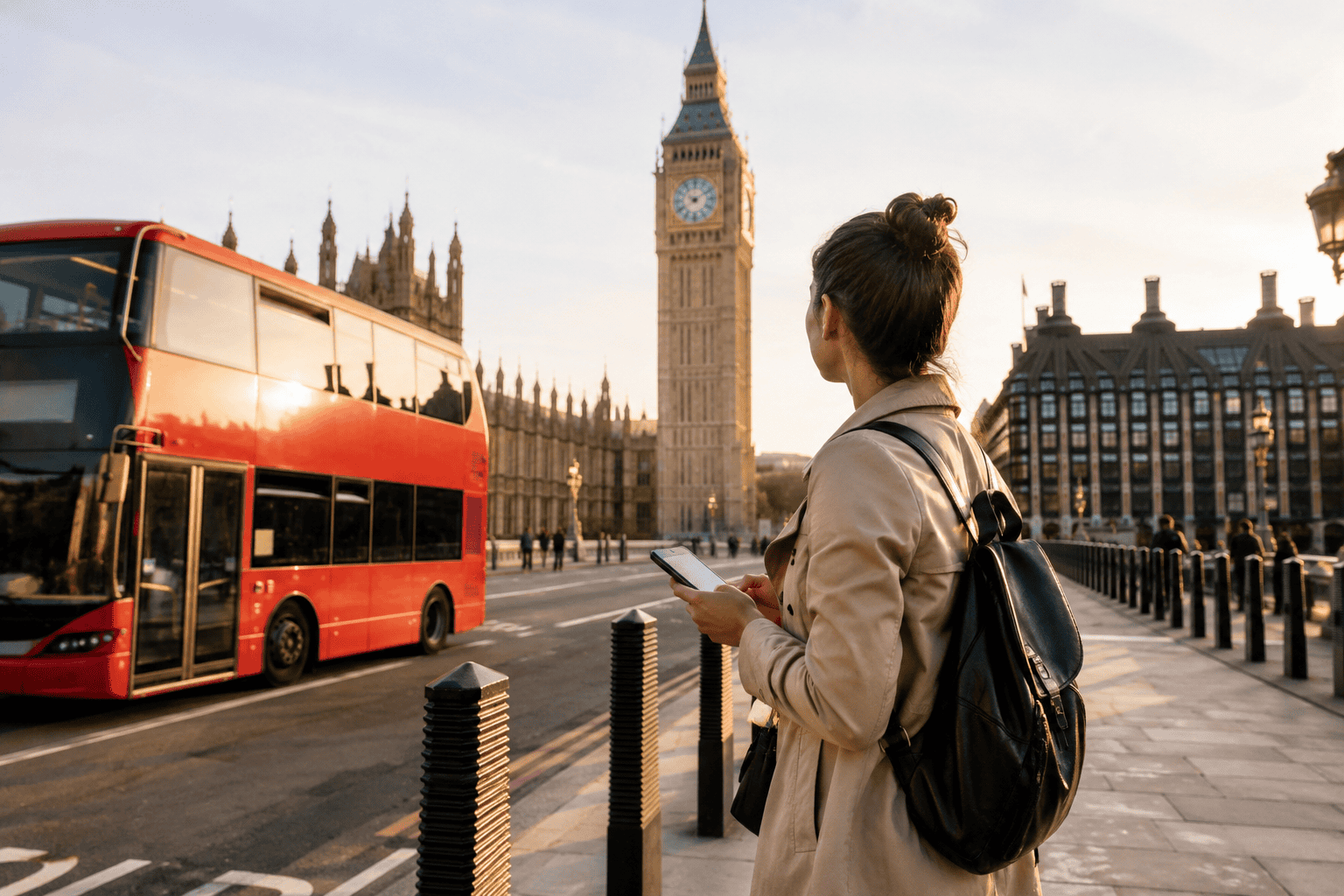
Getting around London alone is straightforward. Most visitors use a contactless bank card, mobile wallet, or Oyster card to access public transport.
The Tube
The London Underground is the fastest way to cover long distances. Daily fare caps help limit costs when taking multiple journeys throughout the day.
Download maps from Transport for London and consider using Citymapper or offline Google Maps for easier navigation.
Walking
Many of London’s most famous attractions are within walking distance of one another. Westminster, Covent Garden, Soho, Trafalgar Square, and the South Bank are particularly enjoyable to explore on foot.
Buses and Night Transport
London’s extensive bus network provides a scenic alternative to the Tube. At night, use licensed taxis, black cabs, or reputable ride-hailing services.
Safety Tips for Solo Travellers in London
London is generally safe, but basic precautions are important in any major city.
- Keep valuables secure in crowded areas.
- Avoid displaying phones near busy roads or transport hubs.
- Do not leave bags unattended.
- Use well-lit streets when walking at night.
- Choose accommodation with strong transport connections.
- Call 999 in emergencies and 101 for non-emergency police assistance.
Solo female travellers often find Southwark, Bloomsbury, Covent Garden, Islington, and Shoreditch convenient and comfortable bases.
Best Things to Do Alone in London
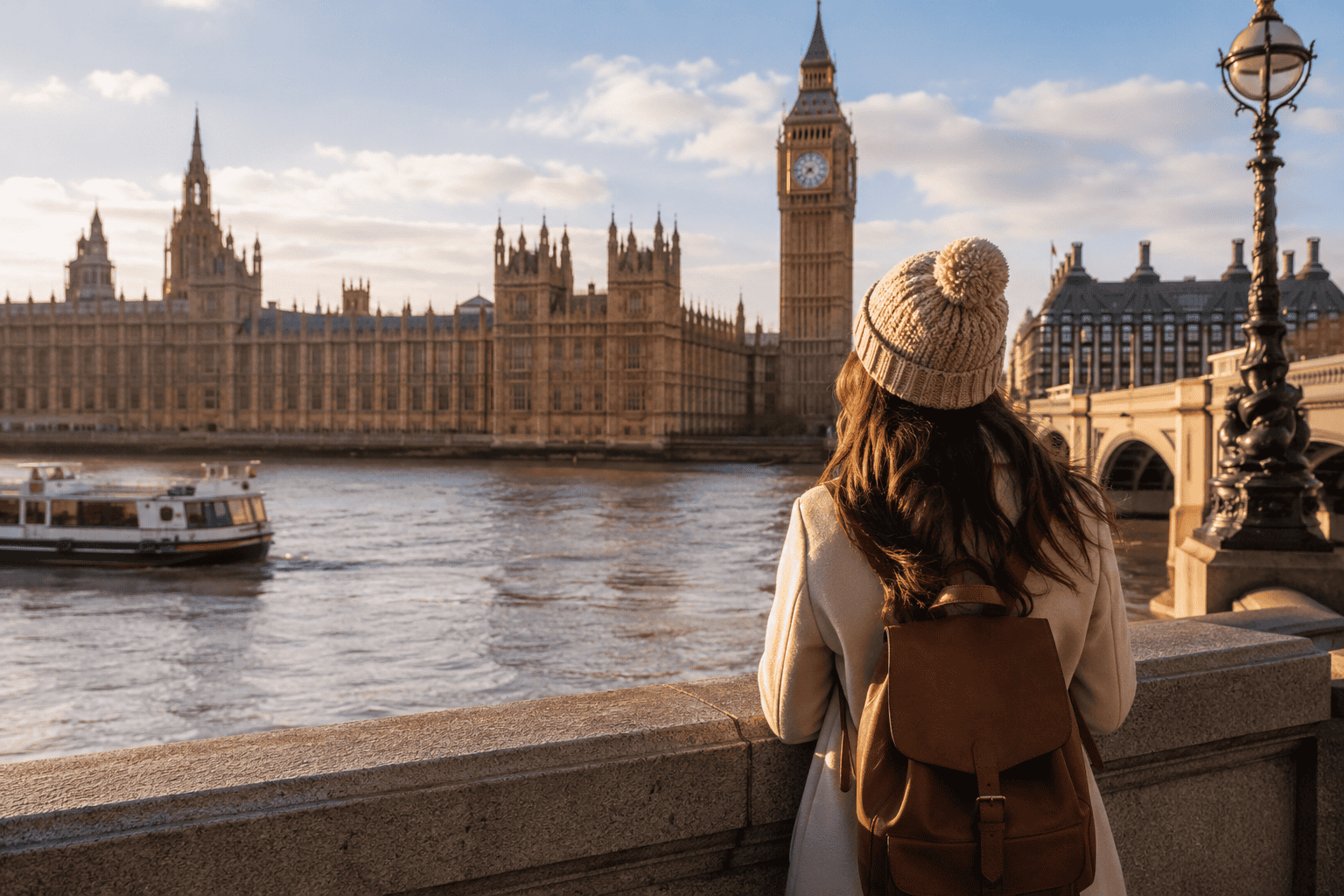
Many of London’s top attractions are perfectly suited to independent exploration, making solo travel in London both enjoyable and rewarding.
Best Free Activities
- British Museum
- National Gallery
- Tate Modern
- Victoria and Albert Museum
- Natural History Museum
- South Bank Walk
- Hyde Park and St James’s Park
- Hampstead Heath
Excellent Solo Experiences
- Churchill War Rooms
- Sir John Soane’s Museum
- Borough Market in the morning
- Bookshops in Bloomsbury, Marylebone, and Charing Cross Road
How to Meet People
- Stay in social hostels.
- Join walking tours.
- Attend museum talks and food tours.
- Browse local groups on Meetup.
Eating and Drinking Alone in London
Eating alone in London is common and comfortable. From market stalls to traditional pubs, there are plenty of solo-friendly dining options.
Solo Lunches
Borough Market, Berwick Street Market, Pret A Manger, and Leon are practical choices for quick and affordable meals.
Solo Dinners
Counter seating at ramen shops, noodle bars, and casual restaurants makes dining alone easy and stress-free.
Solo Pub Visits
Historic pubs such as The Lamb, The Anchor Bankside, and Ye Olde Cheshire Cheese are popular places to enjoy a drink or meal on your own.
Practical Travel Notes
SIM Cards and Mobile Data
A prepaid SIM card or eSIM can be a cost-effective alternative to international roaming.
Money and Cards
London is largely cashless, and contactless payments are accepted almost everywhere.
Power and Plugs
The UK uses Type G plugs and 230V electricity. Bring an adapter if required.
When to Book Ahead
Book accommodation early during summer and major holiday periods. Popular paid attractions are often easier to visit with advance tickets.
FAQ About Solo Travel in London
Is London safe for solo female travellers?
Yes. London is generally safe when standard big-city precautions are followed.
How much money do I need for a week in London alone?
A hostel-based trip may cost around £600–700 before flights, while a mid-range trip with private accommodation may range from £1,000–1,400.
What is the best area to stay in London?
Shoreditch is popular for social travellers, while Southwark, Borough, Paddington, and Bloomsbury are excellent alternatives.
Do I need to book attractions in advance?
Advance booking is recommended for major paid attractions, especially during peak travel periods.
Is London good for introverted solo travellers?
Yes. Museums, parks, cafés, bookshops, and walking routes make London particularly rewarding for independent travellers.
Can I visit London alone for the first time?
Absolutely. London’s transport network, abundance of free attractions, and traveller-friendly infrastructure make it one of the easiest cities for a first solo trip.
Last verified: 2026-04-27

Mara Vale
Mara Vale writes Eurly travel guides for first-time Europe visitors who want practical routes, realistic pacing, and fewer avoidable planning mistakes.
Eurly guides are written to help readers make confident travel decisions, but opening hours, ticket rules, transit disruptions, and local conditions can change. Always verify key reservations and official schedules before you travel.