
The most visited cities in Europe attract millions of travelers for good reason — blending historic landmarks, vibrant neighborhoods, and unforgettable food scenes. From iconic capitals to cultural hotspots, these destinations offer experiences that go far beyond the usual tourist checklist while remaining surprisingly easy to explore.
The most visited cities in Europe earn their popularity through a combination of things: iconic sights, practical transport links, strong food cultures, and the kind of street-level energy you remember years later. They also come with real tradeoffs — crowds, higher prices, and the constant risk of spending your whole trip in tourist infrastructure rather than the actual city.
Quick Takeaways
Start here: The most visited cities in Europe attract millions of travelers for good reason — blending historic landmarks, vibrant neighborhoods, and unforgettable food scenes.
Planning note: The most visited cities in Europe earn their popularity through a combination of things: iconic sights, practical transport links, strong food cultures, and the kind of street-level energy...
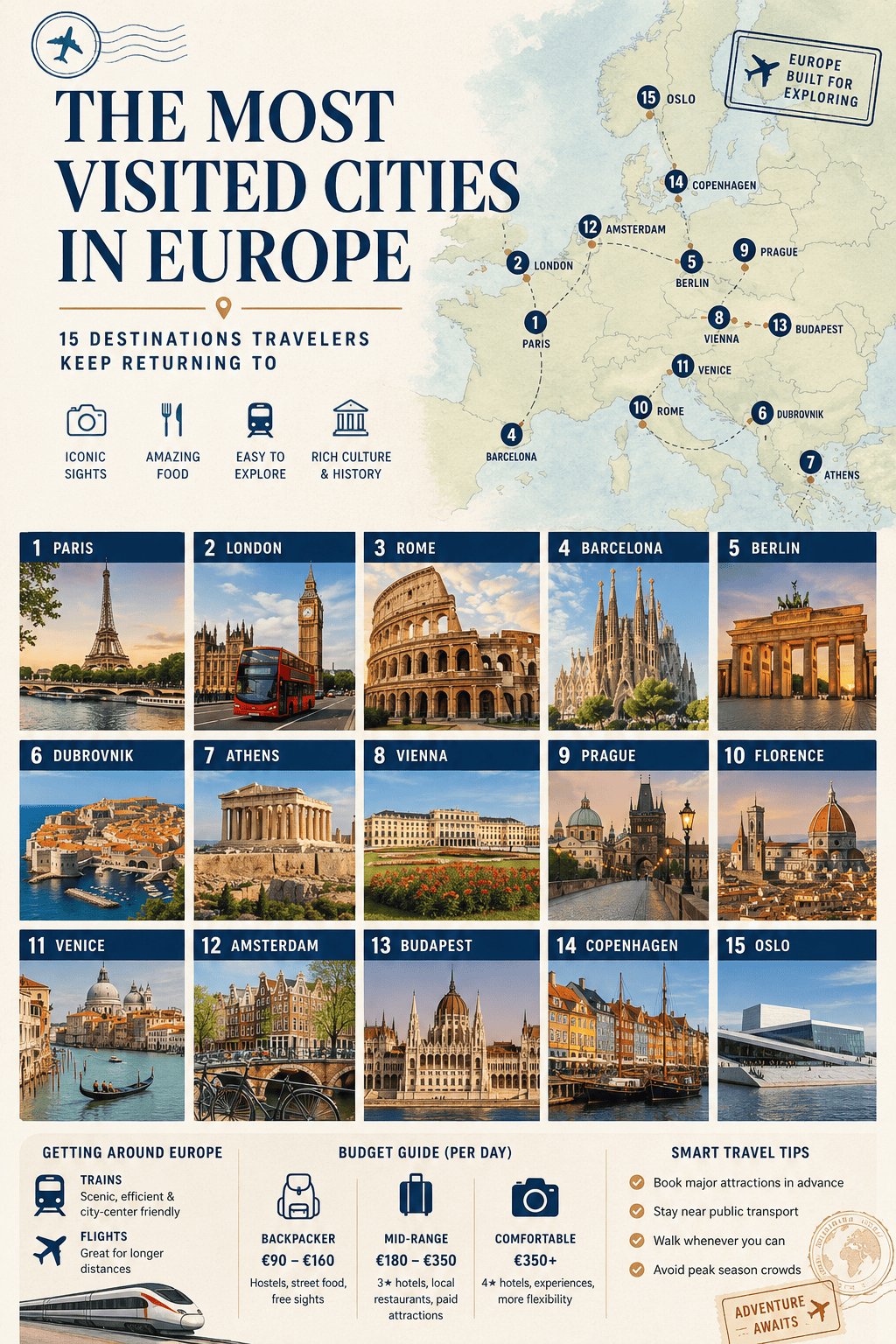
This guide breaks down 15 of Europe’s most-visited urban destinations from a practical standpoint: what makes each worth visiting, realistic daily budget ranges, the mistakes most travelers make, and honest guidance on when to go and who each city suits best.
1. Paris, France
Why Paris Remains Europe’s Biggest Draw
Paris is one of those rare cities that holds up against its own reputation. Travelers arrive for the Eiffel Tower and the Louvre, but the ones who stay longer discover something harder to name — a city that rewards walking and wandering more than almost anywhere else in Europe.
You could spend a full week in Paris without entering a single museum and still feel like you’ve had a genuine travel experience. The neighborhoods, the markets, the café rhythm, and the architecture do most of the work on their own.
Best Experiences
- Watching sunset from the banks of the Seine
- Walking Montmartre early in the morning before tour groups arrive
- Visiting the Louvre with a focused plan rather than trying to cover everything
- Picnic evenings near Canal Saint-Martin
- Café hopping through Le Marais on a slow afternoon
Common Mistakes
- Trying to “do Paris” in 48 hours
- Eating at restaurants directly adjacent to major attractions
- Visiting the Eiffel Tower in the middle of the day
- Staying far outside the city to save on accommodation, then losing time and money on transit
Daily Budget: Paris
| Budget Level | Estimated Daily Cost |
|---|---|
| Backpacker | €90–€140 |
| Mid-range | €180–€300 |
| Comfortable | €350+ |
Practical tip: Skip rental cars entirely. Paris is designed for walking and metro travel, and driving adds stress without benefit.
2. London, England
Europe’s Most Diverse Big City
London operates more like several distinct cities layered on top of each other. One neighborhood feels aristocratic and centuries-old; another feels global and fast-moving; another feels creative and unpolished. That variety is part of the appeal — and it means the city rarely feels repetitive, even on a longer stay.
For English-speaking first-time travelers, London is also one of Europe’s most approachable cities. No language barrier, a relatively intuitive transit system, and a culture that’s reasonably tourist-friendly without being built around it.
Highlights
- British Museum (free entry)
- Borough Market for food
- Camden Town for a completely different atmosphere
- West End theater
- Day trips to Windsor, Oxford, or Bath
What Surprises Most Travelers
London’s major museums — the British Museum, the Natural History Museum, the V&A, the National Gallery — are free to enter. This meaningfully reduces the daily cost of sightseeing and makes it possible to have a culturally rich trip without heavy attraction spending.
Daily Budget: London
| Budget Level | Estimated Daily Cost |
|---|---|
| Backpacker | €100–€160 |
| Mid-range | €220–€350 |
| Comfortable | €400+ |
Practical tip: Stay near a Tube station rather than obsessing over zone location. Being 20 minutes from central London is manageable if you’re not wasting time walking to transport every morning.
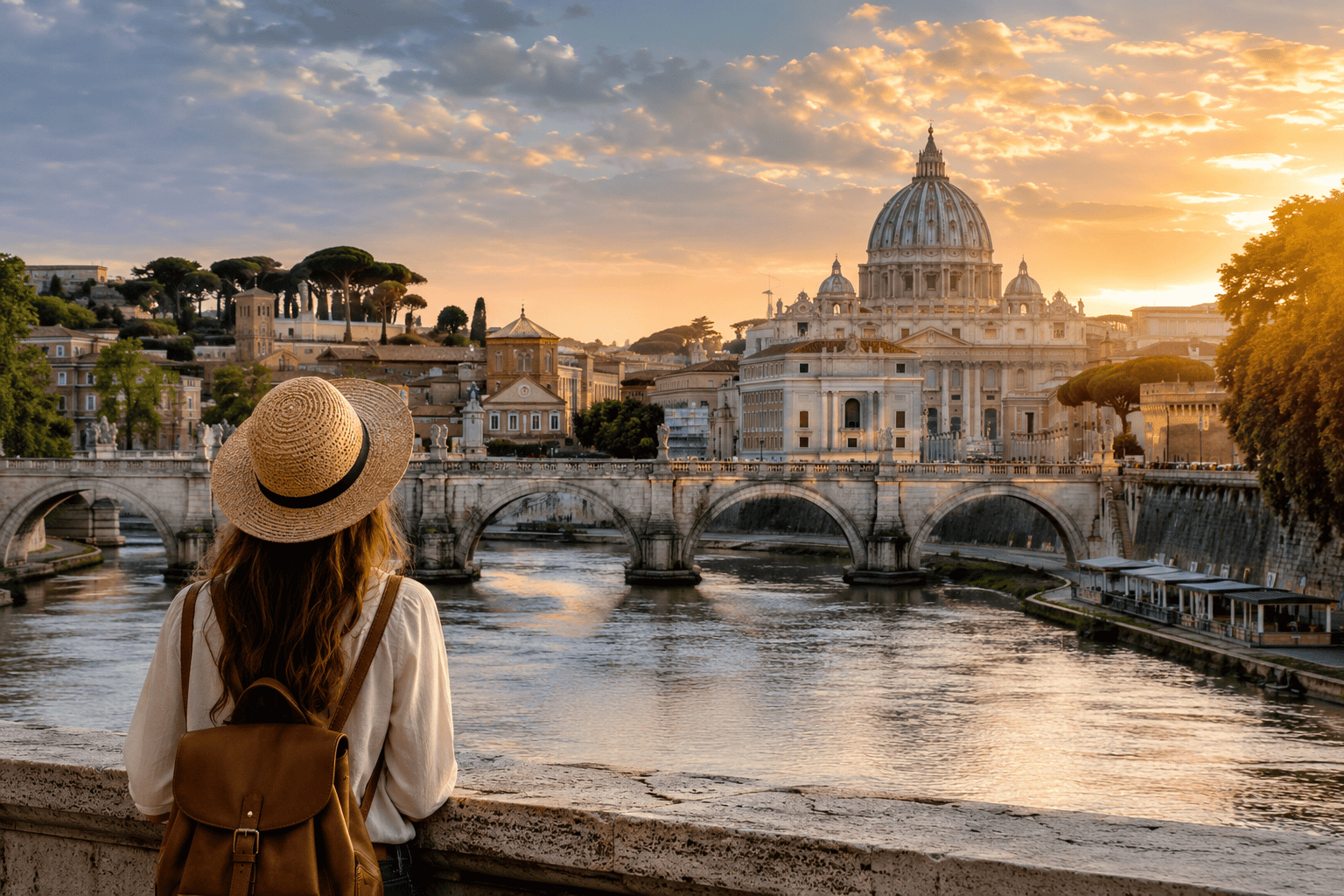
3. Rome, Italy
The Ultimate History Overload
Rome is chaotic, loud, hot in summer, and genuinely extraordinary. No other European city layers ancient ruins, Renaissance art, Baroque churches, and a working food culture quite so densely. You can walk from a 2,000-year-old amphitheater to a neighborhood trattoria serving lunch to locals in under ten minutes.
The challenge with Rome is managing the pace. Trying to see everything leads to exhaustion and disappointment. The city works better when you pick specific things to prioritize and leave the rest for wandering.
Key Areas to Explore
- Colosseum and Roman Forum (book tickets in advance)
- Trastevere for evenings and food
- Vatican City — allow a full half-day minimum
- Pantheon and the surrounding streets
- Campo de’ Fiori for a sense of daily Roman life
Food Advice
Avoid restaurants with oversized laminated menus displaying photos of dishes, and anywhere with staff aggressively trying to recruit you from the street. These are reliable indicators of tourist-trap pricing and uninspiring food. Look instead for places where Italian families are clearly lingering over lunch — the food and value are almost always better.
Daily Budget: Rome
| Budget Level | Estimated Daily Cost |
|---|---|
| Backpacker | €80–€130 |
| Mid-range | €170–€280 |
| Comfortable | €350+ |
4. Barcelona, Spain
Architecture, Beach, and a Food Scene That Overdelivers
Barcelona sits in a category of its own among European cities because it genuinely delivers on multiple fronts simultaneously: world-class architecture, a serious food culture, beach access, active nightlife, and walkable neighborhoods. Gaudí’s work gives the city a visual identity unlike anywhere else in Europe — the Sagrada Família alone is worth the journey.
Best Things to Do
- Sagrada Família (book timed entry tickets well in advance)
- Gothic Quarter walks, especially early morning
- Tapas hopping through Eixample and El Born
- Barceloneta Beach
- Bunkers del Carmel for panoramic city views without the crowds of Tibidabo
Honest Tradeoffs
Barcelona has visible overtourism issues, particularly in summer. Pickpocketing on Las Ramblas is a well-documented problem. The city is working through a complicated relationship with mass tourism, and some traveler behaviors — particularly around short-term rentals and nightlife — have created tension with residents. Travel respectfully and stay aware of your surroundings.
Best Time to Visit
Late spring (May) and early autumn (September–October) offer the best combination of weather, manageable crowds, and reasonable accommodation pricing.
Daily Budget: Barcelona
| Budget Level | Estimated Daily Cost |
|---|---|
| Backpacker | €70–€120 |
| Mid-range | €160–€260 |
| Comfortable | €320+ |
5. Amsterdam, Netherlands
Compact, Visually Beautiful, and Easy to Navigate
Amsterdam earns its place among the most visited cities in Europe partly through sheer visual appeal — the canal rings, the narrow gabled houses, the bike-filled streets — and partly because the city center is genuinely walkable in a way that makes it feel manageable even for first-time visitors.
Best Experiences
- Evening canal cruises
- Jordaan neighborhood for quieter streets and independent shops
- Rijksmuseum for Dutch Golden Age art (book tickets ahead)
- Anne Frank House (timed entry required; book weeks in advance)
- Cycling beyond the city center into quieter suburbs
Reality Check
Amsterdam is no longer an affordable European destination, and it hasn’t been for some time. Accommodation costs have risen significantly, and the city has introduced various tourism management policies over recent years. Budget travelers should set realistic expectations and consider staying in a nearby town connected by train if costs are a concern.
Daily Budget: Amsterdam
| Budget Level | Estimated Daily Cost |
|---|---|
| Backpacker | €100–€160 |
| Mid-range | €220–€340 |
| Comfortable | €400+ |
6. Prague, Czech Republic
One of Europe’s Best-Value Historic Capitals
Prague delivers a combination that’s hard to match: extraordinary medieval and Baroque architecture, a genuinely intact historic center, excellent beer culture, and daily costs that remain well below Western European averages. It’s particularly popular among first-time Europe travelers because the Old Town looks almost impossibly photogenic — and much of it is free to simply walk through.
Top Attractions
- Charles Bridge (best experienced at dawn before crowds arrive)
- Prague Castle complex
- Old Town Square and the Astronomical Clock
- Traditional Czech beer halls in Žižkov or Vinohrady
- Riverside walks along the Vltava
Key Advice
Start early. Prague’s center becomes genuinely congested by mid-morning, especially in summer. The streets around Old Town Square are a different — and far more pleasant — experience at 7am than at noon.
Daily Budget: Prague
| Budget Level | Estimated Daily Cost |
|---|---|
| Backpacker | €50–€90 |
| Mid-range | €120–€220 |
| Comfortable | €300+ |
7. Vienna, Austria
Europe’s Elegant, Livable Cultural Capital
Vienna operates at a different register than most major European capitals. It’s calmer, better organized, and built around a kind of civic quality of life that makes it consistently rank among the world’s most livable cities. For travelers, that translates to museums that actually function well, excellent public transport, and a café culture that genuinely invites you to slow down.
What Makes Vienna Distinctive
- Grand Ringstrasse architecture on a scale few cities can match
- Live classical music performances at accessible price points
- The Viennese coffee house tradition — a genuinely unhurried experience
- Kunsthistorisches Museum and the MuseumsQuartier
- Strong rail connections to Budapest, Prague, Salzburg, and beyond
Daily Budget: Vienna
| Budget Level | Estimated Daily Cost |
|---|---|
| Backpacker | €70–€110 |
| Mid-range | €160–€270 |
| Comfortable | €350+ |
8. Lisbon, Portugal
Europe’s Fast-Rising Atlantic Capital
Lisbon’s jump in international popularity over the past decade has been dramatic, and it’s still climbing. The combination of warm weather, ocean access, colorful tiled neighborhoods, excellent seafood, and prices that remain lower than most Western European capitals makes it a compelling option for a wide range of travelers.
Best Neighborhoods
- Alfama for fado music and atmospheric narrow streets
- Bairro Alto for evening food and bars
- Chiado for shops, bookshops, and good coffee
- Belém for the Jerónimos Monastery and Monument to the Discoveries
Things Travelers Underestimate
Lisbon is hilly in a way that surprises people who haven’t been. The hills between neighborhoods are genuinely steep in places. Wear comfortable shoes — this is not a city for city-break footwear you haven’t broken in. The historic trams are charming but extremely crowded; walking or using the Metro is often faster.
Daily Budget: Lisbon
| Budget Level | Estimated Daily Cost |
|---|---|
| Backpacker | €60–€100 |
| Mid-range | €140–€240 |
| Comfortable | €300+ |
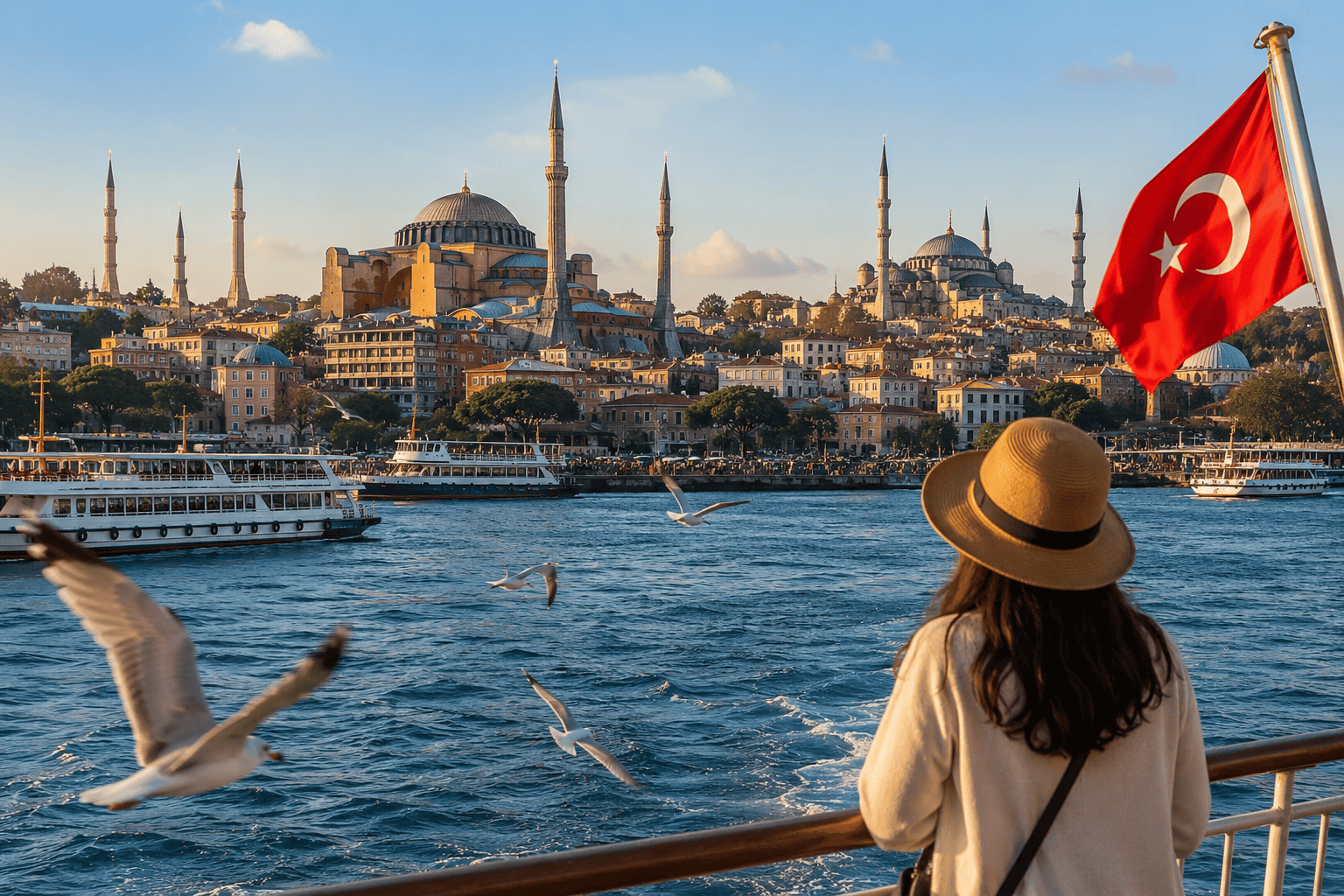
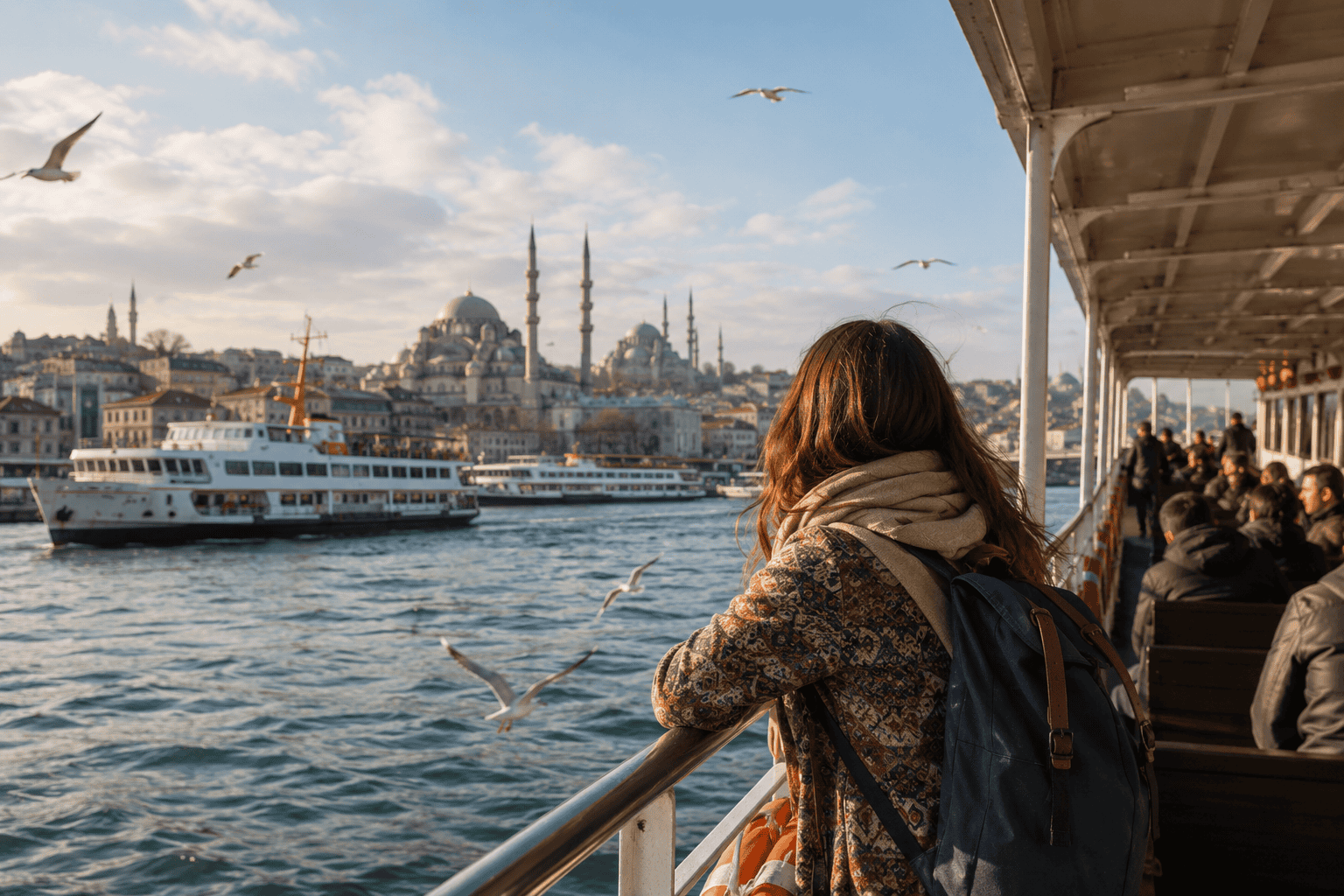
9. Istanbul, Turkey
Where Two Continents Meet
Istanbul is technically a transcontinental city — split between Europe and Asia by the Bosphorus strait — but it consistently appears in any serious list of Europe’s most visited destinations, and with good reason. The density of historical sites, the energy of its bazaars, and the quality of its food culture make it genuinely unlike anywhere else travelers encounter.
Key Experiences
- Hagia Sophia — one of the most significant architectural achievements in history
- Grand Bazaar and the adjacent Spice Bazaar
- A Bosphorus cruise at sunset
- Blue Mosque (Sultanahmet Mosque)
- A proper Turkish breakfast — an experience in itself
Practical Advice
Factor in traffic when planning. Istanbul is vast, and distances that look manageable on a map can take much longer to cover than expected. The tram and metro system helps for major routes, but some neighborhoods require patience. Check current entry requirements before you travel, as these can change.
Budget Advantage
Istanbul offers strong value for money compared to Western European capitals, particularly for accommodation, food, and local transport. Visitors from euro or sterling-denominated economies will generally find their money goes meaningfully further here.
10. Berlin, Germany
Europe’s Most Distinctive Big-City Culture Scene
Berlin doesn’t charm visitors in the conventional European sense. There are no fairy-tale old towns or postcard-perfect skylines. What Berlin has instead is creative energy, historical weight, a nightlife scene that has no real peer in Europe, and a raw, layered quality that tends to grow on people the longer they stay.
Why Travelers Keep Returning
- Cold War and World War II history told honestly across multiple museums and memorials
- Electronic music clubs and nightlife infrastructure unlike anywhere else in the world
- A serious and affordable food scene drawing on international influences
- Huge parks and green spaces that make long days very manageable
- A street art culture that’s still genuinely present in areas like Friedrichshain
Important Framing
The biggest mistake travelers make is arriving with expectations shaped by visually prettier European capitals and feeling disappointed. Berlin is doing something different. Approach it on its own terms.
Daily Budget: Berlin
| Budget Level | Estimated Daily Cost |
|---|---|
| Backpacker | €65–€110 |
| Mid-range | €150–€260 |
| Comfortable | €330+ |
11. Venice, Italy
One of the Most Beautiful Cities on Earth — With a Catch
Venice is extraordinary in a way that photographs genuinely cannot capture. The absence of motor vehicles, the water at every turn, the architecture emerging directly from the lagoon — it’s a singular experience. It is also, at peak times, one of the most overcrowded urban destinations on earth.
The key to Venice is timing and approach. Day-trippers who arrive at 10am and leave by 5pm see the worst version of the city. Those who stay overnight — and explore before 8am or after 7pm — see something completely different.
How to Experience Venice Properly
- Stay at least one night rather than arriving as a day trip from the mainland
- Walk early mornings when most streets are quiet
- Visit outer islands: Burano for color, Torcello for history, Murano for glassmaking
- Deliberately avoid the area immediately around Rialto Bridge and San Marco during peak hours
Note: Venice introduced a day-tripper entry fee for peak periods. Check the current rules at veneziaunica.it before you travel, as this policy continues to evolve.
12. Dublin, Ireland
Europe’s Most Sociable Capital
Dublin works less through grand landmark attractions and more through atmosphere and the genuine warmth of its pub culture. It’s a city that rewards spending time in rather than rushing around — sitting in a proper pub with live traditional music, talking to strangers, exploring the Liberties or Stoneybatter neighborhoods away from the tourist belt.
Worth Knowing Before You Go
- Dublin is expensive for accommodation, often comparable to London
- The Guinness Storehouse is extremely popular but also extremely expensive relative to its content — assess whether it’s the right choice for your interests
- Dublin works well as a launching point for exploring Ireland’s Wild Atlantic Way and west coast
Daily Budget: Dublin
| Budget Level | Estimated Daily Cost |
|---|---|
| Backpacker | €90–€140 |
| Mid-range | €190–€310 |
| Comfortable | €380+ |
13. Budapest, Hungary
Grand Architecture at Genuinely Affordable Prices
Budapest delivers a level of architectural drama — the Parliament building, the Chain Bridge, the hilltop Buda Castle, the thermal bath houses — that rivals Western European capitals, at daily costs that are significantly lower. It’s one of the best arguments for including Central Europe in a broader itinerary.
Best Experiences
- Széchenyi or Rudas thermal baths
- Danube riverfront views from both Buda and Pest sides
- Ruin bar culture in the Jewish Quarter (Szimpla Kert is the most famous, but explore further)
- Hungarian food — goulash, lángos, chimney cake
- Parliament building lit up at night from across the river
Daily Budget: Budapest
| Budget Level | Estimated Daily Cost |
|---|---|
| Backpacker | €45–€80 |
| Mid-range | €110–€200 |
| Comfortable | €270+ |
14. Athens, Greece
Ancient History and a Modern Mediterranean City in One
Athens is often used as a gateway to the Greek islands, but travelers who give it a few days on its own terms usually come away impressed. The Acropolis is one of the genuinely unmissable sights in all of Europe, and the city below it — particularly the Monastiraki, Psirri, and Koukaki neighborhoods — has developed a food and café scene that makes it worth slowing down for.
Key Attractions
- Acropolis and Acropolis Museum (book tickets in advance)
- Plaka neighborhood for wandering
- Athens Central Market (Varvakios Agora) for a real sense of daily life
- Rooftop bars with Acropolis views
- Piraeus port for ferry connections to the islands
Common Mistake
Leaving for the islands immediately after landing without giving Athens any time. Two full days in the city — especially combined with a strong food focus — makes most travelers wish they’d planned for more.
Daily Budget: Athens
| Budget Level | Estimated Daily Cost |
|---|---|
| Backpacker | €55–€90 |
| Mid-range | €130–€230 |
| Comfortable | €300+ |
15. Copenhagen, Denmark
Scandinavia’s Most Accessible and Stylish Capital
Copenhagen is clean, compact, bike-friendly, and genuinely well-designed in a way you notice within a few hours of arriving. It’s the most accessible entry point into Scandinavian travel culture — easier to navigate than Stockholm, more internationally connected than Oslo, and home to a food scene that has influenced restaurants worldwide.
Why It’s Worth Visiting
- Scandinavian design, architecture, and interiors visible throughout the city
- Nyhavn harbor for atmosphere (not just photos)
- Torvehallerne food market for excellent local produce and prepared food
- Cycling infrastructure that actually works — rent a bike for a day
- Easy train connections to Malmö, Sweden via the Øresund Bridge
Budget Warning
Copenhagen is one of the most expensive cities in Europe. Restaurant and bar prices are consistently high, and alcohol in particular carries steep Danish taxation. Budget travelers should lean heavily on food markets, supermarkets, and self-catering options.
Daily Budget: Copenhagen
| Budget Level | Estimated Daily Cost |
|---|---|
| Backpacker | €110–€170 |
| Mid-range | €240–€380 |
| Comfortable | €450+ |
How to Choose Between Europe’s Most Popular Cities
The 15 cities on this list don’t suit every traveler equally. Here’s a quick breakdown by travel priority to help you build an itinerary that matches what you’re actually looking for.
Best for First-Time Europe Travelers
- Paris — iconic, walkable, culturally rich
- London — English-language friendly, easy to navigate
- Rome — maximum historical impact per day
- Barcelona — combines multiple experiences in one city
Best for Budget Travelers
- Budapest — best value of any major European capital
- Prague — affordable with world-class historic center
- Athens — lower costs than Western Europe with strong sightseeing return
- Lisbon — still relatively affordable despite rising prices
Best for Food Lovers
- Rome — depth and consistency of Italian regional cooking
- Barcelona — Catalan cuisine plus accessible tapas culture
- Istanbul — extraordinary variety at low cost
- Paris — for those who want formal dining culture at its peak
Best for Nightlife
- Berlin — unmatched global reputation for club culture
- Budapest — ruin bars and a younger, energetic scene
- Barcelona — late nights, beach clubs, and strong local nightlife
- Amsterdam — concentrated and varied within a compact area
Best for History and Culture
- Rome — ancient history at a density no other city can match
- Athens — the birthplace of democracy and Western philosophy
- Istanbul — multiple empires layered on top of each other
- Vienna — Habsburg history and European cultural heritage
When to Visit Europe’s Major Cities
Summer (June–August)
Summer delivers long daylight hours, warm weather, and a full calendar of outdoor events and festivals. It also brings the largest crowds, peak accommodation pricing, and — in cities like Rome, Barcelona, and Athens — significant heat waves. If you’re visiting in summer, book accommodation months in advance and plan major sights for early morning.
Shoulder Season (April–May and September–October)
Shoulder season is the best overall window for visiting the most popular cities in Europe. The weather is generally good, crowds are manageable, and accommodation prices drop noticeably from summer peaks. September in particular is excellent for Southern European cities — warm enough for outdoor dining and beaches, but past the worst of the summer crowds.
Winter (November–March)
Winter offers the lowest prices and the smallest crowds at major attractions. Christmas markets in cities like Vienna, Prague, and Berlin are genuinely worth visiting. The tradeoff is shorter days, colder temperatures, and — for some Southern European destinations — variable weather. Cities like London and Berlin actually function well in winter if you’re prepared for grey skies.
Frequently Asked Questions
What is the most visited city in Europe?
Paris consistently records the highest international visitor numbers of any European city, driven by the combination of the Eiffel Tower, the Louvre, and a wider cultural appeal that makes it a first-choice destination for travelers globally. London and Rome also regularly appear in the top three depending on the year and data source used.
Which European capital is best for budget travelers?
Budapest and Prague are the strongest options among major European capitals for budget travelers. Both cities offer genuinely impressive historic centers, strong food and drink cultures, and daily costs that run significantly below Western European averages. Athens and Lisbon are also good choices for travelers who want to keep costs down without sacrificing experience quality.
How many European cities can you realistically visit in two weeks?
Two to four cities in two weeks is a realistic and enjoyable pace for most travelers. Three cities is a common structure — enough time to genuinely experience each destination without the trip becoming an exhausting series of transit days. More than five cities in two weeks starts to feel rushed for most people and leaves little room for the spontaneous experiences that often define a great trip.
Is it cheaper to travel between European cities by train or budget airline?
It depends on the route and how far in advance you book. Budget airlines (Ryanair, easyJet, Wizz Air) can be extremely cheap on certain routes, but add checked baggage, transport to secondary airports, and time in terminals and the cost difference often narrows. Trains are usually faster city-center to city-center on routes under 4–5 hours, and often more comfortable. For longer distances — say, London to Rome — flying is typically the practical choice. Platforms like Trainline and Omio let you compare rail and bus options across most European routes.
Which of Europe’s most visited cities is easiest to navigate without a car?
Amsterdam, Prague, and Vienna are among the easiest to navigate entirely without a car. All three have compact city centers, reliable public transport, and — in Amsterdam’s case — outstanding cycling infrastructure. London and Paris have excellent metro systems that make car travel unnecessary. Rome is the most challenging on this list for driving; parking is extremely difficult and traffic is chaotic. In Rome, walking and using the metro is almost always the better option.
By Mara Vale for Eurly
Last verified: June 2025. Budget ranges are estimates and will vary based on season, accommodation type, and travel style. Always confirm visa requirements and any entry fees at official government and city tourism sources before you travel.

Mara Vale
Mara Vale writes Eurly travel guides for first-time Europe visitors who want practical routes, realistic pacing, and fewer avoidable planning mistakes.
Eurly guides are written to help readers make confident travel decisions, but opening hours, ticket rules, transit disruptions, and local conditions can change. Always verify key reservations and official schedules before you travel.