

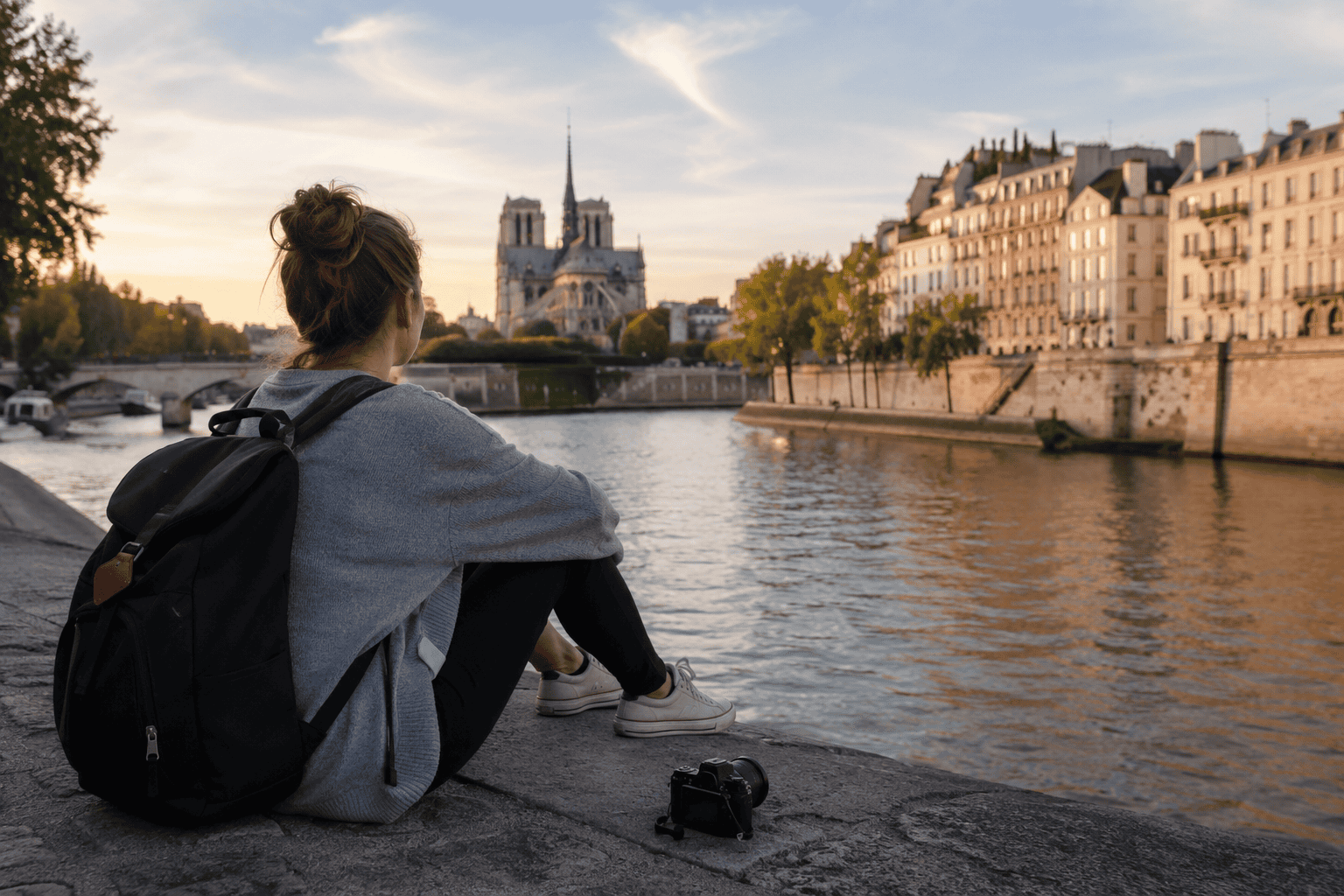
Solo travel advice Europe travelers often seek starts with thoughtful preparation. Traveling alone offers freedom, flexibility, and personal growth. With smart planning, Europe can be one of the easiest and most rewarding regions in the world to explore independently.
This guide covers practical solo travel advice Europe visitors can use for destination selection, budgeting, transportation, safety, accommodation, socializing, and common mistakes to avoid.
Why Europe Works So Well for Solo Travelers
Europe is particularly friendly for independent travelers thanks to extensive rail networks, budget airlines, walkable cities, reliable public transportation, strong tourism infrastructure, and a well-established hostel culture. Many destinations are easy to navigate even for first-time solo travelers.
For additional transportation guidance, see How to Book Trains in Europe for First-Time Visitors.
Best European Destinations for First-Time Solo Travelers
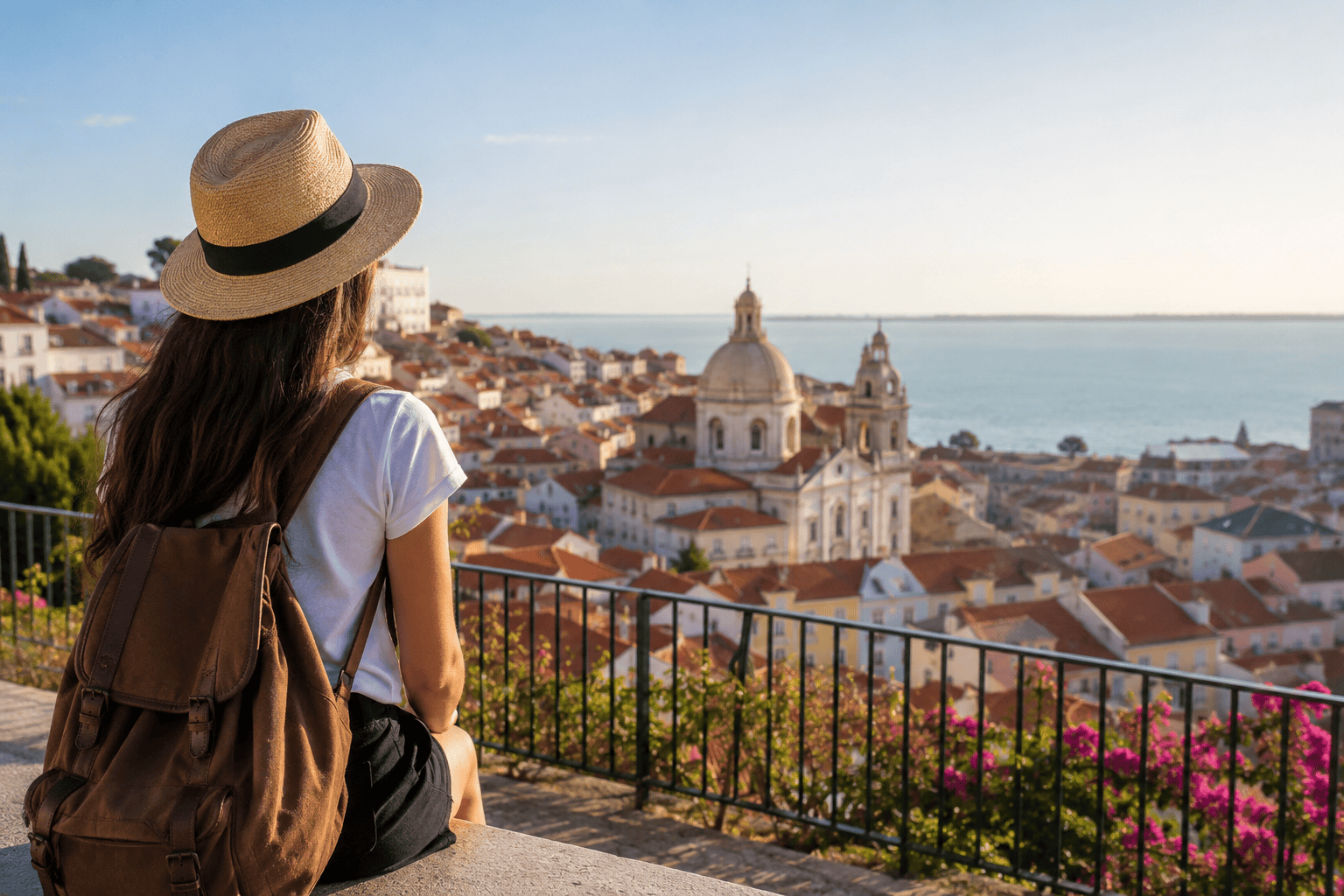
If this is your first independent trip, focus on destinations with reliable infrastructure, strong tourism services, and good public transportation.
Lisbon, Portugal
Affordable, social, and easy to navigate, Lisbon is ideal for first-time solo travelers. Benefits include a strong hostel scene, a welcoming atmosphere, and excellent day-trip opportunities.
Prague, Czech Republic
Prague combines beautiful architecture, relatively affordable costs, and excellent public transportation. Visiting during the shoulder season can help you avoid peak summer crowds.
Amsterdam, Netherlands
Amsterdam offers outstanding transportation, world-class museums, and excellent walkability. The primary drawback is higher accommodation costs compared with many other European cities.
Solo Travel Advice Europe Travelers Should Follow Before Departure
One of the most important pieces of solo travel advice Europe visitors can follow is to avoid overloading an itinerary. Rather than rushing through multiple countries in a short period, focus on one region and spend enough time in each destination to experience it properly.
- Stay at least 3 nights in most cities.
- Allow 4–5 nights in major capitals and cultural hubs.
- Build flexibility into your schedule for unexpected discoveries.
- Leave room for rest days between busy sightseeing periods.
Choose Transportation Carefully
Trains vs. Budget Flights
Trains are excellent for shorter routes, scenic journeys, and city-center convenience. Budget airlines can be more efficient for longer distances or when crossing multiple regions.
- Use trains for scenic and shorter journeys.
- Use flights when significant time savings are possible.
- Compare baggage fees before booking low-cost airlines.
Night Trains
Night trains can save travel time and accommodation costs, but comfort varies. Consider whether sleep quality and luggage security concerns outweigh the benefits.
Hostel Advice That Actually Matters
Choosing the cheapest hostel is not always the best value. Prioritize location, cleanliness, security, lockers, privacy features, and guest reviews.
- Central location near public transportation.
- Secure lockers and access controls.
- Common social spaces for meeting travelers.
- Ratings above 8.5 when possible.
Many experienced solo travelers combine hostel stays with occasional private rooms to avoid travel fatigue.
How to Meet People While Traveling Alone
Meeting people is often easier than expected. Social accommodations, walking tours, and local activities are among the most effective ways to connect with fellow travelers.
- Stay in social hostels or guesthouses.
- Join walking tours early in your stay.
- Attend local events and group activities.
- Take day trips with small groups.
- Do not feel pressured to socialize constantly.
Solo Dining in Europe
Europe is generally comfortable for solo dining. Outdoor cafés, food halls, markets, and counter seating make eating alone feel natural and enjoyable.
Cities frequently praised for solo dining include Lisbon, Rome, Paris, Copenhagen, and San Sebastián.
Safety Advice for Solo Travel in Europe
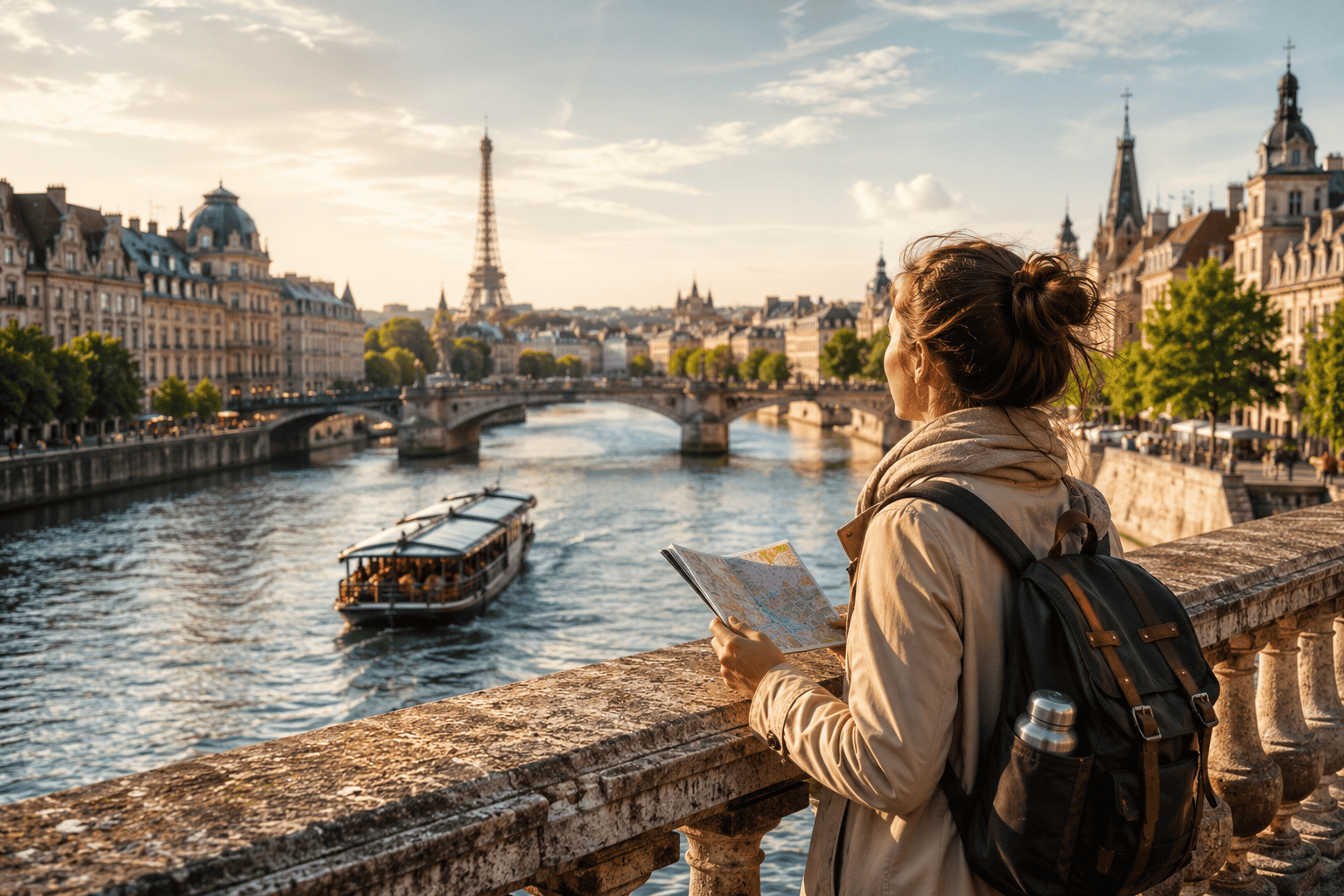
Most issues travelers encounter involve petty theft rather than violent crime. Staying alert in busy tourist areas is often the best defense.
- Keep phones and valuables secure.
- Use zipped pockets and bags.
- Back up important documents online.
- Carry a backup payment method.
- Plan routes before arriving at major transit hubs.
- Avoid displaying expensive valuables unnecessarily.
Budgeting for Solo Travel in Europe
Solo travelers usually spend more per person because accommodation and transportation costs are not shared.
| Travel Style | Eastern Europe | Western Europe |
|---|---|---|
| Budget Backpacker | €45–75/day | €70–120/day |
| Mid-Range Traveler | €100–160/day | €160–280/day |
| Comfort Travel | Varies | €300+/day |
These estimates generally include accommodation, local transportation, food, and attractions, but not international flights or major shopping expenses.
To save money, travel during shoulder seasons, book transportation early, and prioritize destinations that match your budget.
Packing Advice for Solo Travelers
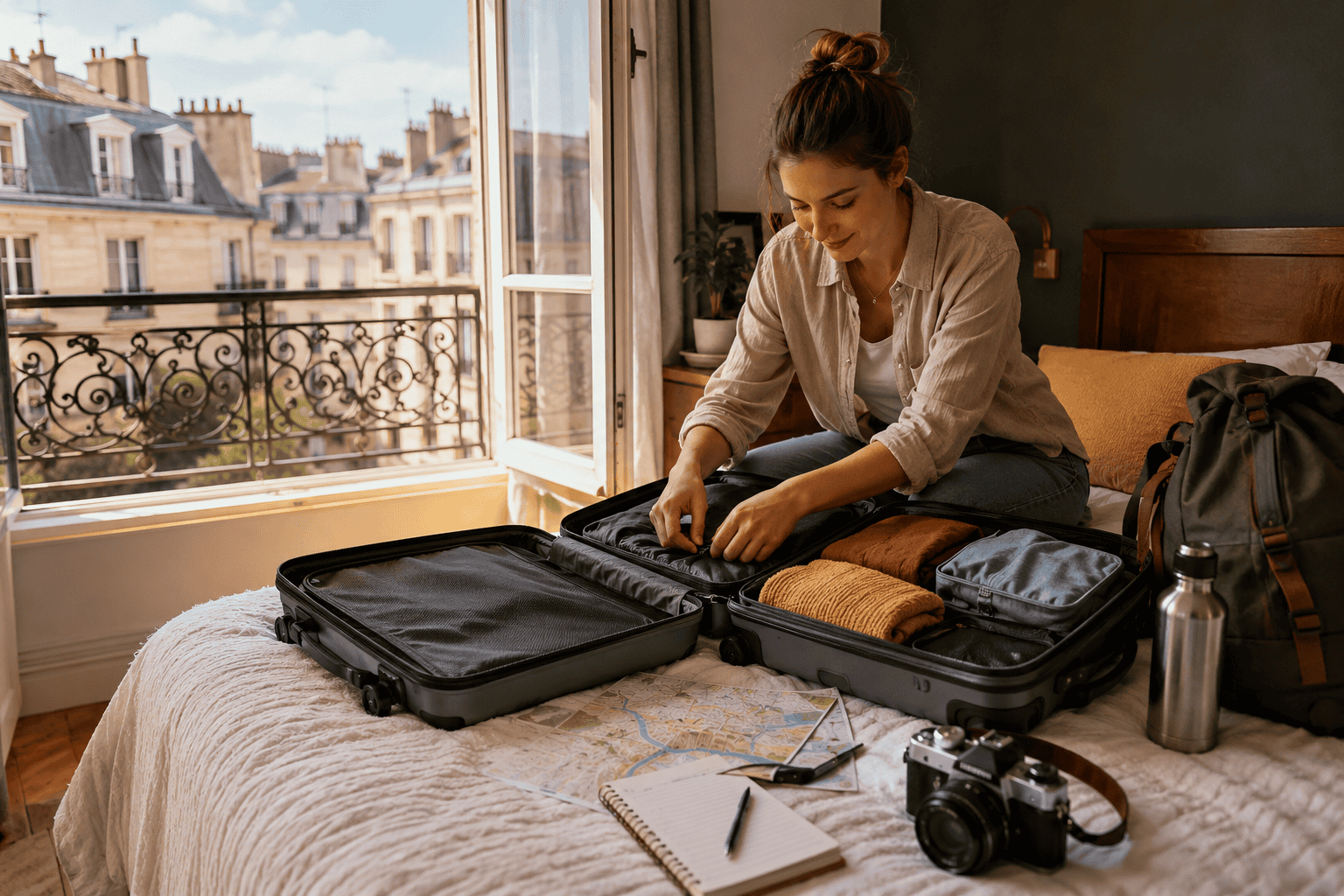
Travel lighter than you think you need. Europe often involves stairs, cobblestones, train stations, and compact accommodations.
- Carry-on backpack or compact suitcase.
- Small day bag.
- Comfortable walking shoes.
- Essential documents and backups.
Laundry facilities are widely available, making overpacking unnecessary.
Common Solo Travel Mistakes
- Overplanning every day.
- Booking everything last minute during peak season.
- Ignoring rest days.
- Trying to visit too many destinations.
- Packing more than necessary.
Leaving room for spontaneity often leads to the most memorable experiences.
Best Solo Travel Experiences in Europe
Popular solo travel experiences include scenic rail journeys, longer stays in a single city, food tours, walking tours, and exploring smaller towns that offer a slower pace than major capitals.
Solo Female Travel Advice in Europe
Europe is widely considered one of the safest regions for solo female travelers. Practical precautions still matter, including arriving during daylight when possible, staying in well-reviewed accommodations, and sharing travel plans with a trusted contact.
Research neighborhoods before booking accommodations and trust your instincts if a situation feels uncomfortable.
Is Solo Travel Lonely?
Occasional loneliness is normal, but many travelers discover that the freedom and independence of solo travel quickly outweigh temporary feelings of isolation. A balance of social activities and personal time usually creates the best experience.
Final Solo Travel Advice
Your first solo Europe trip does not need to be perfect. You may miss trains, overpack, or change plans unexpectedly. These experiences are part of learning how to travel independently.
Start smaller than you think, travel slower than planned, and pack lighter than feels comfortable. Europe rewards travelers who leave room for flexibility and discovery.
Following this solo travel advice Europe visitors rely on can help you stay safer, spend more wisely, and enjoy a more rewarding journey. Whether you choose Lisbon, Prague, Amsterdam, or another destination, thoughtful preparation and flexibility are often the keys to a successful solo adventure.
By Mara Vale for Eurly
Last verified: 2026-05-12
For broader trip-planning context, visit Wikivoyage travel resources.

Mara Vale
Mara Vale writes Eurly travel guides for first-time Europe visitors who want practical routes, realistic pacing, and fewer avoidable planning mistakes.
Eurly guides are written to help readers make confident travel decisions, but opening hours, ticket rules, transit disruptions, and local conditions can change. Always verify key reservations and official schedules before you travel.