

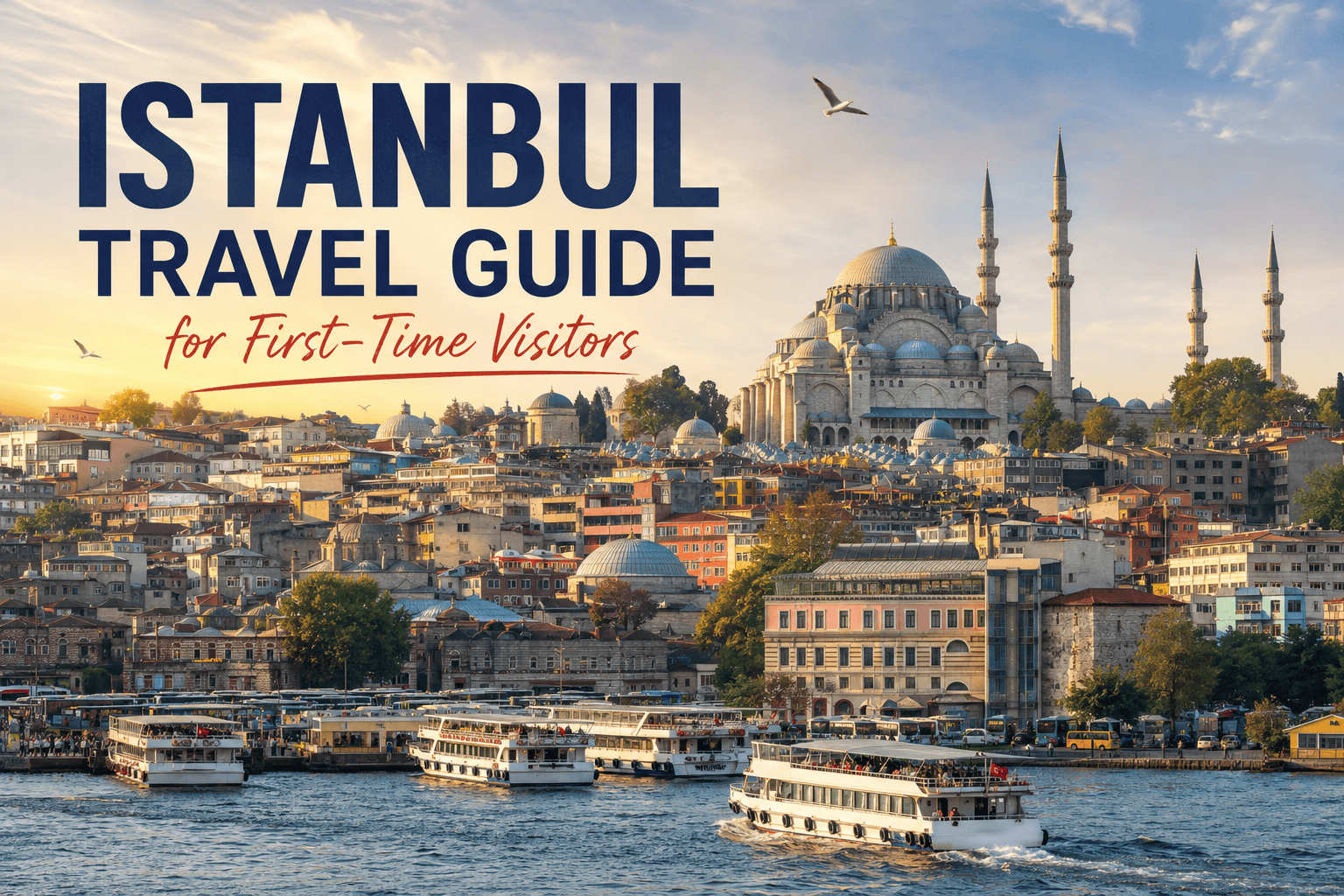
This istanbul travel guide for first time visitors covers the key decisions that make planning easier. Learn where to stay, how to get around, and what to expect before you arrive. Use these practical tips to enjoy a smoother, more stress-free trip.
For more on this part of the trip, also see our Istanbul Travel Guide for First-Time Visitors and Turkey and Istanbul Guide for First-Time Visitors.
If you’re planning a trip to Istanbul for the first time, the single most important thing to understand is scale. Istanbul is a city of around 16 million people spread across two continents. Traffic can consume hours, neighborhoods feel like separate cities, and the famous landmarks are only part of the experience.
Get the logistics right, and Istanbul becomes one of the most memorable cities you’ll visit. Get them wrong, and you’ll spend your trip stuck in traffic or long taxi queues.
Istanbul Travel Guide For First Time Visitors: Istanbul Travel Guide for First-Time Visitors: Why Istanbul Feels Different From Other European Cities
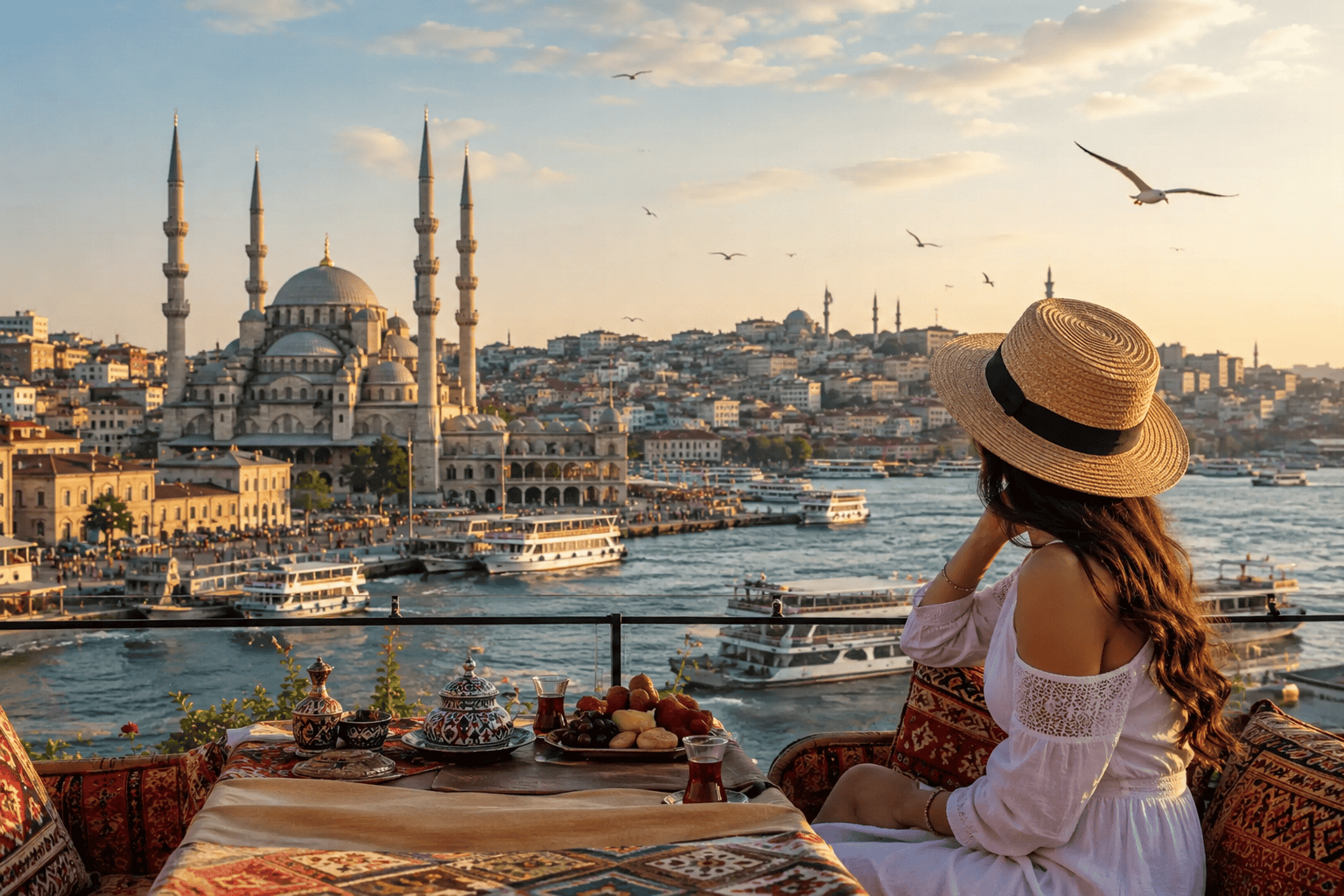
Istanbul straddles Europe and Asia, separated by the Bosphorus Strait, and that geography shapes everything about it. It is Turkey’s cultural and commercial heart, but it doesn’t behave like a conventional European capital. The city is deeply historical, affordable compared to Western Europe, and busy almost year-round, yet it moves to a different rhythm than cities like Paris or Lisbon.
For first-time visitors, the first 24 hours often feel disorienting. The key is choosing the right neighborhood base and resisting the urge to cross the city multiple times in a single day.
When Is the Best Time to Visit Istanbul?
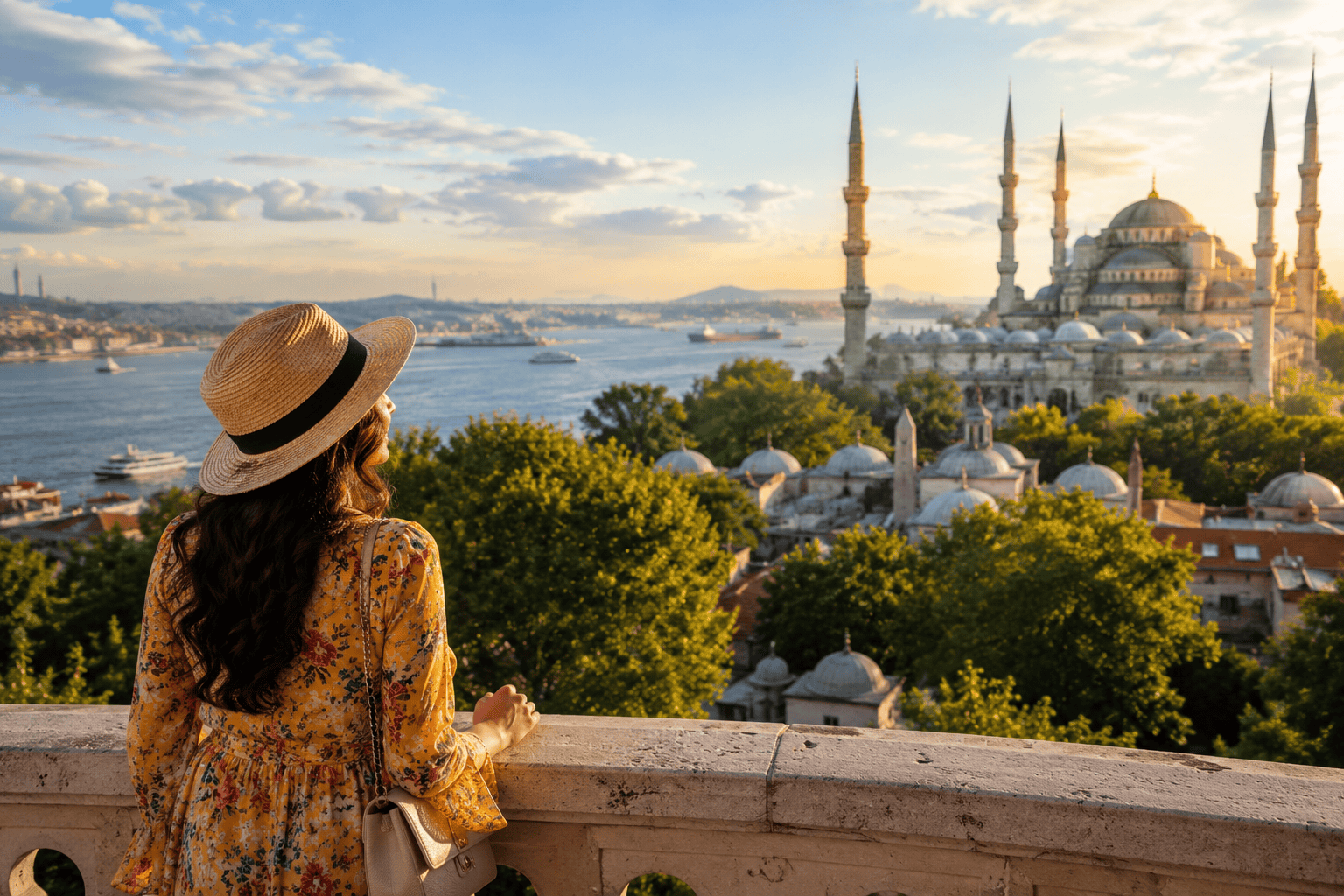
The best time to visit Istanbul is during the shoulder seasons: April to June and September to October. These months offer comfortable temperatures, manageable crowds, and better hotel prices than peak summer.
Spring (April–June)
Spring is Istanbul at its most pleasant. Temperatures sit in the mid-teens to low twenties Celsius, humidity is low, and sightseeing doesn’t become exhausting. April also brings the Istanbul Tulip Festival, when parks and public squares fill with colorful displays.
Ferry weather is reliable, outdoor cafés become lively again, and major attractions are busy without feeling overwhelming.
Summer (July–August)
Summer is hot and humid, with temperatures regularly exceeding 30°C. Hotel prices peak, queues at Hagia Sophia grow long by mid-morning, and rooftop bars become crowded. It’s still a workable time to visit for nightlife and Bosphorus cruises, but expect slower sightseeing days.
Autumn (September–October)
Autumn rivals spring as the ideal season for an Istanbul trip. September retains summer warmth while crowds begin thinning. October is cooler and especially good for walking tours, ferry rides, and food-focused travel.
Winter (December–February)
Winter is underrated for budget travelers. Hotel rates drop, queues shorten, and the city feels more local. Snow occasionally falls, adding atmosphere around the historic mosques and waterfronts.
While rooftop experiences are less appealing in winter, museums, bazaars, hammams, and food experiences remain excellent.
Best overall months: April, May, September, and October provide the best balance of weather, cost, and sightseeing conditions.
How Many Days Do You Need in Istanbul?
Most first-time visitors underestimate Istanbul and overestimate how much they can comfortably see in a day.
| Trip Length | What You Can Realistically Do |
|---|---|
| 3 Days | Historic Sultanahmet sights, one evening in Beyoğlu, and a Bosphorus ferry ride. |
| 4–5 Days | The ideal first trip. Includes the historic center, Galata, Karaköy, Kadıköy, and slower neighborhood exploration. |
| 7 Days | Add Balat, Fener, Princes’ Islands, hammams, museums, and unplanned exploration. |
A common mistake is treating Istanbul like a compact European city. It isn’t. Build transit time into every day and avoid planning more than two or three major attractions daily.
A Practical First-Time Istanbul Itinerary
Day 1 — Sultanahmet: Visit Hagia Sophia early, then explore the Blue Mosque, Basilica Cistern, and Grand Bazaar.
Day 2 — Galata and Beyoğlu: Explore Galata Tower, Karaköy cafés, Istiklal Street, and rooftop bars.
Day 3 — Bosphorus and Kadıköy: Take a ferry to the Asian side, visit Kadıköy Market and Moda, then return at sunset.
Days 4–5 — Slower Exploration: Visit Balat, Fener, Istanbul Modern, local hammams, and neighborhood restaurants.
Where Should First-Time Visitors Stay in Istanbul?
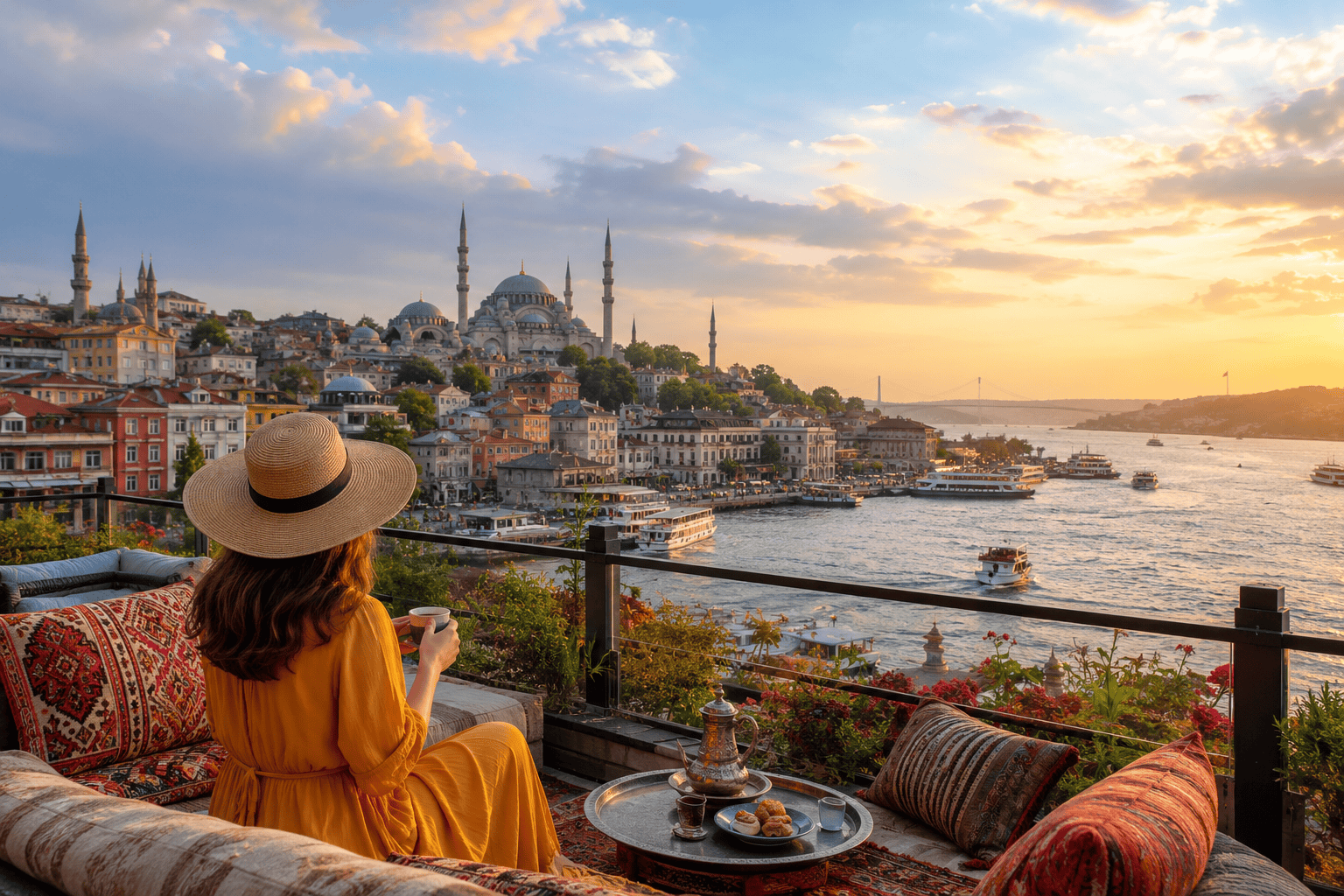
Choosing the right area to stay in Istanbul matters more than in many European cities. Traffic and transit times can easily consume hours each day.
Sultanahmet — Best for Historic Sightseeing
Sultanahmet is ideal for short stays focused on Istanbul’s historic landmarks. Hagia Sophia, the Blue Mosque, Basilica Cistern, and Grand Bazaar are all walkable.
The downside is that evenings can feel quiet and tourist-heavy compared to other neighborhoods.
Karaköy — Best Overall Base
Karaköy balances location, atmosphere, and transport access. It offers easy tram and ferry connections while also giving access to Istanbul’s modern café, restaurant, and boutique hotel scene.
Beyoğlu and Galata — Best for Nightlife
Galata and Beyoğlu are ideal for travelers prioritizing restaurants, bars, and nightlife. Expect steep hills, lively evenings, and plenty of character.
Kadıköy — Best for a Local Experience
Kadıköy feels more residential and less tourist-oriented. It works best as a day-trip destination on a first visit rather than a base for sightseeing.
| Neighborhood | Best For | Main Drawback |
|---|---|---|
| Sultanahmet | Historic sightseeing | Quiet nightlife |
| Karaköy | Balanced first-time stay | Busier atmosphere |
| Beyoğlu / Galata | Restaurants and nightlife | Steep streets and noise |
| Kadıköy | Local experience | Longer sightseeing commute |
Recommendation: Stay in Sultanahmet for short history-focused trips and Karaköy for longer, more balanced stays.
Getting Around Istanbul
Buy an Istanbulkart Immediately
The Istanbulkart is a reloadable transport card valid on metros, trams, buses, ferries, and funiculars. Buy one at the airport or major transit stations to simplify travel and reduce costs.
For journey planning, use the IETT official journey planner.
Use Ferries Whenever Possible
Ferries are one of Istanbul’s best transport experiences. They are affordable, scenic, and avoid road traffic completely.
The Eminönü to Kadıköy route is especially useful for first-time visitors.
Avoid Street Taxis
Taxis in Istanbul are known for tourist overcharging and route inflation. Use apps like BiTaksi or inDrive instead, or rely on the tram and metro system whenever possible.
Istanbul Budget Guide
Istanbul remains more affordable than most Western European capitals, although prices fluctuate frequently due to inflation.
| Budget Level | Estimated Daily Cost | What It Covers |
|---|---|---|
| Budget | €40–70 | Hostels, street food, public transport, basic sightseeing. |
| Mid-Range | €100–180 | Boutique hotels, restaurant meals, ferries, museums, occasional ride-shares. |
| Comfortable | €250+ | Luxury hotels, fine dining, private transfers, premium experiences. |
Major attractions such as Hagia Sophia, Topkapı Palace, and Basilica Cistern can significantly increase sightseeing costs. Check current ticket pricing through the Turkish National Museums portal.
What to Eat in Istanbul
Istanbul’s food scene extends far beyond kebabs and rewards travelers who explore local neighborhoods.
A traditional Turkish breakfast, known as kahvaltı, includes cheeses, olives, eggs, bread, tomatoes, honey, and tea. Kadıköy and Karaköy are particularly good neighborhoods for breakfast culture.
Other foods worth trying include:
- Simit — sesame-crusted bread rings sold from street carts.
- Balık ekmek — grilled fish sandwiches near the Galata Bridge.
- Lahmacun — thin flatbread topped with spiced meat.
- Menemen — scrambled eggs cooked with peppers and tomatoes.
- Baklava — best bought from dedicated pastry shops rather than tourist stalls.
For broader food inspiration, the Go Türkiye tourism site provides useful regional food overviews.
Common Mistakes to Avoid in Istanbul
- Planning too many attractions daily. Istanbul’s distances are larger than most visitors expect.
- Ignoring ferries. They are often faster, cheaper, and more memorable than taxis.
- Booking accommodation far from transport. Cheap hotels outside central areas often create expensive daily commutes.
- Wearing uncomfortable shoes. Hills and cobbled streets are common in Galata, Cihangir, and Beyoğlu.
- Only visiting Sultanahmet. Modern Istanbul’s energy is found in neighborhoods like Karaköy, Beşiktaş, and Kadıköy.
Is Istanbul Safe for First-Time Visitors?
Istanbul is generally safe for tourists, especially in central neighborhoods. The most common issues are practical rather than dangerous: taxi scams, inflated restaurant pricing near tourist landmarks, and occasional pickpocketing in crowded areas.
Basic precautions are usually enough:
- Keep valuables secure in crowded areas.
- Use ride-hailing apps instead of street taxis.
- Check restaurant prices before ordering.
- Carry small amounts of cash for markets and street food.
Solo travelers, including solo women travelers, visit Istanbul regularly without significant issues.
Planning a Trip to Istanbul: Quick Checklist
Before You Travel
- Book accommodation in Sultanahmet, Karaköy, or Galata.
- Reserve Hagia Sophia tickets in advance if required.
- Download offline maps.
- Check Turkish visa requirements.
- Pack modest clothing for mosque visits.
- Arrange travel insurance.
On Arrival
- Buy an Istanbulkart at the airport.
- Use the Havaist bus or metro instead of airport taxis.
- Locate the nearest tram or metro station to your hotel.
FAQ: Istanbul for First-Time Visitors
When is the best time to visit Istanbul?
April to June and September to October provide the best weather and sightseeing conditions for most travelers.
How many days do you need in Istanbul?
Four to five days is ideal for a first trip, while three days is enough for a shorter highlights-focused visit.
What is the best area to stay in Istanbul?
Sultanahmet is best for historic sightseeing, while Karaköy offers the best balance of convenience and atmosphere.
Is Istanbul expensive?
Istanbul is generally more affordable than Western European capitals, although costs have risen in recent years.
Do you need cash in Istanbul?
Yes. Cards are widely accepted, but cash remains useful for markets, small cafés, and street food.
Is Istanbul safe for solo travelers?
Yes. Central tourist areas are generally safe with normal city precautions.
Last verified: May 2025
For more destination comparisons and trip ideas, browse more travel guides on this site.

Mara Vale
Mara Vale writes Eurly travel guides for first-time Europe visitors who want practical routes, realistic pacing, and fewer avoidable planning mistakes.
Eurly guides are written to help readers make confident travel decisions, but opening hours, ticket rules, transit disruptions, and local conditions can change. Always verify key reservations and official schedules before you travel.