Itinerary for Iceland: 7–10 Day Ring Road Route

Itinerary for Iceland: 7–10 Day Ring Road Route

Post Type: post

An itinerary for Iceland works best when it balances iconic sights with realistic driving times. Distances may look short on the map, but changing weather, gravel roads, and frequent scenic stops can quickly slow the journey. A thoughtful plan helps you enjoy waterfalls, glacier lagoons, and coastal villages without feeling rushed.

This guide covers everything that shapes a first visit: how long to stay, where to sleep, what to cut when time is tight, seasonal trade-offs, and a day-by-day route that holds up on the ground. Whether you have a week or ten days, the structure below gives you a strong introduction to Iceland’s landscapes without turning the whole thing into a checklist sprint.


Quick Planning Facts

  • Recommended duration: 7–10 days
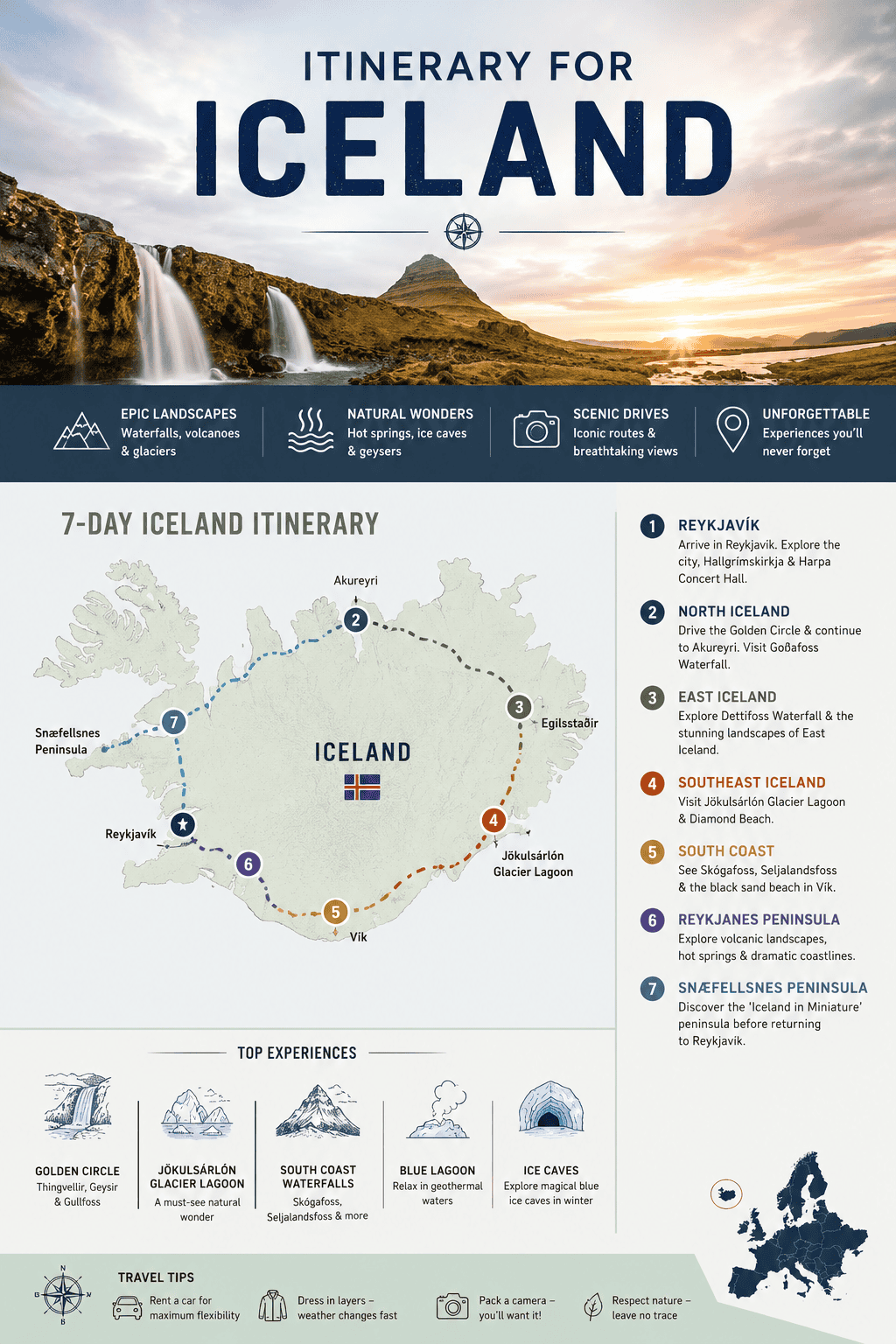
  • Main route: Reykjavík → South Coast → East Iceland → North Iceland → Reykjavík
  • Transport: Self-drive rental car (essential outside Reykjavík)
  • Best seasons: May–September for the Ring Road; October–March for northern lights and ice caves
  • Budget range: €120–500+ per person per day depending on travel style
  • Fly into: Keflavík International Airport (KEF), 50 km from Reykjavík

iceland 7 day travel itinerary infographic map guide

When to Visit Iceland

Summer (June–August)

Long daylight hours — including the midnight sun in June — make summer ideal for Ring Road driving, hiking, and spotting puffins along the coast. Accommodation books out months in advance and prices peak. If you are planning a summer trip, lock in your car rental and guesthouses well ahead.

Shoulder Season (May and September)

For most first-time visitors, shoulder season is the sweet spot. Crowds thin out, accommodation costs drop noticeably, and September offers a real chance of catching the northern lights. Weather is changeable but manageable, and most roads are open.

Winter (October–March)

Winter delivers northern lights, dramatic snowy landscapes, and guided ice cave tours inside Vatnajökull. The trade-off is short daylight windows, possible road closures, and more demanding driving conditions. Winter trips reward experience and flexibility more than rigid day plans.


How Many Days Do You Need?

5 days: Enough for Reykjavík, the Golden Circle, and the South Coast as far as Vík. Tight but doable.

7 days: The practical minimum for a proper Ring Road experience covering the South Coast, East Iceland, and the north before looping back.

10 days: The most comfortable option. Room for the full Ring Road plus an extension to Snæfellsnes Peninsula or the Westfjords, and breathing space for weather delays.

For a first trip, 7–10 days is the realistic sweet spot. Anything shorter starts cutting the parts that make Iceland feel worth the cost.


Do You Need a Rental Car?

For this itinerary: yes, without question. Public transport is limited once you leave Reykjavík, and joining separate guided tours for each stop quickly becomes both expensive and inflexible. A self-drive rental gives you control over timing and lets you stop wherever the landscape demands it.

A compact SUV is the most practical choice — comfortable on long days, affordable compared to a full 4WD, and capable on most paved roads. Note that some highland and Westfjords tracks require a true 4WD with high clearance; this itinerary sticks to roads accessible to a standard SUV.

Key Driving Notes

  • Wind and gravel protection insurance is worth adding — cracked windshields and sand damage are common claims
  • Fuel stations thin out significantly in remote stretches; fill up whenever you are below half a tank
  • Sheep wander freely onto roads in summer — slow down on rural sections
  • Weather updates are essential before any long drive; the Icelandic Met Office app (Veður) is the standard reference
  • F-roads (highland tracks) are closed to standard rental cars and legally off-limits; your rental agreement will exclude them

7-Day Itinerary for Iceland

Day 1 — Arrive in Reykjavík

Overnight: Reykjavík

Most transatlantic flights land at Keflavík in the early morning. The drive to Reykjavík takes around 45 minutes. Resist any urge to immediately pile back into a car for sightseeing if you barely slept — jet lag hits harder than expected, and Iceland’s landscapes deserve your full attention.

Use the first day to settle in. Walk the compact downtown area: Hallgrímskirkja church anchors the skyline and the view from its tower is worth the small entry fee. The Old Harbour, Harpa Concert Hall, and the Sun Voyager sculpture along the waterfront are all walkable from the centre.

Many visitors plan the Blue Lagoon for arrival day because it sits between the airport and the city. It is genuinely impressive but expensive and heavily booked. Two alternatives that often suit first-timers better:

  • Sky Lagoon — oceanfront geothermal pool on the edge of Reykjavík, easier to book last-minute
  • Hvammsvík Hot Springs — quieter, tidal pools, about 45 minutes from the city

Approximate daily costs (per person):

  • Mid-range hotel: €150–280
  • Meals: €50–90
  • Lagoon entry: €60–120

Mistake to avoid: Overloading Day 1. You will have more energy for everything else if you treat arrival day as a slow introduction rather than a compressed sightseeing sprint.

Day 2 — The Golden Circle

Overnight: Selfoss or Hella
Driving time: 3–4 hours total without stops

The Golden Circle is Iceland’s most-visited day route, and with good reason — it packs three landmark sites into a manageable loop east of Reykjavík. Leaving by 8am gets you ahead of the tour buses that converge from mid-morning onward.

Þingvellir National Park is a UNESCO World Heritage Site where the North American and Eurasian tectonic plates drift visibly apart. Walk the Almannagjá gorge trail for the best sense of the rift. The site also carries enormous historical weight as the location of Iceland’s original parliament, founded in 930 AD.

Geysir Geothermal Area contains the original geyser that gave every geyser its name. Strokkur, nearby, erupts every few minutes and makes for reliable photography. Give it 30–45 minutes.

Gullfoss is one of Iceland’s most powerful waterfalls, funnelling into a two-tiered canyon. Impressive even in grey weather — visit the upper and lower viewing platforms.

Optional additions worth the detour if time allows: Kerið volcanic crater (small entry fee), the Secret Lagoon natural hot spring near Flúðir, and Friðheimar — a tomato farm and restaurant that serves soup and tomato-based dishes in a working greenhouse, which sounds gimmicky but is genuinely enjoyable.

Day 3 — South Coast Waterfalls and Black Sand Beach

Overnight: Vík or Kirkjubæjarklaustur
Driving time: 4–5 hours including stops

The South Coast is one of Iceland’s most visually dramatic stretches — and also one of the busiest. Start early and move in order rather than doubling back.

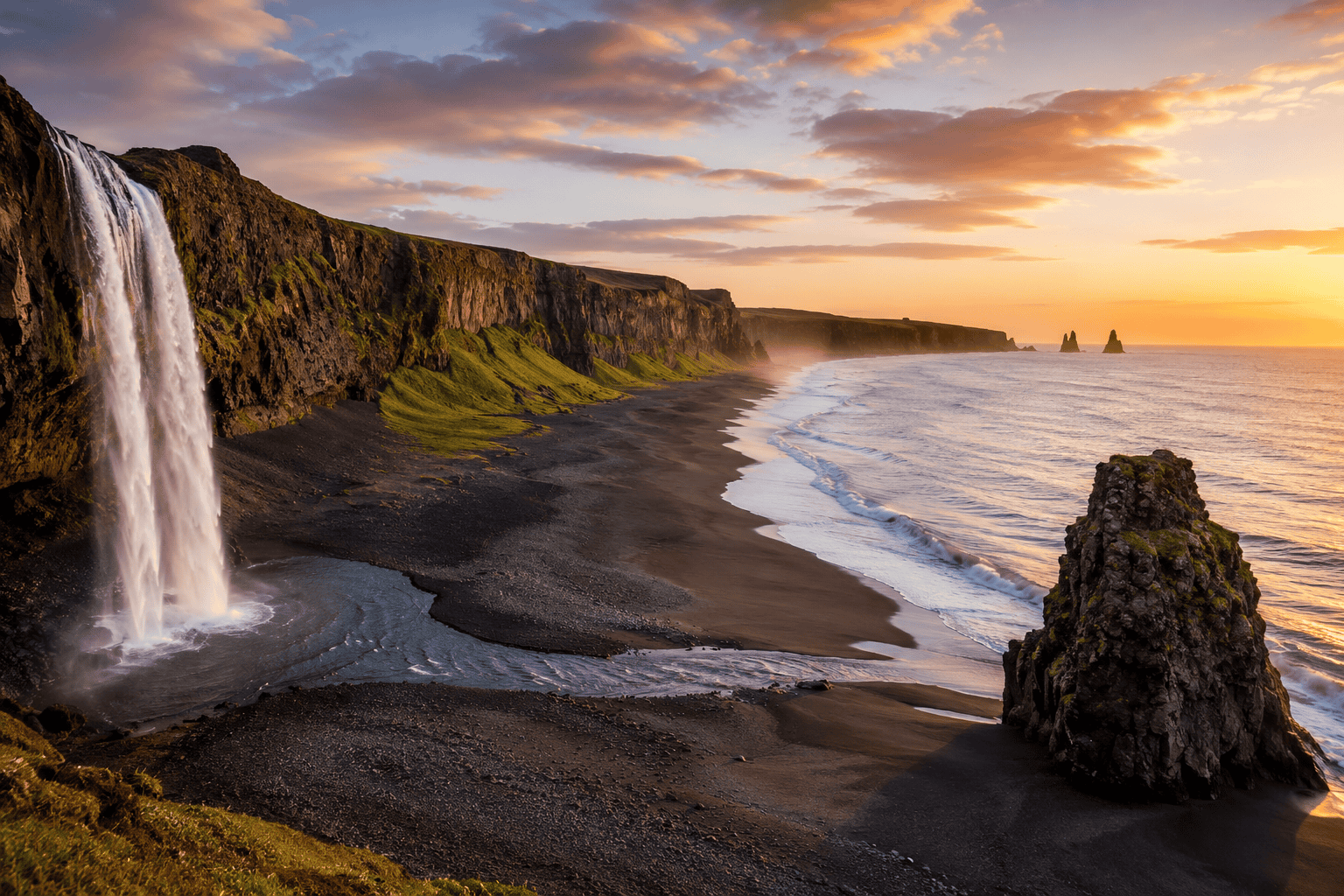
Seljalandsfoss is the waterfall with a path behind the curtain of water. Bring full waterproof layers — the mist soaks you quickly. Nearby Gljúfrabúi is a hidden waterfall inside a canyon slot that most visitors walk past; it is 200 metres further along the path and worth the extra five minutes.

Skógafoss is wider and more powerful. Climb the staircase beside it for an elevated view across the coastal plain. A multi-day hiking trail, Fimmvörðuháls, begins here.

Sólheimajökull glacier is accessible with a short walk and offers a striking view of glacial recession visible from the marked viewing area. Guided glacier walks depart from here if booked in advance — recommended for anyone wanting to actually step onto ice.

Reynisfjara black sand beach near Vík is one of Iceland’s most photographed spots — basalt columns, sea stacks, and dramatic Atlantic swells. It is also genuinely dangerous. Sneaker waves strike without warning from calm-looking water. Stay well back from the surf line, and watch the water constantly if you are near the edge.

The Dyrhólaey promontory viewpoint, a short detour from the main road, overlooks the arch and offers puffin sightings in summer (June–August).

Mistake to avoid: Stacking glacier hiking, horseback riding, and every waterfall into a single day. Pick two or three anchors and let the driving fill the gaps naturally.

Day 4 — Vatnajökull and the Glacier Lagoon

Overnight: Höfn
Driving time: 4–5 hours with stops

The landscape shifts east of Vík — flatter, emptier, and increasingly cinematic as Vatnajökull (Europe’s largest glacier by volume) comes into view.

Fjaðrárgljúfur Canyon is a short detour off the Ring Road and gives good views into a serpentine canyon from the rim trail above. Thirty minutes is enough.

Skaftafell, within Vatnajökull National Park, is an excellent hiking area. The trail to Svartifoss (around 5 km return, moderate) leads to a waterfall framed by basalt columns that famously inspired the design of Hallgrímskirkja. The park visitor centre has maps and updated trail conditions.

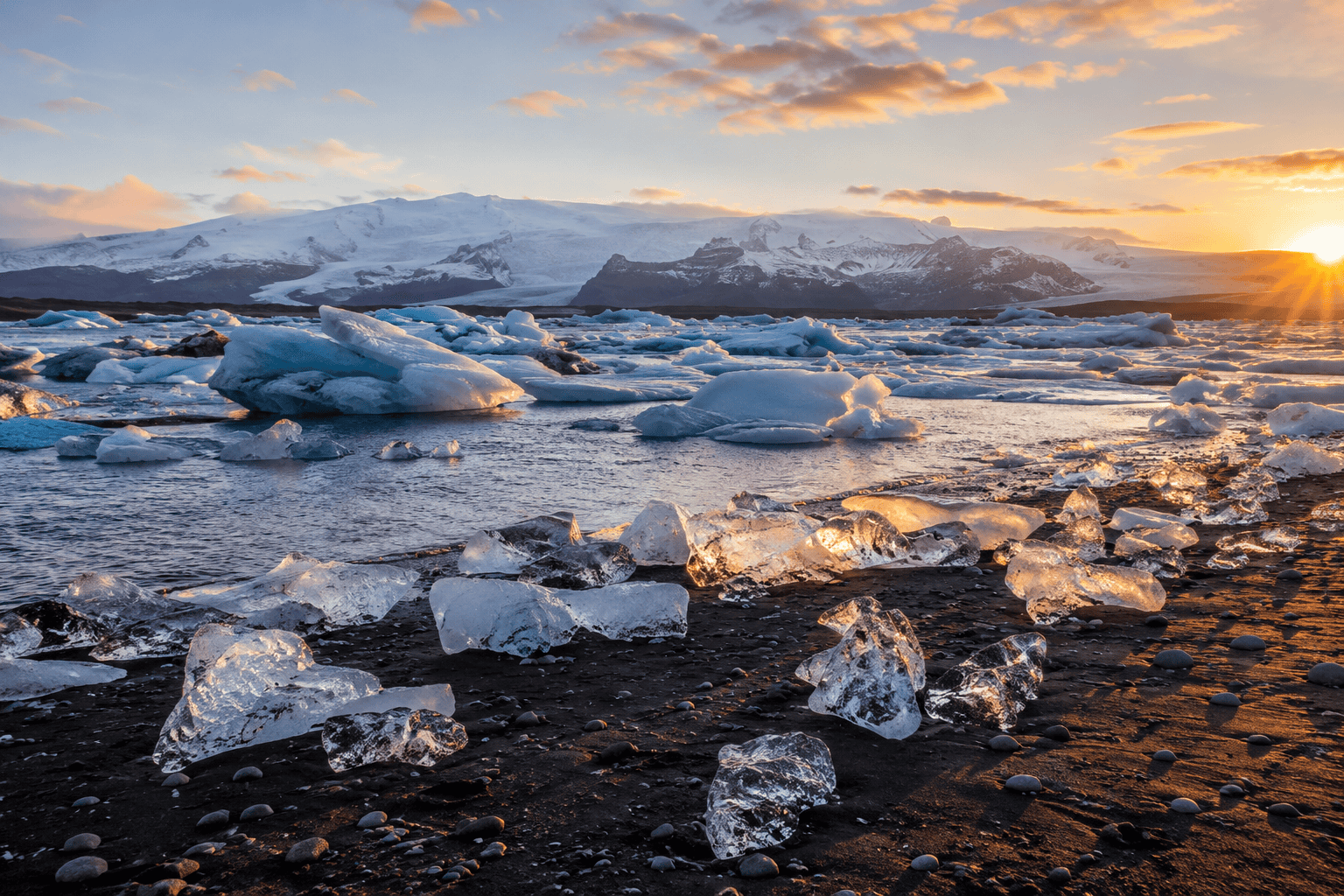
Jökulsárlón glacier lagoon is Iceland’s signature experience outside the south coast. Icebergs calve off Breiðamerkurjökull glacier and drift through the lagoon toward the sea. Spend genuine time here rather than photographing from the roadside and driving on — the light changes constantly and the scale becomes more apparent the longer you stay. Amphibious boat tours (€45–100 per person) give you closer access to the icebergs and are worth booking ahead in summer.

Diamond Beach, metres away across the road bridge, is where glacier ice washes ashore on black sand. Visit both sites — they are inseparable.

Day 5 — East Iceland

Overnight: Egilsstaðir or Seyðisfjörður
Driving time: 5–6 hours

East Iceland is the quietest section of the Ring Road and often the most underappreciated. There are no landmark waterfalls here — the reward is atmosphere: deep fjords, fishing villages, mountain roads, and stretches where you will barely see another vehicle.

Seyðisfjörður, reached via a winding mountain pass from Egilsstaðir, is one of Iceland’s most attractive small towns — a cluster of wooden coloured buildings at the head of a fjord, surrounded by waterfalls on three sides. If the pass road (Route 93) is clear, spend the night here rather than in Egilsstaðir. The change of scale after the Ring Road is worth it.

This is a good recovery day after several intense sightseeing stretches. Drive slowly, stop when something looks interesting, and do not manufacture a highlight reel where none was planned.

Day 6 — Lake Mývatn and the Northern Volcanic Belt

Overnight: Mývatn area or Akureyri
Driving time: 3–4 hours

North Iceland introduces a completely different geological register from the south — active volcanic fields, steaming vents, and lava formations rather than glaciers and black sand.

Dettifoss, reachable via Route 862 or 864 depending on season, is Europe’s most powerful waterfall by volume. Road conditions on the eastern approach vary by season — check the Vegagerðin road conditions site before driving. Allow 30–45 minutes at the falls themselves.

Hverir geothermal area near Námafjall has bubbling mud pools, fumaroles, and sulphur vents across an exposed hillside. The smell is sharp. The landscape feels genuinely otherworldly.

Lake Mývatn is surrounded by lava formations, pseudocraters, and excellent birdlife — particularly ducks, which gather here in numbers unusual for Iceland. Mývatn Nature Baths nearby offer geothermal soaking in a much quieter setting than the Blue Lagoon, and at lower cost.

Day 7 — Akureyri and the Drive Back to Reykjavík

Overnight: Reykjavík
Driving time: 5–6 hours

This is the longest driving day of the seven. Plan for an early start, and do not leave Akureyri later than mid-morning if you want time for stops.

Akureyri is Iceland’s largest town outside the capital, but it feels closer to a relaxed regional centre than an urban destination. The botanical garden and the main shopping street are pleasant for a short morning walk. The town’s Christmas-themed decorations year-round are a local quirk.

Goðafoss sits directly off the Ring Road about 50 km east of Akureyri. It is one of the most convenient waterfall stops of the entire route and is historically significant — Icelandic tradition holds that a local chieftain threw his Norse idols into the falls after Iceland adopted Christianity in 1000 AD. Allow 30–45 minutes.

The drive south from Akureyri follows the Kjalarnes route and passes through several tunnel sections through the interior mountains. Arrive back in Reykjavík by early evening, leaving time for a final meal out.


Extending to a 10-Day Itinerary for Iceland

Three days of extra time are best used as extensions rather than padding the existing route with more driving.

Option 1: Snæfellsnes Peninsula (Most Recommended)

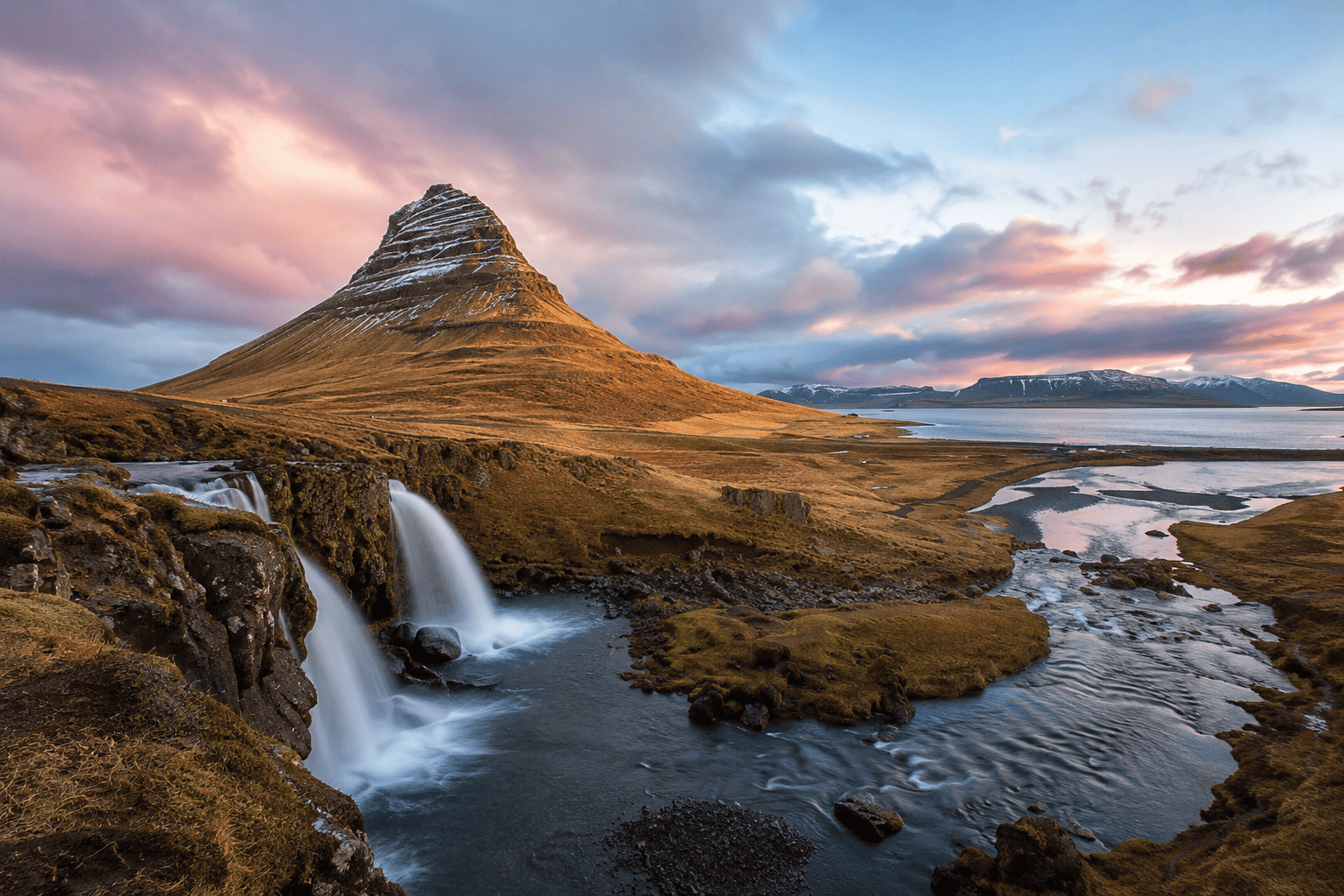
Add 2 days, accessible as a loop from Reykjavík before or after the main Ring Road route. The peninsula is often described as “Iceland in miniature” — it compresses lava fields, coastal cliffs, a glacier-capped volcano, fishing villages, and black churches into a 90 km stretch. Kirkjufell mountain, Arnarstapi coastal cliffs, and the Snæfellsjökull glacier are the main anchors. This is the extension most likely to justify the extra days for first-time visitors.

Option 2: The Westfjords

Add 3–4 days minimum. The Westfjords are remote, slow to drive, and heavily gravel-roaded — the least accessible region in Iceland for self-drivers. The payoff is outstanding: deserted fjords, one of Europe’s largest puffin colonies at Látrabjarg, and almost no other tourists outside July. Best suited to travelers who have already seen the main highlights and want something genuinely off the beaten track.

Option 3: Slower South Coast

Add 1–2 days to the south coast stretch rather than rushing it. Hikers especially benefit — trails around Þórsmörk valley and the Fimmvörðuháls ridge require a full day each and are among Iceland’s most rewarding walks. A slower south coast often produces a more satisfying trip than racing the full Ring Road on a tight schedule.


Realistic Iceland Budget

Iceland is consistently one of Europe’s most expensive destinations. The figures below reflect realistic daily costs per person, including accommodation, food, a rental car split between two travelers, and activities.

Budget traveler — €120–180 per day

  • Guesthouses or hostels with shared bathrooms
  • Grocery store meals and self-catering where possible
  • Free natural sights (most waterfalls and beaches have no entry fee)

Mid-range traveler — €250–400 per day

  • En-suite guesthouses or basic hotels
  • Rental car (compact SUV, split between two)
  • Restaurant meals 1–2 times per day
  • One or two paid activities per week (boat tour, glacier walk)

Higher-end traveler — €500+ per day

  • Boutique hotels and design guesthouses
  • Guided excursions
  • Restaurant meals throughout

Biggest costs to plan for:

  • Accommodation (especially in summer)
  • Rental car including insurance
  • Fuel (petrol prices are significantly higher than Western European averages)
  • Restaurant meals (a simple lunch easily reaches €25–35 per person)

Buying groceries at Bónus or Krónan supermarkets for breakfast and packed lunches is the single most effective way to reduce daily spend without sacrificing anything meaningful about the trip.


What to Pack for Iceland

Icelandic weather changes at any time of year — a clear morning can become a horizontal rain shower by noon. Pack for all conditions regardless of season.

  • Waterproof jacket (hardshell, not just water-resistant)
  • Waterproof over-trousers
  • Insulating mid-layer (fleece or down)
  • Moisture-wicking base layers
  • Sturdy waterproof hiking shoes or boots
  • Swimsuit (for geothermal pools — you will use it)
  • Sunscreen (UV exposure is higher than expected in summer, even in overcast conditions)
  • Portable charger (long drives between towns mean limited charging windows)

Skip the umbrella. Wind in Iceland renders them useless almost immediately.


Common Mistakes on a First Iceland Trip

Underestimating driving times. You will stop constantly — for waterfalls, roadside views, sheep on the road, and light that changes too fast to ignore. Build buffer into every day.

Booking too late. Summer accommodation — especially anything outside Reykjavík — can sell out four to six months in advance. Car rentals go even faster. Book both as soon as your dates are confirmed.

Ignoring weather alerts. The Icelandic Met Office issues colour-coded road and weather warnings that are taken seriously locally. Orange and red alerts mean do not drive. Check Veður daily.

Trying to cover too much ground. Iceland consistently rewards slower travel. A day spent properly at Jökulsárlón or hiking in Skaftafell is more memorable than covering four more stops at motorway pace.

Eating every meal at restaurants. Restaurant food in Iceland is good but expensive. A supermarket run every two or three days has an outsized impact on the total trip cost.


Is the Ring Road Worth Doing?

For most travelers with seven or more days and a genuine interest in Iceland’s landscapes: yes. The Ring Road (Route 1) circles the entire island and connects every major region — it is one of the great self-drive routes anywhere in Europe.

For travelers with four or five days: no. Rushing the full loop at that pace produces highway fatigue rather than proper engagement with any one place. Focus on the South Coast, the Golden Circle, and Reykjavík instead — that combination is more satisfying than a superficial loop of the whole island.


Frequently Asked Questions

How far in advance should I book accommodation for Iceland?

For June, July, and August, book at least three to four months ahead — ideally six. Guesthouses in smaller towns like Höfn, Vík, and Egilsstaðir have limited capacity and fill quickly. Car rentals in summer should be booked even earlier. Shoulder season (May and September) gives more flexibility, but popular spots still sell out on weekends.

Can I visit Iceland without renting a car?

You can see Reykjavík and the Golden Circle by bus or guided day tour from the capital. Beyond that, independent travel without a car becomes slow and expensive. Most of the Ring Road highlights are not served by scheduled public transport, and combining individual guided excursions quickly costs more than a rental car would have. Self-driving is strongly recommended for this itinerary.

What currency is used in Iceland, and can I pay by card everywhere?

Iceland uses the Icelandic króna (ISK). Card payment is accepted almost universally — including at remote fuel stations and small guesthouses. There is rarely a need for cash, though having a small amount for the occasional farm stall or rural honesty box is useful. Let your bank know you are travelling before departure to avoid transaction blocks.

Is Iceland safe for solo travelers?

Iceland has a very low crime rate and is consistently ranked among the safest countries in the world for solo travel. The main safety considerations are environmental rather than social: weather, fast-changing road conditions, dangerous coastal surf (particularly at Reynisfjara), and glacial terrain. Solo drivers should always tell someone their daily route, check weather forecasts each morning, and avoid F-roads without appropriate equipment and experience.

When is the best time to see the northern lights in Iceland?

The northern lights require darkness and clear skies. That means the viewing season runs from late August through March, when nights are long enough to provide a dark window. September and October are popular for combining reasonable weather with good aurora chances. Winter months (November–February) have the longest dark windows but also the most unpredictable weather. The Icelandic Met Office aurora forecast, available through the Veður app, gives a three-day prediction and is the most reliable planning tool available.

Do I need travel insurance for Iceland?

Travel insurance is strongly recommended. Iceland’s rescue services (ICE-SAR) do not charge for search and rescue operations, but medical treatment and medical evacuation can be expensive without coverage. Make sure your policy covers outdoor activities including glacier walks and hiking if you plan to do either. Check whether your rental car insurance covers all the scenarios you are likely to encounter — particularly gravel damage and single-vehicle incidents on rural roads.


Useful Official Links

By Mara Vale for Eurly

Last verified: May 2025

Leave a Comment

Your email address will not be published. Required fields are marked *

Scroll to Top