

London with kids is easier to plan than many families expect. The city combines free museums, spacious parks, reliable public transport, and family-friendly attractions. With a realistic itinerary and a central base, families with toddlers, school-age children, and teenagers can all enjoy a memorable visit.
Although London is very family-friendly, busy Tube stations, stairs, and the cost of popular attractions can create challenges. This guide explains where to stay, how much to budget, the best attractions for children, and how to plan enjoyable family sightseeing days.
Where to Stay with Kids in London
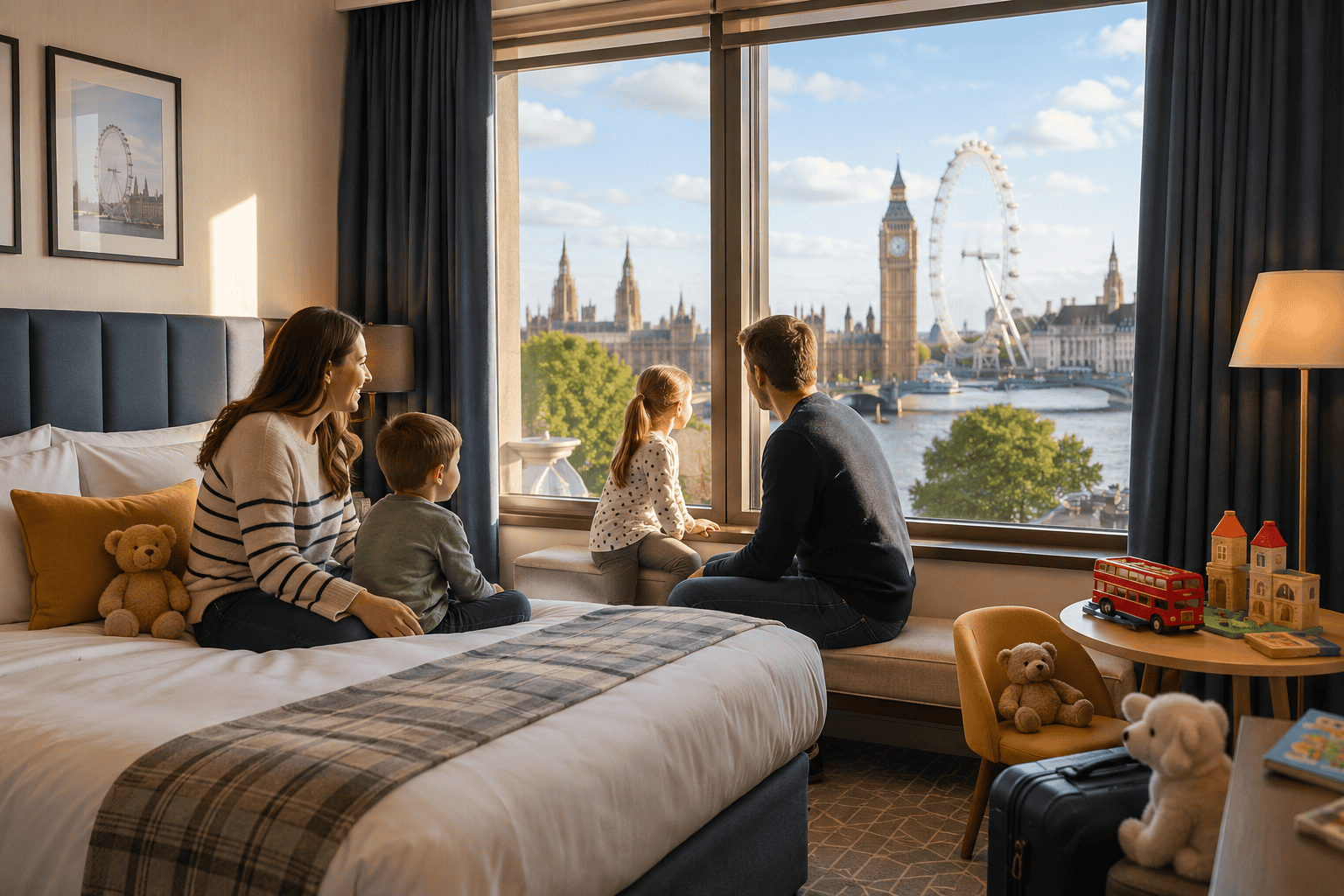
Choosing the right location is often more important than choosing a larger hotel. Staying close to the attractions you plan to visit reduces travel time and makes sightseeing much easier with children.
- South Kensington: Excellent for first-time family visits thanks to the Natural History Museum, Science Museum, V&A Museum, and Hyde Park.
- Southwark and Borough: Great value with easy access to the South Bank, Borough Market, Tate Modern, and riverside walks.
- Kensington and Notting Hill: Quiet residential neighbourhoods with parks, cafés, and a relaxed atmosphere.
Apartments and aparthotels are especially practical for families with younger children because they allow you to prepare simple breakfasts and snacks.
Family Daily Budget for London
These estimates provide a practical daily budget for two adults and two children.
| Category | Budget Family | Mid-Range Family |
|---|---|---|
| Accommodation | £120–160 | £200–320 |
| Breakfast | £10–15 (self-catered) | £25–40 |
| Lunch | £20–30 | £40–60 |
| Dinner | £30–45 | £60–90 |
| Transport | About £16.20 for two adults | About £16.20 for two adults |
| Attractions | £0–30 | £40–80 |
| Estimated Daily Total | £196–296 | £381–610 |
Children under 11 can often travel free on eligible Transport for London services when accompanied by a fare-paying adult. Always confirm current fare rules before your trip.
Best Free Things to Do in London with Kids
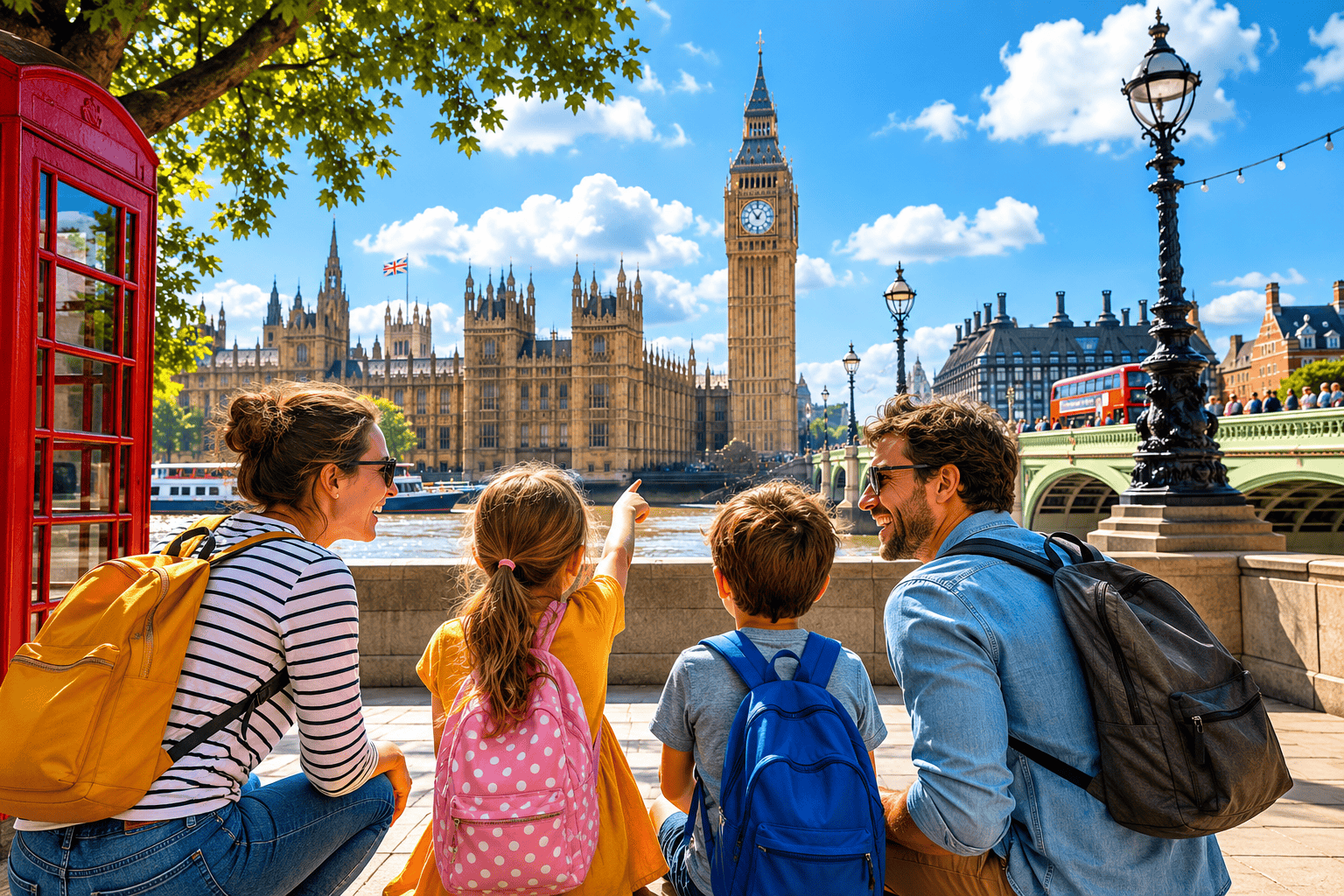
One of the biggest advantages of visiting London with kids is the wide range of excellent free attractions.
- Natural History Museum: Dinosaur galleries and the famous blue whale skeleton.
- Science Museum: Interactive exhibits covering technology, transport, and science.
- British Museum: Ancient Egypt galleries and mummies are popular with children.
- Victoria and Albert Museum: Family trails and visually engaging collections.
- Hyde Park and Kensington Gardens: Playgrounds, open spaces, and picnic areas.
- South Bank: Riverside walks, performers, and family-friendly viewpoints.
During busy periods, some museums recommend reserving free entry slots in advance.
Paid Attractions Worth Considering
If your budget allows, these attractions consistently rank among the best family experiences in London.
- Tower of London: Historic fortress with engaging Yeoman Warder tours.
- London Eye: Panoramic city views that appeal to visitors of all ages.
- Warner Bros. Studio Tour London – The Making of Harry Potter: Extremely popular and usually requires booking well ahead.
Getting Around London with Children
Many Underground stations have stairs, so step-free routes are worth checking before travelling with a pushchair. Buses and the Elizabeth line can often be easier for families.
- Travel outside weekday rush hours whenever possible.
- Fold pushchairs on busy trains if requested by staff.
- Use licensed taxis or ride-hailing services when children are tired or travelling with luggage.
- Older children may qualify for discounted travel depending on age and ticket type.
How to Structure Family Days in London
Families usually enjoy London more when they avoid overscheduling.
- Plan one major attraction each morning.
- Include a park or playground every afternoon.
- Schedule regular snack and rest breaks.
- Leave room for spontaneous discoveries instead of trying to see everything.
Eating with Children in London
London offers plenty of casual restaurants that welcome families.
- Wagamama for noodles and rice dishes.
- Dishoom for varied menus and sharing plates.
- Pizza Pilgrims for relaxed family meals.
- Flat Iron for simple steak-focused dining.
- Waitrose, Tesco, Sainsbury’s, and M&S Food for affordable breakfasts, snacks, and picnic supplies.
Sample 3-Day London with Kids Itinerary
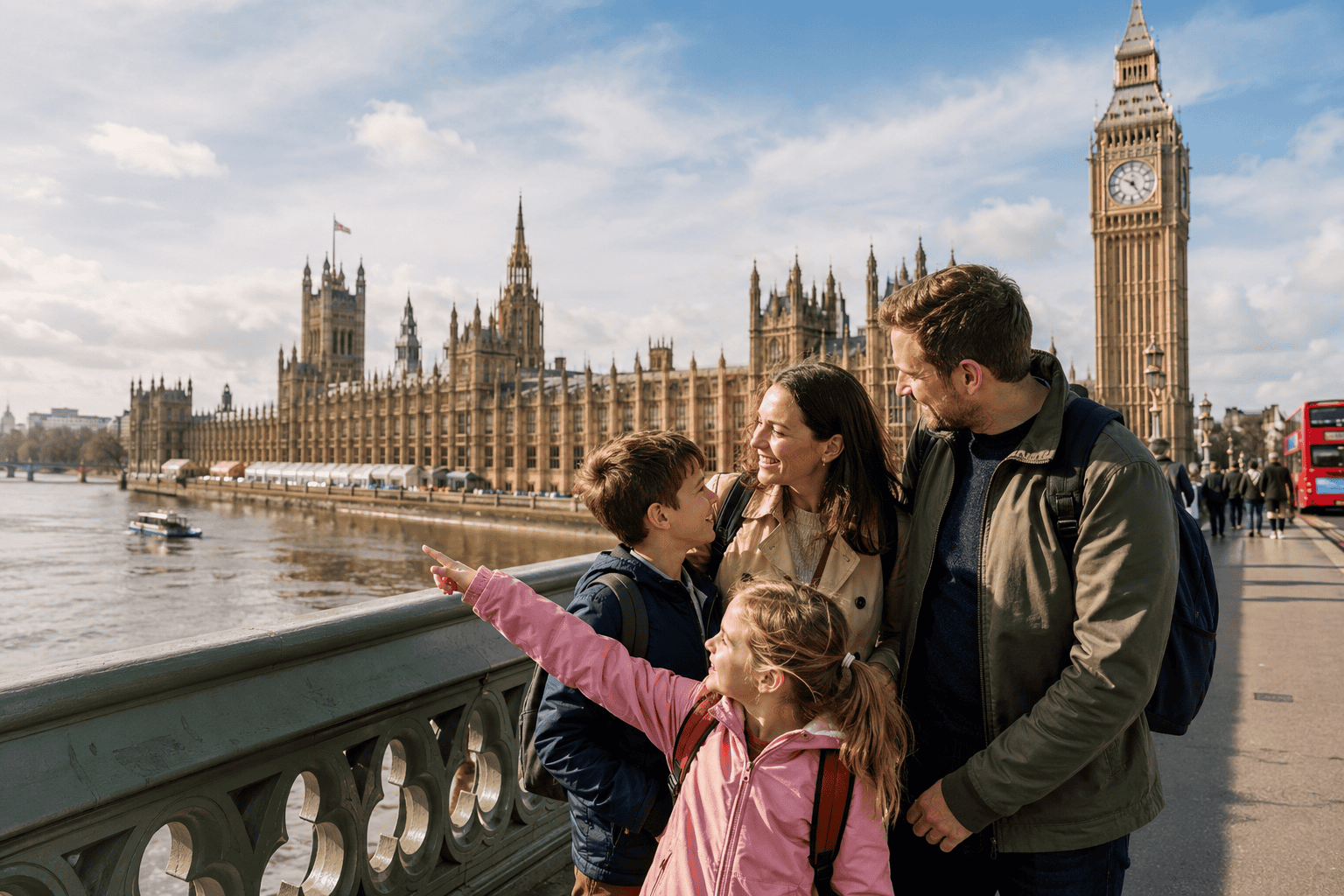
- Day 1: Natural History Museum or Science Museum, followed by Hyde Park or Kensington Gardens.
- Day 2: Westminster, the South Bank, and an optional ride on the London Eye.
- Day 3: Tower of London or the British Museum, followed by a relaxed afternoon in a park or market.
For longer stays, see our 5 Days in London: A Realistic Itinerary for First-Time Visitors and 3 Days in London: A Realistic Itinerary for First-Time Visitors.
FAQ: London with Kids
Is London family-friendly?
Yes. London offers excellent museums, parks, public transport, and attractions suitable for children of all ages.
How much does London cost for a family of four?
Expect roughly £220–300 per day on a budget-conscious trip or £400–600 per day with central accommodation and paid attractions.
What is the best area to stay in London with kids?
South Kensington is one of the best choices for first-time family visits, while Southwark and Borough offer excellent value.
Do children need Oyster cards?
Children under 11 can often travel free on eligible services with a fare-paying adult, while older children may qualify for discounted fares.
Final Tips for Visiting London with Kids
London with kids is one of Europe’s most rewarding city breaks for families. Stay centrally, balance museums with parks, avoid rushing between attractions, and build flexibility into each day for a more enjoyable trip.
Last verified: 2026-04-27. Attraction policies, transport fares, and opening arrangements may change. Always confirm the latest information through official attraction websites and Transport for London before travelling.
For additional travel background, see Wikivoyage’s London travel resources.

Mara Vale
Mara Vale writes Eurly travel guides for first-time Europe visitors who want practical routes, realistic pacing, and fewer avoidable planning mistakes.
Eurly guides are written to help readers make confident travel decisions, but opening hours, ticket rules, transit disruptions, and local conditions can change. Always verify key reservations and official schedules before you travel.